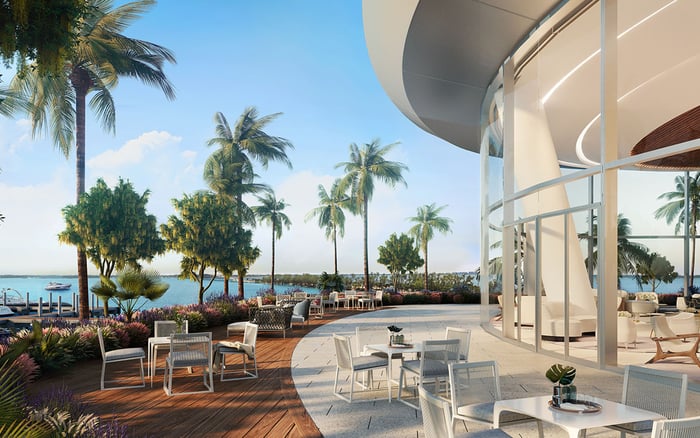
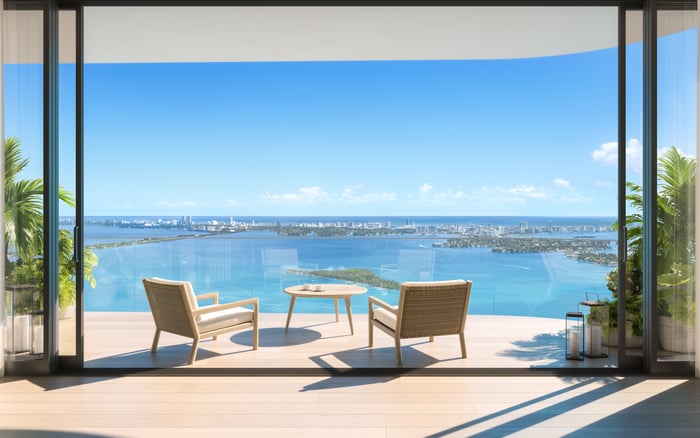
Two names, two neighborhoods, and two very different expressions of Miami’s bayfront life. In Brickell, the Una Residences conversation tends to center on polish, proximity to the city’s commercial core, and a more tailored, pied-à-terre friendly rhythm. In Edgewater, the Missoni Baia conversation often leans toward an artsy, design-forward mood and a calmer residential cadence that still feels close to the action. Here is a practical, buyer-minded framework to compare lifestyle, views, privacy, and long-term fit.
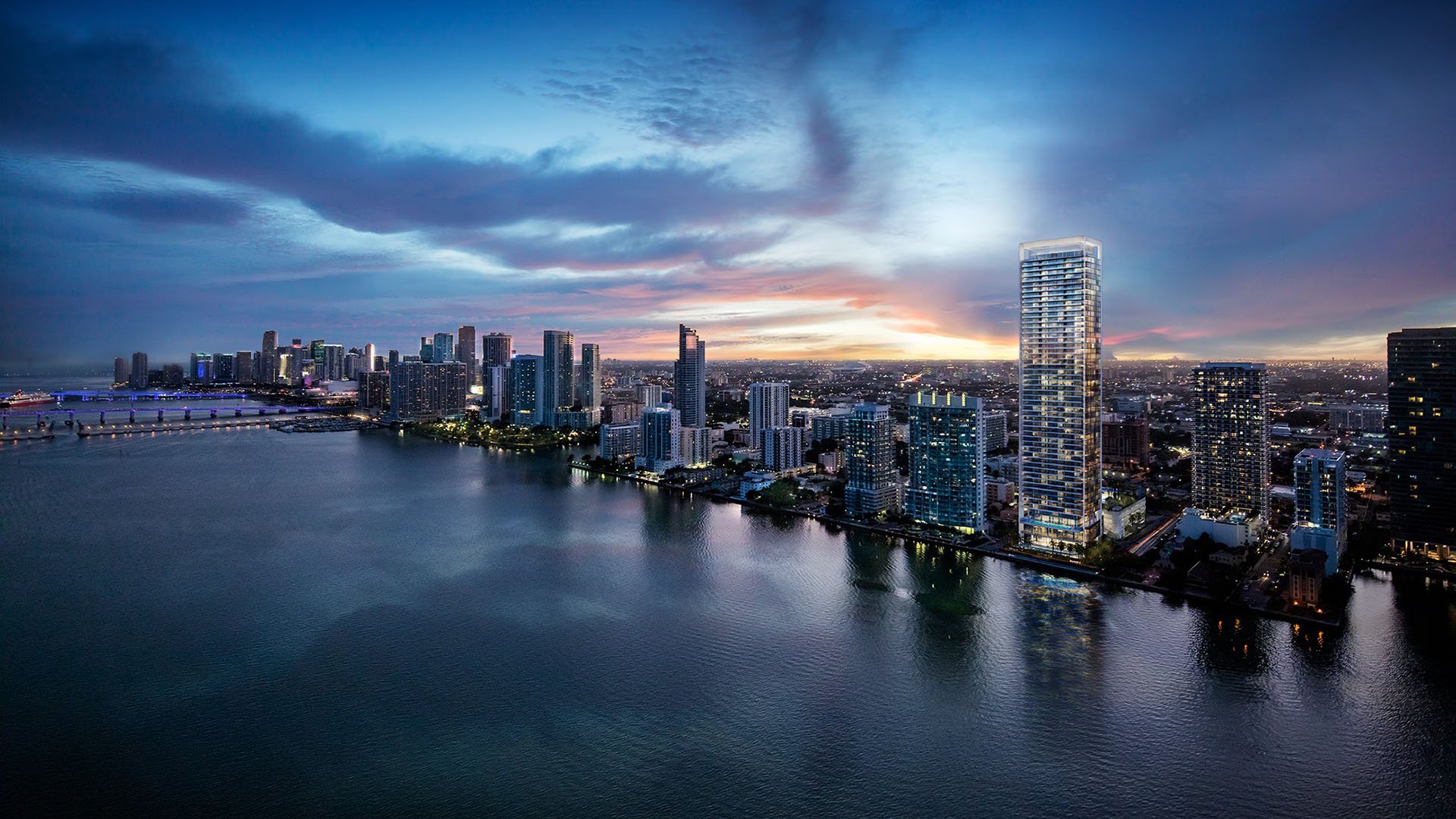
Choosing between Una Residences vs. Missoni Baia is rarely about picking a universal “best.” It is about choosing the setting that matches how you want Miami to feel in your everyday life. In South Florida’s upper tier, the happiest buyers are usually the ones who buy for lived reality: how mornings start, how evenings end, how often you host, how often you travel, and how much energy you want outside your front door.
This is also, plainly, a Brickell vs. Edgewater decision. Both can deliver bayfront living, and both can sit comfortably inside a luxury portfolio. Yet they register differently on the street. Brickell is widely viewed as Miami’s city-core address, where weeks can revolve around meetings, memberships, and seamless transitions from business hours to dinner. Edgewater is often described as a bayfront residential corridor, where the pace can feel more measured while still keeping Downtown, Wynwood, and Miami’s cultural institutions within practical reach.
Because pricing, policies, and building specifics can shift over time and can vary by residence and by line, this guide stays focused on decision drivers you can verify. Use it as a framework for smarter tours, sharper questions, and a clearer sense of fit.
Brickell tends to appeal to buyers who want the city’s intensity, but with a refined edge. The value proposition is often less about spectacle and more about immediacy. Shorter drives, easier drop-ins, and the ability to move from one part of your day to the next without friction can matter as much as any lobby impression.
In conversations about Una Residences Brickell, buyers often describe a “dressy” kind of convenience. It is the sort of home that supports a split-life rhythm: keep a wardrobe in two places, fly in for a few days, and live at a high level without building your schedule around distance. It can also suit residents who prefer flexible social plans, where reservations, private dining, and spontaneous invitations sit within a workable radius.
Brickell also brings a psychological component that many purchasers recognize immediately. Density, skyline, and movement can feel energizing, even motivating. If you like your home to echo that momentum, Brickell can feel like the right address. If you want your residence to be the quiet part of your day, Brickell can still work, but the selection needs to be more precise. Orientation, height, and how you manage sound and privacy become central, not secondary.
For a neutral reference point while comparing options, explore Una Residences Brickell.
Edgewater can feel like a quieter counterpoint to Brickell without reading as remote. For many buyers, that balance is the entire thesis. You still have access to Miami’s social and professional nodes, but you return to a shoreline mood that often feels more residential.
The Missoni Baia name, regardless of what any individual buyer associates with it, tends to signal a more expressive, design-conscious positioning. That attracts purchasers who want their home to feel like a point of view, not simply a well-executed tower. In practice, this is where discipline matters. Great design can be dramatic, but for long-term satisfaction you want to confirm it is also comfortable, durable, and compatible with your routines. The right questions are not abstract. Ask how the spaces live, how finishes perform, and whether the aesthetic supports daily use, not only first impressions.
Edgewater’s appeal can also be practical. Many residents like the proximity to the arts and dining scenes orbiting Wynwood and the Design District area, along with the event life that runs through Greater Downtown. Yet the day-to-day cadence can still feel calmer than the most intense pockets of the financial core.
If your ideal Miami morning includes a slower start, bay air, and a slightly softer soundtrack, Edgewater can feel like a more natural baseline.
At this level of the market, “luxury” is too broad to do any useful work. The meaningful comparison is the type of luxury each address implies, and what it asks of you in return.
Brickell luxury, as many residents experience it, is about choreography. Your building becomes one move in a larger sequence that includes offices, memberships, wellness appointments, and dinner plans. The residence functions like a perfectly run suite, where the city itself is the amenity and time is the asset being protected.
Edgewater luxury is often about atmosphere. The bay is not merely a view in the background; it can become the emotional center of the home. The pace can feel less transactional. Even if your calendar is intense, you may prefer the residence itself to be the quieter part of the day.
Neither approach is inherently superior. The misstep is buying the “right” building inside the “wrong” lifestyle.
Buyers often underestimate how much the surrounding street life determines long-term satisfaction. Two units can be equally beautiful and still feel completely different once daily logistics enter the picture.
In Brickell, movement can be dense and layered. That density can be a benefit if you like to stack life efficiently: short hops, quick meetings, effortless dinner plans. It can also introduce friction if you are sensitive to traffic, crowds, or the feeling of being “in it” at all times. The strongest Brickell purchases usually come from mapping your routines precisely. Identify your typical routes at realistic times, not idealized ones. Consider how you arrive after a flight, how guests find you, and what a simple errand feels like when the neighborhood is at full tempo.
In Edgewater, the rhythm can feel more linear, with bayfront stretches that read as open and visually calming. Still, calmer does not automatically mean easier. Access patterns, bottlenecks, and construction cycles can shape your commute and your guests’ experience. The best approach is simple and repeatable: visit at multiple times of day, on weekdays and weekends, and observe how the neighborhood feels when you are not in “tour mode.”
Ask yourself one clean question: Do you want to step directly into the highest-energy part of the city, or do you want your home to feel like a retreat that remains close enough to everything?
Many buyers say they want a Waterview, but the definition changes dramatically from person to person. If you do not clarify what you mean, you risk paying for a feature you do not actually use.
For some buyers, Waterview means open-water exposure that reads as horizon and sky. For others, it is the choreography of boats, bridges, and city lights. In Brickell, the view story can be more mixed, with skyline and water sharing the frame. In Edgewater, depending on placement and foreground, the bay can feel more front-and-center.
It helps to separate “pretty” from “restorative.” A dramatic skyline can be thrilling, and it can be an identity marker for the home. An expansive water plane can be calming in a way that changes how you use the space, especially if your work life is high pressure. In real terms, this can influence whether you sit on a balcony, whether you work from home comfortably, and whether you feel the residence is a refuge or simply a beautiful backdrop.
Light is its own category.
Morning light can feel energizing, but it can also be harsh if glare and heat are not managed.
Evening light can make entertaining feel cinematic, but it can also expose reflections and amplify interior lighting choices.
Because the experience can vary by line, floor, and how a building sits on its site, confirm the exact view corridor you are buying. In Miami, a “great view” is the one that still reads well when the neighborhood evolves.
Ultra-premium living is often defined by what you do not experience: unwanted noise, unwanted friction, unwanted visibility. Those factors are hard to market, but they are easy to live with, and that is why they deserve upfront attention.
In Brickell, the social temperature can run higher. You may love the sense of being surrounded by ambitious people and constant possibility. If you prefer discretion, focus on arrival: how the entry sequence feels, how elevators and common-area flows work, and whether the neighborhood outside the front door matches your appetite for energy. In high-density settings, privacy is not only about your unit; it is about how the building moves people.
In Edgewater, the social temperature can feel more low-key, even when the building itself is vibrant. That can be attractive if you prefer to entertain on your own terms. Quieter surroundings can also place more emphasis on in-home hospitality, which makes layout and entertaining zones more important than buyers sometimes expect.
Sound is a separate layer, and it is measurable if you treat it seriously.
Consider the direction of major roads.
Consider whether nearby venues may create periodic noise.
Consider how much you value sleeping with windows open during mild season, and whether that is realistic in your chosen orientation.
These are not reasons to rule out Brickell or Edgewater. They are reasons to buy with precision.
Even without relying on detailed specifications, a clear difference shows up in how buyers describe these two projects.
Una Residences Brickell is often discussed in the vocabulary of restraint: clean lines, a refined profile, and a sense of tailored finish. That approach can age well because it depends less on trends. If you want a home that feels versatile across seasons of life, a quieter aesthetic can be an advantage.
Missoni Baia is often discussed in a vocabulary of expression: color, pattern, and a more editorial mood. That can be intoxicating if you want a home that reads as a creative statement. The key is long-term alignment. Ask yourself whether you will still love the energy in five years, and whether it complements your art, your furniture, and your personal style.
In both cases, the smartest buyers evaluate design as an operating system, not a mood board.
Do materials feel suited to Miami’s humidity and salt air?
Are surfaces easy to maintain for full-time living?
Does the lighting feel flattering at night, not only during daytime showings?
Luxury is comfort that stays elegant under real use.
New-construction can feel like a clean slate, and that is exactly why buyers are drawn to it. Still, “new” does not replace due diligence. It changes the checklist.
In either neighborhood, clarify what is included, what is optional, and what is constrained by building guidelines. Finishes may be beautiful, but satisfaction often depends on how easily you can personalize within the rules. Ask what decisions are locked, what decisions are flexible, and what timelines or approvals affect renovations.
Resale logic is worth discussing quietly, even if you plan to hold.
Brickell can benefit from deep demand tied to employment nodes and global second-home patterns. That can support liquidity, but it can also bring a wider range of buyer motivations.
Edgewater can appeal to buyers who want a bayfront lifestyle with a more residential feel, which can stay resilient when the broader market rewards livability.
Align the strategy with your purpose.
If you plan to hold long-term, prioritize the experience you personally want to live with.
If you plan to trade within a shorter window, prioritize what a future buyer will understand quickly: view corridor clarity, floor plan logic, and a neighborhood story that remains credible.
Every client is different, but patterns show up repeatedly.
A Brickell-leaning buyer often values:
A city-forward rhythm and the ability to be spontaneous.
A residence that functions as a polished base for business and entertaining.
The feeling of being in the epicenter, where the skyline is part of the identity.
An Edgewater-leaning buyer often values:
A bayfront mood that feels more like a retreat.
A home that is design-led and personal, not only “correct.”
Proximity to Downtown and cultural life without living in the most intense pocket.
If you recognize yourself in both profiles, that is normal. The tie-breaker is usually emotional, not analytical: how you want to feel when you come home at 10 p.m. on a weeknight, and what you want the neighborhood to give you in that moment.
When your shortlist includes Una Residences vs. Missoni Baia, the most valuable questions are not the ones with flashy answers. They are the ones that protect your time, your privacy, and your capital.
Use this tour script in Brickell or Edgewater:
Ask for the quietest line, not the “best” line. If you are sensitive to sound, your personal best may differ from the market’s default.
Ask how the building handles privacy during peak visitor times. Even in high-end buildings, flow matters, and a small bottleneck can change how the whole place feels.
Ask what is typical for storage, parking, and guest logistics. Convenience is part of luxury, and it is often where daily irritation begins.
Ask about rules that affect how you live: move-ins, renovations, guest stays, and package handling. Policies shape routine more than most buyers expect.
Ask what the residence feels like at night. Tour after dark if possible. Miami changes after sunset.
Then do what most buyers skip: stand still and listen. Sound, vibration, and the emotional tone of the surroundings are hard to unsee once you register them.
A successful purchase aligns three elements: neighborhood energy, interior identity, and your personal routine.
Choose Brickell if you want the city to function as your amenity, you like a higher social temperature, and you value connection to everything with minimal planning.
Choose Edgewater if you want your home to feel like a bayfront exhale, you like design that reads as personal, and you prefer the city to be accessible but not constant.
If you are torn, decide based on non-negotiables.
If your non-negotiable is walk-out convenience to a high-energy city core, Brickell will usually feel more natural.
If your non-negotiable is a calmer daily soundtrack with a strong Waterview baseline, Edgewater will often feel more aligned.
Both directions can be exceptional. The differentiator is not the marketing narrative. It is how consistently the place supports the way you actually live.
How do I compare Brickell and Edgewater without over-indexing on hype? Start with your routes. Write down where you go most: work, wellness, dining, friends, airport, and any standing commitments. Then test those routes at realistic times. Once the logistics are clear, use tours to confirm the softer factors like noise, privacy, and the way the neighborhood feels when you are not dressed up for a showing.
What should I verify in writing when evaluating New-construction condos? Focus on what changes your day-to-day use: what is included versus optional, what building guidelines control personalizations, and which policies affect routine (move-ins, renovations, guest logistics, packages). Treat the paperwork as the operational map of the home, not a formality.
Which matters more for long-term value: view corridor or neighborhood walkability? It depends on your buyer pool, but clarity helps. A protected-feeling view corridor can deliver daily satisfaction and a story that is easy to understand. Neighborhood walkability can shape lifestyle and convenience. The strongest positions tend to be the ones where the view and the neighborhood narrative reinforce each other instead of competing.
How can I assess privacy and noise before I commit to a unit? Visit more than once, and vary the timing. Pay attention to arrival flow, elevator behavior, and what you hear with windows closed and open. If possible, tour after dark to understand the evening tempo. Privacy and sound are rarely solved by marketing; they are solved by orientation, building flow, and honest observation.
What is the cleanest tie-breaker if I’m torn between Brickell and Edgewater? Decide how you want to feel when you come home on an ordinary weeknight. If you want the city’s energy at your doorstep, Brickell usually wins. If you want your home to feel like a retreat while staying close to everything, Edgewater often reads more naturally.
How can I confirm a “Waterview” will still read well as the neighborhood evolves? Ask for the exact view corridor for the specific line and floor, then confirm what sits in the foreground and what could change over time. A view that is “great” today should still frame well if nearby parcels redevelop, which is why corridor clarity matters more than broad labels.
How do morning versus evening light exposures change day-to-day living in a high-rise? Morning light can feel energizing but may bring glare and heat if exposure is direct. Evening light can make entertaining feel cinematic, yet reflections and interior lighting choices become more noticeable. The right exposure is the one that flatters how you actually use the space.
What building rules or logistics should I review before I close? Prioritize the rules that shape routine: move-ins, renovation approvals, guest policies, package handling, storage, parking, and any limits that affect how you host or travel. These details are where day-to-day friction begins, so confirm them early and in writing.
How do I evaluate “tailored” versus “expressive” design for long-term satisfaction? Treat design like an operating system, not a mood board. A restrained, tailored palette can feel versatile across seasons of life, while expressive design can be deeply personal if it matches your taste and furnishings. The best choice is the one you will still love years from now—under real use, not just first impressions.
What should I ask on tour that most buyers skip? Ask for the quietest line, not the “best” line, and tour at multiple times of day if you can. Clarify how the building handles privacy during peak visitor times, and what typical storage, parking, and guest logistics look like. Then stand still and listen—sound, flow, and the emotional tone are hard to unsee once you notice them.
For a private, buyer-first comparison and access to South Florida’s best opportunities, connect with MILLION Luxury.
If branded residences are on your mind — as a home or as an allocation — we would be glad to share what we are seeing, privately.
Begin a quiet conversation