In South Florida, the purchase price is only the opening number. For oceanfront estates and trophy condos, annual carrying costs can resemble a corporate operating budget: insurance volatility, hurricane readiness, salt-air maintenance, staffing, and security. This MILLION Luxury editorial breaks down the main cost centers and the lifestyle decisions that quietly determine whether ownership feels effortless or exhausting.
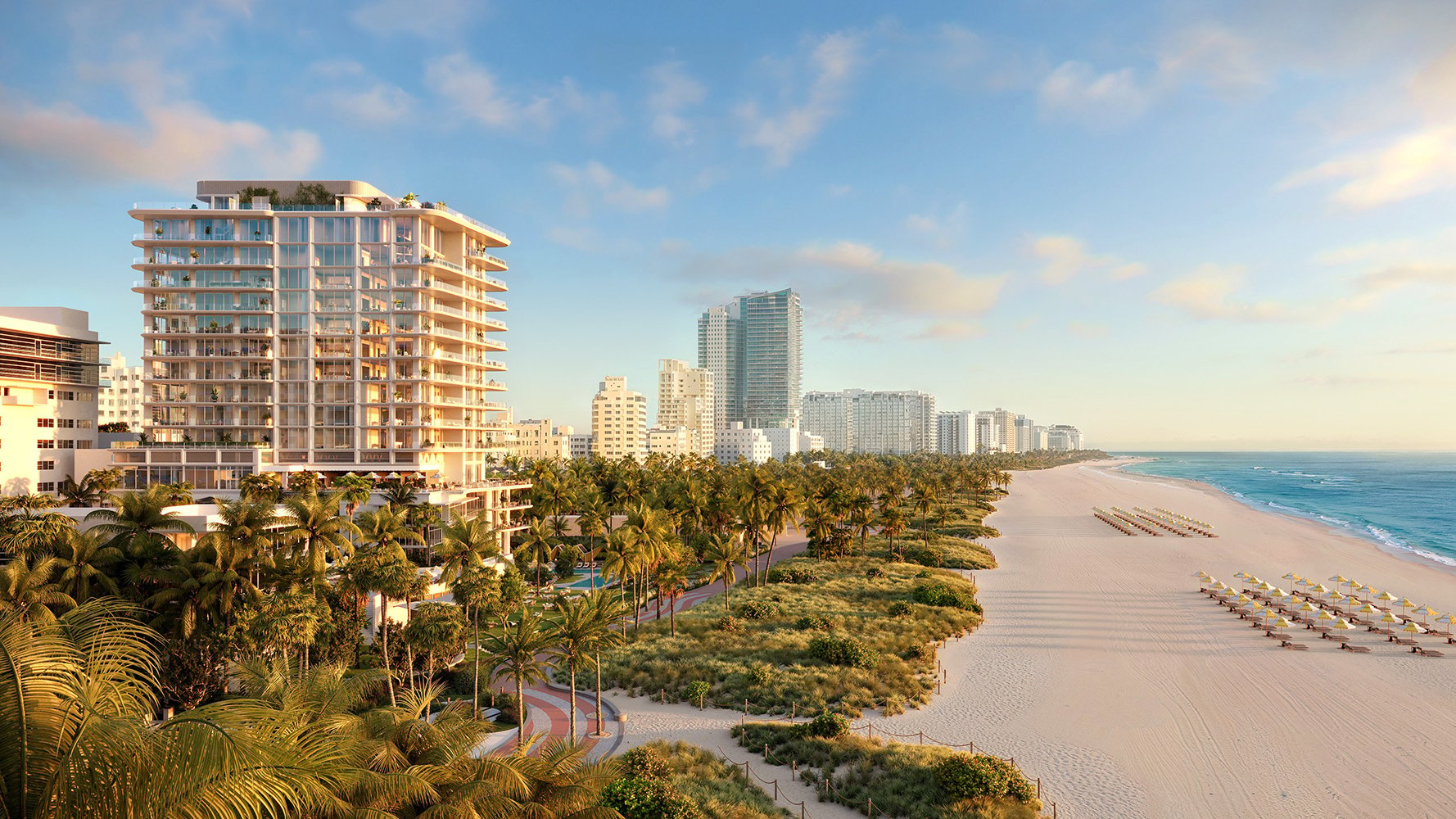
In South Florida’s ultra-luxury market, the closing table is only the beginning. Ownership functions less like a one-time acquisition and more like a standing operating model, with recurring obligations that behave like a small enterprise: climate management, building-envelope performance, insurer requirements, vendor schedules, and a year-round storm posture.
Whether the purchase is all-cash or thoughtfully financed, the home remains a living system that must be supervised. Mechanical rooms, roof assemblies, glazing, and coastal exposure do not care how the deal was structured. They care how the property is maintained, documented, and protected.
A widely cited baseline example illustrates how quickly the “non-negotiables” add up. An approximately 11,000-square-foot home priced around $3.5 million can run about $27,000 per month, or roughly $324,000 per year, when you aggregate mortgage, property tax, insurance, utilities, routine repairs, landscaping, and household staff. That is not a trophy-estate operating budget. It is a reference point for what happens when scale, complexity, and exposure begin to rise.
For buyers weighing a Miami Beach condominium lifestyle against a single-family waterfront compound, the difference is not only architectural. It is managerial. The real question is whether you want to run the machinery of ownership yourself, or prefer a building and brand to absorb much of the day-to-day orchestration.
Property taxes are often treated as the most straightforward line item: a known rate applied to a known value. In practice, the experience can feel more dynamic, especially in markets where values, demand, and replacement costs recalibrate quickly.
In Miami-Dade, the tax roll process reflects an ongoing assessment of the county’s value base. For a luxury owner, the practical takeaway is simple: your bill is not only connected to what you paid at closing. It is also shaped by how assessed value evolves as the broader market shifts and construction economics change.
For Second-home buyers, tax management is often less about month-to-month discomfort and more about long-range planning. When a South Florida residence sits within a multi-state portfolio, consistency matters. In that context, it is essential to work with advisors who understand how assessed values, exemptions, and property classification function locally. Done well, it supports an elegant holding strategy. Done casually, it can create recurring surprises that compound over time.
If one category has become a boardroom topic for private owners in Florida, it is insurance. The state’s risk stack is well known: hurricane wind, coastal flood exposure, high replacement costs, and tightening underwriting. At the high end, carriers scrutinize roof systems, openings, elevation, claims history, proximity to water, and what it truly costs to rebuild to current code.
In the upper tiers, public reporting has described ultra-rich owners paying roughly $620,000 or more annually to insure mega-mansions, including examples of Star Island quotes around $622,000 per year. Not every home will resemble those numbers. The signal, however, is clear: premiums can become a material operating expense, and they can change meaningfully from one renewal cycle to the next.
Buyers should also remember that “insurance” is rarely a single policy. For many ownership structures it is a stack: wind coverage, flood coverage, umbrella liability, valuable personal property, and sometimes additional policies tied to staff, vehicles, or special features. The smartest time to understand this stack is before you buy, when you can still evaluate location attributes and design choices through the lens of insurability.
In South Florida, storm preparedness is not theater. It is routine. The most sophisticated owners and estate managers treat it as a standing playbook with timelines, vendor contacts, and checklists. Florida emergency management guidance emphasizes planning, supplies, evacuation readiness, and property preparation. At the luxury level, those fundamentals become an operational posture: verifying generator readiness, maintaining fuel plans, confirming shutter or impact systems are functional, inventorying key equipment, and scheduling pre-storm inspections.
For condominiums, the building envelope is a recurring point of focus. Guidance aimed at communities commonly emphasizes roofs, openings like windows and doors, and the cascading damage that can follow an initial breach. That is why due diligence for coastal condos should include how the association budgets for envelope maintenance, what hardening steps are already in place, and how reserves are handled.
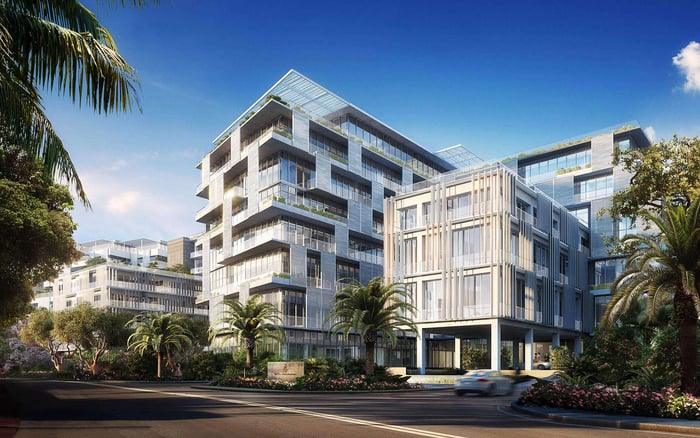
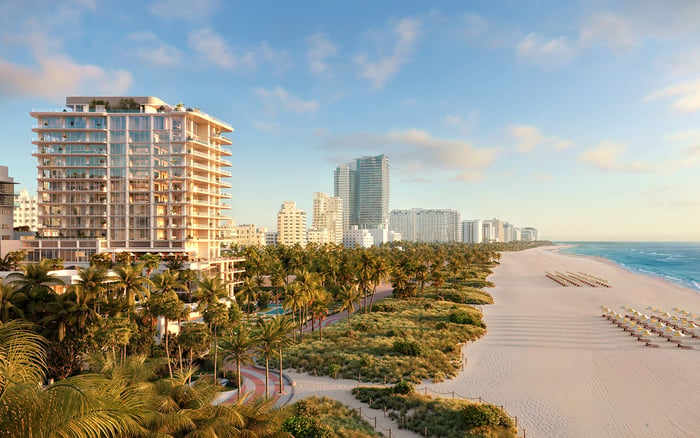
Owners who want storm season to feel nearly invisible tend to choose residences where much of the process is institutionalized. In Miami Beach, branded properties can offer an “always-ready” baseline. In a different expression of the same desire, a boutique oceanfront building such as 57 Ocean Miami Beach appeals to buyers who want shoreline intimacy without personally managing the full maintenance theater of a freestanding estate.
Utilities are a stealth cost that can surprise even seasoned owners when they move into larger footprints. Media estimates suggest that mega-mansions’ monthly utilities can climb into the tens of thousands of dollars, with electricity for HVAC often leading. In South Florida’s climate, cooling load is persistent, and luxury homes frequently add additional layers of energy demand: multiple kitchens, guest wings, spa rooms, extensive glass, high ceilings, and technology infrastructure.
Mechanical complexity often matters as much as size. A well-designed home with properly zoned HVAC, thoughtful glazing, and disciplined maintenance can feel more contained than a smaller property with dated systems. Conversely, a spectacular residence with neglected upkeep can become a compounding problem: comfort slips, humidity control weakens, and indoor air quality can erode over time.
The owners who enjoy the smoothest experience treat mechanical systems as the engine of the home. That means proactive service, consistent documentation, and an understanding that “quiet” operation is rarely accidental. It is maintained.
Oceanfront is a dream word in Miami. It is also a demanding one. Salt-laden air accelerates corrosion and finish degradation, particularly on metal components, glass hardware, railings, and exterior details. Owners frequently adopt regular exterior rinse-downs, protective coatings, and more frequent maintenance cycles to slow deterioration.
South Florida estate management firms actively market salt-air programs that include exterior rinses, pressure washing, window cleaning, inspections, and vendor coordination. The point is not indulgence. It is preservation. Exposure is constant, and small delays can become expensive when corrosion has time to progress.
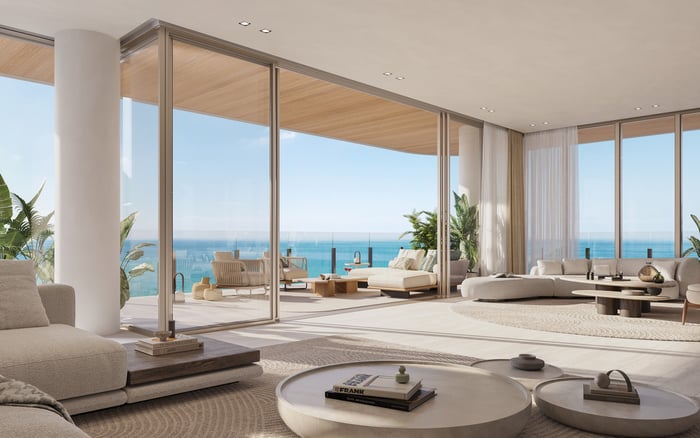
This is where ownership experience tends to split. Some buyers enjoy stewardship, treating the ritual of care as part of the romance of oceanfront living. Others want the view without the weekly logistics. If you are in the second camp, ocean-adjacent luxury condos and serviced residences can be a strategic way to secure oceanfront lifestyle while outsourcing much of the exterior burden to a building team.
A pool reads as leisure. In practice, it behaves like a system that requires chemistry, monitoring, and continual cleaning. Typical Florida pool-service estimates for routine service often fall around $75 to $200 or more per month for a standard residential setup, with costs rising as features and complexity increase. South Florida service menus commonly itemize recurring tasks like skimming, brushing, vacuuming, chemical balancing, and filter checks. Add heaters, spas, water features, and automation, and the service profile expands.
Landscaping follows the same logic. Mature palms, curated hedges, specimen plantings, and waterfront irrigation systems can look effortless while requiring frequent attention. For single-family estates, this is often the moment owners realize they are not simply maintaining a home. They are maintaining a setting, and settings require horticultural expertise.
The premium of “resort at home” is not only the install cost. It is the recurring commitment to keep everything pristine through heat, rain, salt exposure, and rapid growth cycles.
At a certain level, the home is only as seamless as the team behind it. Celebrity estate reporting has illustrated how staffing expands with size, sometimes including large temporary teams and specialized maintenance for stone and finishes. The deeper point is scale. As square footage and finish quality rise, the labor intensity required to keep a home camera-ready rises with it.
For ultra-high-net-worth owners, staffing agencies emphasize vetting, background checks, and confidentiality as standard practice. In South Florida, that emphasis aligns with a seasonal reality: many properties operate as Second-home residences, which makes continuity and trust essential. When owners are away, a smaller core team supported by well-managed vendors is often more effective than a large rotating cast.
A parallel category is property preservation. Some vendors market monthly inspection and documentation programs, including photo or video reporting, designed to protect high-value homes during vacancy. For seasonal owners, this is not paranoia. It is basic risk management. The goal is to reduce the chance that a minor mechanical issue becomes a six-figure restoration.
Security is both practical and psychological. In certain South Florida enclaves, security-forward community design is part of the appeal. Indian Creek Village, often marketed as a privacy- and security-centric island with limited inventory, has become shorthand for that mindset.
For owners who require more than basic residential security, costs can escalate quickly. One pricing guide describes weekly budgets in the tens of thousands of dollars depending on threat level, team size, and logistics. Not every high-net-worth owner needs executive protection. Still, buyers should recognize that privacy is not only an architectural feature. It can also be an operating expense.
At the ultra-luxury level, the most effective security posture is typically layered: thoughtful perimeter planning, technology that is maintained rather than merely installed, and protocols that fit the way the property is actually used. A security system that is never tested is not security. It is decoration.
In South Florida, a waterfront home is often paired with a yacht, and the combined lifestyle has its own economics. Industry guidance commonly pegs annual yacht operating and maintenance costs at roughly 10 percent to 15 percent of the yacht’s value before docking and crew are fully accounted for. Other explainers break costs into insurance, fuel, refits, dockage, and crew, reinforcing why yachting can add six- to seven-figure annual spend alongside the residence.
The key is alignment. If yachting is central to the lifestyle, prioritize the infrastructure that makes usage effortless: access, dockage solutions, and service proximity. If it is aspirational but intermittent, ensure the ongoing expenses do not quietly distort the real estate budget.
The most satisfied owners are rarely the ones with the most toys. They are the ones whose carrying costs match their actual habits.
For many buyers, the smartest upgrade is not more square footage. It is fewer variables. In Miami Beach, top-tier condos and branded, service-oriented residences have increasingly positioned themselves as a way to preserve a private-home standard while reducing personal overhead.
A buyer considering Setai Residences Miami Beach may be drawn to the idea that hospitality DNA translates into daily ease: a building culture that understands discretion, arrival choreography, and the expectation of seamless service.
Similarly, The Ritz-Carlton Residences® Miami Beach speaks to owners who want a refined lock-and-leave posture without sacrificing finish level and brand-backed consistency.
For those who want a private-club atmosphere embedded into the address, Casa Cipriani Miami Beach represents a distinct thesis: the home as a curated extension of a social and service ecosystem, especially appealing for owners who split time across cities.
This is not an argument against single-family estates. It is an argument for clarity. If you love stewardship and want total control, an estate can be deeply satisfying. If you want the ocean and the architecture without the operational load, a well-run condominium can be the more luxurious choice.
Ultra-luxury ownership rewards buyers who underwrite the experience, not only the asset.
First, establish a realistic annual operating range that includes insurance volatility, utilities, staffing, maintenance cycles, and storm readiness. Treat these as baseline assumptions, not optional upgrades.
Second, decide how hands-on you want to be, especially if the home is a Second-home. The same property can feel effortless or exhausting depending on whether you enjoy management or resent it.
Third, if the property is Oceanfront, accept that salt-air maintenance is not a “nice to have.” It is part of protecting finishes and preserving value.
Finally, if privacy is a priority, treat security as part of lifestyle design rather than an afterthought. Budget for it, plan for it, and ensure the system is maintained with the same discipline as the mechanical plant.
In South Florida, the best homes are not only beautiful. They are resilient, well-managed, and aligned with the way you actually live.
How much should I budget annually beyond the purchase price? Budgets vary widely, but a commonly cited baseline for a large Florida home is about $27,000 per month, or around $324,000 per year, before you reach true trophy-estate staffing and insurance scenarios.
Why does insurance feel so unpredictable for luxury homes in Florida? High-value underwriting in Florida is influenced by hurricane wind exposure, coastal flood risk, replacement costs, and property-specific features like roof systems and openings. Premiums can move materially at renewal.
Is Oceanfront ownership materially more expensive to maintain? Often, yes. Salt air accelerates corrosion and finish wear, which typically drives more frequent exterior rinses, protective coatings, and maintenance cycles.
What is the simplest way to reduce operational complexity? Choose a residence where building management and a service culture absorb much of the day-to-day burden. Many buyers find that a well-run Miami Beach condo provides the best balance of lifestyle and oversight.
For private guidance on South Florida luxury real estate, explore MILLION Luxury.
If branded residences are on your mind — as a home or as an allocation — we would be glad to share what we are seeing, privately.
Begin a quiet conversation