A buyer-focused ranking of the five condominium operating profiles best suited to frequent travelers, with practical guidance on staffing, access, maintenance, parking, insurance, rental rules, and pre-contract due diligence.
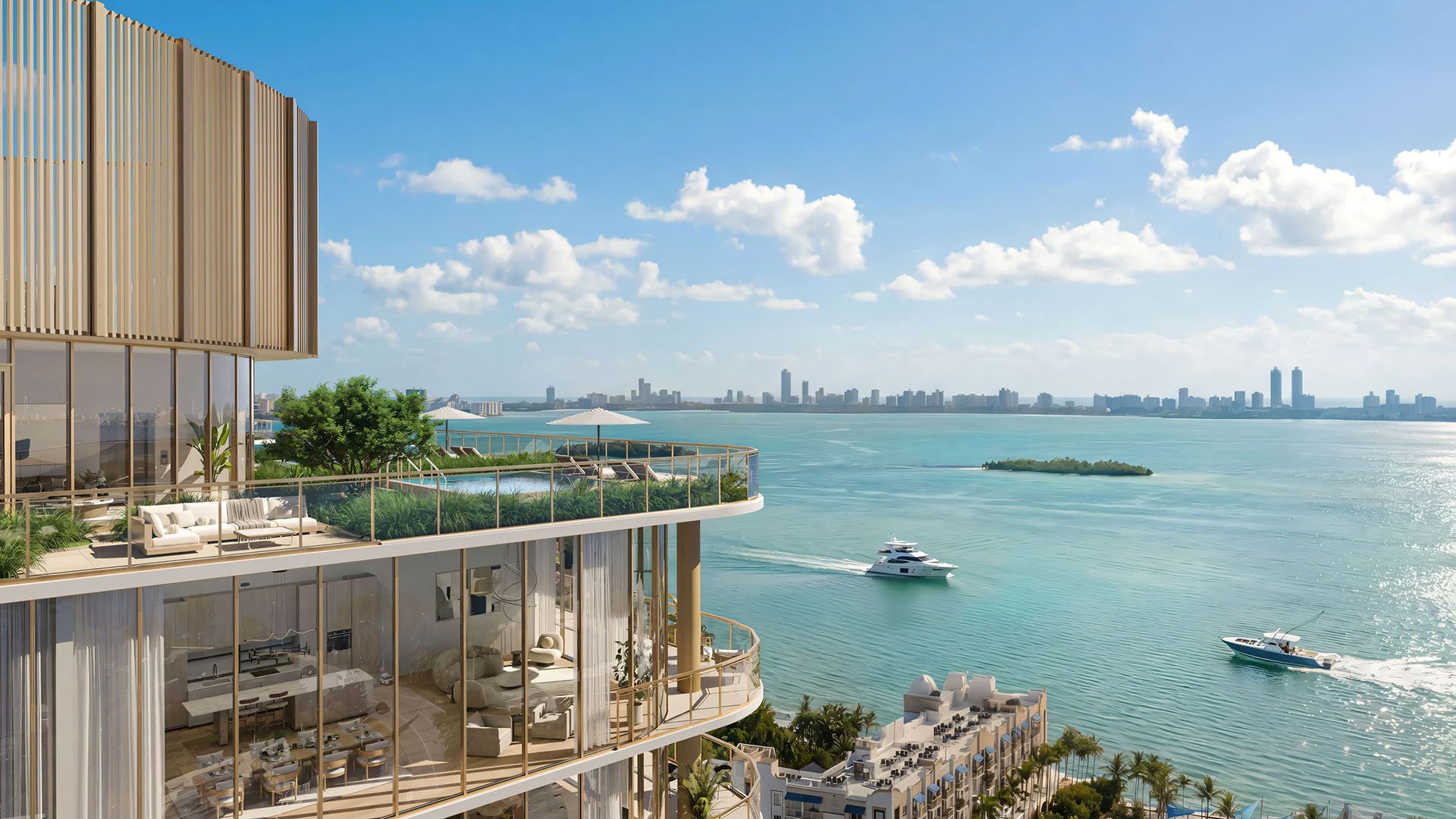
A frequently occupied residence and a frequently vacant one demand different forms of luxury. For owners who divide their time among cities, the decisive qualities are often operational: controlled access, responsive management, orderly deliveries, predictable maintenance, protected parking, and a clear protocol when no one is home.
Midtown Miami is compelling in this context, placing an urban residence near the Design District and Wynwood. Yet location alone does not make a condominium effortless. A true lock-and-leave purchase should reduce the decisions an owner must make before departure, during an extended absence, and upon return.
The five profiles below rank the building characteristics that deserve priority. They provide a practical framework for comparing available Midtown residences without allowing assumptions to replace document review.
1. Full-service condominium: managed arrival and departure
The strongest profile begins with a clearly defined management structure and consistent control over resident, guest, vendor, and delivery access. Frequent travelers should understand who can enter the property, how authorization is recorded, and what happens when an urgent issue arises inside a vacant home.
The best fit is not necessarily the building with the longest amenity menu. It is the one with disciplined daily operations, clearly allocated responsibilities, and procedures that remain effective when the owner is in another time zone.
2. Low-maintenance residence: fewer private systems to supervise
A sophisticated interior can still be simple to leave. Buyers should examine which mechanical components, exterior elements, terraces, appliances, and smart-home systems fall within the owner’s responsibility. Complexity may be worthwhile, but every private system introduces another inspection, service, or replacement decision.
For a second-home buyer, finish quality should be weighed alongside durability and serviceability. The ideal residence feels polished upon arrival without requiring an elaborate reopening routine.
3. Controlled-access condominium: clear guest and vendor protocols
Access policies become particularly important when housekeepers, property managers, designers, or family members may need to enter during an owner’s absence. Written procedures should address credentials, temporary permissions, package handling, key control, and after-hours escalation.
Privacy is not merely a lifestyle attribute. For an absent owner, it is an operating requirement. The most suitable building balances discretion with a process authorized people can follow without improvisation.
4. Parking-forward condominium: straightforward vehicle care
Owners who leave a vehicle in Miami should evaluate space assignment, access controls, valet procedures, battery-maintenance rules, guest parking, and any restrictions affecting prolonged inactivity. The relevant question is not simply whether parking exists, but how the arrangement functions while the owner is away.
Any storage associated with the residence deserves similar scrutiny. Buyers should confirm where it is located, how it is secured, and whether access depends on building personnel or limited hours.
5. Flexible-use condominium: rules aligned with the owner’s calendar
A travel schedule can conflict with minimum lease terms, guest policies, pet procedures, renovation windows, move rules, and delivery restrictions. These provisions can materially shape convenience, even when an owner has no immediate plan to rent the residence.
Investment flexibility should never be inferred from marketing language. The declaration, bylaws, rules, application requirements, and current policies should be read together to confirm that the intended pattern of occupancy is permitted in practice.
A Midtown search benefits from disciplined comparison with nearby districts, especially when the buyer prioritizes operating ease over a narrowly drawn boundary. Across Miami’s broader urban market, Miami Tropic Residences and Kempinski Residences Miami Design District can serve as reference points for conversations about location, ownership format, and the level of service a traveler expects.
To the south and east, Frida Kahlo Wynwood Residences and EDITION Edgewater broaden the comparison. Their inclusion should not replace building-specific diligence. Instead, nearby choices help buyers distinguish genuine requirements from preferences that may shift when architecture, service, privacy, and daily circulation are considered together.
Lock-and-leave confidence is grounded in governing documents and operating records. Buyers should request the declaration, bylaws, current rules, recent meeting materials, budget, insurance information, application requirements, and available disclosures. Counsel and other qualified advisers can then identify obligations that may not be evident during a showing.
Pay close attention to maintenance boundaries. Determine what the association handles and what remains within the owner’s scope, including water shutoffs, air-conditioning service, leak response, terrace care, pest treatment, and access for inspections. Ask whether the building has a formal vacant-unit policy and whether periodic checks are required.
Financial review matters as well. Current assessments, reserve planning, insurance arrangements, and contemplated projects may affect both carrying costs and the owner’s ability to leave without encountering an unexpected administrative burden. This practical layer of analysis matters because convenience should remain durable after closing.
A direct discussion with management can reveal how written rules function day to day. Ask who receives an alarm, leak alert, or air-conditioning notice when an owner is overseas. Confirm whether staff can admit a preauthorized vendor, whether management retains keys, and what documentation is required before access is granted.
Also clarify package limits, food-delivery handling, hurricane-preparation responsibilities, balcony requirements, and communication during severe weather. None of these points should be presumed from a lobby, brand identity, or amenity presentation. For frequent travelers, concise, credible answers are themselves important indicators of operational maturity.
What makes a Midtown Miami condo genuinely lock-and-leave? It combines controlled access, clear management procedures, manageable private systems, and rules compatible with extended absences.
Is a larger amenity package always better for frequent travelers? No. Reliable operations and clearly defined responsibilities may be more valuable than amenities an owner rarely uses.
Should buyers ask about vacant-unit inspections? Yes. Confirm whether inspections are required, available, or permitted-and who may conduct them.
Why do guest and vendor rules matter? They determine whether authorized people can enter efficiently when the owner is away or unavailable.
What parking questions should a traveler ask? Review space assignment, access, valet procedures, guest parking, and rules affecting a vehicle left for an extended period.
Can a lock-and-leave condo also be rented? Possibly, but lease terms, application procedures, frequency limits, and current building rules require careful review.
Are smart-home systems enough to protect an empty residence? They can assist with monitoring, but they do not replace building protocols, maintenance, insurance, or human response.
Which documents deserve the closest attention? Review governing documents, current rules, budgets, insurance information, meeting materials, and available disclosures with qualified advisers.
Should nearby neighborhoods be part of the search? Yes. Comparing adjacent urban districts can clarify priorities involving service, privacy, architecture, and convenience.
When should management be interviewed? Ideally, before the contract becomes binding, so access, emergency, delivery, parking, and absence procedures can be evaluated.
For a discreet conversation and a curated building-by-building shortlist, connect with MILLION.
If branded residences are on your mind — as a home or as an allocation — we would be glad to share what we are seeing, privately.
Begin a quiet conversation