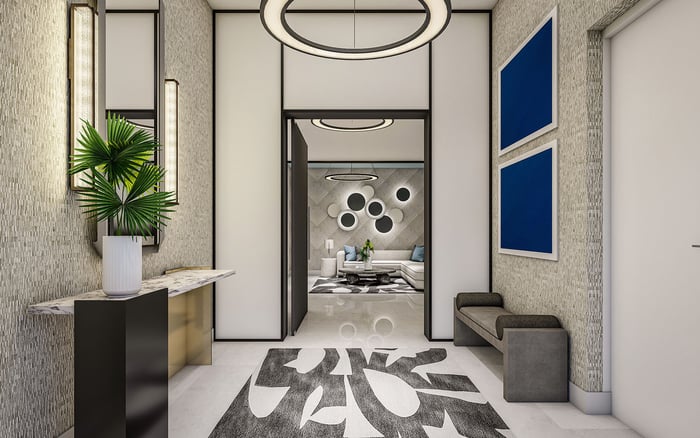
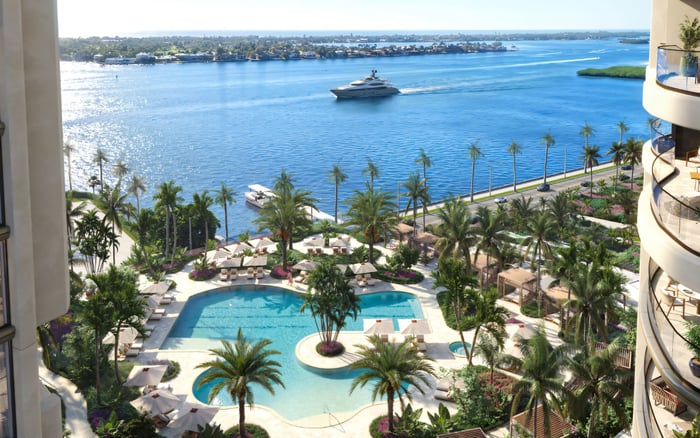
A refined guide to five Palm Beach County residence profiles for buyers who want lifestyle, privacy, liquidity, and ownership planning to work together with discipline.
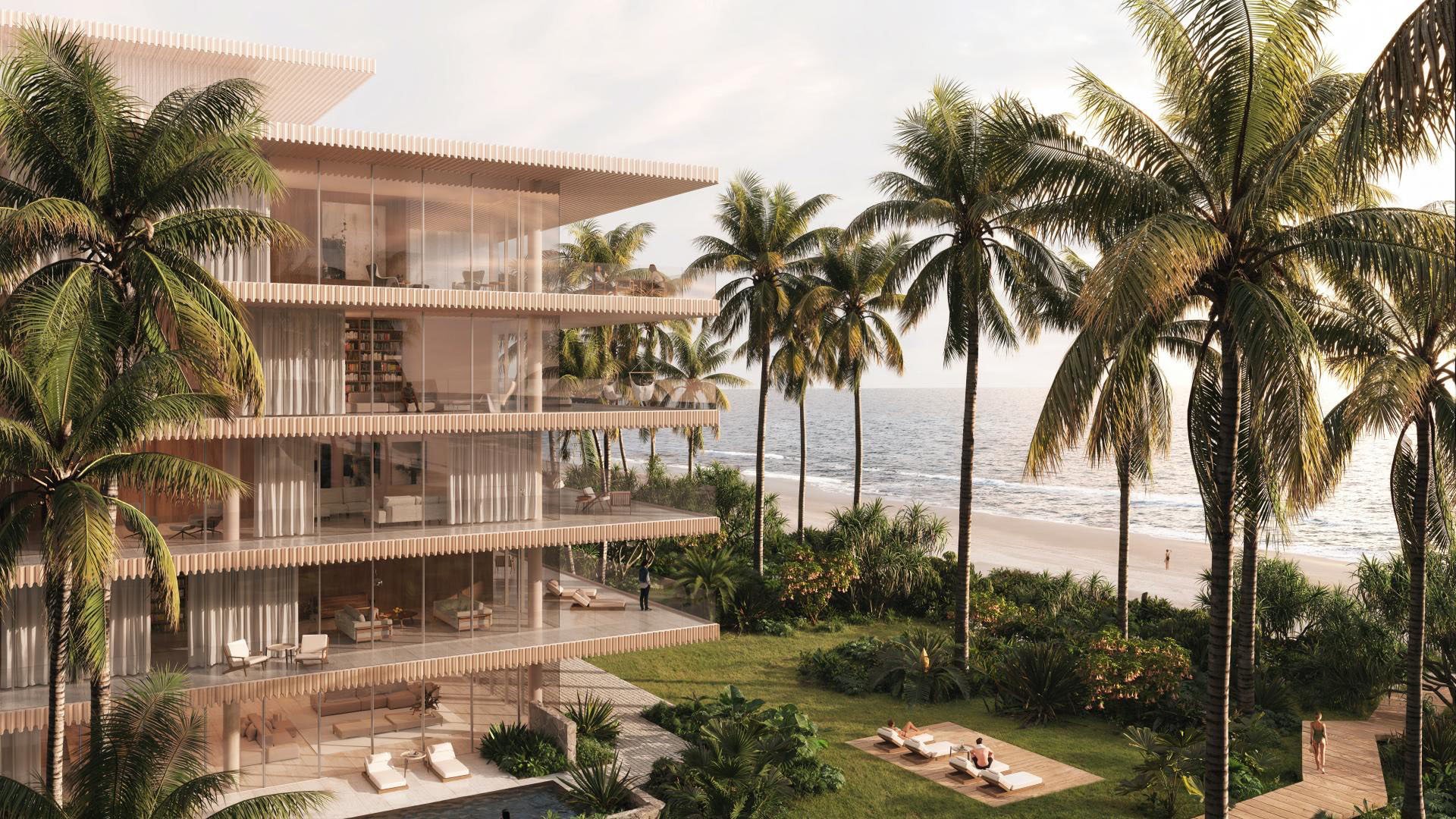
For South Florida’s most deliberate buyers, the right Palm Beach County residence is not chosen by view, address, or architecture alone. It is chosen by how precisely it fits the owner’s life. A tax-aware purchase begins with use pattern, family structure, holding horizon, privacy needs, liquidity expectations, and the level of governance an owner is prepared to maintain.
That does not make the search less emotional. It makes the emotion more durable. A residence may function as a winter base, a multigenerational estate, a discreet pied-à-terre, or a long-term legacy asset. Each can play a distinct role within a broader ownership plan. The key is to define that role before negotiating finishes, club access, service levels, or terrace size.
For many families, the brief may read Palm Beach, Oceanfront, Pool, Marina, Golf, and Investment, but the more valuable exercise is separating desire from function. The residence should feel effortless while remaining easy for advisors, family offices, and future decision-makers to understand.
1. Primary-use estate residence - maximum personal clarity
For buyers who intend to make Palm Beach County the center of daily life, the primary-use estate profile is often the most straightforward. The focus is not grandeur alone. It is continuity: where the owner receives guests, stores personal effects, hosts family, and establishes a consistent rhythm.
This profile rewards careful documentation and a highly intentional lifestyle plan. Buyers should evaluate privacy, staffing, security, maintenance, and the long-term suitability of the residence as family needs evolve.
2. Lock-and-leave condominium residence - controlled complexity
The lock-and-leave condominium profile suits buyers who want South Florida access without the operational burden of a large standalone estate. Its appeal lies in managed infrastructure, predictable service, and the ability to arrive with minimal friction.
Tax-aware buyers should look beyond design and views. Governance, reserve planning, rental restrictions, insurance considerations, and building culture can all determine whether ownership remains elegant or becomes administratively heavy.
3. Family-office second residence - structured seasonal use
A second residence can be highly effective when its role is explicit. It may serve as a seasonal base, a place for adult children and grandchildren, or a controlled retreat for clients and close friends. The most successful version has rules before it has rituals.
For this profile, buyers should clarify who may use the home, how expenses will be allocated, who supervises vendors, and how calendars are managed. The more valuable the asset, the more important it is to keep family expectations written, calm, and practical.
4. Legacy compound or assemblage - long-horizon stewardship
The legacy compound profile is less about near-term convenience and more about permanence. It may involve a larger home, adjacent holdings, or a property selected for its capacity to serve multiple generations over time.
This type of residence demands patient analysis. Buyers should consider estate planning, succession, renovation tolerance, insurance, local rules, and the emotional consequences of shared family ownership. Beauty matters, but governance often determines whether the asset remains a blessing.
5. Liquidity-minded resale residence - optionality first
Not every tax-aware buyer wants to own forever. Some prioritize flexibility, preferring a residence that can be enjoyed now while preserving options later. In that case, the resale profile can be compelling when the property has broad appeal, rational carrying costs, and a layout that does not depend on narrow personal taste.
The objective is not speculation. It is optionality. A liquidity-minded buyer wants the ability to adjust if family plans, residency intentions, or capital allocation priorities change.
The most important comparison is not price per square foot. It is fit. A primary-use estate may suit a buyer seeking rootedness, while a lock-and-leave condominium may better serve someone balancing multiple homes. A family-office second residence can work beautifully when access is controlled. A legacy compound requires patience. A liquidity-minded resale residence prizes flexibility.
Tax-aware ownership also requires a buyer to think in layers. The first layer is personal enjoyment. The second is administrative ease. The third is how the property sits within a wider balance sheet. The fourth is exit planning, even if the buyer has no intention of selling soon.
In Palm Beach County, a residence can be both a lifestyle statement and a disciplined asset. The challenge is to resist buying only the image. The better approach is to buy the use case, then refine the image around it.
Before moving from admiration to offer strategy, buyers should ask precise questions. Who will use the residence most often? Will the property be held personally, through an entity, or within a broader planning structure? How often will it be vacant? Who is responsible for maintenance and oversight? What level of privacy is non-negotiable?
The answers may change the preferred residence profile. A buyer seeking daily privacy may outgrow a full-service building. A buyer who travels frequently may find a standalone estate too demanding. A family expecting shared use may discover that the property’s rules matter as much as its architecture.
A discreet advisor team can help align legal, tax, insurance, and estate considerations before the purchase becomes urgent. That sequence is particularly important in competitive luxury markets, where emotional momentum can compress diligence.
What does tax-aware ownership mean for a luxury residence? It means evaluating the purchase through use pattern, structure, documentation, carrying costs, and future planning, not simply through price or design.
Is this article tax advice? No. Buyers should consult their own tax, legal, insurance, and estate advisors before making ownership decisions.
Which residence profile is best for a full-time Palm Beach County owner? A primary-use estate residence is often the clearest fit when the owner wants daily continuity, privacy, and a rooted lifestyle.
Why would a condominium appeal to a tax-aware buyer? A condominium can reduce operational friction, though buyers should study governance, rules, reserves, and service culture carefully.
Can a second residence work for multigenerational families? Yes, but it is strongest when access, expense sharing, maintenance, and decision-making are clarified before family patterns harden.
What makes a legacy compound different from a vacation home? A legacy compound is selected for long-term stewardship, succession planning, and family continuity rather than occasional seasonal enjoyment.
Why is liquidity important in a luxury purchase? Liquidity preserves optionality if family plans, residency intentions, or capital allocation priorities change over time.
Should buyers prioritize amenities or ownership structure first? Ownership structure should be considered early, because it can influence the right property type, timing, and diligence process.
How should buyers think about privacy? Privacy includes physical separation, staff protocols, building culture, vendor access, and how visible the owner’s routines may become.
When should advisors become involved? Advisors should be involved before offer strategy, so the residence, ownership plan, and closing process can be aligned from the start.
For a tailored shortlist and next-step guidance, connect with MILLION.
If branded residences are on your mind — as a home or as an allocation — we would be glad to share what we are seeing, privately.
Begin a quiet conversation