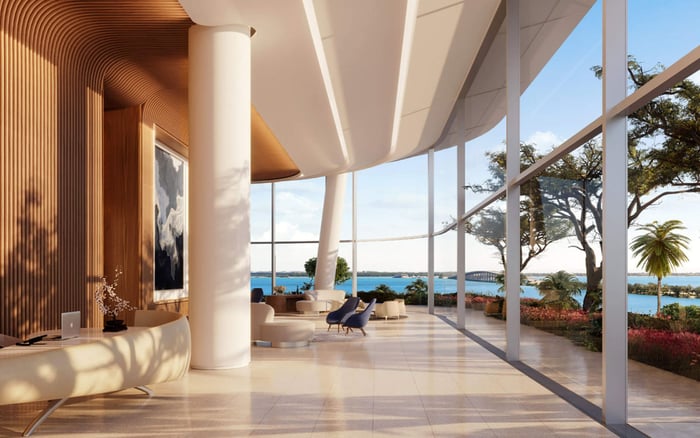
A buyer-focused guide to evaluating wellness programming at Una Residences Brickell through privacy, service quality, operating discipline, and long-term resale relevance.
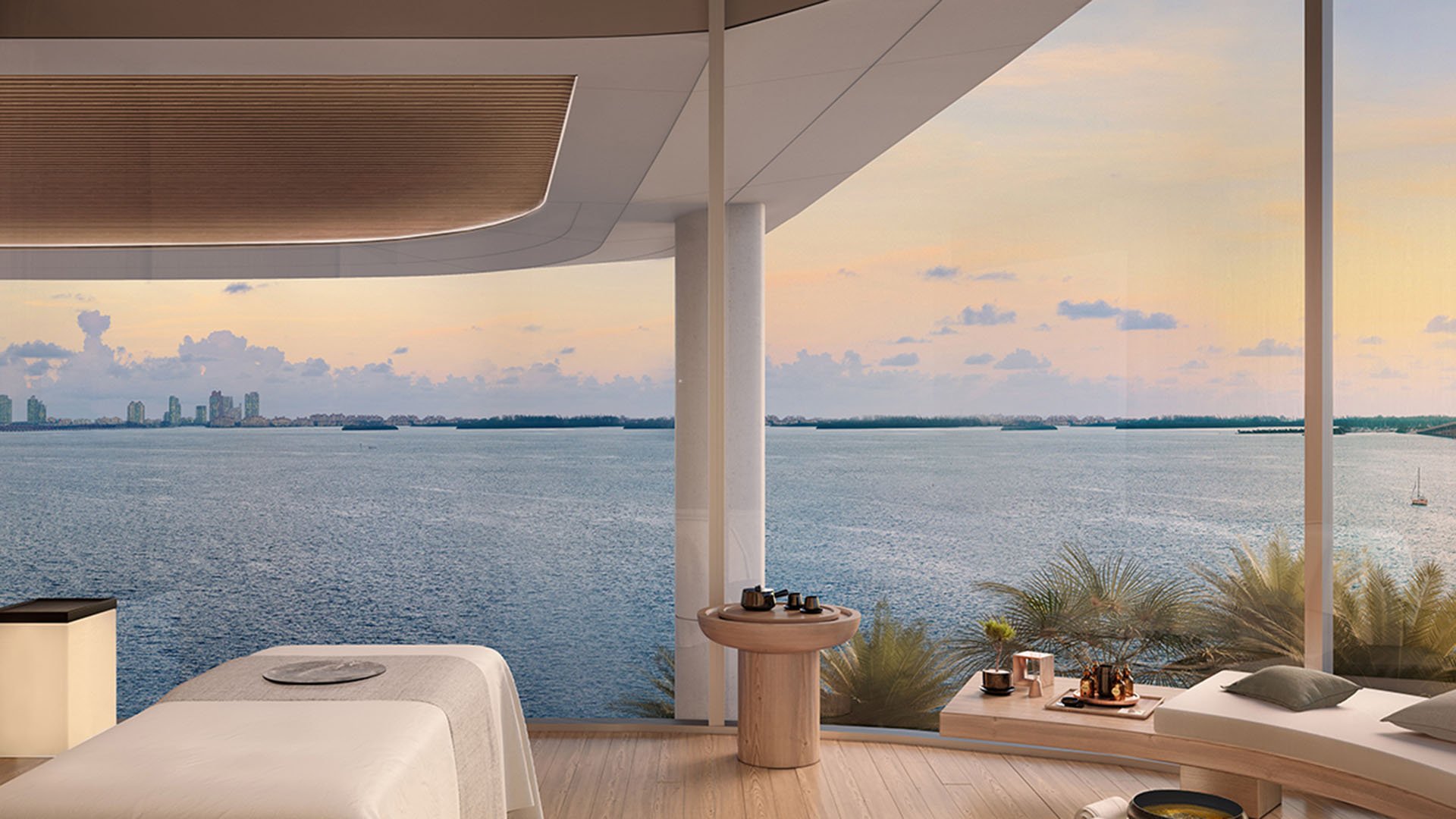
At Una Residences Brickell, wellness programming deserves the same scrutiny a buyer would apply to views, floor-plan efficiency, service culture, and building governance. In the ultra-premium segment, wellness is no longer a decorative add-on. It is part of the daily residential experience, and therefore part of the value conversation.
The more sophisticated question is not whether a building promotes wellness. It is whether the wellness environment protects privacy, delivers consistent service, and remains compelling to the next buyer. That distinction matters in Brickell, where luxury buyers often weigh waterfront scale, architectural identity, lifestyle convenience, and long-term ownership quality.
For Una Residences Brickell, every property-specific point, including wellness amenities, services, pricing, floor plans, and availability, should be verified against current project materials before becoming part of a purchase thesis. The framework below is designed to help buyers evaluate wellness through privacy, service, and resale discipline.
Wellness spaces are often photographed as calm, curated, and serene. In practice, they are shared environments. A gym, spa, treatment room, relaxation area, or pool can either support a discreet residential lifestyle or create exposure that feels inconsistent with luxury ownership.
Privacy begins with physical circulation. A buyer should ask how residents arrive at wellness areas, whether movement through the building feels controlled, and whether shared amenity zones are separated from higher-traffic routes. In a tower where buyers may value anonymity, the journey to and from a wellness appointment can be as important as the room itself.
Visual privacy is the next layer. Consider sightlines from corridors, neighboring amenity areas, elevators, outdoor decks, and adjacent towers. A relaxation lounge visible from a busy passage may feel less private than its finishes suggest. A treatment area that depends on careful scheduling but lacks proper separation may create discomfort during peak use.
Acoustic privacy is equally important. Wellness programming often involves quiet, recovery, consultation, or personal routines. Buyers should consider whether conversations, music, fitness instruction, mechanical noise, or adjacent activity can travel into spaces intended for calm. True luxury is not only what one sees, but what one does not have to hear.
Digital privacy should also be part of the review. If wellness access, scheduling, resident profiles, health preferences, guest permissions, or app-based services are used, buyers should understand what information is collected, who can access it, and how resident data is handled. Unsupported claims about sophisticated systems or protections should not be accepted without direct confirmation.
A wellness amenity is a place. Wellness programming is an operating model. The difference is service.
For Una Residences Brickell, buyers should examine whether wellness is primarily self-directed access or a staffed, resident-facing experience. Both models can work, but they create different expectations. A self-access model depends on resident discipline, clear rules, and maintenance. A service model depends on staffing levels, training, appointment systems, and continuity over time.
The reservation process deserves attention. Can residents book easily? Are peak hours managed fairly? Are cancellations, guest access, and recurring appointments handled with discretion? The more exclusive the amenity, the more important the access protocol becomes. A beautiful wellness suite can feel diminished if residents cannot use it when they need it, or if rules are applied inconsistently.
Guest policy is another signal. Luxury buildings must balance hospitality with control. Buyers should ask who may use wellness spaces, under what conditions, and how the building protects resident priority. In a high-service condominium, guest access should feel generous but not porous.
Maintenance is where wellness promises either hold or fade. Steam, water, fitness, treatment, and relaxation environments can require disciplined upkeep. Surfaces, ventilation, equipment, linens, scheduling systems, and staffing all affect perceived quality. In investment terms, a wellness program that is expensive to maintain but inconsistently operated can become a liability rather than an advantage.
Wellness language changes quickly. Ownership value is more durable when amenities are useful, well-funded, and differentiated in ways future Brickell buyers will still understand.
That is why buyers should be careful about assuming wellness automatically increases value. The market may reward buildings that offer privacy, serenity, and daily convenience, but only when those features are supported by credible operations. A wellness suite without staffing clarity, maintenance discipline, or privacy controls may not command the same confidence from future purchasers.
The strongest resale argument is built on durability. Will the spaces feel relevant in five or ten years? Are they flexible enough to adapt to changing resident preferences? Are they designed around core luxury behaviors, such as fitness, recovery, quiet, hospitality, and discretion, rather than around a narrow trend?
Differentiation also matters. In Brickell, many luxury buildings compete on amenities, views, finishes, and lifestyle. Wellness programming must be understood in relation to the broader ownership package. It should complement architecture, residence quality, arrival experience, service, and governance. It should not be treated as a standalone reason to buy.
A polished amenity presentation is not enough. Buyers should review condominium documents, operating budgets, reserve planning, maintenance obligations, and the cost structure supporting wellness areas. If a program requires specialized staffing, equipment replacement, intensive cleaning, or outside service agreements, those costs should be visible in the ownership analysis.
The key question is sustainability. Can the building preserve the level of wellness experience being marketed without creating pressure on fees or service quality? A buyer does not need every answer on the first visit, but should know which questions belong in diligence before attributing a premium to wellness programming.
This is especially relevant for new-construction buyers who may be evaluating renderings, launch materials, and projected service concepts. The transition from promise to lived experience depends on governance, management, staffing, and resident adoption. The more carefully those elements are planned, the stronger the case that wellness can support long-term desirability.
A serious tour should move beyond surfaces. Buyers should walk the wellness path as they would use it: arrival, elevator, access point, locker or changing area if applicable, treatment or fitness zone, relaxation space, outdoor transition, and return to the residence. The question is whether the sequence feels composed.
Ask how access is controlled. Ask when the spaces are busiest. Ask how staff handle conflicts, delays, guests, and maintenance interruptions. Ask what rules apply to photography, visitors, trainers, therapists, and children. The answers reveal whether the building has an operating culture or simply an amenity inventory.
For Una Residences Brickell, the most useful evaluation is not abstract. It is practical, private, and resident-centered. A wellness program is valuable when it protects daily life, reduces friction, and reinforces the sense that the building has been planned for owners who expect discretion.
Wellness can be a meaningful part of a luxury condominium decision, but it should be tested rather than assumed. At Una Residences Brickell, the essential framework is straightforward: privacy first, service second, resale third, with budgets and documents supporting all three.
For a Brickell buyer, wellness is most persuasive when it is quiet, usable, controlled, and financially sustainable. It should make ownership feel easier and more private, not more complicated. When evaluated through that lens, wellness becomes less about marketing language and more about the quality of the residential experience.
What should buyers evaluate first in a wellness program? Start with privacy, including physical access, visual exposure, acoustic separation, and any digital systems tied to scheduling or resident information.
Does wellness programming automatically improve resale value? No. It is more likely to support value when it is well-operated, well-maintained, private, and relevant to future luxury buyers.
Why is service quality important for wellness amenities? Service determines whether wellness is simply access to a space or a consistent resident experience with staffing, reservations, and rules.
What documents should buyers review before assigning value to wellness? Review condominium documents, budgets, reserve planning, amenity operating costs, and any service or maintenance obligations.
How should a buyer think about guest access? Guest access should be hospitable but controlled, with resident priority protected and rules applied consistently.
What is acoustic privacy in a wellness setting? It is the ability to use calm or treatment-oriented spaces without disruption from conversations, music, equipment, or adjacent activity.
Why does maintenance matter so much? Wellness areas often involve equipment, moisture, staffing, and frequent use, all of which require disciplined upkeep to preserve quality.
Should wellness be the main reason to buy? It should be part of a broader due-diligence process, alongside residence quality, service, governance, location, and long-term costs.
What makes wellness durable for future buyers? Durable wellness is practical, private, flexible, and grounded in daily resident needs rather than short-lived trends.
What is the best way to shortlist comparable options for touring? Start with location fit, delivery status, and daily lifestyle priorities, then compare stacks and elevations to validate views and privacy.
For a tailored shortlist and next-step guidance, connect with MILLION.
If branded residences are on your mind — as a home or as an allocation — we would be glad to share what we are seeing, privately.
Begin a quiet conversation
.jpg&width=700&height=438&fit=cover)