A discreet buyer’s guide to the Miami residence formats that prioritize private outdoor space, useful terrace proportions, privacy, and daily livability over an expanding menu of shared lounges.
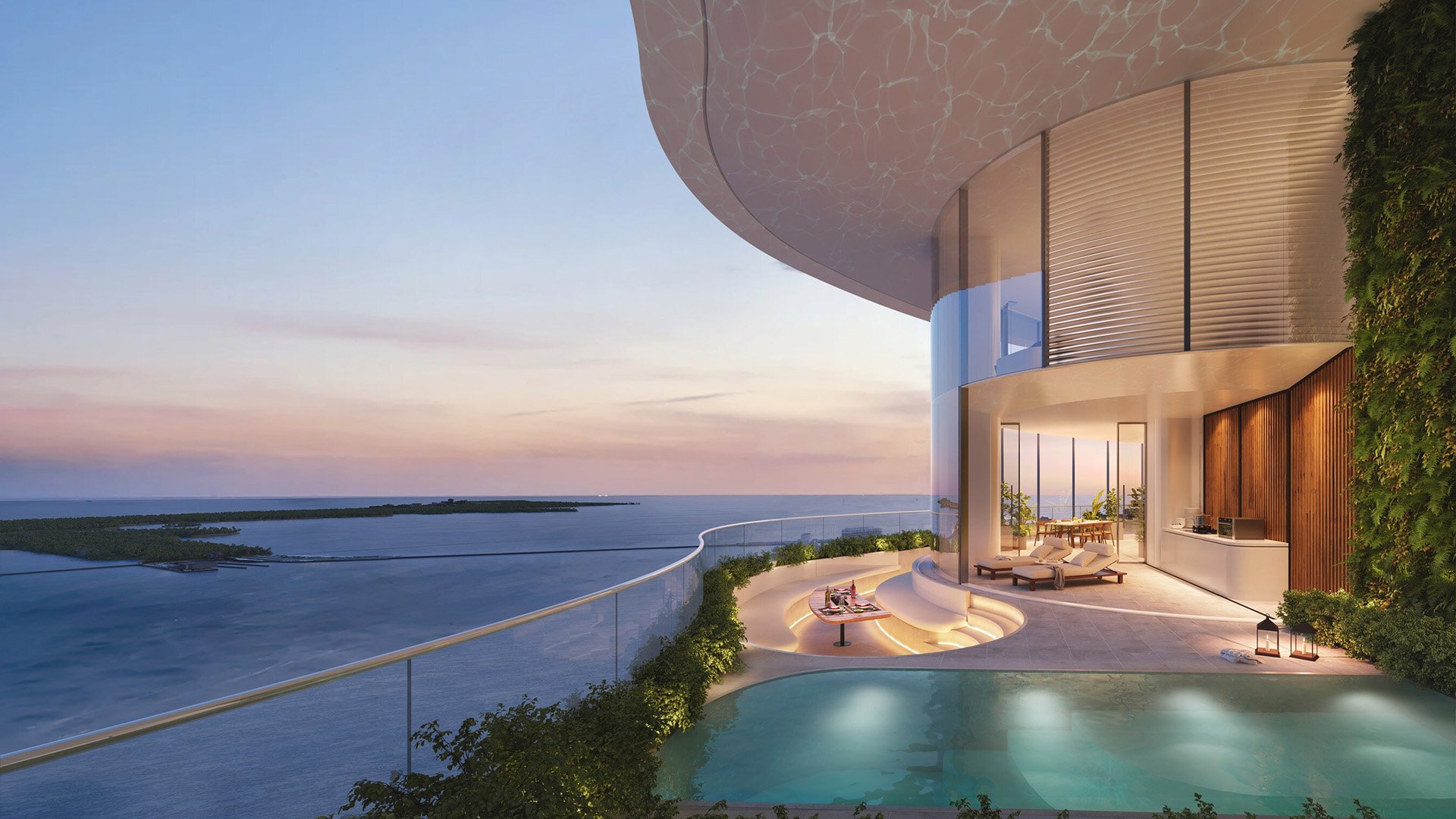
For a certain Miami buyer, the most persuasive luxury is not another residents’ lounge. It is a private outdoor room large enough to use every day, calm enough to enjoy at night, and connected enough to the residence to feel like part of the floor plan rather than an afterthought.
That shift is subtle but meaningful. A lounge can be handsome, serviced, and photogenic, yet it remains shared space. A generous Terrace changes the way a home lives. It can accommodate breakfast before meetings, a quiet evening after dinner, a shaded reading chair, or a table where guests linger without entering the more private interior rooms.
In South Florida, this distinction matters because indoor-outdoor living is not decorative. It is part of the purchase logic. Buyers comparing Brickell, waterfront neighborhoods, and established coastal enclaves often find that two residences with similar interior polish can feel entirely different once the outdoor dimensions are understood. A narrow Balcony may frame a view. A larger terrace can host a life.
1. Full-floor residence - private perimeter
A full-floor format is often the most intuitive answer for buyers who want outdoor space to feel private, continuous, and architecturally meaningful. The appeal is not only scale. It is the way a full-floor home can separate entertaining, sleeping, and service zones while allowing the terrace to wrap around or connect multiple rooms.
For the buyer who entertains discreetly, this format reduces the need to rely on shared lounges. The residence itself becomes the setting, with exterior space serving as a natural extension of the living and dining areas.
2. Corner bayfront residence - view-driven outdoor living
A corner residence can be especially compelling when the terrace benefits from more than one exposure. Instead of a single straight outlook, the buyer may experience layered views, shifting light, and a stronger sense of openness from both the interior and exterior rooms.
This is the option for someone who wants Waterview moments without making the entire purchase about spectacle. The terrace should be judged by how it feels when seated, not only by how it photographs from the rail.
3. Penthouse residence - sky-level terrace rooms
A Penthouse with substantial outdoor space can offer the most dramatic expression of the terrace-first lifestyle. The key is restraint. The best layouts do not treat outdoor square footage as leftover roof area, but as a sequence of usable spaces with room for dining, lounging, and quiet separation.
Buyers should be careful not to confuse altitude with livability. A sky-level terrace is most valuable when it has logical access from the main rooms, enough depth for real furniture, and a sense of privacy that makes it useful beyond occasional entertaining.
4. Boutique low-rise residence - deeper outdoor proportions
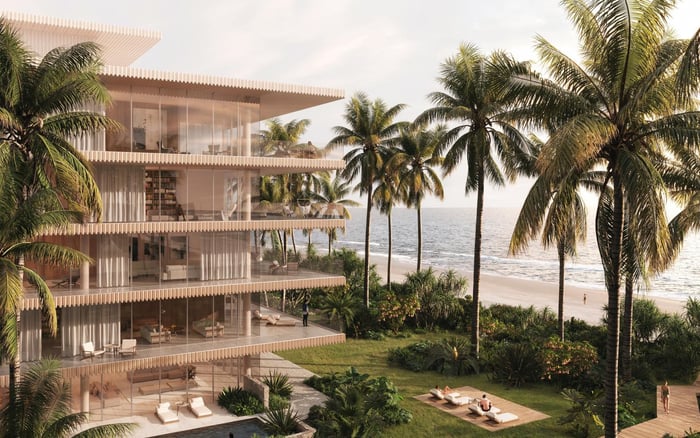
A boutique building can appeal to buyers who prefer fewer shared spaces and a more residential rhythm. In this context, the terrace becomes a substitute for the social infrastructure of a larger tower. The home does not need an abundance of lounges if the private outdoor area is well scaled and pleasant to use.
This format may suit buyers who value quiet arrivals, simpler circulation, and a closer relationship between interior rooms and exterior air. The terrace is less about display and more about daily cadence.
5. Garden-level or podium residence - outdoor living with immediacy
Not every terrace-led purchase needs to be high in the sky. A garden-level or podium residence can create a grounded form of outdoor living, especially when the terrace has enough privacy and separation from common circulation.
For some buyers, immediacy is the luxury. Stepping outside without waiting for an elevator, using the outdoor space throughout the day, and creating a more house-like rhythm can be more satisfying than accessing another shared Pool deck or club room.
The difference is not only square footage. A Balcony is often a place to stand, pause, and admire the view. A true terrace supports furniture, movement, shade planning, and separate uses. It should be deep enough for chairs that are not pressed against the glass, wide enough for circulation, and arranged so that doors, columns, and railings do not interrupt the main activity zone.
Buyers should also consider privacy. A large outdoor area loses much of its value if it feels exposed to neighboring units or common areas. The most desirable terraces feel protected without feeling enclosed. They offer openness, but not performance.
Access is equally important. A terrace reached only through a secondary bedroom may be beautiful yet underused. A terrace connected directly to the living room, kitchen, or primary suite can become part of the daily pattern. In Miami, the best outdoor rooms are not saved for special occasions. They are where morning coffee, evening calls, and informal dinners naturally happen.
The floor plan tells a more honest story than the rendering. Start with proportion. A long, shallow strip may look generous in total area but perform like a corridor. A more compact outdoor space with real depth can be far more useful.
Next, examine orientation. Morning light, afternoon exposure, prevailing breezes, and view corridors all affect the way the terrace will be used. A terrace that is too exposed at the wrong hour may become a place to admire rather than inhabit. Shade, overhangs, and the relationship to adjacent towers should be considered with the same seriousness as interior finishes.
Then look at privacy between rooms. If the terrace connects social and private spaces, it should do so elegantly. The best plans allow guests to enjoy outdoor areas without compromising the primary suite or family rooms. This is where a residence begins to feel custom rather than merely large.
Finally, compare the terrace to the amenity program. Lounges, cinemas, libraries, and club rooms can be attractive, but they should not distract from the private experience. For many high-end buyers, the daily value of a personal outdoor room will exceed the occasional value of a shared interior space.
Brickell buyers often seek height, energy, and skyline drama, but terrace livability should still be tested carefully. The most refined urban residence is not necessarily the one with the longest amenity menu. It is the one that gives the owner a private place to step outside without leaving home.
Along the water, the calculus becomes even sharper. Waterview residences can command attention from the first showing, yet the terrace must be more than a viewing platform. If it cannot hold a proper dining table or a pair of comfortable chairs with room to move, its practical value may be limited.
For buyers moving from single-family homes, the outdoor room may be the emotional bridge into condominium living. It preserves a sense of air, light, and autonomy. For second-home owners, it can define the entire stay, turning the residence into a private retreat rather than a key to shared amenities.
The most disciplined approach is to rank private outdoor space as part of the core residence, not as a bonus. When a terrace is planned well, it expands the home without adding interior square footage. It also gives luxury a quieter expression, one measured in privacy, proportion, and ease.
Is a larger Terrace always better than more indoor amenity space? Not always, but for buyers who use private outdoor areas daily, a well-planned terrace can be more valuable than another shared lounge.
What is the main difference between a Terrace and a Balcony? A Balcony may frame a view, while a true terrace has enough depth and proportion for furniture, circulation, and regular use.
Should Brickell buyers prioritize terraces? Brickell buyers who want urban energy with private retreat space should evaluate terrace depth, exposure, and privacy very carefully.
Is a Penthouse the best option for outdoor space? A Penthouse can be exceptional, but only when the outdoor areas are usable, accessible, and protected enough for daily living.
Does Waterview exposure make a terrace more valuable? Waterview exposure can add appeal, but comfort, shade, and privacy determine how often the terrace will actually be used.
Can a smaller building offer a better terrace experience? Yes. A boutique format may offer a quieter residential feeling and outdoor spaces that function as part of the home.
How should buyers judge terrace proportions? Look beyond total area and test whether the space can hold real furniture while still allowing comfortable movement.
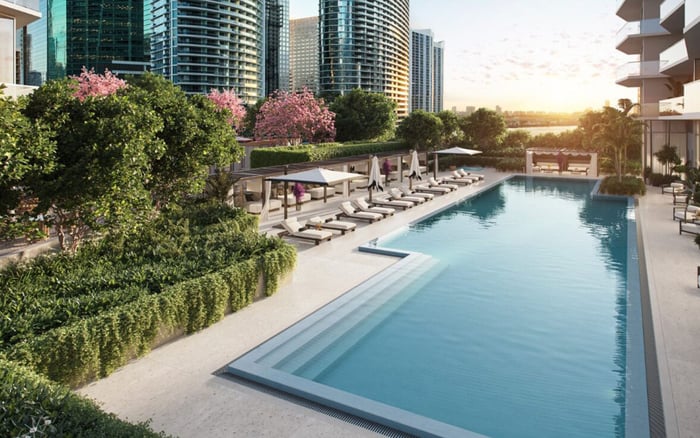
Does a private terrace replace a Pool deck? It does not replace every amenity, but it may reduce reliance on shared spaces for daily relaxation and entertaining.
Are terrace residences suited to second-home buyers? Yes. A private outdoor room can make short stays feel more complete, especially when it connects naturally to the main living spaces.
What should buyers avoid when comparing terraces? Avoid choosing only by view or rendering; focus on depth, access, shade, privacy, and how the space supports real routines.
For a tailored shortlist and next-step guidance, connect with MILLION.
If branded residences are on your mind — as a home or as an allocation — we would be glad to share what we are seeing, privately.
Begin a quiet conversation