A buyer-focused framework for comparing branded Miami Beach homes through the practical lenses of marina logistics, vessel fit, storm protocols, insurance, and ownership readiness.
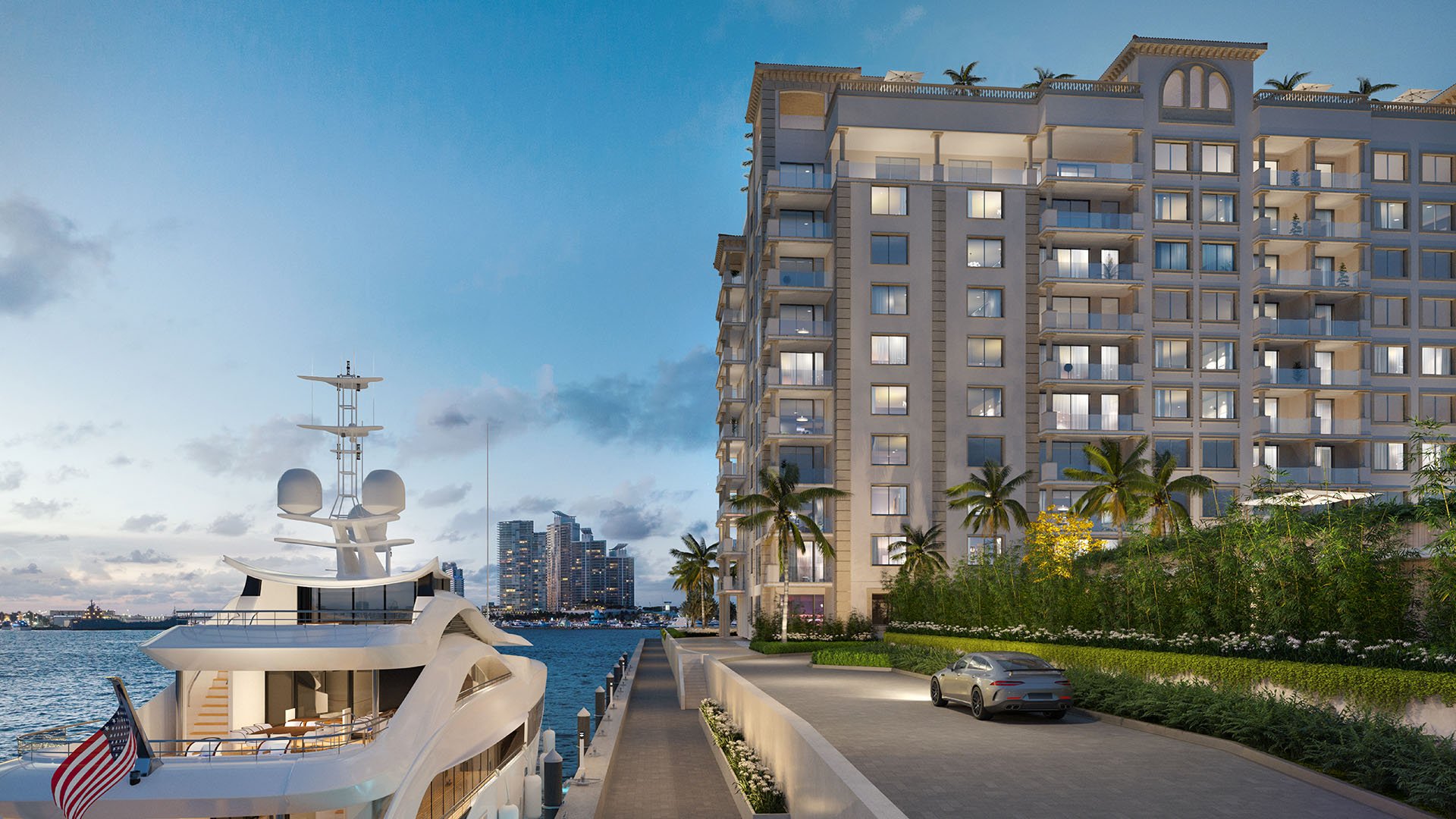
For a yacht owner, choosing among branded residences in Miami Beach requires a more exacting brief than selecting a beautiful waterfront home. The decisive questions center on how the residence, vessel, marina, household staff, and storm plan function together. A prestigious name can shape service and design, but it cannot replace careful review of marine access and emergency procedures.
The strongest candidate is not automatically the tower nearest open water. It is the property that best supports the owner’s boating pattern, whether that means frequent departures, occasional weekends aboard, or a professionally crewed yacht managed separately from the home.
A thoughtful search might include The Ritz-Carlton Residences® Miami Beach as one point of comparison, while the broader field should be measured against the same written checklist. The objective is not to rely on reputation alone, but to establish whether residential service and marine operations are genuinely compatible.
“Marina access” can describe markedly different arrangements. A buyer should distinguish among a marina associated with a property, a nearby third-party facility, and a slip governed by a separate agreement. Proximity, convenience, control, and legal rights are not interchangeable.
Begin with the vessel itself. Length, beam, draft, height, shore-power needs, tender storage, fueling preferences, and crew requirements should shape the residential search. Then examine the entire route from berth to destination, including any navigational constraints that could affect how and when the yacht moves. A short distance on a map may still prove operationally inconvenient.
Boat-slip diligence should be documentary. Buyers should determine whether a slip is deeded, assigned, leased, licensed, wait-listed, transferable, or subject to separate fees and rules. They should also confirm what happens to the arrangement upon resale, whether guest or charter activity is restricted, and which party controls maintenance and access.
A residence such as Setai Residences Miami Beach can be considered within a broader lifestyle comparison, but buyers should not infer berth rights from branding, waterfront positioning, or marketing language. Every assumption about marine use belongs in the diligence file.
Storm planning for yacht owners must address both residence and vessel. The plans are connected, yet they often involve different decision-makers, timelines, insurance requirements, contractors, and destinations. The owner’s task is to eliminate gaps between them.
For the residence, request the building’s current emergency materials and review how management communicates before, during, and after severe weather. Clarify protocols for shutters or glazing, terrace furnishings, elevators, generators, water intrusion, staffing, pets, deliveries, resident reentry, and extended power interruptions. Qualified advisers should review the governing documents, inspection materials, insurance information, and any relevant engineering records.
For the yacht, establish who has authority to move it, where it can go, what conditions trigger relocation, and how the plan changes if the regular captain or preferred yard is unavailable. Written contacts, backup vendors, duplicate keys, current inventories, and an agreed communication hierarchy can be as important as the primary berth.
The plan must also account for simultaneous demands. A household manager may be securing the residence while a captain moves the vessel. Owners should decide in advance who will handle family travel, vehicles, valuables, documents, and post-event inspections. A refined plan is concise enough to follow under pressure and detailed enough to assign responsibility.
The appeal of a branded home often rests on consistency, discretion, hospitality, and the promise of a well-managed arrival. Yacht owners should test that promise against practical scenarios: late returns from the water, luggage and provisioning, crew access, marine contractors, temporary storage, car coordination, and emergency communication.
When considering Shore Club Private Collections Miami Beach, or any branded offering, determine which services are included, which require advance arrangement, and which fall outside residential management’s remit. A concierge may facilitate a request without assuming responsibility for the vessel. The distinction matters.
Service continuity deserves equal scrutiny. Determine how resident communications are handled when normal operations are disrupted and whether management maintains alternate channels. Owners who spend much of the year elsewhere should consider whether their local representative has sufficient authority to enter the residence, coordinate inspections, approve urgent work, and communicate with insurers.
A useful comparison separates confirmed facts from preferences. Give each candidate property distinct categories for the residence, marina relationship, route, vessel compatibility, service, storm procedures, insurance, carrying costs, and legal review. Keep supporting documents beside each conclusion rather than relying on conversations or impressions.
Within the Miami Beach field, The Perigon Miami Beach may belong in an architectural or lifestyle review, while its marine suitability must still be established independently. This approach prevents a compelling residence from answering questions that only a marina agreement, association document, insurer, captain, attorney, or marine specialist can resolve.
For a second-home buyer, the comparison should place particular weight on remote oversight. Consider who can inspect the unit after a weather event, how quickly issues can be documented, and whether approvals can be managed without the owner’s physical presence. The best choice is the one that remains manageable when the owner is away.
Before committing, rehearse three ordinary scenarios and one difficult one: an early departure, a late return, a service visit, and an approaching storm. Trace every handoff among residence staff, the household team, captain, marina, vendors, and advisers. Any unclear handoff becomes a diligence item.
The result should feel less like an amenities contest and more like a coherent ownership system. For readers accustomed to buyer’s guides, this is the essential distinction: luxury is not simply access to services, but confidence that the residence and yacht can be managed discreetly across changing conditions.
Does a waterfront residence automatically include a boat slip? No. Slip rights, availability, transferability, fees, and operating rules should be confirmed in writing.
What vessel information should a buyer provide first? Begin with length, beam, draft, height, power needs, tender requirements, and anticipated crew use.
Should marina proximity be measured only by distance? No. Buyers should evaluate the practical route, access conditions, operating constraints, and door-to-deck experience.
Can a residential concierge manage the yacht? Service scope varies. Confirm whether staff coordinate requests, provide direct services, or defer to outside marine professionals.
What should a building storm review cover? Examine communications, access, backup systems, terrace procedures, staffing, reentry, insurance, and relevant technical documents.
Who should control the vessel storm plan? Assign a primary decision-maker and backups, with written authority, contacts, triggers, destinations, and responsibilities.
Why review residence and yacht insurance together? A coordinated review can reveal differing requirements, exclusions, deductibles, documentation needs, and response procedures.
What matters most for an absentee owner? Reliable local representation, access authority, remote communications, inspection arrangements, and the ability to approve urgent work.
Is a branded residence always the best option for a yacht owner? Not necessarily. Brand service should be weighed alongside marine logistics, legal rights, carrying costs, and storm readiness.
When should marine and legal specialists become involved? Engage them before assumptions about slips, navigation, agreements, insurance, or emergency planning influence a purchase decision.
For a discreet conversation and a curated building-by-building shortlist, connect with MILLION.
If branded residences are on your mind — as a home or as an allocation — we would be glad to share what we are seeing, privately.
Begin a quiet conversation