A buyer-focused Fort Lauderdale guide to evaluating residences for serious wine storage, from climate-first cellar suites to penthouses with discreet entertaining support.
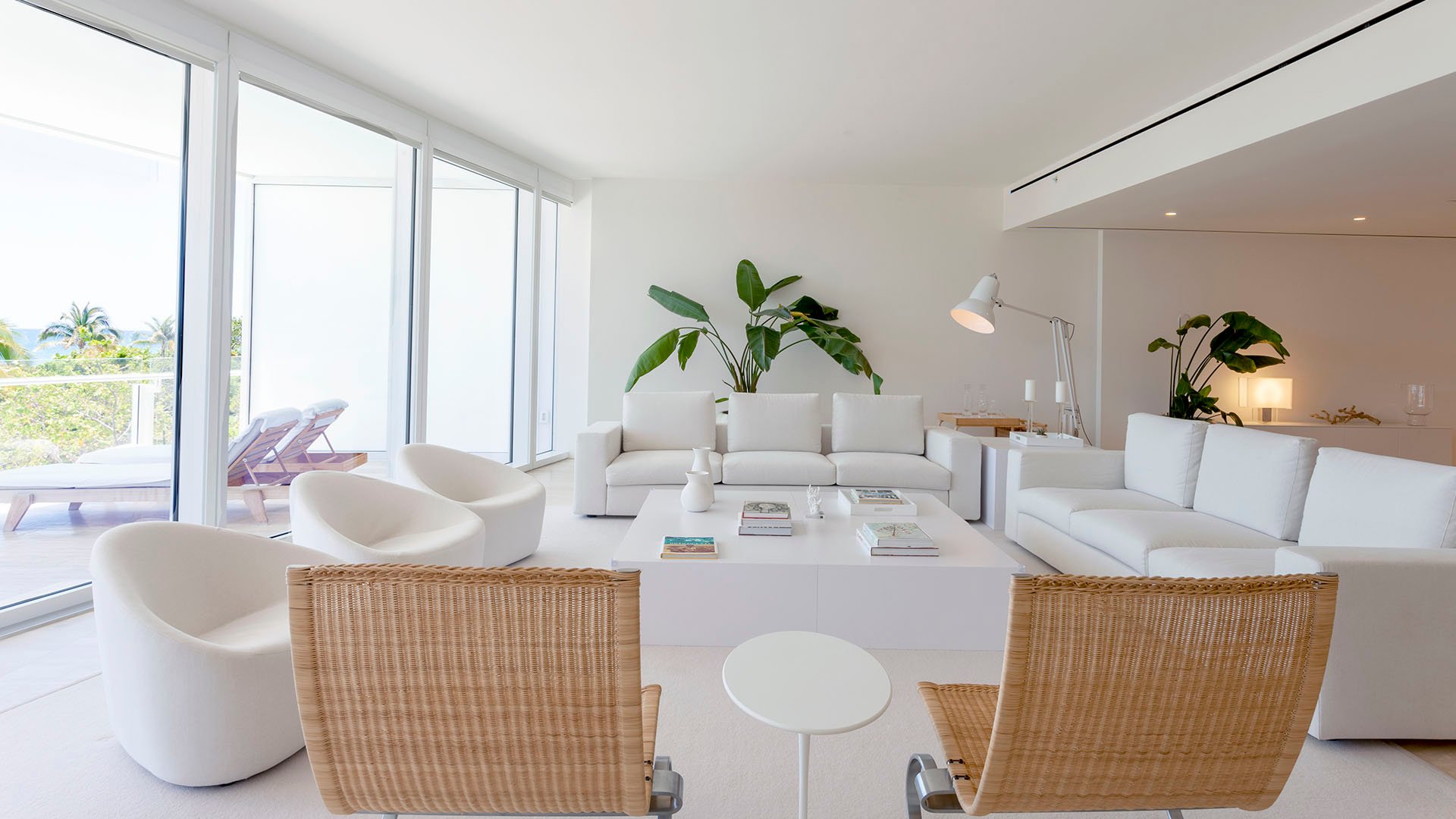
For a certain Fort Lauderdale buyer, a glass wine wall is not enough. It may photograph beautifully, set the mood at dinner, and signal a taste for entertaining, but it does not always answer the more important question: can the residence protect a meaningful collection with discretion, consistency, and room to grow?
That is the distinction between decorative storage and serious storage. Decorative storage is visible. Serious storage is controlled. It accounts for temperature stability, humidity strategy, vibration, light exposure, backup power, loading logistics, and the way bottles move from long-term storage to the table. The best residence is not necessarily the one with the most theatrical display. It is the one where wine can live quietly, safely, and conveniently.
In Fort Lauderdale, where the luxury buyer often balances waterfront living, entertaining, travel, and privacy, the wine conversation should begin before the first design meeting. The right residence profile can make a cellar feel integral rather than retrofitted.
1. Cellar-suite residence - climate control first
This is the strongest profile for a buyer who treats wine as both an asset and a pleasure. The priority is a dedicated room, or a room-capable area, that can be insulated, mechanically conditioned, and separated from the daily rhythm of the home.
A cellar-suite residence gives the owner greater control over bottle position, case storage, racking depth, and service access. It also allows the design team to make the wine room beautiful without allowing beauty to compromise performance.
2. Service-core residence - the discreet host’s choice
For buyers who entertain often, the most valuable wine storage may sit adjacent to the home’s service logic rather than its most visible room. A residence with a strong service core can support receiving, staging, chilling, decanting, and clearing without making the process feel public.
This type of plan is especially appealing when the owner wants formal dinners to appear effortless. The cellar is not a set piece. It is part of a larger hospitality sequence connecting storage, kitchen, bar, and dining.
3. Oversized-plan residence - depth over drama
Some buyers need flexibility more than spectacle. An oversized residence can accommodate a concealed wine room, a tasting alcove, or a secondary storage area without forcing the collection into the living room.
The advantage is future optionality. A buyer may begin with a modest controlled room and later expand racking, add case storage, or refine display zones. The residence should offer enough depth that wine storage does not compete with art walls, circulation, or seating.
4. Penthouse residence - privacy with entertaining scale
A penthouse can be compelling for the wine-focused buyer because it often prioritizes privacy, arrival, and entertaining volume. The important question is whether that scale includes appropriate back-of-house planning, or only dramatic social space.
Wine storage in this profile should be planned as part of the residence’s private infrastructure. The strongest approach separates the collector’s long-term storage from the bottles intended for immediate presentation at dinner or on a terrace.
5. Reimagined resale residence - custom control potential
A resale residence can be attractive when the buyer wants to shape the wine program rather than accept a predesigned feature. The appeal is not the presence of a display wall, but the possibility of creating a more disciplined storage environment during renovation.
This profile requires careful review. The buyer should look for appropriate space, mechanical feasibility, sound separation, and a layout that supports deliveries and service. When the bones are right, a redesigned wine room can feel more personal than a preinstalled amenity.
A wine wall is usually about visibility. A cellar is about stewardship. Serious buyers should begin by asking whether the planned or existing storage has a climate strategy, whether bottles are protected from direct light, and whether the room has enough depth for the way the collection is actually used.
Scale matters, but not only in bottle count. A well-planned wine space should distinguish among daily drinking, special-occasion bottles, and long-term holdings. It should also account for large formats, original cases, and the owner’s preference for display versus concealment.
Just as important is the path of service. If every bottle must cross the main living area before dinner, the residence may look impressive but function awkwardly. The better plan lets the host move from cellar to table without turning hospitality into choreography.
The Fort Lauderdale buyer should evaluate wine storage as part of the residence’s total lifestyle architecture. Waterfront views, resort-style amenities, and expansive entertaining rooms may define the emotional appeal, but mechanical and spatial details determine whether wine storage is truly serious.
In the private shorthand of a search, labels such as Fort Lauderdale, Broward, new construction, resale, penthouse, and terrace can help organize options, but they should never replace due diligence. A new residence may offer clean planning and modern systems. A resale residence may offer a stronger opportunity for customization. A penthouse may deliver privacy and volume, while a terrace-oriented plan may require stronger separation between indoor storage and outdoor entertaining.
The buyer’s team should ask direct questions: Where would the cellar be located? Can the room be conditioned independently? How are deliveries handled? Is there a practical path from elevator or garage to storage? Can the design accommodate both concealed preservation and a small display moment for entertaining?
A wine-focused tour should move more slowly than a standard luxury showing. Start with the proposed cellar location, not the view. Listen for vibration. Study the walls, ceiling height, and adjacency to heat-producing areas. Consider whether the residence offers a logical place for backup systems and whether the storage zone can remain stable when the rest of the home is open for entertaining.
Then consider daily ritual. Some collectors want a hidden archive and a separate serving cabinet near the dining room. Others prefer a tasting room that feels intimate rather than commercial. The strongest residence allows both preservation and pleasure, without confusing one for the other.
Finally, resist the temptation to over-display. In a sophisticated Fort Lauderdale home, restraint often reads as more luxurious than spectacle. A handful of beautifully lit bottles near the dining room can coexist with a serious, protected cellar elsewhere. The wall becomes theatre. The cellar remains the library.
Is a glass wine wall enough for a serious collection? Usually not by itself. A serious collection needs stable storage conditions, controlled exposure, and practical access beyond a visual display.
What should wine-focused buyers ask first during a tour? Ask where a climate-controlled cellar could function best. The answer should address space, service access, and mechanical feasibility.
Is a penthouse always better for wine storage? Not always. A penthouse may offer privacy and scale, but the storage area still needs proper planning and separation.
Can a resale residence be a strong wine-storage option? Yes, if the layout and systems can support a dedicated cellar during renovation. The opportunity is customization, not assumption.
Should wine storage be near the dining room? Serving bottles should be convenient to dining, but long-term storage may be better placed in a more protected area.
How important is service access? It is very important for active collectors and frequent hosts. Good access makes receiving, staging, and serving feel discreet.
Does terrace entertaining affect wine planning? Yes. Outdoor entertaining can increase the need for a separate indoor storage zone and a smaller service point near the terrace.
What is the biggest mistake buyers make? They confuse display with preservation. A beautiful wall can be useful, but it should not be the entire wine strategy.
Can wine storage be both hidden and beautiful? Absolutely. The most refined approach often combines a protected cellar with a restrained presentation moment for guests.
Who should review a wine room before purchase? Buyers should involve design, mechanical, and wine-storage specialists before relying on any existing installation.
When you're ready to tour or underwrite the options, connect with MILLION.
If branded residences are on your mind — as a home or as an allocation — we would be glad to share what we are seeing, privately.
Begin a quiet conversation