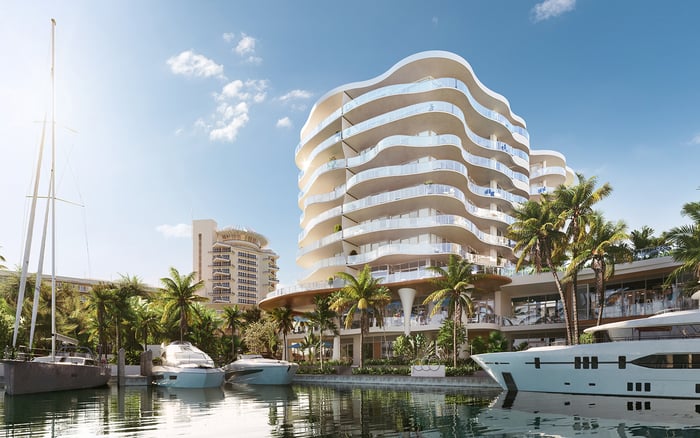
A discreet buyer guide to Fort Lauderdale residence types where marina logistics, dock planning, water access and daily ownership convenience shape the purchase decision.
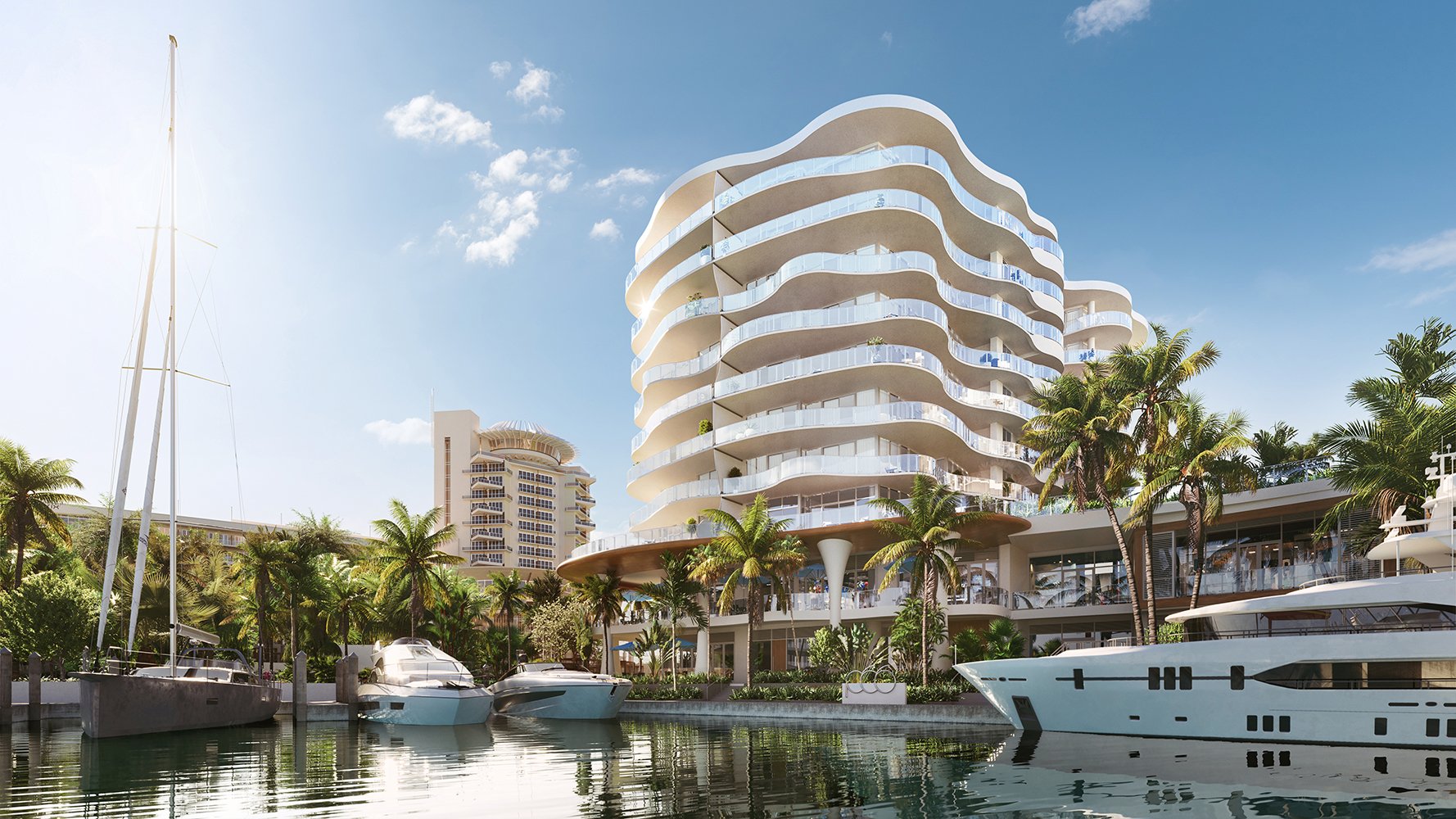
For the Fort Lauderdale buyer who owns, charters, or intends to keep a vessel close to home, waterfront real estate is not simply about a blue horizon. It is about movement. The difference between a beautiful residence and a truly functional marina-oriented address is often found in details that are easy to overlook during a first tour: how quickly one reaches the dock, how secure the boarding sequence feels, whether provisioning is convenient, and whether the building or home supports the rhythms of boating without friction.
This is why private marina logistics have become a decisive lens for high-end buyers in Broward. A water view may set the emotional tone, but the practical value lies in how the residence works before and after every departure. The strongest candidates are not always the most dramatic. They are the ones where access, privacy, maintenance, parking, storage, and household circulation operate as one quiet system.
For buyers refining a search brief, marina access, boat-slip usability, Broward waterfront location, and new-construction planning can all shape the conversation. Yet the real evaluation begins in person, with the vessel, the household, and the owner’s preferred pace of life as the starting point.
1. Canal-front estate - private dock control
For many buyers, the most intuitive Fort Lauderdale marina residence is a canal-front single-family home with direct dock adjacency. The appeal is control: the owner can move between residence and vessel without shared corridors, valet coordination, or elevator timing. For families and long-stay owners, that direct connection can make boating feel integrated into daily life rather than scheduled around building protocol.
The key is not only the presence of a dock. Buyers should consider how the dock relates to outdoor living areas, service entries, garage access, and guest arrival. A strong layout allows boating activity to remain discreet while entertaining, household movement, and maintenance continue naturally.
2. Waterfront condominium - managed access with privacy
A waterfront condominium can appeal to buyers who want marina convenience without the full operational demands of a private estate. The best fit is a residence where access is simple, secure, and dignified, with a building culture that understands boating as part of ownership rather than an occasional amenity.
For this profile, the logistics extend beyond the dock. Elevator capacity, loading procedures, parking flow, package handling, and staff familiarity with marine routines all matter. A polished residence should make a day on the water feel effortless from the moment provisions arrive to the moment guests return.
3. Boutique waterside building - limited density, easier movement
Boutique scale can be especially compelling for buyers focused on calm, predictable logistics. Fewer residences may mean quieter common areas, simpler arrival patterns, and less competition for waterfront attention. In this category, discretion is the amenity.
The most attractive boutique options are those where the building’s personality aligns with the owner’s usage. Some buyers prefer a lock-and-leave residence with refined service, while others want a quieter home base for frequent boating. In either case, the building must support water access without making it feel exposed or overly communal.
4. Resort-style waterfront residence - hospitality around the marina day
For buyers who frequently host, a resort-style waterfront residence can make boating part of a broader hospitality experience. The value lies in what happens before and after the vessel is used: arrivals, poolside time, dining, spa routines, guest accommodations, and evening transitions back into the residence.
This format works best when the buyer prioritizes service and entertaining as much as dock access. The boating component should feel seamlessly connected to the property’s lifestyle offering, not isolated from it. A residence may be impressive on its own, but the marina logic is strongest when the entire day flows naturally.
5. New-construction waterfront residence - future-ready systems
New-construction buyers often seek cleaner infrastructure, contemporary layouts, and a more current understanding of how owners live with water. For private marina logistics, the advantage may be found in modern circulation, improved parking strategy, better storage planning, and more deliberate amenity programming.
The caution is that renderings do not replace operational clarity. Before committing, buyers should understand how waterfront access will function in everyday terms. The right residence should make ownership feel easier over time, especially as household needs, vessel usage, and guest patterns evolve.
Private marina logistics begin with access, but they do not end there. A buyer should think in sequences. How does one arrive from the airport or city? Where do guests park? How are coolers, luggage, fishing equipment, or water toys moved? Is there a protected route from residence to dock? Can staff, crew, or service providers operate without disrupting the household?
These questions are not cosmetic. They affect the way an owner experiences the property week after week. A residence may photograph beautifully, yet feel inefficient if the owner must navigate too many transitions between car, lobby, elevator, storage, dock, and vessel.
Fort Lauderdale’s appeal has always been tied to water, but private marina living is most successful when the residence reduces small points of resistance. Luxury is often the absence of unnecessary explanation. The best property lets the owner say yes to a morning departure without reorganizing the day around it.
A serious buyer should review dock permissions, association rules, insurance considerations, and any limitations that affect vessel size or use. The language around waterfront access can vary meaningfully from property to property, and the distinction between use, ownership, assignment, and availability is important.
It is also wise to evaluate the water approach at different times. Light, tide, traffic, wind exposure, and neighborhood rhythm can change the feel of a residence. For a buyer who expects frequent boating, the lived experience of departure and return may be as important as interior finishes.
The residence itself should also be tested against the household’s service patterns. Families may need storage and informal entries. Entertainers may need guest circulation that feels elegant from car to water. Seasonal owners may prioritize security, building staff, and simplified maintenance. Each profile leads to a different ideal property.
When comparing candidates, begin with the vessel and work backward. A buyer who owns a larger boat, entertains frequently, or travels with crew will require a different residence than someone who keeps a smaller day boat and values lock-and-leave simplicity. The home should fit the vessel’s reality, not the other way around.
Then consider privacy. Does the dock feel like part of the residence, or does it sit within a highly visible common setting? Is guest movement elegant? Are service needs separated from formal living spaces? In ultra-prime waterfront ownership, privacy is not only about gates and walls. It is about removing awkward intersections.
Finally, look at resilience. Waterfront buyers should think long term about maintenance, materials, building governance, and the ability of the property to remain graceful under regular use. A marina-oriented residence is not static. It is a working luxury environment, and its quality is revealed over time.
What makes a residence strong for private marina logistics? The strongest residences combine convenient dock access, privacy, storage, service flow, and simple movement between car, home, and vessel.
Is a private dock always better than a managed marina setting? Not always. A private dock offers control, while a managed setting may offer service, staffing, and easier lock-and-leave ownership.
Should buyers prioritize the view or the dock arrangement? For marina-focused buyers, the dock arrangement should be evaluated as carefully as the view because it affects daily usability.
Why does building governance matter for boating owners? Rules can shape access, storage, guests, service providers, and vessel use, so they directly influence the ownership experience.
Is new construction automatically better for waterfront buyers? New construction may offer modern systems and planning, but buyers still need clarity on how water access functions day to day.
How should a buyer evaluate a boat slip? The buyer should review practical fit, access rights, use restrictions, and how easily the slip connects to the residence.
Does Broward offer advantages for marina-oriented buyers? Broward has a strong waterfront identity, making logistics, privacy, and navigable access central to many luxury purchase decisions.
What role does privacy play in marina living? Privacy determines whether boating feels like an extension of the residence or a public performance within a shared setting.
Can a condominium work for serious boat owners? Yes, if the building supports secure access, service coordination, storage needs, and a culture that understands boating routines.
What is the first question a buyer should ask? Start with how the vessel will be used, then evaluate which residence type best supports that rhythm.
To compare the best-fit options with clarity, connect with MILLION.
If branded residences are on your mind — as a home or as an allocation — we would be glad to share what we are seeing, privately.
Begin a quiet conversation