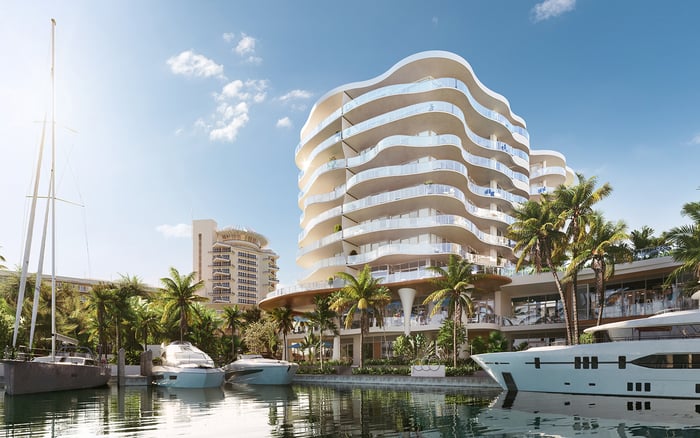
A buyer-focused guide to evaluating Intracoastal wake exposure, waterfront resilience, marina proximity, insurance questions, and day-to-day livability at a branded South Florida residence.
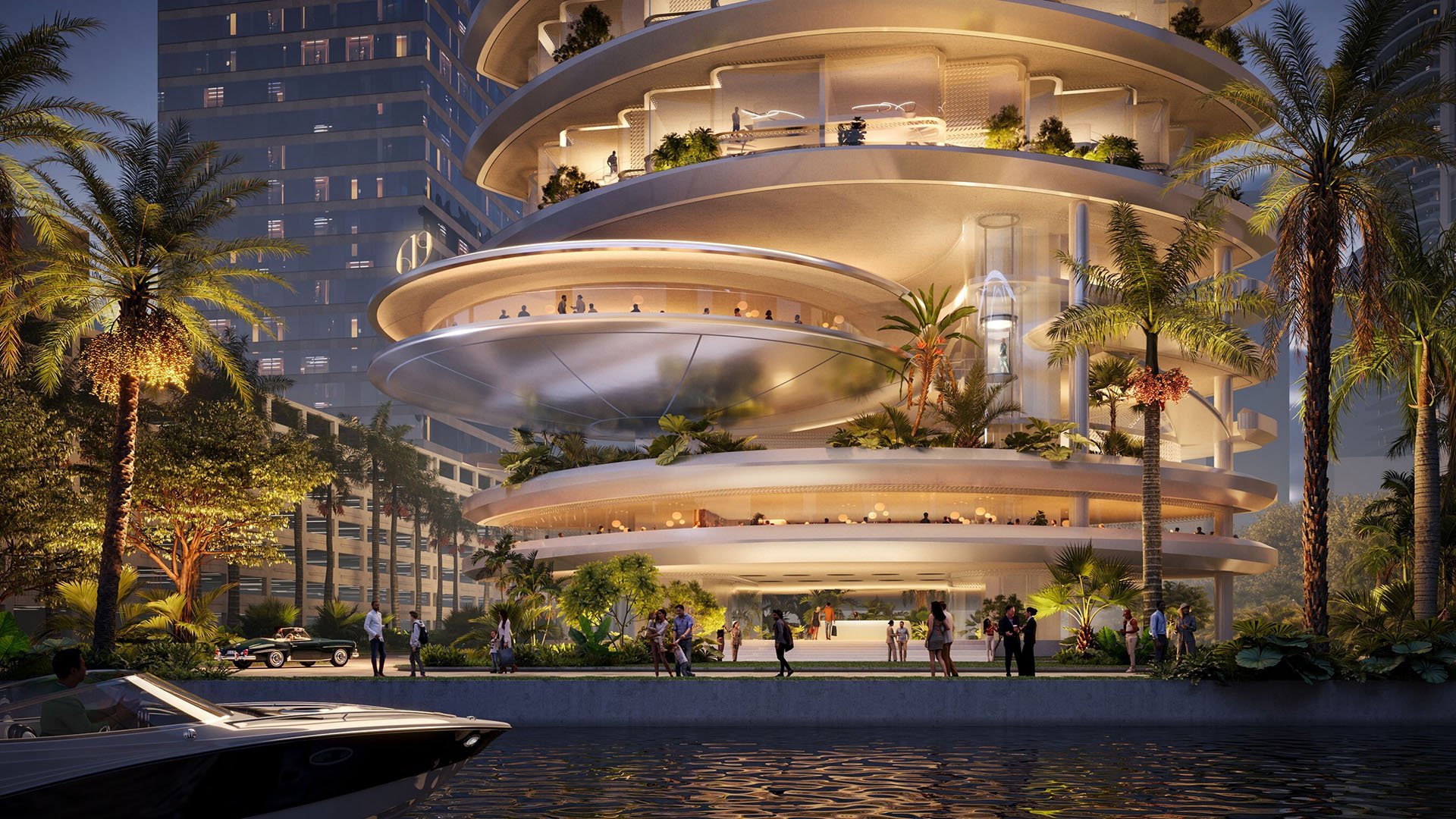
For a waterfront residence defined by architecture, hospitality, and views, the Intracoastal is more than scenery. It is a moving environment shaped by tides, vessel traffic, dock activity, seawall conditions, and the way water behaves at the edge of a site. For buyers considering 619 Residences by Foster + Partners + Nobu Hospitality, the right questions about wake exposure can be as important as questions about finishes, amenities, and service.
Wake is not simply a boating term. In a luxury condominium context, it can influence acoustic comfort, terrace usability, exterior maintenance, dock operations, insurance review, and the long-term perception of waterfront quality. The strongest ownership experience is not just a beautiful view. It is a view supported by thoughtful engineering, clear operating protocols, and transparent answers before contract decisions are made.
This is especially relevant across South Florida waterfront corridors, where buyers often weigh design pedigree, hospitality programming, and marine access with equal intensity. A refined residence can still require practical diligence. The more curated the lifestyle promise, the more carefully buyers should study the physical waterfront beneath it.
The first buyer question should be simple: what kind of waterway condition is the property actually exposed to? Intracoastal frontage can vary widely in daily experience. Some sites face slower traffic and broader water views. Others sit near bends, cross traffic, bridges, marinas, no-wake transitions, or channels where boats accelerate and decelerate.
A serious review should examine how frequently larger vessels pass, whether weekend activity differs materially from weekdays, and whether seasonal boating patterns change the character of the waterfront. Buyers should also ask whether the residence is exposed to direct wake impact, reflected wake from the opposite edge, or more diffuse water movement.
If the property includes or neighbors marine facilities, the analysis should widen. A marina setting can be glamorous, convenient, and highly valuable, but it also introduces activity that may not be visible in sales materials. Docking maneuvers, fueling patterns, service vessels, charter traffic, and nighttime operations can all shape the waterfront experience.
The seawall or bulkhead is the quiet infrastructure behind waterfront luxury. Buyers do not need to become engineers, but they should ask for clarity on age, design intent, inspection history, maintenance responsibility, and how the edge condition manages wake energy.
Important questions include: Has the waterfront edge been evaluated for present and projected vessel activity? Are there wave attenuation features, fendering systems, or design details intended to reduce reflected energy? How are drainage, stormwater, and terrace runoff handled near the waterline? If repairs are required in the future, who pays, and how are costs allocated?
For condominium buyers, the answer may sit inside association documents, maintenance budgets, engineering summaries, or disclosures. The goal is not to eliminate every waterfront variable. That is impossible. The goal is to determine whether the building’s governance and budget treat water as an active condition rather than a passive backdrop.
A residence can look serene in still photography yet feel different when boats are moving through the corridor. Buyers should evaluate wake exposure from the places they expect to use most: terraces, living rooms, primary suites, amenity decks, pool areas, and any waterfront dining or lounge spaces.
Ask whether glazing specifications, railing systems, terrace drainage, and exterior materials have been selected with the waterfront environment in mind. Salt air, vibration, spray, and wind-driven moisture can affect finishes differently depending on elevation and orientation. A water view can be extraordinary, but the best ownership experience pairs the view with practical comfort.
Sound also matters. Vessel engines, music, docking signals, and weekend congestion can change the mood of a waterfront residence. Buyers should visit at multiple times where possible, including a weekend afternoon, an early evening, and a weekday morning. The most polished presentation may occur at a quiet hour. The best due diligence captures the full rhythm.
If a boat slip is part of the conversation, buyers should separate lifestyle appeal from operating reality. A slip may add convenience and scarcity value, but it also brings questions about size limits, draft, beam, lift systems, shore power, insurance, guest use, association rules, transferability, and waitlist protocols.
Wake exposure affects dock comfort and vessel protection. Buyers should ask how slips are shielded, whether any wake attenuation exists, and what rules apply to fenders, lines, lifts, and storm preparation. If the residence does not include slips but sits near them, the question shifts toward neighboring activity. How does adjacent marine use affect noise, privacy, lighting, and traffic along the water?
For ultra-premium buyers, the finest answer is not always the most elaborate dock program. It is the clearest alignment between personal use, association rules, waterfront design, and long-term carrying costs.
Wake exposure can be part of a broader insurance and maintenance conversation. Buyers should ask how the association approaches waterfront infrastructure, exterior envelope care, flood-related planning, and reserve assumptions. The issue is not merely whether insurance is available, but how deductibles, exclusions, inspections, and future premium changes may affect ownership economics.
The same scrutiny applies to warranties and maintenance obligations. Who is responsible for exterior railings, terrace doors, glazing systems, docks, seawalls, and amenity-level waterfront improvements? How often are inspections performed? Are marine contractors already engaged? Are budgets built around a calm-water assumption or a realistic waterfront environment?
A new-construction purchase often focuses on design pedigree and delivery milestones. Yet early buyers should also ask how post-completion operations will be managed once the building meets real weather, real vessels, and real association budgeting.
Fort Lauderdale and broader Broward buyers often understand that water access is both an amenity and a technical condition. The strongest waterfront acquisitions are made by those who look beyond the postcard and evaluate exposure, governance, maintenance, and marine behavior with the same care they apply to floor plan and service.
For search clarity, this topic often sits at the intersection of Fort Lauderdale, Broward, marina, boat-slip, water-view, and new-construction considerations. In practice, those labels translate into a single question: will the residence live as beautifully as it presents?
The buyer’s advisory team should be prepared to review condominium documents, association budgets, waterfront engineering notes, insurance materials, and any marine-use rules. A real estate attorney, insurance advisor, marine consultant, and contractor with waterfront experience may each see a different risk. Together, they help translate a seductive setting into an informed ownership decision.
A private showing should not be limited to interiors. Buyers should ask to spend time on the waterfront edge, the amenity decks, the terraces, and any spaces closest to marine activity. If possible, they should observe the site during active boating periods.
Questions should be direct but discreet. What protections are planned or in place for the seawall? How is dock activity governed? What marine traffic is typical? Are there no-wake zones nearby, and how are they observed in practice? How does the association prepare for storms? What exterior maintenance items are expected to be recurring? How does the building address salt, spray, vibration, and drainage?
The answers need not be alarming. In many cases, they will simply clarify the nature of the asset. Waterfront property has always carried a premium because it is scarce, emotional, and difficult to replicate. The point is to understand the water as part of the architecture.
Why is Intracoastal wake exposure important for buyers? Wake exposure can influence comfort, maintenance, dock use, insurance review, and long-term ownership costs.
Should wake exposure affect the price a buyer is willing to pay? It can. If exposure creates higher maintenance needs or limits terrace and dock enjoyment, buyers may factor that into negotiations.
What should buyers ask about the seawall or bulkhead? Ask about condition, maintenance responsibility, inspection history, design intent, and how future repairs would be funded.
Can a luxury building still have meaningful wake concerns? Yes. Design pedigree and service quality do not eliminate the need to evaluate the waterfront edge and vessel activity.
Is a marina always a positive feature? A marina can add lifestyle value, but buyers should review traffic, noise, lighting, rules, and operating patterns.
How can buyers assess noise from boats? Visit at different times, especially weekend afternoons and early evenings, and listen from terraces and primary living spaces.
What documents may help evaluate waterfront risk? Condominium documents, budgets, insurance materials, engineering summaries, maintenance plans, and marine-use rules may all be useful.
Should insurance be reviewed before signing a contract? Yes. Buyers should understand coverage, deductibles, exclusions, and how waterfront infrastructure may affect association costs.
Does wake exposure matter if the buyer does not own a boat? Yes. It may still affect sound, privacy, exterior wear, amenity enjoyment, and resale perception.
Who should advise a buyer on these questions? A real estate attorney, insurance advisor, waterfront contractor, and marine specialist can help frame the practical risks.
If you'd like a private walkthrough and a curated shortlist, connect with MILLION.
If branded residences are on your mind — as a home or as an allocation — we would be glad to share what we are seeing, privately.
Begin a quiet conversation