A discreet buyer’s guide to evaluating whether a Fort Lauderdale waterfront residence can truly support the boating lifestyle it appears to promise.
In Fort Lauderdale, waterfront property is often framed through the language of lifestyle: morning departures, sunset returns, a vessel resting just beyond the garden wall. For sophisticated buyers, however, a private dock should be evaluated less as romance and more as infrastructure. The question is not simply whether a property has water behind it. The question is whether that water, that dock, and that route can serve the boat the owner actually intends to use.
This is where otherwise elegant purchases can become imprecise. A deep-water setting may feel self-evident during a showing, particularly when the tide is generous and the canal is calm. But docking practicality lives in the details: low-tide depth, bridge clearance, canal geometry, dock condition, seawall age, wake exposure, maintenance obligations, permitting limitations, and the daily choreography of entering and leaving the slip.
For buyers comparing single-family estates, boutique condominiums, and marina-oriented residences, Fort Lauderdale is not one uniform boating market. The right due diligence turns a beautiful view into a usable marine asset.
The most disciplined approach begins with the vessel, not the residence. Length, beam, draft, bridge height, maneuvering characteristics, shore-power needs, lift requirements, tender storage, and captain access all shape whether a dock is truly practical.
A buyer expecting to keep a shallow-draft day boat has a very different brief from one planning for a sportfish, a large center console, or a yacht with meaningful air draft. The dock must be measured against the intended boat under conservative conditions. If the future vessel has not yet been selected, buyers should underwrite for the more demanding scenario they may realistically pursue.
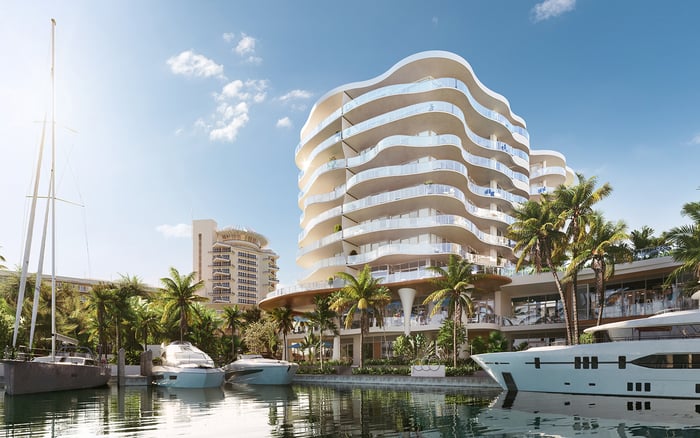
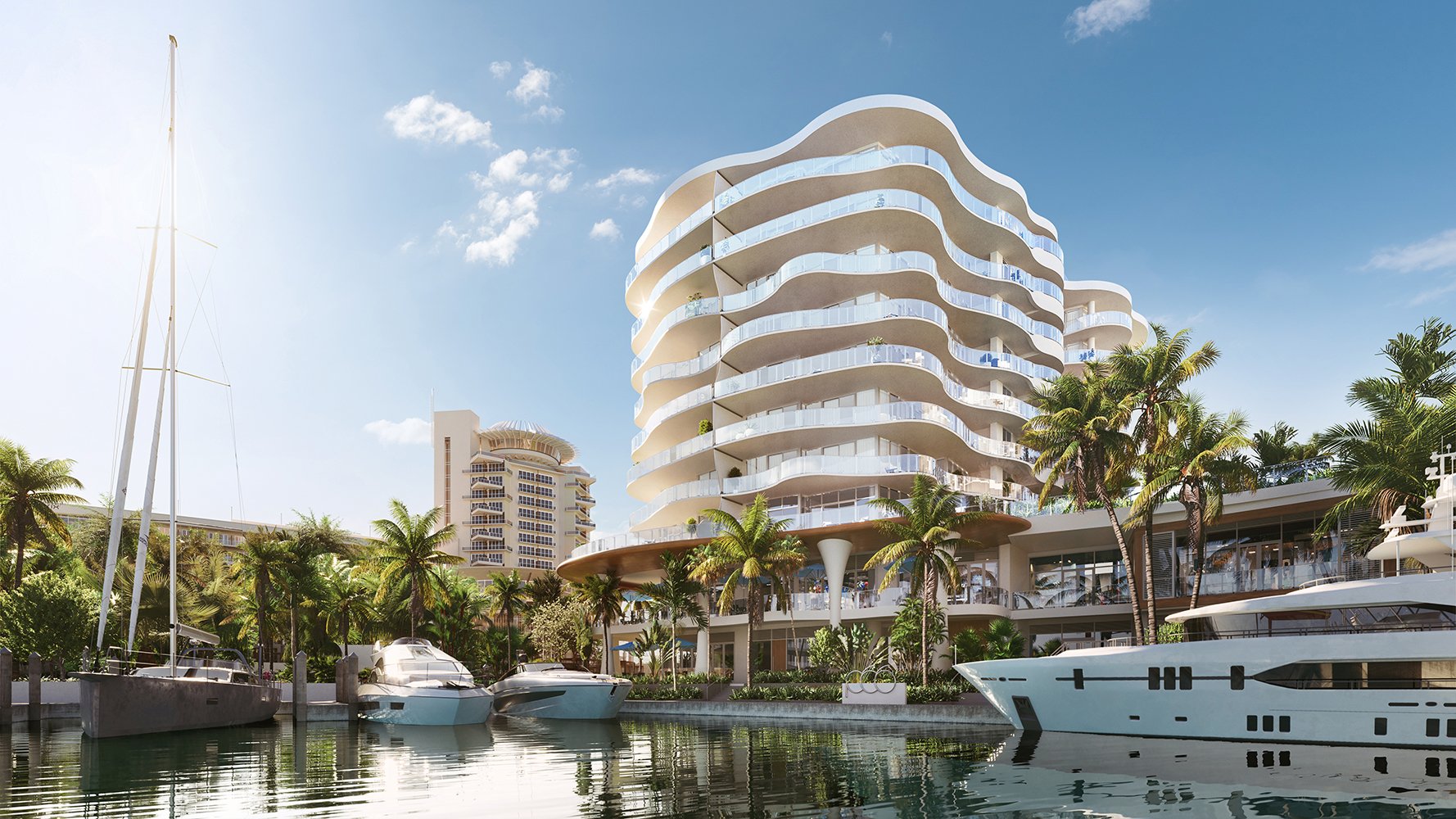
The same discipline applies to condominium and marina-adjacent living. Residences such as St. Regis® Residences Bahia Mar Fort Lauderdale speak to buyers who want proximity to the city’s boating culture, but the lifestyle still depends on berth availability, access procedures, storage rules, and the practical relationship between residence and vessel.
Depth is not a single number. A canal may have sufficient water near the centerline and less at the dock face. A slip may be comfortable at certain tides and marginal at others. Sedimentation, bottom contour, and piling placement can all affect usable depth.
Buyers should request a current low-tide depth assessment and, when appropriate, have the relevant berth or dock area sounded by a qualified marine professional. The objective is not merely to confirm that water is present. It is to understand the margin of safety beneath the keel in real operating conditions.
The phrase deep-water should be treated as a prompt for verification, not a conclusion. In a high-value acquisition, a few inches can matter, particularly when the boat is loaded, when wind presses the vessel against the dock, or when a captain needs full confidence on departure and return.
A perfect dock behind the residence has limited value if the route to open water is constrained. Buyers should evaluate every bridge, bend, narrow passage, current pattern, and shared canal segment between the property and the inlet or preferred cruising water.
Bridge clearance is especially important because it can define the practical height of the vessel. Canal width affects turning radius and docking comfort. Wake exposure can influence fendering, line management, guest comfort, and long-term wear. A property may feel serene at rest yet still present challenges during peak boating hours.
For buyers who prize a refined water view but do not require a private berth, properties such as Four Seasons Hotel & Private Residences Fort Lauderdale can fit a different version of the boating lifestyle, where concierge access, beach proximity, and nearby marine services may matter more than private dock ownership.
Luxury buyers often commission detailed inspections of roofs, mechanical systems, glazing, and finishes. The marine edge deserves the same rigor. The seawall, cap, tiebacks, pilings, dock decking, electrical service, water service, lighting, ladders, cleats, davits, and lifts should be reviewed as functional systems.
A dock can appear presentable while requiring significant work. A seawall can support daily use today while signaling future capital needs. Buyers should understand whether the existing configuration supports the intended vessel or whether modifications may be required.
This is where timing matters. If a closing assumes the future installation of a larger lift, extension, floating dock, or revised piling layout, that assumption should be tested before the contract becomes irreversible. The more ambitious the marine plan, the more important it is to understand approval pathways and neighboring constraints.
Waterfront improvements are not purely aesthetic choices. Dock expansion, lift installation, dredging, seawall work, mangrove impacts, and changes within or near waterways can involve approvals. Buyers should understand what exists legally, what has been maintained properly, and what may be possible in the future.
The right question is not simply, can this be done? It is, can this be done within the buyer’s timeline, budget, and tolerance for administrative complexity? Some buyers are comfortable inheriting a project. Others should pay a premium for a fully resolved marine condition.
In Broward, where waterfront land is deeply prized, the value of certainty can be substantial. A boat slip that is properly sized, accessible, and supported by the right infrastructure may carry more practical value than a more visually dramatic but operationally compromised dock.
Docking practicality is not only about the captain. It also affects how the residence lives. Is there safe guest boarding? Is the dock visible from primary living areas? Can provisions be loaded discreetly? Is there secure access for crew? Does the waterfront edge preserve privacy, or does the canal feel exposed?
For buyers who want riverfront atmosphere rather than private dock complexity, Riva Residenze Fort Lauderdale offers a useful contrast in lifestyle thinking: water-view living can be compelling even when ownership priorities center on residence, service, and setting rather than keeping a vessel immediately behind the home.
The same buyer may also compare beachside residences such as The Ritz-Carlton Residences® Fort Lauderdale, where the appeal may rest on hospitality, ocean proximity, and ease, rather than the obligations that come with private marine infrastructure.
South Florida waterfront ownership requires a sober view of wind, water, surge, and insurance. A buyer should ask how the vessel will be secured, where it may be moved, how lines and fenders are managed, whether dock hardware is suitable, and how the property has been prepared for severe weather.
This is also a financial question. Insurance, dock repairs, seawall maintenance, lift service, electrical upgrades, and post-storm recovery should be considered part of the carrying cost. A residence may be impeccably designed, but if the marine edge is fragile, ownership becomes less serene.
Buyers pursuing new construction should still ask marine questions early. New residential design does not automatically resolve water depth, bridge clearance, or dock usability. The best acquisitions align architecture, water access, and long-term operating comfort.
A serious waterfront buyer should consider a marine surveyor, seawall specialist, dock contractor, captain, insurance advisor, and real estate counsel familiar with waterfront issues. The goal is not to complicate the purchase. It is to remove avoidable uncertainty.
The most elegant outcome is a clean decision: the dock works, the route works, the approvals are understood, and the carrying costs are acceptable. If not, the buyer can renegotiate, reframe the boating plan, or walk away before the view overwhelms the facts.
Fort Lauderdale rewards this discipline. Its waterfront homes and residences can deliver one of the most refined boating lifestyles in South Florida, but only when the water behind the property is matched to the way the owner actually lives.
What is the first thing to evaluate with a Fort Lauderdale dock? Start with the intended vessel, including draft, beam, height, and handling needs, then measure the dock and route against that specific profile.
Is a deep-water description enough for a buyer to rely on? No. Treat it as a marketing phrase until usable depth is verified at the berth and under conservative tide conditions.
Why does bridge clearance matter so much? Bridge clearance can determine whether a vessel can comfortably reach open water without compromising equipment, safety, or timing.
Should the seawall be inspected separately from the home? Yes. The seawall, dock, pilings, lifts, and marine utilities should be reviewed as their own infrastructure system.
Can a buyer assume a dock can be expanded later? No. Future modifications may depend on approvals, site conditions, neighboring constraints, and environmental considerations.
What makes a canal practical for docking? Practicality depends on depth, width, turning room, wake exposure, current, visibility, and the ease of daily arrivals and departures.
Is a private dock always better than marina access? Not always. Some buyers prefer the simplicity, services, and flexibility that can come with a marina-oriented lifestyle.
How should storm risk factor into the purchase? Buyers should understand vessel-securement options, dock hardware, insurance, seawall condition, and post-storm recovery planning.
Should boating due diligence happen before or after contract? Ideally before key contingencies expire, so the buyer can make decisions with leverage and clarity.
What is the best way to shortlist comparable options for touring? Start with location fit, delivery status, and daily lifestyle priorities, then compare stacks and elevations to validate views and privacy.
For a confidential assessment and a building-by-building shortlist, connect with MILLION.
If branded residences are on your mind — as a home or as an allocation — we would be glad to share what we are seeing, privately.
Begin a quiet conversation