A discreet guide for Brickell buyers who want polished, hospitality-style residential service without the daily atmosphere of a public hotel environment.
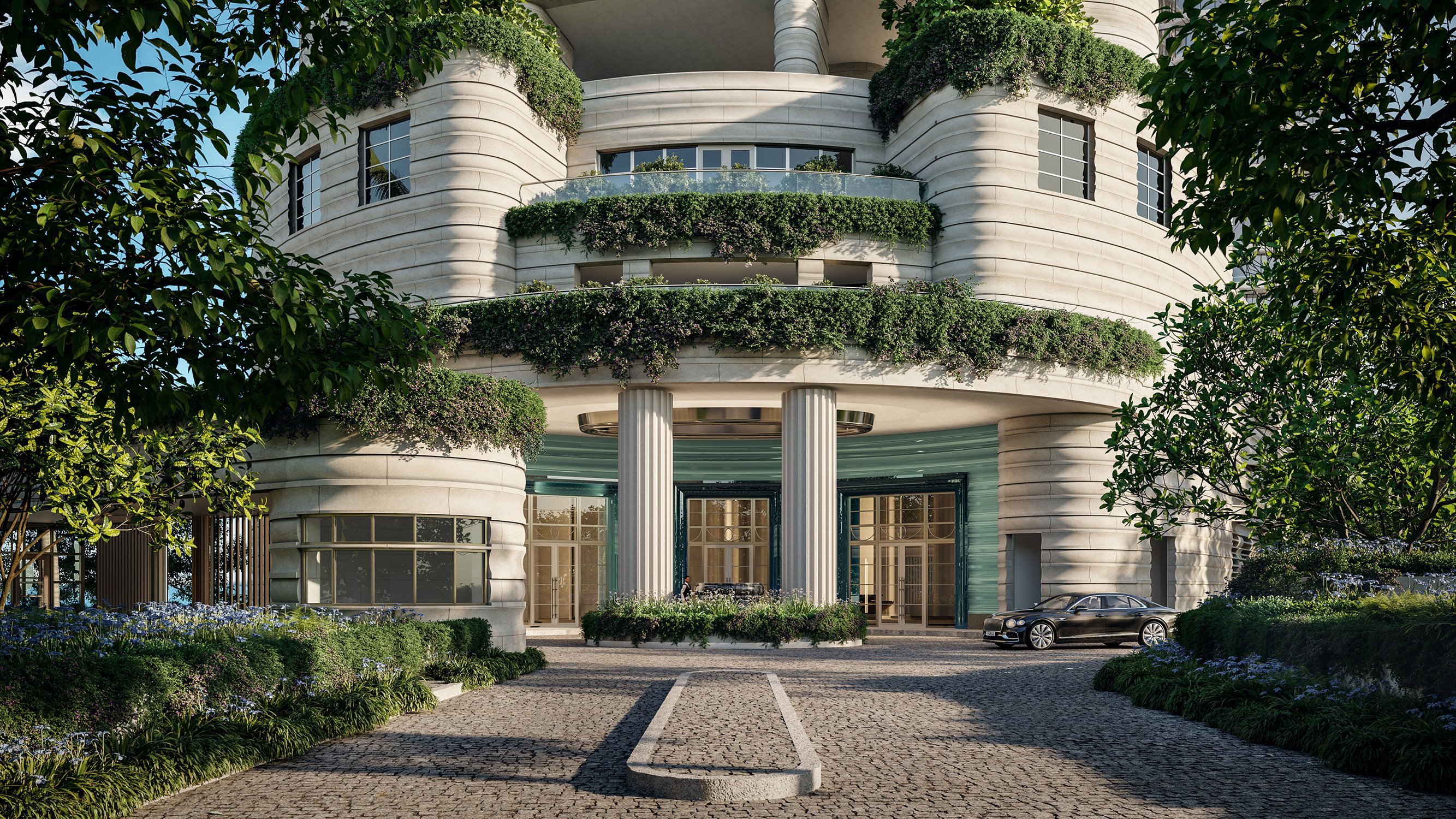
For a certain Brickell buyer, luxury is not defined by a crowded lobby, a branded cocktail menu, or the friction of sharing daily routines with short-stay visitors. It is defined by recognition without performance, access without congestion, and service that feels anticipatory without becoming theatrical. The objective is hospitality-level care inside a building that remains unmistakably residential.
That distinction matters. Many buyers value the polish of hotel-caliber service, yet do not want the churn that can accompany public hotel use. The ideal residence delivers the ease of arrival, attentive staffing, thoughtful amenities, and lock-and-leave confidence associated with five-star living, while preserving the privacy, rhythm, and discretion of a private home.
In Brickell, the smartest search begins with operating model rather than marble selection. A beautiful tower can still feel busy if the arrival sequence is porous. A quieter building can outperform a flashier one if its staffing, access control, and amenity culture are calibrated around residents first. For MILLION readers, the question is not simply where to buy. It is where daily life will feel composed.
1. Fully private branded condominium - highest privacy fit
This is the cleanest answer for buyers who want service standards associated with hospitality, without having the building function as a public hotel. The priority is a resident-only operating environment, with staffing, amenity access, and arrival protocols designed around owners and their invited guests.
The strongest examples in this category should be judged by how private the daily experience feels. Ask how guests are received, how deliveries are handled, how amenity reservations work, and whether staff are trained to support repeat residents rather than transient occupants.
2. Boutique service tower - quiet daily rhythm
A boutique building can be compelling for buyers who value recognition, calm, and a more intimate arrival experience. With fewer layers between the front door and the residence, the best buildings of this type can feel less anonymous and more personal.
The tradeoff is that buyers must examine staffing depth carefully. A smaller building should not mean thinner service. The right fit combines privacy with competence, ensuring that front desk, valet, maintenance, package, and amenity functions remain polished even during peak hours.
3. Amenity-rich residential tower - resort feeling, private audience
Some buyers want the full menu: wellness spaces, a refined pool environment, social rooms, business areas, and attentive building staff. The key is confirming that those amenities are programmed for residents, not used as a public-facing stage.
This category works best when the amenities feel abundant but not exposed. Buyers should look beyond renderings and focus on circulation: how residents move from car to lobby, from elevator to amenity floor, and from private residence to shared spaces without unnecessary crossover.
4. Waterfront-oriented residence - serenity within the skyline
For many Brickell buyers, a waterview is not merely aesthetic. It can create a sense of distance from the intensity of the urban core, making the residence feel calmer, more open, and better suited to private daily living.
In this category, service should reinforce that sense of serenity. The building should feel composed from arrival to elevator, with staff presence that is visible enough to be useful and restrained enough to preserve the privacy expected at this level.
5. Lock-and-leave pied-à-terre tower - effortless second-home living
The lock-and-leave buyer needs reliability above all else. This owner may be in Brickell intermittently, but expects the residence to feel ready, secure, and managed whenever they arrive.
For this profile, hospitality service is valuable because it removes friction. The best fit offers dependable reception, controlled access, careful package handling, and a service culture that understands discretion. It should feel easy to leave and effortless to return.
Hospitality service and hotel energy are not the same thing. Hospitality service is a standard: polished greetings, attentive staff, refined housekeeping coordination, seamless valet, and an instinct for small details. Hotel energy is a tempo: public arrivals, unfamiliar faces, event traffic, luggage movement, and a constant sense of turnover.
The Brickell buyer seeking privacy should distinguish between the two. A building can offer gracious service without behaving like a hotel. In fact, the most sophisticated residential environments often borrow the training discipline of hospitality while rejecting the publicness of hospitality operations.
That is why private circulation matters. So do elevator control, amenity policy, guest registration, parking structure, and the tone of the lobby. A lobby can be spectacular and still feel residential if it is not treated as a destination for outsiders. Conversely, a smaller lobby can feel exposed if access is loosely managed.
A polished sales presentation is useful, but the real test is the daily path. Arrive at different times if possible. Notice how the building handles cars, packages, guests, service personnel, and residents returning home. Watch whether staff are attentive without hovering. Listen to the sound level in the lobby and amenity spaces.
Buyers comparing pre-construction and new-construction opportunities should be especially disciplined about operations. Finishes are easier to visualize than service culture, yet service culture determines whether the property feels private after the first year of occupancy. Ask how the building expects to staff peak periods, how amenity rules will be enforced, and how resident-only spaces will remain resident-only in practice.
This is also where language helps. If your internal brief includes terms like Brickell, boutique, waterview, pool, pre-construction, and new-construction, organize them by lifestyle priority rather than marketing appeal. A buyer who ranks privacy first may make a different decision from one who ranks entertaining, wellness, or view orientation first.
The most compelling Brickell residence for this buyer is not necessarily the one with the loudest amenity deck or the most recognizable hospitality reference. It is the one where service disappears into the background of daily life. Doors open, cars arrive, guests are expected, packages are handled, and the resident never feels that the building belongs equally to the public.
That is the essence of quiet luxury in a vertical city setting. It is not anti-social. It is selective. The residence can still be elegant, staffed, and amenity-rich, but its center of gravity remains private. For the buyer who wants hospitality without hotel guests, that is the difference between a beautiful address and a genuinely livable one.
What should buyers prioritize first when seeking hospitality service without hotel guests? Prioritize the building’s operating model. A private residential structure matters more than a long amenity list.
Can a residence feel hotel-like without being a hotel? Yes. It can offer attentive service, valet, concierge-style support, and refined amenities while remaining resident-focused.
Is a branded residence always the right answer? Not always. The brand matters less than privacy controls, staffing quality, and how the building is operated day to day.
Why does lobby design matter so much? The lobby sets the building’s social temperature. A controlled, resident-oriented arrival helps preserve privacy.
Should buyers avoid amenity-heavy towers? No. Amenity-rich towers can work well if access, programming, and circulation are designed around residents.
What questions should be asked during a tour? Ask about guest access, amenity reservations, staffing levels, package handling, valet flow, and elevator control.
Are smaller buildings always more private? Not automatically. A smaller building can feel private, but only if it has sufficient service depth and clear access protocols.
How important is the elevator experience? Very important. Elevator control can strongly influence privacy, security, and the feeling of exclusivity.
What makes a building suitable for lock-and-leave ownership? Reliable access control, attentive staff, package management, and consistent maintenance support are essential.
What is the best overall mindset for this search? Evaluate the residence as a private service ecosystem, not simply as a collection of finishes and amenities.
For a tailored shortlist and next-step guidance, connect with MILLION.
If branded residences are on your mind — as a home or as an allocation — we would be glad to share what we are seeing, privately.
Begin a quiet conversation