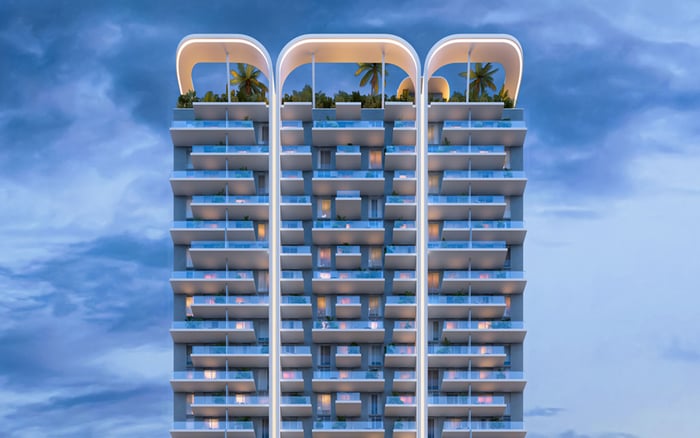
A discreet buyer’s guide to assessing pump-system reliability at House of Wellness Brickell, with practical questions for documents, redundancy, maintenance, acoustics, reserves and storm readiness.
In luxury real estate, wellness is often expressed through visible cues: light, air, water, privacy and calm. Yet at a refined urban address, the deeper measure of wellness is frequently concealed behind access panels, mechanical rooms and service contracts. For a buyer evaluating House of Wellness Brickell in 2026, pump-system reliability deserves the same level of scrutiny as finishes, views and amenity programming.
A pump failure can unsettle even the most curated lifestyle. Water pressure may fluctuate. Drainage may slow. Amenity operations may pause. Mechanical noise may travel into spaces designed for silence. None of these outcomes aligns with a premium residence, especially in Brickell, where vertical living depends on systems that perform consistently and discreetly.
This checklist is designed for discerning buyers, family offices and advisors who want to ask better questions before closing. It does not replace engineering review. It helps frame the conversation so beauty, wellness and operational resilience are considered together.
The first request is straightforward: identify every pump system that materially affects the residential experience. In a sophisticated building, the relevant inventory may include domestic water booster pumps, stormwater or sump pumps, sanitary ejector pumps, irrigation pumps, condensate pumps, amenity water systems and Pool or spa circulation equipment.
The goal is not to memorize mechanical terminology. It is to understand what depends on pumps, who maintains them and how quickly the building can respond when something is not performing properly. A buyer should ask for a clear schedule showing equipment type, location, service purpose, age, maintenance provider and replacement history where available.
For Brickell purchasers, this is especially important because a residence is not only a private home. It is part of an interdependent vertical environment. A high-floor Waterview home, a Terrace residence and a lower-floor home may experience mechanical risk differently, but all rely on building-wide discipline.
A premium pump can still fail. The more important question is what happens next. Redundancy is the quiet architecture of reliability. Buyers should ask whether critical pumps are supported by backup units, alternating lead-lag operation, alarms, monitoring and emergency response protocols.
The strongest answers are specific. If one pump is offline for service, can the system continue operating? Are alarms monitored in real time? Who receives the alert? Is there an after-hours contractor relationship? Are replacement parts readily accessible, or would the building depend on special ordering?
The conversation should also address power continuity. Pumps serving essential building functions should be evaluated in relation to generator support or other backup planning, where applicable. A buyer does not need to become an electrical engineer. The objective is to confirm that the building has planned beyond ordinary conditions.
Maintenance logs can reveal more than marketing language. Ask to see recent service records, inspection notes, repair tickets and any recurring issues. A well-managed building should be able to demonstrate a pattern of preventive care, not merely reactive repair.
Look for consistency. Are pumps serviced on a predictable schedule? Are unusual noises, vibration, overheating or pressure irregularities documented and resolved? Have seals, bearings, valves, controls or sensors required repeated attention? Repetition is not always a warning sign, but it deserves explanation.
Buyers considering Pre-construction or New-construction residences should ask different questions. Instead of historical service logs, request clarity on specifications, commissioning procedures, warranties, turnover documentation and long-term maintenance obligations. The handoff from developer to association is a critical moment for mechanical discipline.
Wellness is a daily experience, not a brochure category. Stable water pressure supports the ritual of bathing. Quiet mechanical operation protects sleep and privacy. Reliable drainage protects finishes and reduces interruption. Properly maintained amenity systems support the Pool, spa and landscape environments that often define a luxury address.
A buyer should listen for whether the building team connects mechanical performance to resident experience. The best operational cultures do not treat pumps as remote infrastructure. They understand that infrastructure is hospitality. A calm lobby, a functioning amenity deck and a quiet residence are all outcomes of unseen systems doing their work.
This is where discretion matters. A building may not disclose every internal detail broadly, but serious purchasers should expect organized answers through the appropriate diligence channels. If a question is met with vagueness, request a more technical response rather than accepting reassurance.
Pump reliability is not only about whether water moves. It is also about whether equipment can be heard, felt or serviced without disturbing residents. Ask where major pump rooms are located in relation to residences, amenity spaces, parking areas and service corridors.
Noise and vibration questions are particularly relevant for buyers who value serenity. Has vibration isolation been considered? Are pumps mounted and maintained to limit transmission? Are there any residential lines directly adjacent to mechanical areas? If the home includes a private outdoor Terrace, ask whether nearby equipment could affect the soundscape.
A private tour should include attentive listening. Visit at different times if possible. Ask whether any mechanical rooms are near the unit or directly below amenity areas. Luxury due diligence often turns on details that cannot be understood from a floor plan alone.
Pump systems require capital planning. A beautifully maintained building can become vulnerable if reserves are thin, contracts are informal or replacement cycles are deferred. Buyers should request association or ownership documents that clarify maintenance responsibilities, reserve planning and major mechanical expenditures.
The questions are practical. Is there a current service agreement? Are critical systems included in reserve studies or capital plans? Has the building budgeted for replacements before failure? Are contractors familiar with the property, or does each issue trigger a new search for help?
Governance matters because mechanical reliability is partly cultural. Buildings that plan carefully tend to communicate better, repair faster and protect value more consistently. In Brickell, where buyers compare residences through both design and operational sophistication, this discipline can influence long-term confidence.
South Florida buyers understand that water management is not an abstract topic. Without making assumptions about any single building, a prudent purchaser should ask how stormwater, sump and drainage systems are monitored, maintained and tested. The concern is not only dramatic weather. It is also everyday resilience during heavy rain, maintenance events or service disruptions.
Ask whether pumps tied to water management are tested periodically, whether alarms are documented and whether emergency procedures are current. If parking, storage, service corridors or amenity spaces depend on drainage performance, understand how those areas are protected and how residents are notified during an issue.
For a wellness-oriented home, resilience should feel seamless. The residence should not ask its owner to worry about the mechanics of comfort. The right diligence helps ensure that the calm promised by architecture is supported by systems capable of sustaining it.
Before contract deadlines, ask for a pump inventory, recent maintenance records, warranty information, service contracts and any reserve or capital planning materials related to mechanical systems. Request confirmation of monitoring, alarm escalation and emergency vendor coverage.
During tours, listen for pump noise, observe mechanical-room proximity, ask about vibration isolation and verify whether amenity systems have separate maintenance protocols. For Pool, spa, irrigation and water-feature systems, clarify who manages daily operations and what happens if equipment requires service during peak usage periods.
Before closing, have an appropriate consultant review the documents if the purchase size warrants it. A luxury residence is a lifestyle acquisition, but it is also a share in a complex operating environment. In 2026, the most sophisticated buyers will treat pump-system reliability as part of wellness itself.
Why does pump-system reliability matter in a luxury Brickell residence? It affects daily comfort, water pressure, drainage, amenity continuity and the quiet functioning of the building.
What documents should a buyer request first? Ask for a pump inventory, service records, warranty information, maintenance contracts and relevant reserve planning materials.
Is this only important for older buildings? No. Pre-construction and New-construction buyers should review specifications, commissioning, warranties and turnover procedures.
How can a buyer assess redundancy? Ask whether critical systems have backup pumps, alarm monitoring, lead-lag operation and after-hours response protocols.
Should Pool equipment be part of due diligence? Yes. Pool and spa systems support the amenity experience and should have clear maintenance and service procedures.
Can pump systems affect noise inside a residence? Yes. Equipment placement, vibration isolation and maintenance quality can influence acoustics and perceived serenity.
What should Terrace buyers ask specifically? Ask whether nearby equipment, vents or amenity systems could affect sound, air movement or service activity near the Terrace.
Do Waterview homes have different pump concerns? The view itself is separate, but all Waterview residences still depend on building-wide water pressure and drainage reliability.
Who should review technical materials? A qualified engineer, inspector or building-systems consultant can help interpret records and identify follow-up questions.
What is the simplest red flag? Vague answers, missing records or repeated unresolved service issues should prompt deeper review before a buyer proceeds.
To compare the best-fit options with clarity, connect with MILLION.
If branded residences are on your mind — as a home or as an allocation — we would be glad to share what we are seeing, privately.
Begin a quiet conversation.jpg&width=700&height=438&fit=cover)