A buyer-focused look at how amenity operating budgets shape the true carrying cost of a boutique South Florida residence, from staffing and insurance to reserves, service culture and long-term value.
In South Florida luxury real estate, the purchase price is only the opening line. For a discerning buyer, the more revealing question is what it costs to operate the lifestyle after closing. Amenity operating budgets sit at the center of that conversation, especially in boutique residential buildings where privacy, staffing, maintenance and design expectations can be unusually high relative to the number of homes sharing the expense.
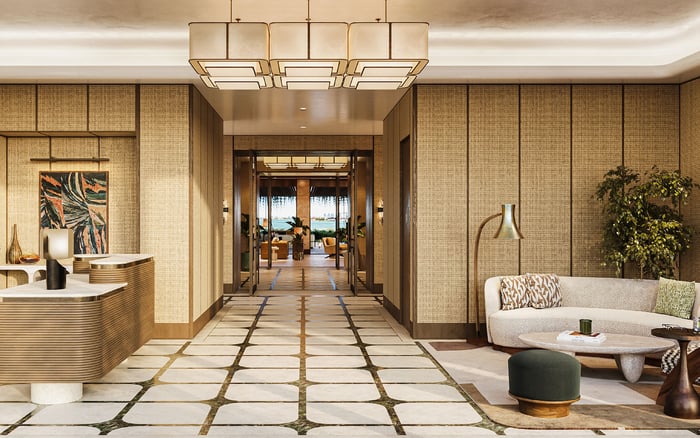
This is not simply a matter of monthly dues. It is a study in how a building lives. A serene lobby, a precisely staffed arrival sequence, a pool deck that feels composed at sunset, climate-controlled fitness spaces, private lounges, package rooms, valet operations, security, landscaping and water-facing amenities all require recurring investment. The better the experience, the more deliberate the budget usually needs to be.
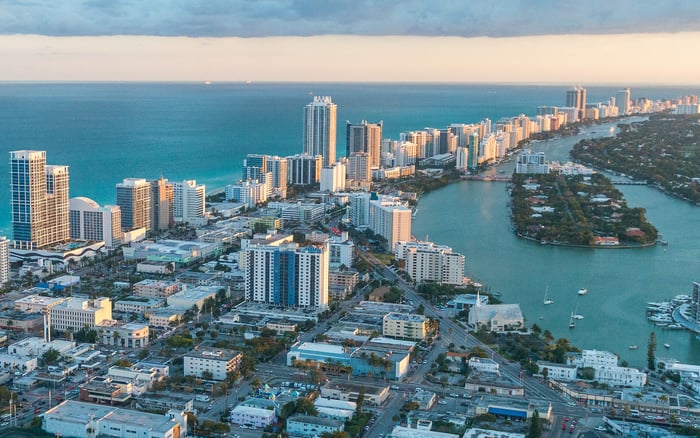
For buyers comparing Brickell, Miami Beach, Sunny Isles Beach, Fort Lauderdale, Boca Raton or West Palm Beach, amenity budgets deserve the same attention as floor plans and views. They can clarify whether a residence is priced for ownership, or merely priced for acquisition.
A boutique building can be deeply appealing because it offers fewer neighbors, greater discretion and a calmer daily rhythm. Yet the same scale that creates intimacy can also concentrate costs. When a smaller owner base shares front desk staffing, building systems, common-area maintenance and amenity programming, the per-residence impact may be more pronounced than in a larger tower.
That is not inherently negative. Many buyers are willing to pay for quiet corridors, uncrowded elevators and a more residential atmosphere. The question is whether the budget is aligned with the promise. A minimal amenity program that is carefully maintained may be more sustainable than a long list of services supported by optimistic assumptions. Conversely, a richly staffed building may justify higher carrying costs if service consistency is central to the buyer’s lifestyle.
This is where South Florida’s luxury market rewards precision. A waterfront boutique residence is not just a home with a view. Waterfront living can require additional care around exterior conditions, mechanical systems, landscaping and shared outdoor spaces. Buyers should consider whether the operating budget reflects the environment the property occupies.
The first line item to understand is staffing. Concierge, valet, security, maintenance, management and housekeeping shape the daily tone of a residence. A building can have beautiful amenities on paper, but if the staffing model is thin, the experience may feel uneven. In contrast, a disciplined staffing plan can make a smaller amenity footprint feel highly polished.
Insurance is another major consideration. In coastal and high-value residential settings, insurance can affect the operating budget in ways that are not always visible during a first showing. Buyers should ask how the association thinks about coverage, deductibles and future renewals, while relying on qualified advisors to review the specifics.
Maintenance and replacement planning are equally important. Pools, gyms, elevators, access systems, façades, garages, mechanical rooms and common interiors require care long after the sales gallery closes. A strong budget does not simply pay today’s bills. It anticipates tomorrow’s upkeep with discipline.
The final piece is programming. Private dining rooms, wellness spaces, residents’ lounges and hospitality-style services can be compelling, but they must be funded. A building inspired by hotel living should be evaluated not only for its brand language, but for how the operating structure supports the day-to-day experience.
A sophisticated buyer should not automatically favor the lowest monthly cost. In luxury real estate, the cheapest operating budget may indicate fewer services, deferred ambitions or limited reserves for future needs. The goal is not to minimize every expense. The goal is to match carrying cost with lifestyle value.
For example, a buyer considering The Residences at 1428 Brickell may be weighing urban convenience, building services and a polished vertical lifestyle. In that context, the budget conversation should focus on how the building supports daily arrival, privacy, wellness and long-term maintenance in a dense city setting.
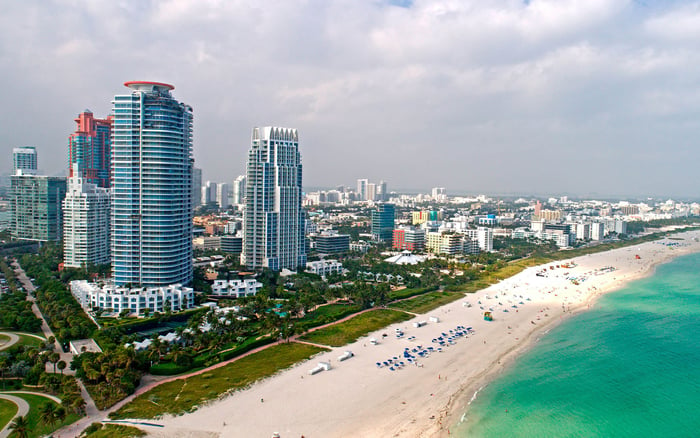
On Miami Beach, the calculus may be different. A residence such as The Perigon Miami Beach invites questions about coastal living, common-area care and the level of service expected by owners who value both design and proximity to the ocean. A beautiful beachside setting should be paired with a budget that respects salt air, outdoor amenities and elevated owner expectations.
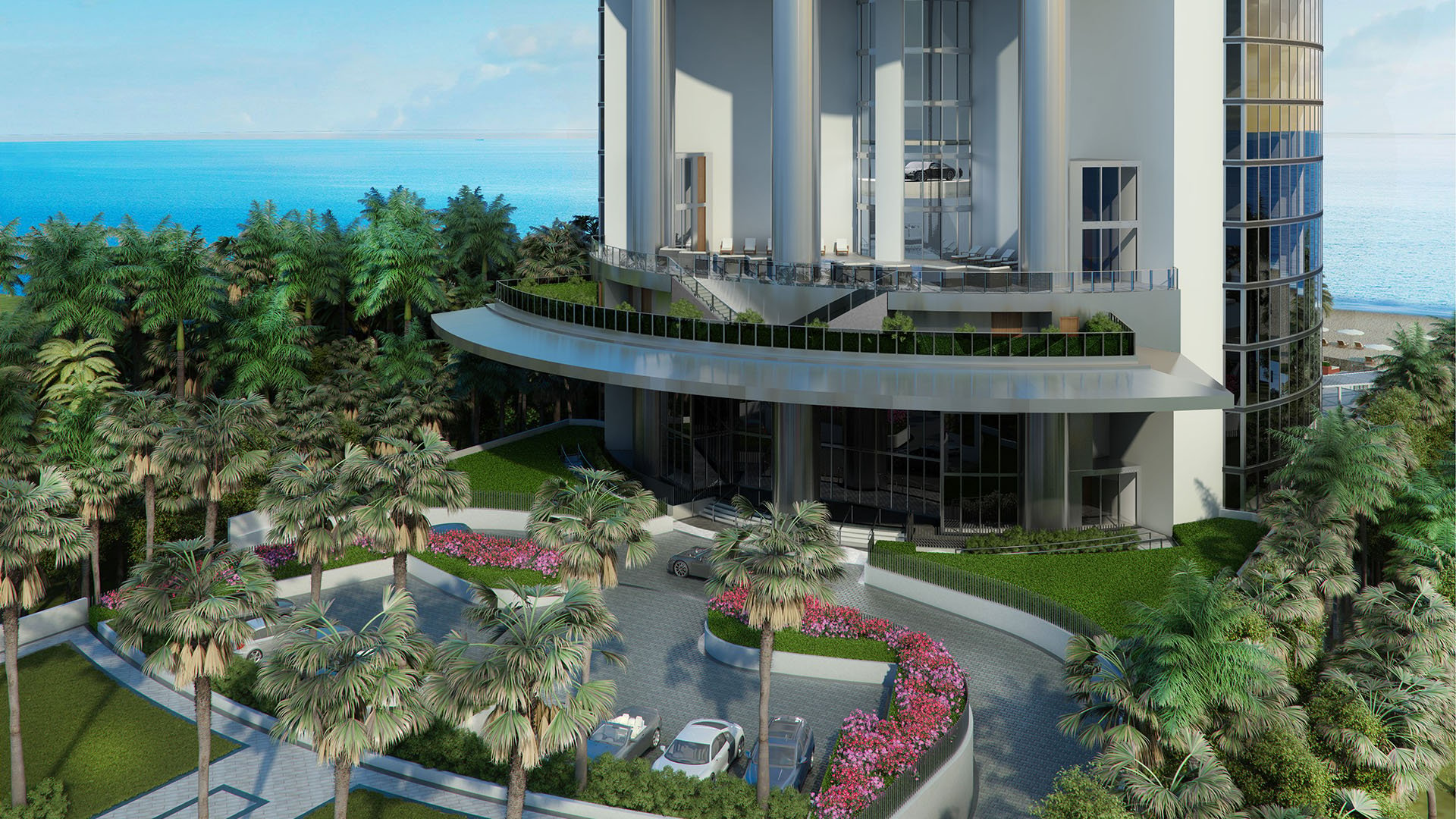
In Sunny Isles Beach, high-rise luxury often centers on views, arrival experience and resort-style amenity environments. Buyers looking at St. Regis® Residences Sunny Isles should consider how staffing, shared spaces and service standards fit into the recurring ownership profile, not just the sales presentation.
Operating budgets and reserves are related, but they are not the same conversation. The operating budget addresses regular expenses. Reserves are intended to help prepare for future repairs and replacements. In a boutique residence, reserve planning can be particularly important because a smaller ownership base has fewer households across which to distribute major future costs.
A well-prepared buyer asks for the current budget, reserve information, recent financial statements, pending assessments and board discussions where available. The point is not to become the building accountant. The point is to understand whether the ownership culture is proactive or reactive.
Reactive buildings can feel attractive in the short term because monthly costs may appear more restrained. Over time, however, underfunding can lead to special assessments, delayed maintenance or tension among owners. Proactive buildings may feel more expensive month to month, but the experience can be steadier and more transparent.
For buyers tracking pricing and trends, this distinction matters. The market may reward buildings that demonstrate care, service reliability and financial discipline. A residence with a thoughtful operating culture can feel more liquid because future buyers may value predictability.
Amenities are not merely decorative. They can affect how a building competes in resale, how residents use the property and how owners perceive value. A well-run pool deck, a gym that does not feel like an afterthought, a secure and graceful arrival area, thoughtful pet facilities and well-maintained common rooms all contribute to the ownership experience.
Still, more is not always better. Some of the most desirable boutique residences succeed because their amenities are focused, not excessive. A quiet lounge, an elegant fitness room and a beautifully maintained terrace can outperform a sprawling amenity program that feels costly but underused.
In Bay Harbor Islands, for instance, buyers may be drawn to a more intimate residential rhythm than what they might find in larger urban towers. A property such as The Well Bay Harbor Islands can prompt a buyer to look closely at how wellness-oriented spaces are maintained, staffed and integrated into everyday life.
The key is to separate amenity appeal from amenity economics. A cinematic rendering may inspire interest. A thoughtful operating budget sustains the lifestyle.
When two residences appear similar in price, the operating budgets may tell different stories. One may include broader services, stronger staffing or more robust maintenance planning. Another may appear leaner but leave more costs outside the monthly figure. Buyers should ask what is included, what is billed separately and what may change once the building matures.
It is also useful to compare budgets by lifestyle category rather than as a single total. Arrival and security are one category. Wellness and recreation are another. Building maintenance, insurance and reserves form a third. When buyers separate the budget this way, they can see whether the building is investing in what matters most to them.
A frequent user of valet, concierge and fitness spaces may find value in a more service-intensive building. A seasonal owner who prioritizes privacy and simplicity may prefer a quieter, more contained amenity model. Neither preference is wrong. The right answer depends on how the residence will be lived.
Before committing to a boutique South Florida residence, review the budget with a qualified real estate advisor, attorney and financial professional. Ask whether the monthly dues reflect stabilized operations, whether any services are subsidized during an early period and whether future staffing or amenity changes are anticipated.
Look at the relationship between the number of residences and the number of amenities. Ask how often common areas are refreshed. Understand the approach to reserves. Consider whether the building’s service culture is formal, discreet, wellness-driven, family-oriented or seasonal. The most elegant residence is one whose operating structure fits the owner’s life without surprise.
In the end, amenity budgets should not feel like fine print. They are a lens into governance, service ambition and long-term stewardship. For a South Florida buyer seeking beauty with staying power, that lens can be as important as the view.
Why do amenity operating budgets matter in boutique residences? They show how the building funds staffing, maintenance, insurance, amenities and everyday service. In smaller buildings, those costs are shared by fewer owners.
Is a lower monthly fee always better? Not necessarily. A lower fee may mean fewer services, leaner staffing or less planning for future upkeep.
What should buyers review before purchasing? Buyers should review the budget, reserves, financial statements, pending assessments and any available information about future operating changes.
How do amenities affect resale value? Well-maintained and well-funded amenities can support buyer confidence. Poorly maintained spaces can weaken the ownership experience.
Why can waterfront buildings have different budget needs? Waterfront settings often require careful attention to exterior areas, shared outdoor amenities and building systems exposed to coastal conditions.
Do branded residences always cost more to operate? They may carry service expectations that require careful funding. Buyers should evaluate the actual operating structure, not just the name.
What is the difference between operating expenses and reserves? Operating expenses cover recurring costs. Reserves help prepare for future repairs, replacements and larger capital needs.
How should seasonal owners think about fees? Seasonal owners should compare the cost of services they will use with the value of security, maintenance and readiness while away.
Can a small amenity program be luxurious? Yes. Focused amenities can feel highly refined when they are well designed, properly staffed and consistently maintained.
Who should help evaluate a condominium budget? A qualified real estate advisor, attorney and financial professional can help interpret the documents and identify questions before closing.
For a tailored shortlist and next-step guidance, connect with MILLION.
If branded residences are on your mind — as a home or as an allocation — we would be glad to share what we are seeing, privately.
Begin a quiet conversation