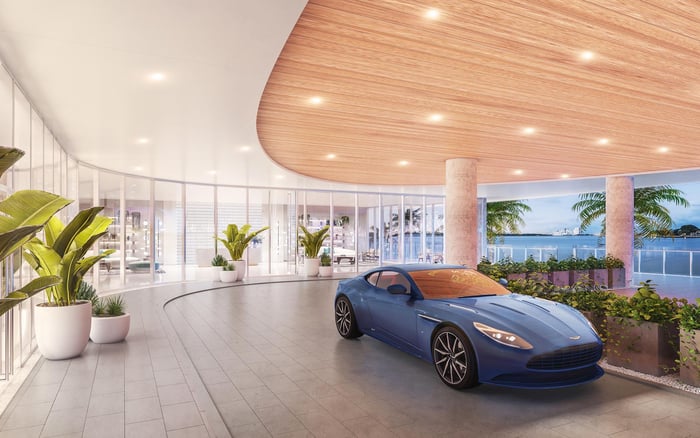
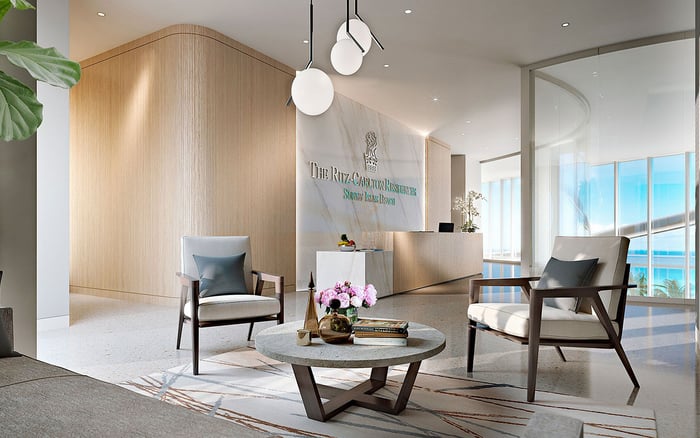
A buyer-focused MILLION guide to the five beachfront residence formats most aligned with durable building technology, long-term comfort, and discreet South Florida ownership.
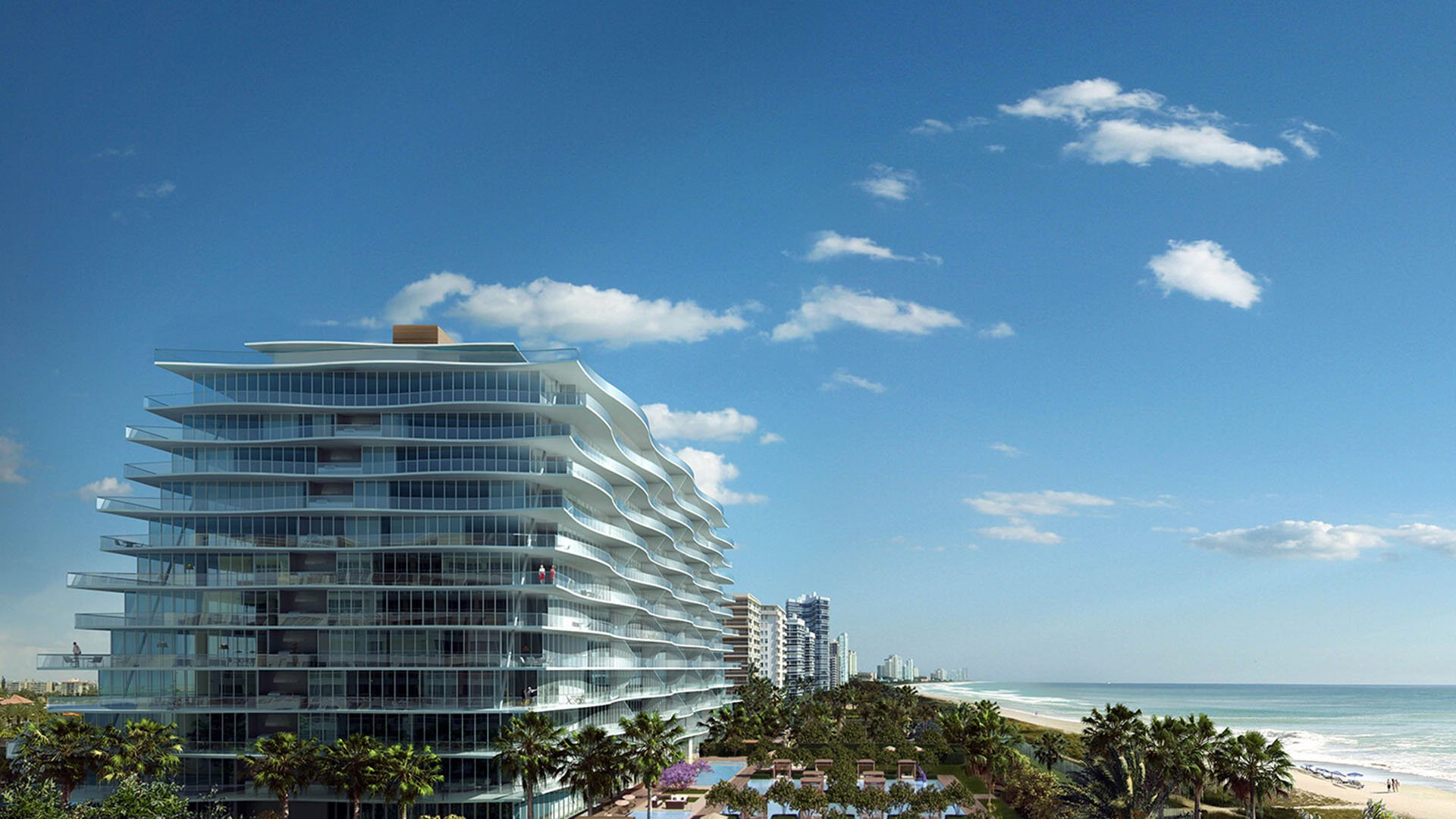
For a certain South Florida buyer, beachfront living is no longer defined only by views, ceiling heights, or the polish of the arrival sequence. The more enduring question is whether the residence-and the building behind it-will continue to feel current as expectations evolve. A home on the sand must manage salt air, heat, humidity, privacy, connectivity, service flow, and daily comfort with quiet precision.
That is why the most sophisticated buyers now read a beachfront residence almost as a collector reads a watch. Beauty matters, but engineering matters more. A refined lobby can be renovated. A fashionable amenity can be reprogrammed. The harder things to replace are the bones: mechanical strategy, envelope discipline, acoustic control, elevator logic, backup planning, water management, smart-home adaptability, and the ease with which systems can be serviced over time.
In practical shorthand, this buyer is often weighing oceanfront privacy, beach-access convenience, new-construction systems, and area preferences from Miami Beach to Sunny Isles and Surfside. The smartest purchase is not necessarily the newest or the most dramatic. It is the residence whose technology disappears into daily life and resists obsolescence.
1. Whole-floor oceanfront residence - privacy-first infrastructure
A whole-floor residence is often the purest format for buyers who want technology to serve privacy. With fewer immediate neighbors, the home can feel quieter, more controlled, and more independent in its daily rhythm. The appeal is not only square footage. It is the ability to separate arrival, service, entertaining, family life, and work without forcing every function through the same corridor.
For buyers focused on longevity, the questions are practical: how systems are accessed, how air and humidity are managed, how well glazing performs, and whether lighting, shades, climate, security, and audiovisual systems can evolve without invasive reconstruction. The best examples feel serene because the infrastructure is working silently.
2. High-floor corner residence - exposure, light, and control
A high-floor corner residence can be especially compelling when the building envelope is well considered. Multiple exposures give the home drama, but they also make the quality of glass, shading, ventilation strategy, and thermal control more consequential. Technology that ages well does not fight the sun and ocean. It anticipates them.
This format suits buyers who want cinematic views without sacrificing comfort. The durable residence keeps rooms livable at different times of day, limits acoustic intrusion, and supports discreet automation that can be upgraded as platforms change. The goal is not gadgetry. It is an interior environment that feels composed in every season.
3. Boutique beachfront residence - low-density operational elegance
Boutique beachfront living can appeal to buyers who value discretion over spectacle. Smaller buildings may offer a calmer ownership experience, provided the core systems are intelligently designed and maintained. In this category, the technology story is less about visible novelty and more about operational clarity.
A buyer should consider elevator performance, backup power philosophy, package and service handling, security layers, parking access, and the ability of the building staff to support a demanding resident base. When the systems are strong, boutique living can age gracefully because the experience is personal, legible, and less dependent on constantly reinventing amenities.
4. Resort-caliber beachfront residence - amenity systems that can adapt
Some buyers want the scale and service culture of a larger beachfront address. In that case, the important question is whether the amenity platform has technological depth, not simply visual glamour. Pools, wellness areas, lounges, fitness spaces, spa areas, dining rooms, and guest services all require infrastructure that can remain functional as resident expectations rise.
The best resort-caliber residence does not feel trapped in a single design moment. It has flexible amenity programming, thoughtful circulation, strong access control, and enough behind-the-scenes capacity to support both quiet weekdays and peak seasonal demand. For the technology-minded buyer, lifestyle and engineering must be inseparable.
5. Penthouse-level beachfront residence - custom-ready without fragility
A penthouse-level residence attracts buyers who want volume, terraces, separation, and a sense of command. Yet this format can also be the most technologically demanding. Exposure, wind, water, glazing, outdoor areas, vertical access, lighting scenes, and integrated entertainment must be planned with discipline.
The strongest penthouse-level homes are not merely dramatic. They are serviceable. They allow for future upgrades, conceal complex systems elegantly, and avoid overly fragile solutions that look impressive on day one but become difficult to maintain. For a long-hold buyer, custom should never mean complicated for its own sake.
Technology ages well when it is resilient, understandable, and upgradeable. A residence should not depend on a single closed system that becomes difficult to support. It should allow lighting, shading, climate, security, audio, networking, and access systems to improve over time. The more expensive the home, the more important this becomes.
Climate response is equally central. Beachfront buildings live in an aggressive environment. Salt air, sun, wind, humidity, and seasonal storms all test materials and systems. Buyers should care about exterior maintenance, balcony detailing, drainage, water-intrusion planning, corrosion resistance, and the building’s broader approach to protecting comfort in a coastal setting.
Acoustics also separate a lasting residence from a merely attractive one. Oceanfront glamour can fade quickly if elevator sound, mechanical noise, corridor activity, or neighboring residences intrude on daily life. Quiet is a form of luxury technology, and it often depends on decisions that are difficult to change later.
Finishes are seductive because they are immediate. Stone, millwork, hardware, appliances, and bath detailing define the first emotional impression. But for buyers who care about longevity, the deeper evaluation starts behind the walls and within the building’s shared systems.
Look for logical floor plans that can support future lifestyles. A residence that can accommodate working from home, visiting family, live-in help, art, wellness routines, and formal entertaining will age better than one designed around a narrow trend. Flexibility is one of the most underestimated technologies in luxury real estate.
Also consider the building’s capacity for privacy. Digital access, monitored arrival points, elevator control, service routing, parking discretion, and guest management all shape the lived experience. A residence may be beautifully appointed, but if the building cannot manage movement elegantly, it will feel less refined over time.
South Florida’s luxury beachfront market rewards discernment. The region offers multiple versions of coastal life, from highly social resort environments to quieter stretches where privacy is the main amenity. Buyers who understand building technology can compare properties with a sharper eye and avoid overpaying for details that may not endure.
The most future-ready residence is rarely defined by one feature. It is the cumulative effect of strong architecture, durable systems, elegant operations, and a floor plan that can evolve. When those elements align, the home feels calm, capable, and current long after the first impression has passed.
What should technology-focused buyers evaluate first? Start with the building envelope, mechanical strategy, elevator logic, backup planning, security, and service access before focusing on finishes.
Is newer always better for building technology? Not automatically. A newer residence may offer advantages, but thoughtful design, maintenance, and upgrade potential matter more than age alone.
Why does beachfront ownership require extra diligence? Salt air, humidity, sun, wind, and water exposure place unusual pressure on materials, systems, terraces, and exterior assemblies.
Are smart-home systems a major value driver? They can be, especially when they are reliable and upgradeable. Closed or overly complex systems may become a liability.
What makes a residence feel future-ready? Flexible planning, quiet interiors, strong connectivity, efficient climate control, privacy infrastructure, and serviceable systems all help.
Should buyers prioritize amenities or infrastructure? Infrastructure should come first. Amenities can be refreshed more easily than core building systems.
Do boutique buildings age better than larger towers? Not by default. Boutique buildings can feel more discreet, while larger buildings may offer deeper service platforms.
Why are acoustics important in beachfront residences? Quiet interiors influence daily comfort, privacy, sleep quality, and the perceived refinement of the home.
How should a buyer compare different beachfront areas? Compare privacy, access, building quality, lifestyle pace, service expectations, and long-term maintenance philosophy.
What is the best way to shortlist comparable options for touring? Start with location fit, delivery status, and daily lifestyle priorities, then compare stacks and elevations to validate views and privacy.
For a discreet conversation and a curated building-by-building shortlist, connect with MILLION.
If branded residences are on your mind — as a home or as an allocation — we would be glad to share what we are seeing, privately.
Begin a quiet conversation