A discreet buyer’s guide to five South Florida bayfront residence profiles where privacy, pacing, arrival sequence, and service restraint matter as much as the view.
For the South Florida buyer who has already lived with views, the next threshold is not simply more glass, more frontage, or a longer amenity list. It is how a residence behaves around daily life. Quiet service culture is the art of being recognized without being managed, assisted without being interrupted, and protected without being reminded that protection is present.
That distinction matters on the bayfront. A waterfront home can appear cinematic in photographs, yet feel surprisingly public in practice if arrivals, staff movement, guest flow, package handling, elevator pacing, pool acoustics, and marina-adjacent activity are not thoughtfully resolved. The best bayfront residences for this buyer are not necessarily the loudest addresses. They are the ones where the building, neighborhood, and service choreography allow the owner to live without friction.
In buyer shorthand, the search may touch Brickell, Miami Beach, Coconut Grove, Surfside, Fisher Island, and Bal Harbour, but the real filter is behavioral. Does the residence create a calm transition from city to private life? Does service feel anticipatory rather than performative? Does the waterfront read as a private atmosphere rather than a backdrop for constant activity?
1. Fisher Island bayfront residence - private arrival
For buyers who equate quiet service with controlled access, a Fisher Island bayfront residence sits at the top of the hierarchy. The appeal is not only the water. It is the separation between public Miami and private daily rhythm, where arrival itself becomes a filter and the pace naturally discourages casual intrusion.
This profile suits the owner who values staff familiarity, household privacy, and a residential atmosphere that does not need to announce its importance. The right bayfront home here should be evaluated for how discreetly visitors are received, how naturally service providers circulate, and whether the waterfront setting remains calm across weekday mornings, weekends, and high-season evenings.
2. Surfside bayfront residence - village-scale discretion
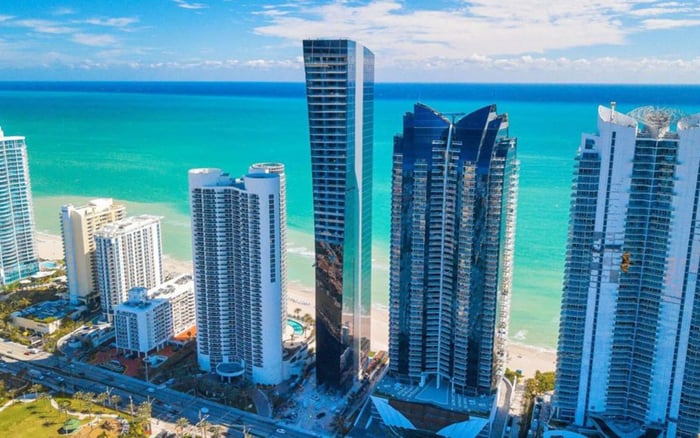
A Surfside bayfront residence is compelling for buyers who want an intimate tone without feeling remote. The strongest version of this profile balances waterfront serenity with a quieter neighborhood cadence, allowing residents to move between home, beach, dining, and private life without the intensity associated with more theatrical districts.
For the quiet-service buyer, scale is central. A residence with fewer points of friction can feel more refined than a larger building with more spectacle. The question is not whether the lobby impresses at first glance, but whether staff can preserve privacy, remember preferences, and maintain a calm mood when the building is fully occupied.
3. Coconut Grove bayfront residence - softened waterfront living
A Coconut Grove bayfront residence appeals to buyers who want the water framed by greenery, mature streets, and a more relaxed social code. The best expressions of this profile feel less like a stage set and more like a private retreat, with the bay present but not overproduced.
This is the choice for buyers who want service to feel residential rather than hotel-like. The ideal building supports a graceful daily tempo: easy morning departures, intuitive parking and valet sequences, discreet guest handling, and amenity areas that do not overwhelm the home itself. In this profile, the atmosphere should feel cultivated, not curated for display.
4. Bal Harbour bayfront residence - polished restraint
A Bal Harbour bayfront residence serves the buyer who expects polish but prefers it delivered quietly. The area’s luxury language is well established, so the most successful homes for this brief avoid unnecessary drama and instead emphasize composure, privacy, and consistency.
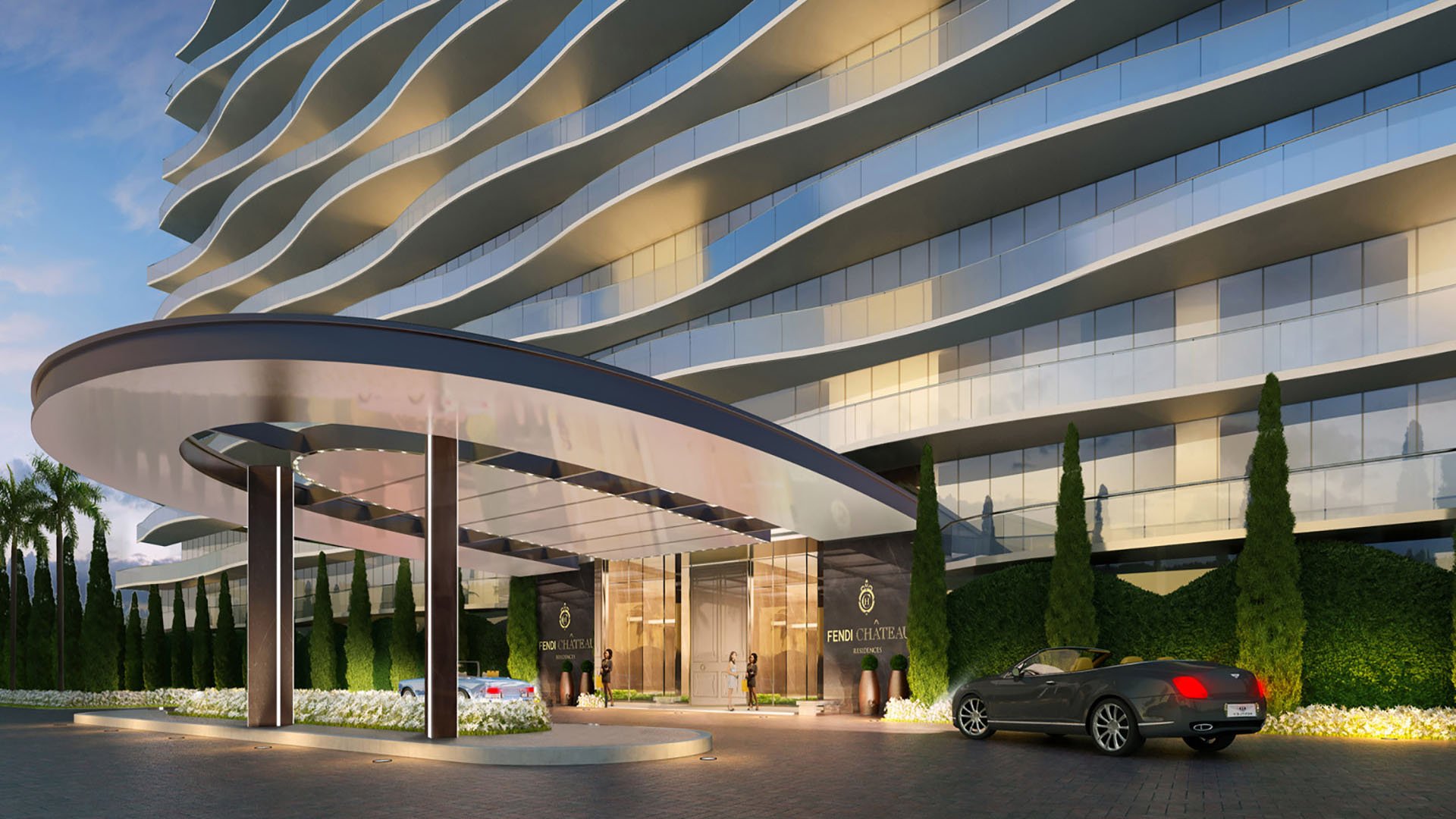
The buyer should look closely at how the residence separates public-facing elegance from private owner experience. A beautiful arrival is valuable only if it does not become a performance. Service culture should feel assured enough to be understated, with staff presence that supports the household rather than turning every movement through the property into an occasion.
5. Brickell bayfront residence - urban calm with disciplined service
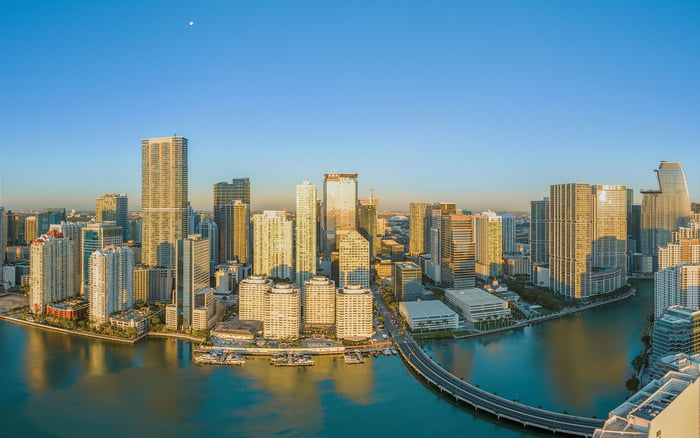
A Brickell bayfront residence is the most urban profile in this ranking, and therefore requires the most discipline. For the right buyer, the appeal is clear: skyline energy, bay views, and immediate access to the city’s financial and dining core. But quiet service culture here depends on how carefully the building shields private life from the neighborhood’s momentum.
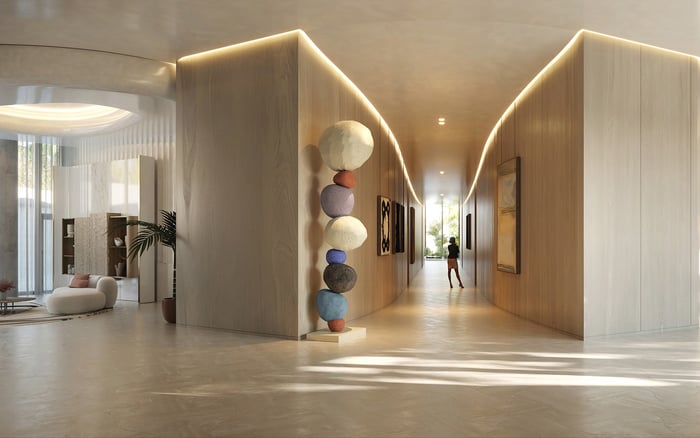
The strongest candidates create a decompression sequence. Arrival should calm the pulse. Elevators should feel efficient and private. Amenities should be positioned and managed so residents can use them without feeling observed. In this setting, quiet luxury is not the absence of energy. It is the ability to step out of it instantly.
Quiet service culture is often misunderstood as minimal service. In reality, it is usually the opposite. It requires a higher level of training, memory, and spatial intelligence because the goal is to solve needs before they become visible. The doorman who understands when not to ask questions, the valet team that protects timing, the concierge who manages a guest with delicacy, and the housekeeping pathways that remain out of view all contribute to the experience.
For bayfront buyers, the most important moments are transitional. Arrival from the airport. Return from dinner. A contractor appointment. A family visit. A morning walk to the water. A residence either makes these moments smooth or turns them into small negotiations. Over time, those small negotiations define whether a home feels truly luxurious.
Begin with circulation. Watch how people move through the property, not just how the property presents itself. If the same lobby path is used by residents, guests, staff, deliveries, and amenity traffic, the service culture must be exceptional to keep the experience calm. Separate or well-managed pathways are often more valuable than decorative finishes.
Next, study sound. Bayfront living can be serene, but marinas, pool decks, porte cocheres, restaurants, and social terraces all create acoustic signatures. Visit at different times if possible. A residence that is hushed at noon may feel entirely different during peak evening arrivals.
Finally, consider social density. Some buyers love a club-like atmosphere. The quiet-service buyer usually does not want to be anonymous, but does want the option to remain private. The right residence allows recognition without exposure. It supports community without requiring participation.
This list is for the buyer who prizes calm confidence over visible abundance. They may host beautifully, but they do not want the home to feel like an event space every day. They may appreciate amenities, but only when those amenities are managed with restraint. They may want waterfront drama, but not a lifestyle that feels constantly on display.
For this client, the best bayfront residence is not chosen by a single feature. It is chosen by alignment. The neighborhood must match the desired tempo. The building must understand privacy. The staff must be present without being theatrical. The floor plan must protect family life. The water must feel restorative, not merely impressive.
What does quiet service culture mean in a luxury residence? It means service that is attentive, consistent, and discreet, without making the resident feel watched or managed.
Is a smaller building always better for privacy? Not always. Scale can help, but management quality, circulation, and resident culture matter just as much.
Why are bayfront residences especially sensitive to service quality? Waterfront homes often attract guests, deliveries, amenity use, and outdoor activity, so service must protect calm daily living.
Should buyers prioritize views or arrival experience? Both matter, but arrival experience often determines how private and effortless the residence feels day after day.
Can Brickell work for a quiet-service buyer? Yes, if the building creates a strong buffer between urban energy and private residential life.
What should buyers observe during a property tour? Watch staff interaction, elevator flow, lobby noise, valet timing, guest handling, and how residents move through shared spaces.
Is hotel-style service the same as quiet service? Not necessarily. Hotel-style service can be excellent, but quiet service is usually more restrained and residential in tone.
Why does neighborhood tempo matter? Even a beautifully managed residence can feel mismatched if the surrounding rhythm conflicts with the owner’s desired lifestyle.
Are amenities less important for this buyer? Amenities still matter, but they should feel calm, well managed, and easy to use without unnecessary social exposure.
What is the best first question to ask when comparing residences? Ask how the building protects privacy during ordinary daily moments, not only during formal arrivals or tours.
For a tailored shortlist and next-step guidance, connect with MILLION.
If branded residences are on your mind — as a home or as an allocation — we would be glad to share what we are seeing, privately.
Begin a quiet conversation