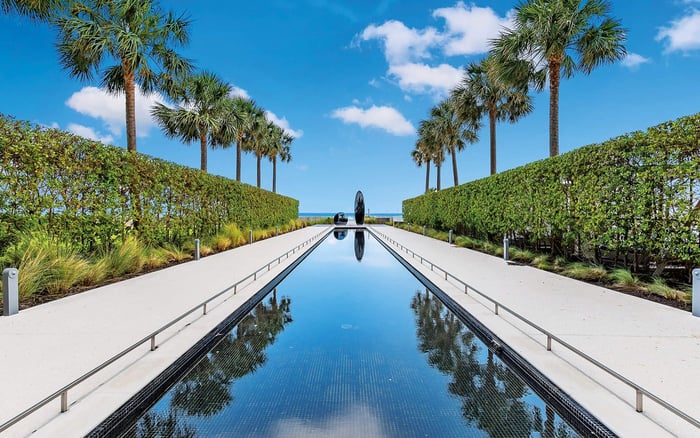
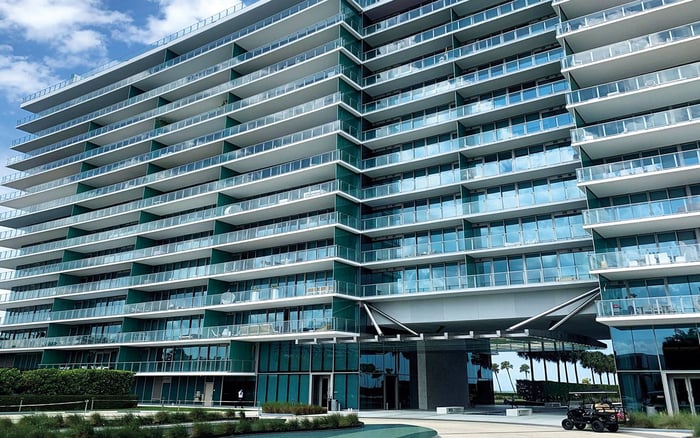
A buyer-focused comparison of The Well Coconut Grove and Oceana Key Biscayne through the 2026 lens of resilience planning, backup power diligence, and storm staffing transparency.
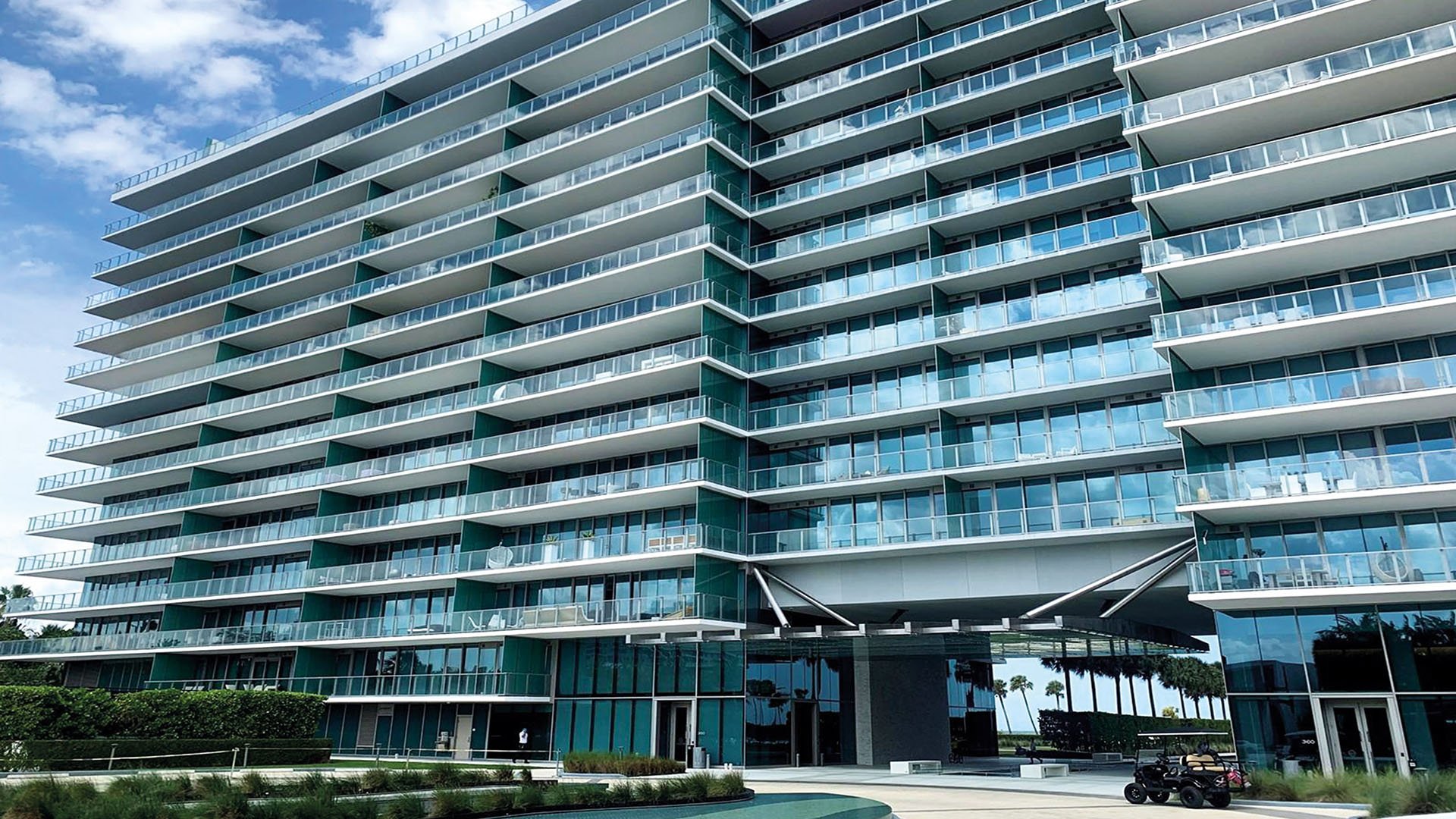
South Florida luxury buyers have always weighed water views, privacy, architecture, service, and neighborhood character. In 2026, the sharper question is operational: how does a residence perform when weather turns difficult, the power grid is under strain, vendors are stretched, and staff coverage becomes more than a hospitality promise?
That is the lens for comparing The Well Coconut Grove and Oceana Key Biscayne. The Well Coconut Grove is the Coconut Grove option in this buyer test, offering the appeal of a mainland village setting, canopy-lined streets, and access to one of Miami’s most established residential enclaves. Oceana Key Biscayne is the Key Biscayne option, positioned within an island lifestyle associated with beaches, outdoor recreation, and a quieter residential rhythm.
This is not a declaration that one property is more resilient than the other. The available property-specific details do not verify generator coverage, storm staffing commitments, backup-power scope, or post-storm operating procedures for either address. The correct luxury posture is disciplined, not assumptive. A buyer should ask for documents, confirm systems, and understand the chain of responsibility before assigning a premium to resilience.
Coconut Grove and Key Biscayne offer distinct ownership experiences. The Grove feels integrated into the mainland fabric of Miami, with layered access to dining, schools, marinas, cultural life, and neighborhood streets that appeal to year-round residents. Key Biscayne offers an island sensibility, where daily life can feel more removed, coastal, and self-contained.
Yet location character should not be mistaken for building performance. A Coconut Grove buyer should not assume that mainland access automatically answers questions about emergency operations. A Key Biscayne buyer should not assume that an island address has automatically solved post-storm logistics. Both assumptions are too broad for an ultra-premium purchase.
The more useful question is precise: what systems continue to function, for whom, and for how long once normal conditions are interrupted? That is where the conversation moves from lifestyle to engineering, governance, and staffing.
Generator coverage is one of the most misunderstood topics in luxury condominium diligence. Buyers often hear “backup power” and imagine a fully functioning private residence. In practice, backup power can mean very different things. It may apply only to life-safety systems, selected common areas, elevators, pumps, garage systems, access control, limited lighting, communications, or portions of private residences. Without direct verification, no buyer should presume full-unit backup power at The Well Coconut Grove or Oceana Key Biscayne.
The first question is scope. Which systems are supported by generator power? Are elevators covered, and if so, how many? Are domestic water pumps included? Is cooling supported in any residential or amenity areas? Are security, access systems, internet infrastructure, and fire-command systems covered? Are garage gates and building-entry systems part of the plan?
The second question is duration. How much fuel is contracted, stored, or deliverable, and under what conditions? A fuel plan is only as strong as the logistics behind it. Buyers should ask whether vendor agreements contemplate post-storm access, road conditions, bridge constraints, staffing shortages, and priority service.
The third question is governance. Who has authority to activate, ration, prioritize, or shut down generator-supported systems? Luxury buyers should understand whether these decisions sit with management, the association, engineering staff, emergency contractors, or a defined command structure.
Staffing is where resilience becomes tangible. A beautifully designed lobby has little practical value if no one is available to secure doors, manage water intrusion, check mechanical rooms, communicate with residents, or coordinate vendors after a storm.
The currently available property-specific information does not verify hurricane staffing plans or post-storm staffing commitments for either The Well Coconut Grove or Oceana Key Biscayne. That absence does not imply weakness, but it does mean a buyer should not treat staffing as settled. For a high-value residence, it belongs in the same diligence file as insurance, reserves, rules, and engineering summaries.
Ask who remains on site during a named storm, if anyone. Ask whether staff are required, encouraged, or prohibited from staying. Ask what roles are covered: security, engineering, management, concierge, housekeeping, valet, and vendor coordination. Ask whether the building has agreements with third-party contractors for water extraction, glazing assessment, elevator service, generator service, landscaping, debris removal, and access control.
The staffing question is also humane. Responsible buildings must balance resident expectations with employee safety. The best plans are not casual promises. They are written protocols, approved by governance, updated regularly, and communicated clearly.
A serious buyer should ask for resilience-planning documents, condominium disclosures, engineering summaries, emergency procedures, and association rules before making specific assumptions. For The Well Coconut Grove, that means testing the Coconut Grove lifestyle against the building’s actual operating documents. For Oceana Key Biscayne, it means testing the island lifestyle against the same level of documentation.
The diligence package should answer whether backup power is full-unit, partial-unit, common-area only, life-safety only, or a more nuanced combination. It should identify covered systems and excluded systems. It should describe fuel arrangements, maintenance schedules, emergency contacts, insurance obligations, owner responsibilities, and communication procedures.
Buyers should also ask how residents are notified before, during, and after an event. Is there an emergency messaging system? Are there owner portals, text alerts, email protocols, or physical notice procedures? Who communicates if management offices are closed? How are absentee owners contacted? These questions are especially relevant for a resale purchase or a second home held by an owner who may not be in Miami during storm season.
In practical terms, this is not merely a Coconut Grove versus Key Biscayne lifestyle comparison. It is a test of whether the property’s operating culture matches the expectations of a buyer who sees resilience as part of luxury itself.
If the buyer values a mainland village environment, The Well Coconut Grove deserves a close look as the Coconut Grove side of the test. If the buyer prefers island living, Oceana Key Biscayne naturally belongs in the conversation. But the final decision should not rest on mood, finishes, or neighborhood identity alone.
The 2026 buyer should create a side-by-side diligence matrix. One column should address generator scope. One should address fuel and vendor commitments. One should address staffing. One should address communications. One should address post-storm access, cleanup, and restoration. One should address insurance and association governance. The strongest property is not necessarily the one with the most impressive narrative. It is the one with the clearest answers.
New-construction and established condominium buyers alike are becoming more exacting about operational performance. In South Florida’s top tier, resilience is no longer a niche concern. It is part of the ownership experience, part of risk management, and increasingly part of value preservation.
Is this a ranking of The Well Coconut Grove and Oceana Key Biscayne? No. It is a two-property buyer test focused on resilience diligence, not a ranked conclusion.
Can buyers assume either property has full-unit backup power? No. Full-unit, partial-unit, common-area, or life-safety-only backup power should be verified directly through documents.
What is the first generator question to ask? Ask which systems are generator-backed, including elevators, pumps, access control, communications, lighting, and any residential areas.
Why does fuel planning matter? Generator value depends not only on equipment, but also on fuel duration, delivery arrangements, vendor access, and operating authority.
Are storm staffing plans verified for either property? The specific staffing commitments are not established here, so buyers should request written emergency and post-storm procedures.
What should absentee owners ask about? They should ask how the building communicates, secures residences, coordinates vendors, and updates owners who are away during storm season.
Is Key Biscayne automatically more complicated after a storm? Buyers should not rely on general assumptions. They should review actual access, staffing, vendor, and communication plans for the property.
Is Coconut Grove automatically easier from a resilience standpoint? Not automatically. Mainland location may influence logistics, but building-specific systems and procedures remain the decisive factors.
What documents should a buyer request? Request condominium disclosures, engineering summaries, emergency procedures, association rules, vendor contracts, and generator-support details.
What is the best 2026 decision framework? Compare lifestyle fit only after confirming backup-power scope, staffing protocols, fuel planning, governance, and post-storm service capacity.
To compare the best-fit options with clarity, connect with MILLION.
If branded residences are on your mind — as a home or as an allocation — we would be glad to share what we are seeing, privately.
Begin a quiet conversation