A practical, discreet due-diligence guide for young families evaluating Key Biscayne luxury homes, from school runs and storm planning to condo reserves and resale discipline.
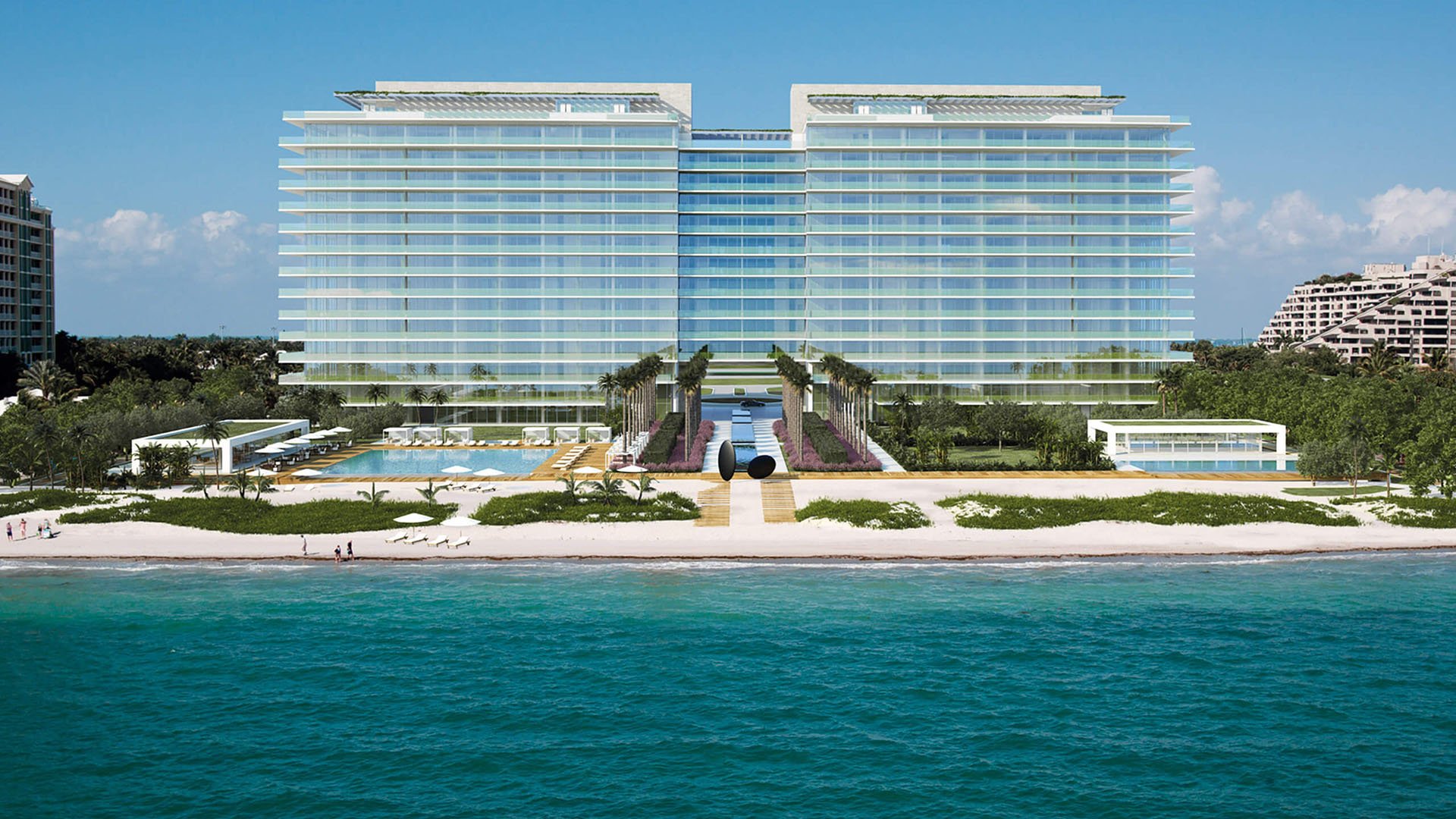
Key Biscayne can feel almost impossibly composed: a village-scale island, beaches close at hand, parks at either end, and a residential rhythm that appeals to families seeking privacy without withdrawing from Miami. For young parents, that charm is real. It is also incomplete until it has been tested against the conditions of daily life.
Because Key Biscayne is an incorporated village, the purchase decision extends beyond a floor plan, a view, or a street name. Village budgets, zoning, public safety, building rules and resilience planning all become part of the long-term experience of raising children there. The most disciplined buyers treat the island like a living operating system: mobility, schools, insurance, storm readiness, maintenance, governance and exit value.
That rigor matters especially in the luxury tier, where beautiful finishes can obscure less glamorous questions. A family may admire a residence at Oceana Key Biscayne for its island context, then still need to examine association records, insurance coverage, evacuation logistics and daily drive patterns with the same seriousness they would bring to a private home.
The Rickenbacker Causeway is the island’s primary mainland connection. That single fact should shape the entire pressure test. Do not rely on one showing-day drive in agreeable weather. Run the route at school drop-off, after-school pickup, weekday peak commute, Friday afternoon, weekend beach traffic and during heavy rain.
A family with two working parents should map the actual sequence: residence to Key Biscayne K-8 Center, residence to Brickell, residence to Coconut Grove, residence to the airport, and residence to pediatric care or after-school activities. The island may feel serene once you arrive; the question is whether its access pattern supports your weekday life.
If you are also considering St. Regis® Residences Brickell, the comparison should not be aesthetic alone. Brickell offers a very different urban rhythm, while Key Biscayne asks families to accept the causeway as part of the daily bargain. Time it repeatedly before you price the premium.
For families with young children, school fit is not a line item to verify late in diligence. Confirm assignment, enrollment rules, magnet options and transportation directly before making assumptions from a neighborhood reputation. Key Biscayne K-8 Center is the island’s public K-8 school, which makes an in-person visit essential for families planning a full child-raising arc on the island.
Look beyond the classroom tour. Test the morning arrival pattern, afternoon congestion, extracurricular timing, caregiver logistics and how a rainy day changes the routine. If one parent travels often, or if grandparents and nannies are part of the household structure, rehearse those handoffs in real time.
This is where Key Biscayne separates itself from more purely resort-oriented coastal markets. Crandon Park, with its beach, marina, nature and recreation facilities, and Bill Baggs Cape Florida State Park, with beach, biking, paddling, fishing and lighthouse access, give families rare outdoor range. The question is not whether those amenities are desirable. It is whether your household will actually use them within the cadence of school, work and rest.
In coastal luxury, risk is not an abstraction. Every candidate property should be checked against federal flood mapping, future water-level modeling, county evacuation zones and visible street conditions after heavy rain. Do not assume one island-wide answer. Risk can change by parcel, building, elevation, route and drainage context.
For single-family homes, finishes come after fundamentals: elevation, drainage, roof age, impact openings, generator readiness, prior flood history, mechanical placement and insurability. A spectacular kitchen is less meaningful if the underwriting file becomes difficult or the access street repeatedly compromises everyday comfort.
Flood insurance should be treated separately from standard homeowners coverage, particularly for coastal and low-elevation property. Windstorm exposure, flood coverage, deductibles, exclusions and carrier appetite should be reviewed before contract deadlines expire. Young families should ask their advisors to model total carrying cost under sober assumptions, not best-case quotes.
For luxury condominium buyers, the post-Surfside safety framework changed the diligence conversation. Milestone inspections, structural reserves, budgets, special assessments, insurance certificates, litigation disclosures and board minutes all deserve attention before a family focuses on the amenity deck.
Florida condominium law makes association records, reserves, assessments and governance a core part of the purchase file. In practical terms, a family should understand whether the building is financially prepared for maintenance, whether insurance costs are rising, whether reserves are adequate, and whether board decisions reflect long-term stewardship.
This lens applies across the region. A buyer comparing Key Biscayne with The Perigon Miami Beach or The Delmore Surfside should use the same questions in every building. Miami Beach and Surfside may differ in setting, but family-grade condo diligence is consistent: records first, lifestyle second.
Key Biscayne is rarely competing only with itself. Many young luxury buyers also study Coral Gables, Coconut Grove, Miami Beach, Surfside and Brickell. Use one scorecard for all of them: commute, school fit, storm plan, insurance, governance, maintenance burden, outdoor life, privacy and resale depth.
For example, The Village at Coral Gables may appeal to families seeking a more mainland, neighborhood-oriented pattern, while Park Grove Coconut Grove places the family closer to Coconut Grove amenities and mainland mobility. Key Biscayne answers with island identity, parks and a quieter daily environment, but it also asks for a disciplined view of the causeway and coastal exposure.
Use public property records to verify ownership history, assessed value, exemptions, taxes and comparable property information. Review village zoning and land-use rules before assuming future expansion, guest-house flexibility or redevelopment potential. Public demographic profiles can also help confirm whether the household mix and community character feel aligned with the way your family actually lives.
Before signing, spend 48 hours behaving as if you already own the residence. Drive the commute twice. Do school arrival and pickup. Walk the block at night. Visit both parks. Check the nearest grocery pattern. Test cell service in the garage, stroller routes, bike access, visitor parking and the easiest route off-island in adverse weather.
Then sit with the unglamorous file: flood status, elevation, insurance, reserves, assessments, inspection history, taxes, village rules and evacuation plan. The right Key Biscayne residence should still feel compelling after the romance has been translated into logistics.
Is Key Biscayne a good fit for young families? It can be, especially for families who value outdoor life, village scale and proximity to parks. The key is testing daily mobility, school routines and storm planning before buying.
How should families test the Rickenbacker Causeway? Drive it during school drop-off, peak commute, weekend beach traffic and heavy rain. One smooth showing-day trip is not enough evidence.
Should school assignment be assumed from the address? No. Families should verify assignment, enrollment rules, magnet options and transportation directly before relying on neighborhood assumptions.
What should condo buyers review before purchasing? Review budgets, reserves, insurance certificates, inspection reports, special-assessment history, litigation disclosures and board minutes. Governance quality matters as much as amenities.
What matters most for single-family homes? Prioritize elevation, drainage, roof condition, impact openings, generator readiness, flood history and insurability. Cosmetic upgrades should come after resilience fundamentals.
Is flood insurance separate from homeowners insurance? Yes. Flood coverage should be underwritten and priced separately, particularly for coastal or low-elevation properties.
How should buyers evaluate hurricane readiness? Confirm the evacuation zone, household evacuation plan, shelter assumptions, emergency supplies and the practical timing of leaving the island if needed.
Which amenities define the family lifestyle? Crandon Park and Bill Baggs Cape Florida State Park are central to the island’s outdoor appeal. Families should test whether they will use them regularly.
How should Key Biscayne compare with Coral Gables or Coconut Grove? Use the same scorecard for commute, schools, insurance, resilience, privacy and resale. The best choice depends on the family’s daily rhythm.
What is the best way to shortlist comparable options for touring? Start with location fit, delivery status, and daily lifestyle priorities, then compare stacks and elevations to validate views and privacy.
For a tailored shortlist and next-step guidance, connect with MILLION.
If branded residences are on your mind — as a home or as an allocation — we would be glad to share what we are seeing, privately.
Begin a quiet conversation