For internationally minded buyers, South Florida waterfront ownership requires insurance planning as early as property selection. The strongest approach treats coverage as part of due diligence, alongside architecture, association governance, title structure and lifestyle exposure.
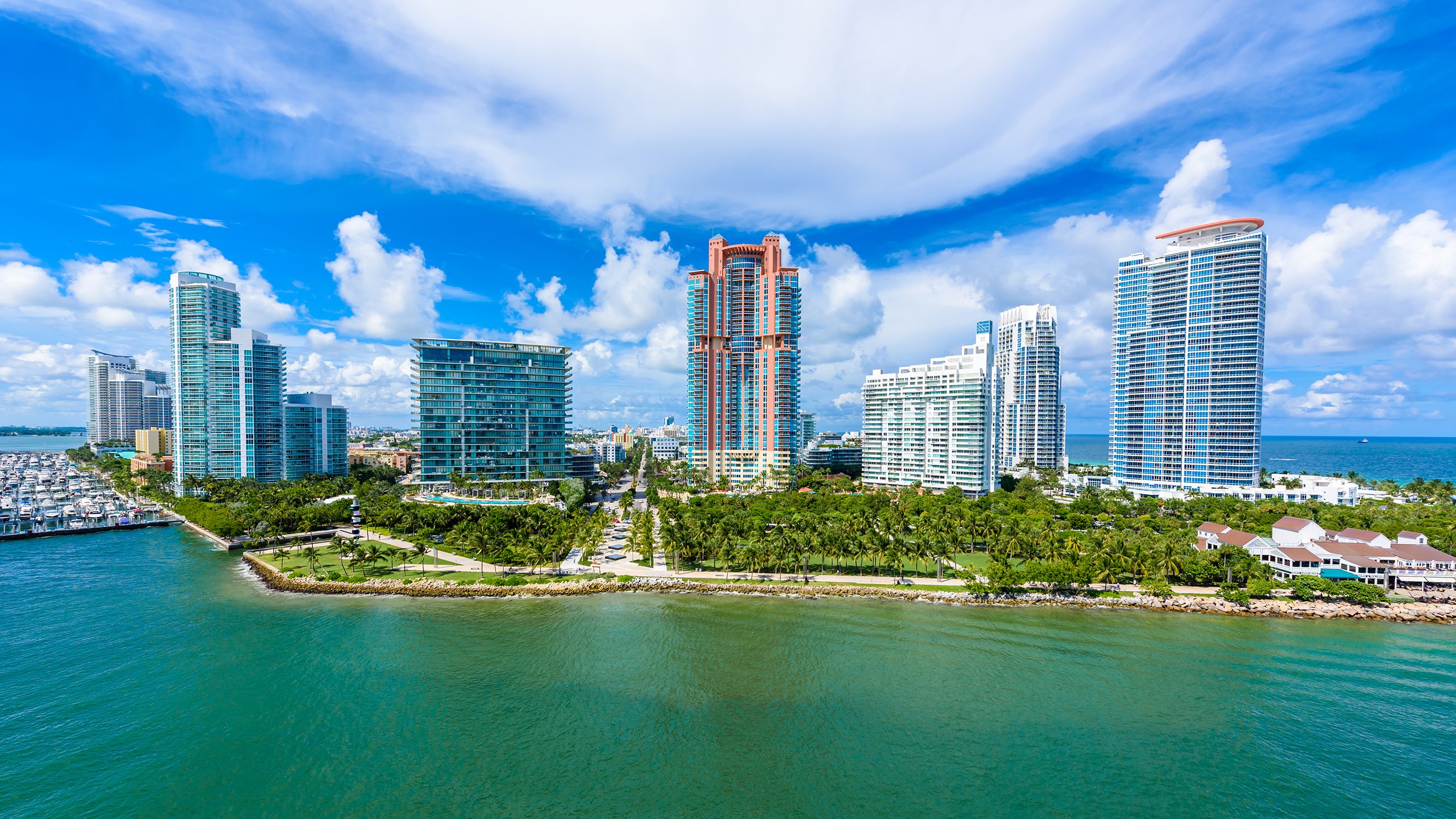
For the Monaco buyer arriving in Miami, the language of luxury feels familiar: water, privacy, service, views and an instinctive preference for assets that are both beautiful and scarce. Yet South Florida waterfront ownership adds a practical layer that belongs in the conversation before the romance of a terrace sunset takes over. Insurance is not an afterthought. It is part of the acquisition strategy.
The most sophisticated buyers treat insurance planning as a parallel due diligence track, running beside legal review, financing, tax structuring and building analysis. That does not mean approaching the purchase with anxiety. It means understanding the property as an asset exposed to water, wind, association governance, personal liability and replacement-cost realities.
The strongest waterfront decisions are rarely driven by premium alone. They are driven by clarity: what is insured by the owner, what is insured by an association, what remains uncovered, how deductibles work and whether the ownership structure matches the policy language.
Waterfront property is never a single insurance question. It is a stack of exposures that may include the residence itself, contents, temporary living arrangements, flood considerations, wind considerations, liability, domestic staff, visiting guests, marine assets, art, jewelry and vehicles. The details differ between a high-floor condominium, an oceanfront estate, a bayfront villa and a pied-à-terre held through an entity.
The first principle is simple: coverage should be designed around use. A seasonal residence, a full-time family home, an occasional entertaining property and a residence with staff all raise different questions. A buyer who plans to keep significant art in Miami, host frequently or hold the asset in a trust or company should make those facts visible to the insurance adviser early.
Waterfront ownership also calls for precision around exclusions. A policy can appear elegant until a buyer studies what is not covered, when a deductible applies and how claims are adjusted. The luxury market rewards discretion, but insurance planning rewards candor.
For condominium buyers, the association’s master insurance program is only the beginning. It may address shared building components, common areas and certain structural obligations, but it does not automatically solve the private owner’s exposure. Interior finishes, built-ins, personal property, loss assessment, additional living expenses and personal liability may sit outside what the association covers.
This matters when buyers compare residences in markets such as Miami Beach, Sunny Isles Beach and Brickell. A buyer considering The Perigon Miami Beach should ask different practical questions than a buyer focused on a private home, not because one is inherently simpler, but because condominium ownership divides responsibility between the unit owner and the association.
The document review should include the association’s insurance summary, deductibles, available claims history, reserve posture, responsibility matrix and any pending or anticipated assessments. Buyers should ask how high deductibles are allocated after a loss, whether owners may be assessed and how custom interiors are treated. In a luxury residence, the difference between standard unit coverage and bespoke interior reality can be substantial.
South Florida’s vertical residences appeal to global buyers because they combine views, amenities, security and reduced maintenance. Yet the ease of a serviced building can create a false sense of completeness. Private insurance still has to follow the owner’s life inside the unit.
Consider the buyer evaluating St. Regis® Residences Sunny Isles or Una Residences Brickell. The building may offer an elevated lifestyle, but the owner still needs clarity on personal property, liability, water intrusion within the unit, improvements, temporary relocation and coverage for valuables. If the residence is furnished by a designer or contains imported materials, the replacement conversation should be specific rather than assumed.
A well-built policy also reflects how the residence will be occupied. Will family members use it independently? Will guests stay without the owner present? Will staff hold keys? Will the unit be vacant for long periods? Each answer can influence the structure of coverage and the discipline required to keep it effective.
A single-family waterfront home places more responsibility directly on the owner. The insurance discussion may extend beyond the residence to exterior structures, seawalls, docks, pool equipment, landscaping, gates, generators, smart-home systems and detached spaces. The buyer should understand which elements are insurable, which require separate consideration and which may be maintenance obligations rather than covered losses.
This is where architecture and insurance meet. Materials, glazing, roof condition, mechanical placement and elevation can all influence underwriting conversations. Buyers should not wait until after contract to learn whether an insurer wants inspections, updates or documentation. A polished waterfront home can still require a disciplined insurance file.
In areas with major lifestyle appeal, from Fort Lauderdale to Palm Beach and Boca Raton, the strongest buyers make insurance part of property selection. They ask whether the home’s beauty is matched by resilience, serviceability and documentation.
International buyers often acquire South Florida property through trusts, companies or family structures. That can be elegant from a planning perspective, but insurance must match the named insured, the beneficial use and the liability framework. A mismatch between ownership and policy language can create unnecessary friction at precisely the wrong moment.
The same is true for lifestyle exposure. A buyer with household staff, visiting family, a vessel, collectible automobiles, fine art or frequent entertaining should avoid a basic approach. Excess liability and umbrella coverage may be part of the conversation, as may scheduled valuables and specialized coverage for collections. The goal is not to over-insure. It is to avoid discovering a gap after a loss.
For a buyer considering a coastal residence such as The Ritz-Carlton Residences® Pompano Beach, the right advisory team will coordinate insurance with the buyer’s attorney, lender, property manager and family office where relevant. The result should feel seamless, but the work behind it is detailed.
Before signing a contract, request an insurance estimate, but treat it as a starting point rather than a final answer. Confirm what assumptions were used, what inspections may be needed and whether the policy structure reflects the intended ownership entity and use of the property.
Before closing, review association coverage if buying a condominium, private policy terms, deductibles, exclusions, wind and flood considerations, loss assessment protection, liability limits and coverage for contents and improvements. If financing is involved, coordinate lender requirements early so coverage is not rushed at the closing table.
After closing, update the insurance program as the residence changes. Renovations, new furnishings, art acquisitions, staffing arrangements and occupancy patterns should all be communicated. Luxury ownership is dynamic; coverage should not remain frozen in the moment of purchase.
Should I discuss insurance before making an offer? Yes. Early review helps identify pricing, documentation needs and possible coverage issues before the contract timeline becomes compressed.
Is condo insurance simpler than single-family home insurance? Not always. Condominiums shift some responsibilities to the association, but owners still need private coverage for interiors, contents and liability.
What should I ask a condo association for? Request insurance summaries, deductible information, responsibility language, reserve context and any available claim or assessment details.
Does a master policy cover my designer interiors? It may not cover custom interiors in the way an owner expects. Private coverage should be reviewed against the actual finishes and improvements.
Why does ownership structure matter? The policy should align with the legal owner and the people using the residence. Trusts and entities require careful naming and coordination.
Should valuables be handled separately? Often, yes. Jewelry, art, watches and collectibles may need scheduling or specialized coverage beyond a standard personal property limit.
What if the residence is vacant part of the year? Seasonal use should be disclosed. Vacancy, monitoring, leak detection and property management practices can affect coverage expectations.
Do waterfront homes need more due diligence? Yes. Buyers should review the residence, exterior improvements, maintenance obligations and how water-related exposures are treated.
Can insurance affect closing timing? It can. Quotes, inspections, lender requirements and policy binding should be managed early to avoid last-minute pressure.
Who should coordinate the process? A specialized insurance adviser should work with the buyer’s real estate, legal, lending and property management team.
To compare the best-fit options with clarity, connect with MILLION.
If branded residences are on your mind — as a home or as an allocation — we would be glad to share what we are seeing, privately.
Begin a quiet conversation