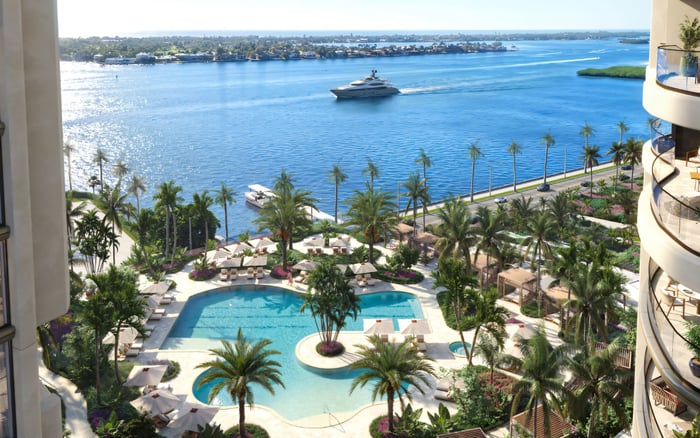
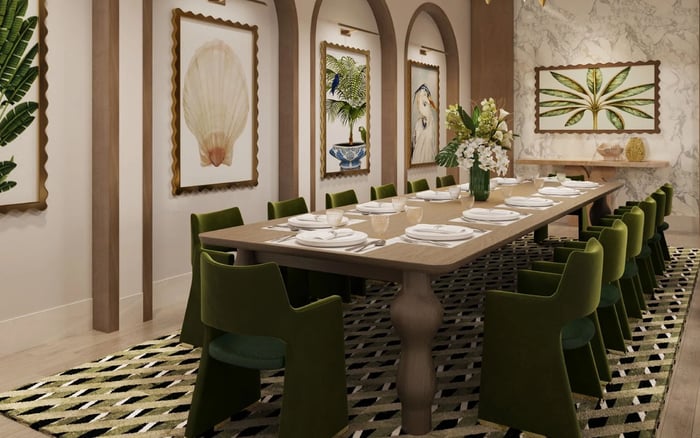
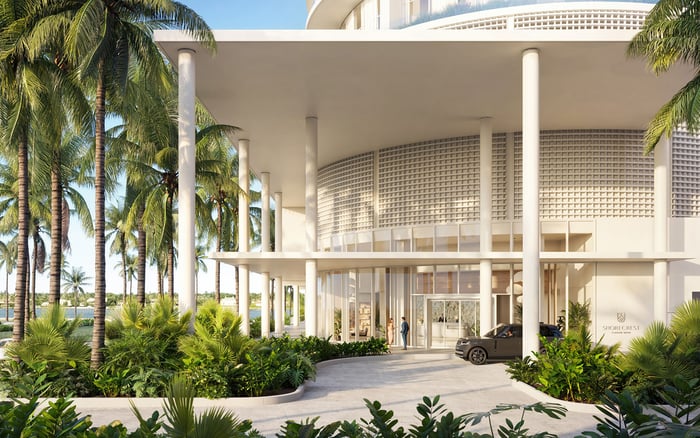
A full-time owner’s comparison of Maison D'Or South Flagler and The Bristol Palm Beach should move beyond views and finishes into daily restaurant convenience, acoustic comfort, and the social rhythm of South Flagler living.
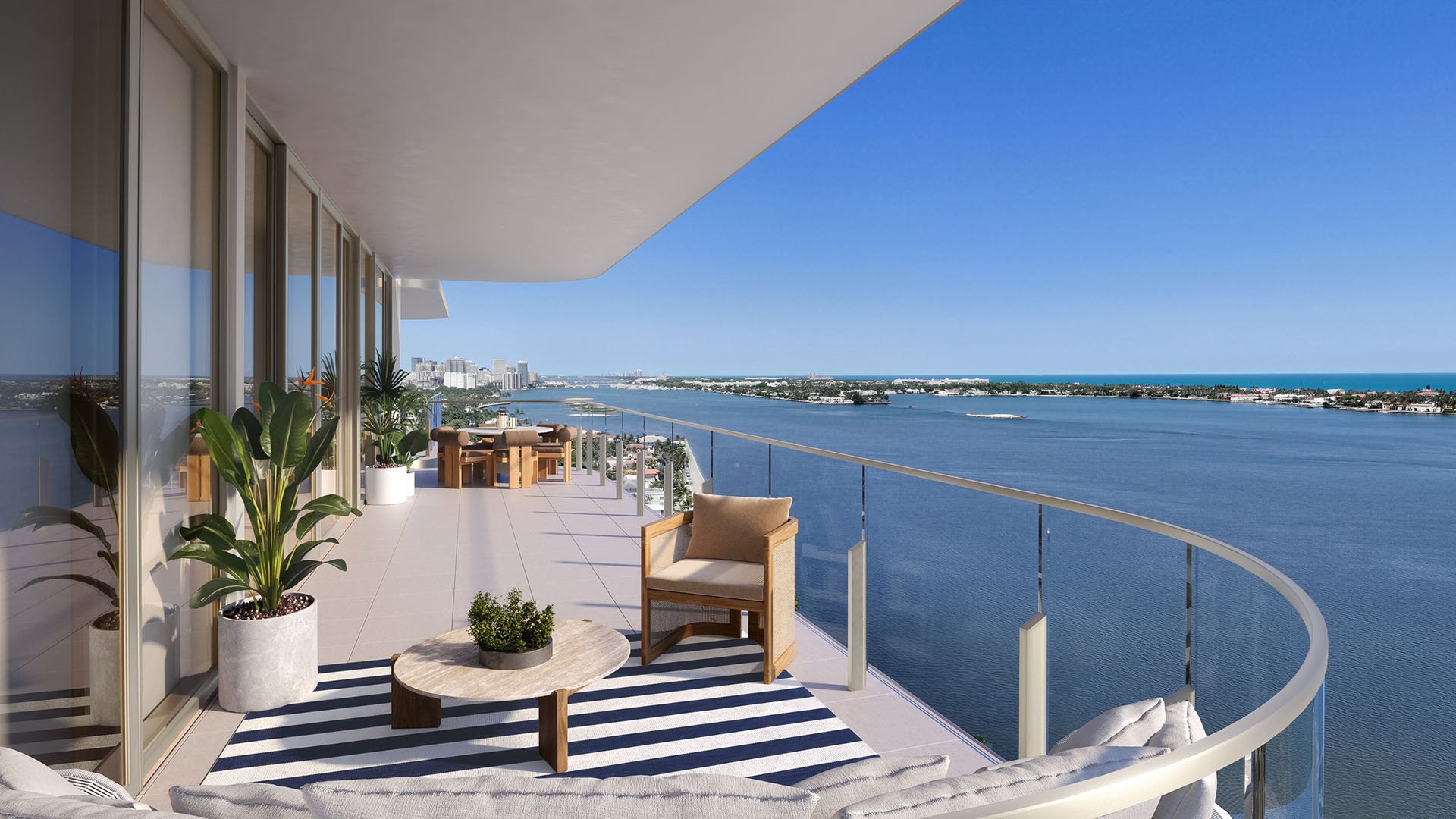
For buyers comparing Maison D'Or South Flagler with The Bristol Palm Beach, the decision is rarely about whether either address belongs in the ultra-luxury conversation. Both sit within the South Flagler waterfront dialogue, where views, scale, privacy, and prestige naturally shape the discussion. The more exacting question is different: how will the building feel on an ordinary Tuesday in July, not only during a polished winter showing?
That distinction matters. Seasonal ownership can reward drama, arrival, and a sense of retreat. Full-time ownership puts greater weight on repetition: where dinner actually happens, how windows and terraces respond to the rhythm of roadway and water, and whether the building’s social atmosphere supports the owner’s preferred way of living. South Flagler is not merely a backdrop. It is a residential corridor, a scenic waterfront setting, and an active urban edge at once.
Even search shorthand such as Palm-beach, West-palm-beach, and Waterview can blur the lived differences between two addresses. Micro-location along the corridor can alter restaurant access, exposure to daily movement, and the mood of coming home.
For a full-time owner, restaurant proximity should not be reduced to whether dining exists nearby. The practical question is how often the trip will realistically be made, how easy it feels after a long day, and whether the building’s location supports spontaneous meals or mainly planned outings.
On South Flagler, the allure of Palm Beach proximity is clear, but proximity and daily ease are not the same. A buyer should ask whether crossing a bridge, arranging a car, or driving for dinner will feel effortless several times a week, or whether it becomes a pleasant but occasional ritual. The same applies to local West Palm Beach dining patterns. A restaurant that appears close on a map may not function as a true neighborhood extension if the route is inconvenient, timing is unpredictable, or the owner prefers to dine without logistics.
This is where Maison D'Or South Flagler and The Bristol Palm Beach should be evaluated through lifestyle rather than branding. One owner may value immediate quiet and accept a short journey for dinner. Another may want a residence that feels more connected to the social current of the waterfront and surrounding city. The correct answer is personal, but the question should be asked with discipline.
Buyers studying the broader West Palm Beach luxury field may also consider projects such as Forté on Flagler West Palm Beach and Shorecrest Flagler Drive West Palm Beach to understand how subtle shifts along the corridor can change the daily dining equation.
Acoustic comfort is not a secondary detail for a 365-day residence. It is one of the conditions that determines whether an apartment remains restful after the novelty of the view has become part of daily life. Along South Flagler, the evaluation should account for more than one source of sound.
Vehicular activity matters because Flagler Drive functions as an active roadway as well as a scenic address. Waterfront and marine activity can also shape the ambient sound profile. Then there is the building itself: glazing, terrace design, mechanical systems, internal circulation, and construction quality can all influence how quiet a home feels when doors are closed and life settles into evening.
This does not mean the corridor should be treated as noisy in any simplistic sense. Waterfront cities have movement, and many owners prefer a sense of life beyond the glass. The key is alignment. A buyer who wants near-monastic calm should test the residence at different times of day and consider the unit’s orientation. A buyer who enjoys urban energy may be comfortable with a more animated setting, provided the residence offers a controlled interior environment.
For Maison D'Or South Flagler, the new ownership conversation should include direct questions about acoustic mitigation and how the building is intended to buffer its waterfront context. For The Bristol Palm Beach, the same lens applies, especially because established buildings can be assessed by how they feel beyond the sales narrative: morning, evening, weekday, weekend, and off-season.
Luxury buyers often ask about privacy, but full-time owners should also ask about social energy. A building can be discreet and still socially warm. It can be highly serviced and yet feel quiet for long stretches outside peak months. It can also feel vibrant in season and more reserved when seasonal residents leave.
The Bristol’s appeal should be considered not only through residence quality, but through the culture of the building during non-peak months. Does it feel inhabited, calm, formal, neighborly, anonymous, or connected? None of those qualities is inherently superior. They simply suit different owners.
Maison D'Or South Flagler, as the new project reference in this comparison, invites a slightly different question: what type of owner community is likely to gather there, and how will the building’s programming support everyday life? The answer may affect everything from lobby atmosphere to the way amenities feel when used repeatedly rather than toured once.
For some buyers, a more active building culture can make full-time residency richer. It creates familiar faces, informal routines, and a sense that the building is alive. For others, the highest luxury is calm: limited interaction, controlled arrivals, and the ability to move through the property with near-complete privacy.
Architecture, finishes, views, and headline pricing are natural starting points, but they are not enough. The stronger comparison separates aesthetic desire from daily function.
Start with the dinner test. Imagine three typical evenings: a quiet meal at home, a spontaneous dinner nearby, and a more formal outing across the water or across town. Which address makes those evenings feel easiest? Then apply the sound test. Stand still and listen, not only from the terrace, but from the primary bedroom, living area, and arrival sequence. Finally, apply the social test. Ask whether the building feels like a retreat, a club, a sanctuary, or a residential community.
This same discipline applies across the area’s luxury set, from Alba West Palm Beach to South Flagler House West Palm Beach. New-construction enthusiasm, resale confidence, and second-home flexibility can each lead to different conclusions. The point is not to crown one address universally. It is to match the building’s rhythm to the owner’s life.
Maison D'Or South Flagler and The Bristol Palm Beach belong in the same refined conversation, but they should not be treated as interchangeable. The deciding factors may be less visible than the view: whether restaurant access feels frictionless, whether acoustic comfort supports rest, and whether the building’s social energy feels natural in every season.
For the buyer who intends to live here year-round, the most valuable due diligence is experiential. Visit at different hours. Think in weekly routines. Ask how often Palm Beach proximity will translate into actual use. Consider whether the waterfront’s movement feels elegant or intrusive. Most importantly, choose the address that supports the life you will live most often, not only the life imagined during a perfect showing.
Is Maison D'Or South Flagler directly comparable to The Bristol Palm Beach? They can be compared as ultra-luxury South Flagler ownership options, but buyers should focus on daily rhythm as much as category.
Why does restaurant proximity matter so much for full-time owners? Full-time residents repeat routines, so dining convenience should be judged by real ease rather than simple map proximity.
Should buyers separate Palm Beach proximity from daily usability? Yes. A nearby destination may still require planning, driving, or bridge crossings that influence how often it is actually used.
Is South Flagler better viewed as a building choice or a corridor choice? It is both. The building matters, but the corridor shapes traffic exposure, waterfront ambience, and everyday atmosphere.
What noise sources should buyers evaluate? Buyers should consider roadway activity, waterfront or marine activity, and the building’s own acoustic design.
Is acoustic comfort more important for full-time residency than seasonal use? Often, yes. A sound profile that feels acceptable for short stays may feel different when experienced every day.
How should buyers assess The Bristol during non-peak months? They should consider how the building feels when seasonal activity slows, including its privacy, energy, and sense of occupancy.
Can a quieter building still feel socially connected? Yes. Social energy is not simply volume or activity; it is the way residents interact, gather, and share the property.
Should new construction be favored over an established building? Not automatically. New construction may offer fresh design, while an established building can reveal its real daily culture.
What is the best way to decide between the two? Test the decision through weekly routines: dining, arrivals, quiet hours, terrace use, and the social atmosphere you prefer.
If you'd like a private walkthrough and a curated shortlist, connect with MILLION.
If branded residences are on your mind — as a home or as an allocation — we would be glad to share what we are seeing, privately.
Begin a quiet conversation