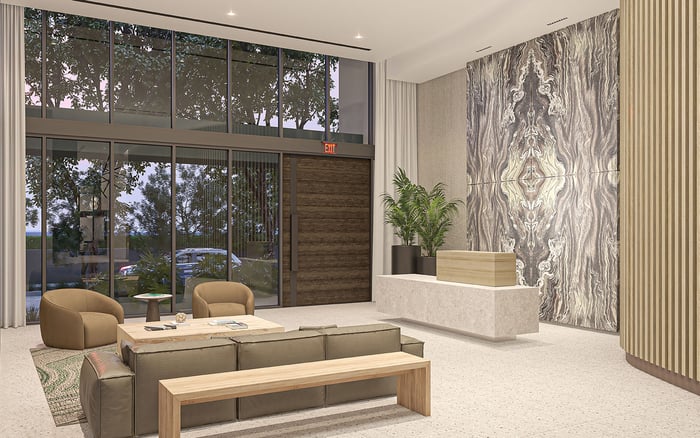
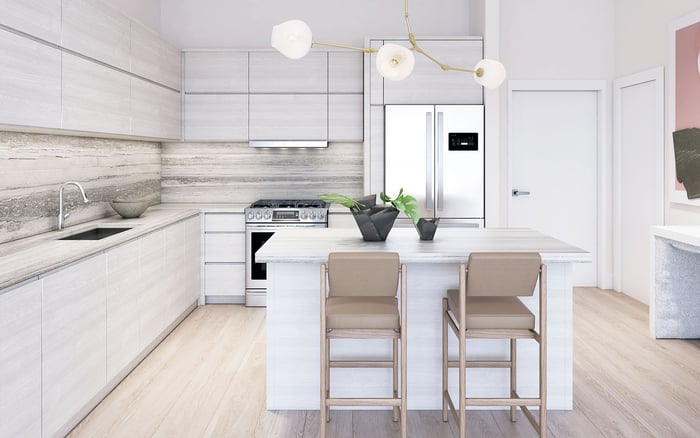
A practical luxury buyer’s guide to comparing The Well Bay Harbor Islands and Four Seasons Residences Coconut Grove through terrace use, balcony governance, outdoor kitchen approvals, and South Florida weather exposure.
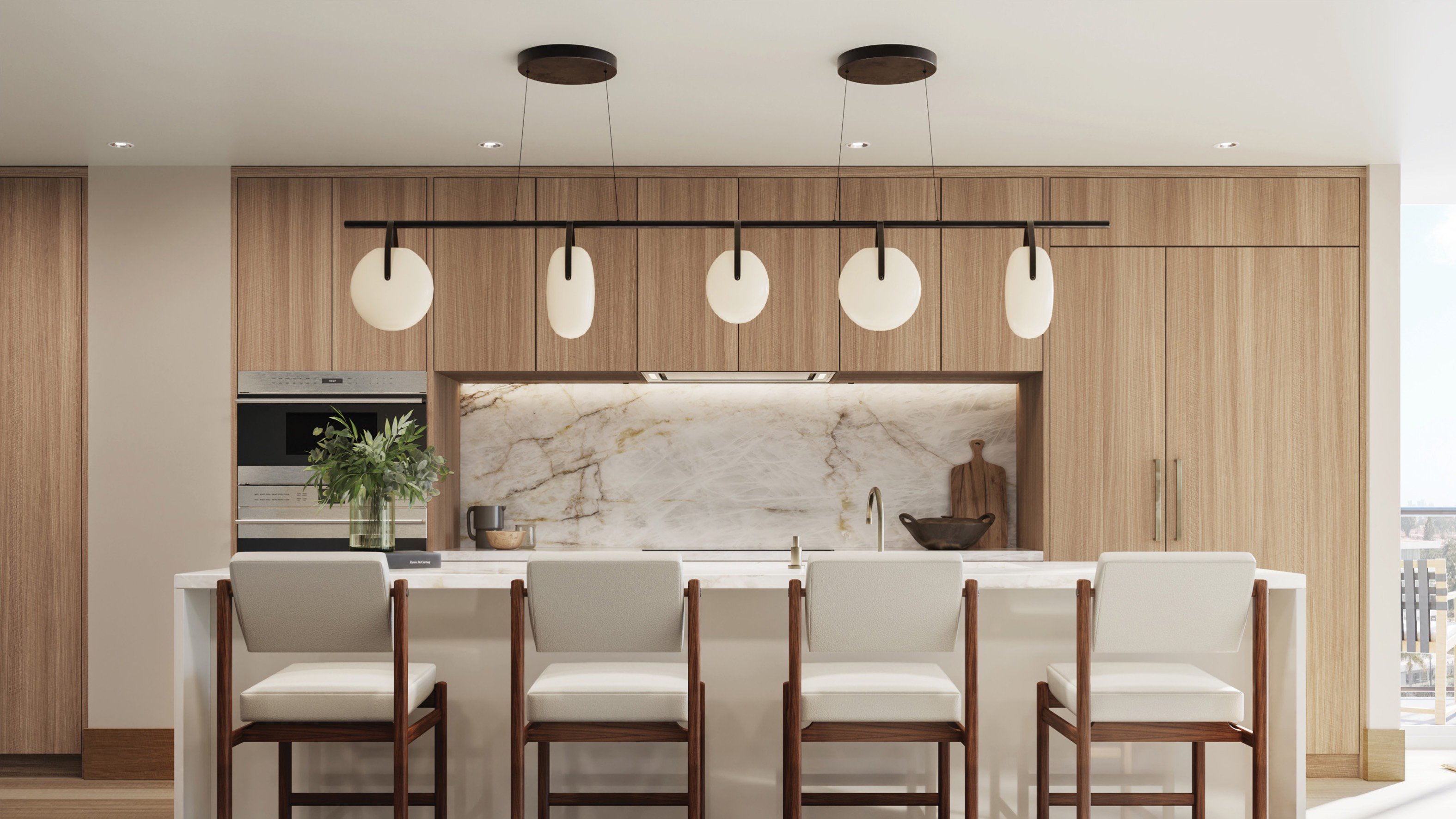
The buyer weighing The Well Bay Harbor Islands against Four Seasons Residences Coconut Grove is not simply choosing between two polished names in two coveted residential enclaves. The more consequential question is how each home will live outdoors. In South Florida, a terrace is not an accessory. It is an extension of the living room, dining room, morning routine, and evening ritual. Yet the value of that outdoor space depends on rules, building systems, and weather tolerance as much as square footage.
That is why a serious comparison should begin with the unglamorous details: balcony rules, outdoor kitchen permissions, furniture limitations, hurricane preparation protocols, drainage, privacy, exposure, and how often the terrace feels comfortable in actual use. A beautiful rendering or dramatic sunset orientation is only part of the equation. The long-term owner will care about whether a grill is permitted, whether planters are restricted, whether cushions must be stored during storms, and whether the layout can handle humidity, salt air, sudden rain, and seasonal wind.
The decision also sits within two distinct lifestyle vocabularies. The Well Bay Harbor Islands speaks to buyers considering Bay Harbor intimacy, wellness-oriented living, and a quieter island rhythm. Four Seasons Residences Coconut Grove speaks to buyers drawn to Coconut Grove atmosphere, mature canopy, and a more established village sensibility. Buyers also monitoring wellness-branded inventory in the Grove may keep The Well Coconut Grove in view, but this comparison remains focused on how Bay Harbor Islands and Coconut Grove residences perform for outdoor living. Both names may attract design-conscious buyers, but terrace practicality is where preferences become personal.
Balcony rules can seem minor during a sales presentation, but they often shape daily life after closing. Buyers should ask for the exact residential documents that govern balcony use, not just a verbal summary. The essential questions are direct: what furniture is permitted, what finishes are restricted, what may be attached to walls or railings, and what must be removed during severe weather advisories?
For a buyer who entertains often, restrictions on storage, sound, lighting, umbrellas, planters, and decorative objects can matter as much as interior finishes. Some owners want a terrace that functions as a private lounge. Others prefer a clean architectural balcony that remains visually consistent with the building. Neither position is wrong, but the governing documents should match the owner’s habits.
This is especially important in branded or wellness-positioned residences, where visual discipline may be central to the residential experience. A buyer comparing The Well Bay Harbor Islands and Four Seasons Residences Coconut Grove should not assume that balcony freedom is identical simply because both sit in the luxury category. The right question is not, “Is there outdoor space?” It is, “What can I do with it every week of the year?”
Outdoor kitchens are among the most emotionally persuasive features in South Florida luxury real estate. They suggest long lunches, quiet breakfasts, family dinners, and effortless entertaining. They also require a more technical review than many buyers expect.
The first issue is permission. A buyer should confirm whether built-in cooking equipment is allowed, whether any appliances must be electric rather than gas, whether ventilation or fire-safety rules apply, and whether future modifications require board or association approval. The second issue is durability. Cabinetry, stone, hardware, appliance finishes, and lighting must be suitable for humidity, wind-driven rain, and coastal air. An outdoor kitchen that looks refined on day one should still feel appropriate after years of seasonal exposure.
The third issue is maintenance responsibility. Buyers should understand who maintains drains, waterproofing, utility connections, and any elements that sit within limited common areas. In a luxury condominium, the boundary between private enjoyment and building-wide responsibility is rarely something to interpret casually. It should be read, clarified, and documented before a buyer treats the terrace as an open-air chef’s kitchen.
The most desirable terrace is not always the largest one. It is often the terrace that can be used most comfortably, most often, and with the least friction. Weather tolerance includes shade, exposure, overhangs, prevailing breezes, privacy, drainage, materials, furniture placement, and storm-readiness.
A deep terrace with a protective overhang may feel calmer during a passing rain than a more exposed balcony. A spectacular open exposure may deliver drama but require more attention to furniture weight, cushion storage, and wind. A terrace with strong privacy may invite daily use, while a visually exposed balcony may become more decorative than functional. Buyers should stand outside, consider the path of the sun, imagine summer humidity, and ask how the space behaves in less-than-perfect conditions.
The distinction is central to the The Well Bay Harbor Islands versus Four Seasons Residences Coconut Grove decision because outdoor living is not abstract in either location. The practical buyer should treat terrace and balcony performance as part of the premium, not as a bonus feature. If a residence commands a luxury price, the exterior space should justify itself through usability, not only photography.
A buyer drawn to The Well Bay Harbor Islands may be prioritizing a smaller-scale island setting, a sense of retreat, and the ability to move between home, water, and neighborhood life with relative ease. In that context, the terrace may function as a restorative space: a place for morning air, reading, wellness routines, and intimate entertaining.
A buyer considering Four Seasons Residences Coconut Grove may be thinking about a different residential rhythm, one connected to the Grove’s established identity and the idea of a home embedded in a long-standing Miami neighborhood. In that context, the terrace may be expected to operate as an elegant outdoor room, with dining, conversation, and layered landscaping playing a greater role.
The comparison should therefore be less about which project has the stronger name and more about which residence aligns with the buyer’s likely use. A second-home owner who visits seasonally may value low-maintenance rules and simple storm protocols. A full-time resident may care more about daily shade, pet routines, outdoor dining, and whether the terrace supports quiet work or family life. An entertainer will examine furniture plans, service access, and cooking rules with particular care.
Before becoming attached to a specific floor plan, buyers should request and review the materials that govern exterior use. This includes condominium documents, rules and regulations, design guidelines, alteration procedures, insurance responsibilities, and any outdoor equipment standards. The review should be specific, written, and tied to the exact residence under consideration.
Important questions include whether grills are allowed, whether outdoor refrigerators or sinks are permitted, whether planters have weight or drainage limitations, whether privacy screens are restricted, whether flooring changes are allowed, and what happens when storm warnings are issued. Buyers should also ask how the building enforces rules. A rule that exists but is rarely enforced creates a different living environment from a rule that is actively monitored.
The most sophisticated buyers do not treat these questions as obstacles. They treat them as part of luxury due diligence. The best residence is not the one with the most permissive rules in theory. It is the one where the rules, architecture, and maintenance culture support the way the owner actually wants to live.
For many buyers, the deciding factor will be the balance between control and convenience. Some owners want a highly curated exterior environment, where every balcony contributes to a consistent architectural composition. Others want more flexibility to personalize the terrace with dining, planting, lighting, and cooking. The preferred answer depends on temperament.
A good test is to describe a normal Saturday. Will the terrace be used for coffee, exercise, work calls, lunch, sunset drinks, dinner, and late conversation? Or will it be a serene visual extension of the interior, used occasionally but expected to remain pristine? Once the buyer answers that honestly, the comparison becomes clearer.
For The Well Bay Harbor Islands and Four Seasons Residences Coconut Grove, the practical question behind the prestige is simple: which residence makes outdoor life easier to enjoy? The answer will come from a careful reading of rules, an honest assessment of weather exposure, and a clear sense of how much outdoor cooking, furnishing, and personalization the buyer truly wants.
Why do balcony rules matter in a luxury condominium? They determine how the terrace can be furnished, decorated, maintained, and prepared for storms, which directly affects daily enjoyment.
Should buyers assume outdoor kitchens are allowed? No. Buyers should confirm permissions, appliance limits, utility requirements, and approval procedures before relying on any outdoor kitchen plan.
Is a larger terrace always better? Not necessarily. Depth, shade, privacy, drainage, and wind exposure can be more important than size alone.
How should a buyer compare The Well Bay Harbor Islands with Four Seasons Residences Coconut Grove? Compare daily lifestyle, governing rules, terrace usability, and neighborhood rhythm rather than relying only on brand recognition.
What should be reviewed before contract? Condominium documents, rules and regulations, design guidelines, alteration policies, and exterior-use restrictions should all be reviewed.
Can balcony furniture be restricted? Yes. Buildings may regulate furniture type, placement, storage, umbrellas, planters, lighting, and items visible from the exterior.
Why is weather tolerance important in South Florida? Heat, humidity, wind, rain, and storm preparation can influence how often an outdoor space is genuinely usable.
Do branded residences always have stricter terrace rules? Not always. The exact documents and enforcement culture matter more than the category or reputation of the residence.
What should second-home buyers consider about outdoor living? They should focus on low-friction maintenance, storm preparation, storage expectations, and whether the terrace remains easy to use during seasonal visits.
What is the best way to shortlist comparable options for touring? Start with location fit, delivery status, and daily lifestyle priorities, then compare stacks and elevations to validate views and privacy.
When you're ready to tour or underwrite the options, connect with MILLION.
If branded residences are on your mind — as a home or as an allocation — we would be glad to share what we are seeing, privately.
Begin a quiet conversation