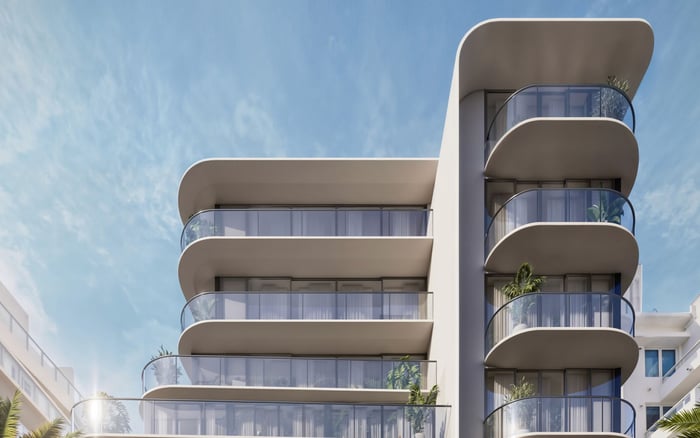
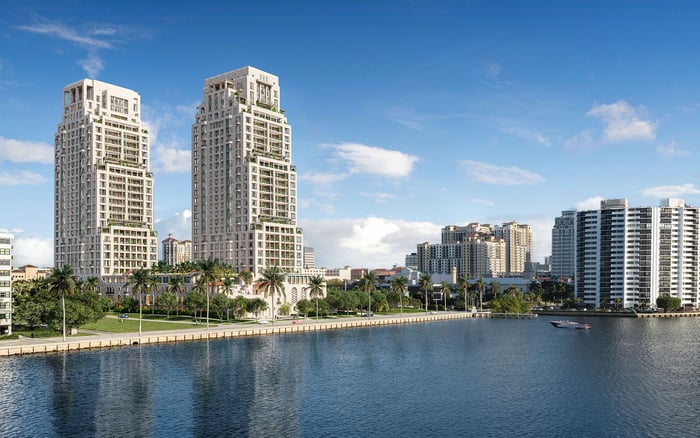
At The Well Bay Harbor Islands, quiet-floor selection is not a minor preference. For wellness-driven buyers, floor, stack, exposure, amenity adjacency, and mechanical separation can shape how fully the residence delivers on its promise of daily calm.
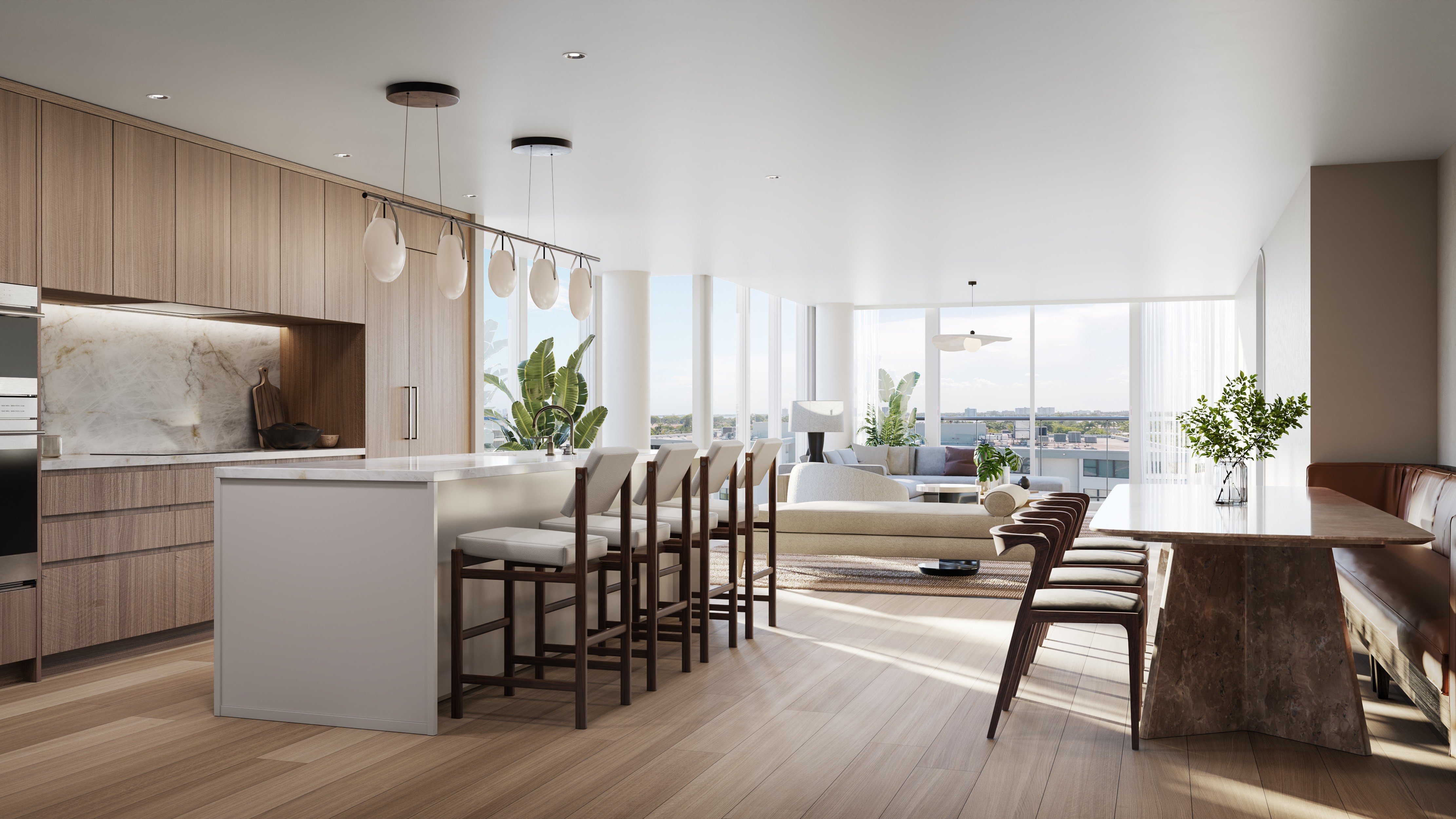
At The Well Bay Harbor Islands, the buyer decision is not only about architecture, finishes, amenities, or the prestige of a boutique wellness condominium. It is also about how the residence feels at 7 a.m., during a focused work call, after dinner, and in the quiet hours before sleep. In a project built around wellness, the sensory environment becomes part of the product itself.
That is why quiet-floor selection deserves serious attention. The Well Bay Harbor Islands sits in a setting that supports a calmer residential narrative than denser South Florida corridors, yet no buyer should assume every floor, line, and exposure will perform the same way. Floor height, stack position, amenity adjacency, vertical circulation, and mechanical separation can all shape perceived calm.
For the MILLION buyer, this is not overthinking. It is due diligence. A wellness-branded home that feels noisy may underdeliver on the lifestyle expectation that attracted the buyer in the first place.
Luxury buyers often begin with the familiar hierarchy: view, size, terrace, layout, price, and finishes. In a wellness-oriented condominium, however, quietness belongs in that same first tier. A residence can be beautifully planned and still feel compromised if its daily acoustic environment does not match the buyer’s needs.
The quietest choice is not automatically the highest floor. In a boutique building, the sharper question is whether the selected floor balances views, privacy, amenity access, mechanical separation, and acoustic comfort. Some lower floors may carry more exposure to street-level activity, including traffic, service movement, landscaping, or pedestrian sound. Some higher floors may reduce street noise but introduce other considerations if they sit near rooftop amenity areas or mechanical systems.
This is where the buyer’s lifestyle matters. A seasonal owner who values easy amenity access may make a different tradeoff than a full-time resident who works from home. A multigenerational household may prioritize bedrooms away from activity zones. A wellness-driven couple may care less about maximum elevation and more about a stack that feels consistent, private, and calm.
Bay Harbor Islands’ low- to mid-rise residential character helps frame the project as a quieter alternative to high-rise, nightlife-driven, or heavily commercial neighborhoods. That broader setting is part of the appeal. It supports the idea of a residential retreat, close to the larger Miami luxury ecosystem but not defined by the same intensity.
Still, neighborhood calm and residence-level calm are not identical. A buyer comparing The Well Bay Harbor Islands should look beyond the general Bay Harbor narrative and ask how each line interacts with its immediate surroundings. Which exposure faces the quieter side? Where is the most active arrival sequence? What is above, below, and beside the unit? How close is the residence to elevator banks, amenity entries, service routes, or lobby activity?
These questions are especially important for buyers who might otherwise focus only on the romance of boutique scale. Boutique does not mean silent. It means the buyer has an opportunity to study a more intimate building environment with greater precision.
Lower floors can offer convenience, a closer relationship to the street, and potentially easier access to common areas. They may also be more exposed to street-level sounds such as vehicles, landscaping, service activity, and pedestrian movement. For some buyers, that energy is acceptable. For others, it may conflict with the expectation of sanctuary.
Higher floors can create more separation from street noise and may feel more private. Yet higher placement should not be treated as an automatic answer. If the building’s wellness, pool, fitness, or rooftop programming sits nearby, intermittent activity may become part of the residential experience. Mechanical systems can also matter, especially for buyers sensitive to vibration, hum, or operational sound.
The middle ground can be compelling when it avoids both the liveliest street-level conditions and the most active upper-level zones. But the right conclusion still depends on the actual stack, exposure, and adjacency. The most disciplined buyer evaluates the residence vertically and laterally, not just by floor number.
In wellness real estate, amenities are a major part of the value proposition. At the same time, amenity placement can affect the quietness of nearby residences. Homes close to wellness areas, pool zones, fitness spaces, lobby corridors, elevators, or service paths may experience more intermittent activity than units more deeply buffered within the building.
This does not make amenity-adjacent residences undesirable. For some owners, proximity is a feature. The issue is alignment. If a buyer wants effortless access to wellness programming, an amenity-adjacent floor may make practical sense. If the buyer’s main priority is restoration, sleep quality, or calm work-from-home conditions, more separation may be the better luxury.
Pre-construction and new-construction buyers should be especially thoughtful because they may be selecting from plans, presentations, and representative materials rather than lived experience. In that setting, questions become valuable: What sits above the primary bedroom? What is below the living area? Where are the elevator cores? Which walls face active circulation? Where are the mechanical rooms? Which exposure carries the least activity?
A quiet-floor strategy is partly about comfort and partly about risk management. The Well Bay Harbor Islands is positioned around wellness, which means buyers are likely to judge it through the lens of how the home supports daily well-being. Sleep quality, stress reduction, work-from-home productivity, and multigenerational comfort all depend on more than visual beauty.
The practical risk is a mismatch between brand promise and lived experience. If the residence is marketed and purchased as a calm, restorative home, but the selected floor feels busy or acoustically exposed, the buyer may feel that the project’s core lifestyle proposition has been diluted. That is why quietness belongs beside pricing, layout, design, and amenities in the decision matrix.
There is also a future resale dimension. Buyers of a wellness-focused condominium may scrutinize livability and calm as much as finishes or views. A residence that feels serene in practice can be easier to understand and defend when future buyers walk through it. In the upper tier of South Florida real estate, subtle sensory qualities often influence confidence.
The best quiet-floor decision starts with a simple map of daily life. Where will the owner sleep? Where will they work? Where will children, guests, or older family members spend time? Which rooms require the most acoustic comfort? The answers may make one stack more compelling than another, even if another residence has a more dramatic view.
Next, study exposure. Not every side of a building receives the same level of activity. A residence facing a quieter residential edge may feel different from one oriented toward more movement. Then study vertical adjacency. A buyer should understand what is above and below the residence, not merely what is on the same floor.
Finally, weigh convenience against quiet. Luxury often asks buyers to choose between proximity and privacy. The most appealing residence is not necessarily the one closest to the amenities, nor the one farthest away. It is the home where access, retreat, and acoustic comfort are in proportion.
For The Well Bay Harbor Islands, the strongest fit is likely a residence where the wellness brand promise aligns with the actual acoustic experience of the selected floor and stack. That alignment is what turns a beautiful condominium into a daily sanctuary.
Is the highest floor always the quietest choice at The Well Bay Harbor Islands? No. Higher floors may reduce street noise, but proximity to rooftop amenities or mechanical systems can introduce other considerations.
Why does quiet-floor selection matter more in a wellness condominium? A wellness residence is judged by how it feels day to day, so ambient calm becomes central to the buyer’s lifestyle expectation.
What should buyers ask before choosing a floor? Buyers should ask what is above, below, and beside the residence, including amenities, elevators, service zones, and mechanical areas.
Are lower floors always less desirable for quietness? Not always, but they may be more exposed to street-level sounds such as traffic, service activity, landscaping, and pedestrians.
Can higher floors have acoustic drawbacks? Yes. They may be farther from street noise but closer to rooftop programming or building systems, depending on the plan.
How does Bay Harbor Islands support the quiet-luxury narrative? Its low- to mid-rise residential character helps position the area as calmer than more commercial or nightlife-driven corridors.
Should quietness be weighed against price? Yes. Quiet-floor selection should be evaluated alongside residence pricing, layout, design, amenities, and brand alignment.
Can amenity proximity be a positive? Yes. Some buyers value convenience, but others may prefer greater separation from pool, fitness, lobby, or wellness activity.
Does quietness affect resale potential? It may. Future wellness-focused buyers are likely to evaluate livability and calm as carefully as views and finishes.
What is the best way to shortlist comparable options for touring? Start with location fit, delivery status, and daily lifestyle priorities, then compare stacks and elevations to validate views and privacy.
For a tailored shortlist and next-step guidance, connect with MILLION.
If branded residences are on your mind — as a home or as an allocation — we would be glad to share what we are seeing, privately.
Begin a quiet conversation