For Miami condo buyers, the most compelling residence is not always the one with the most cinematic view. In a market where ownership costs, association health, and long-term flexibility increasingly shape decision-making, working-capital contributions can deserve the same attention as sightlines.
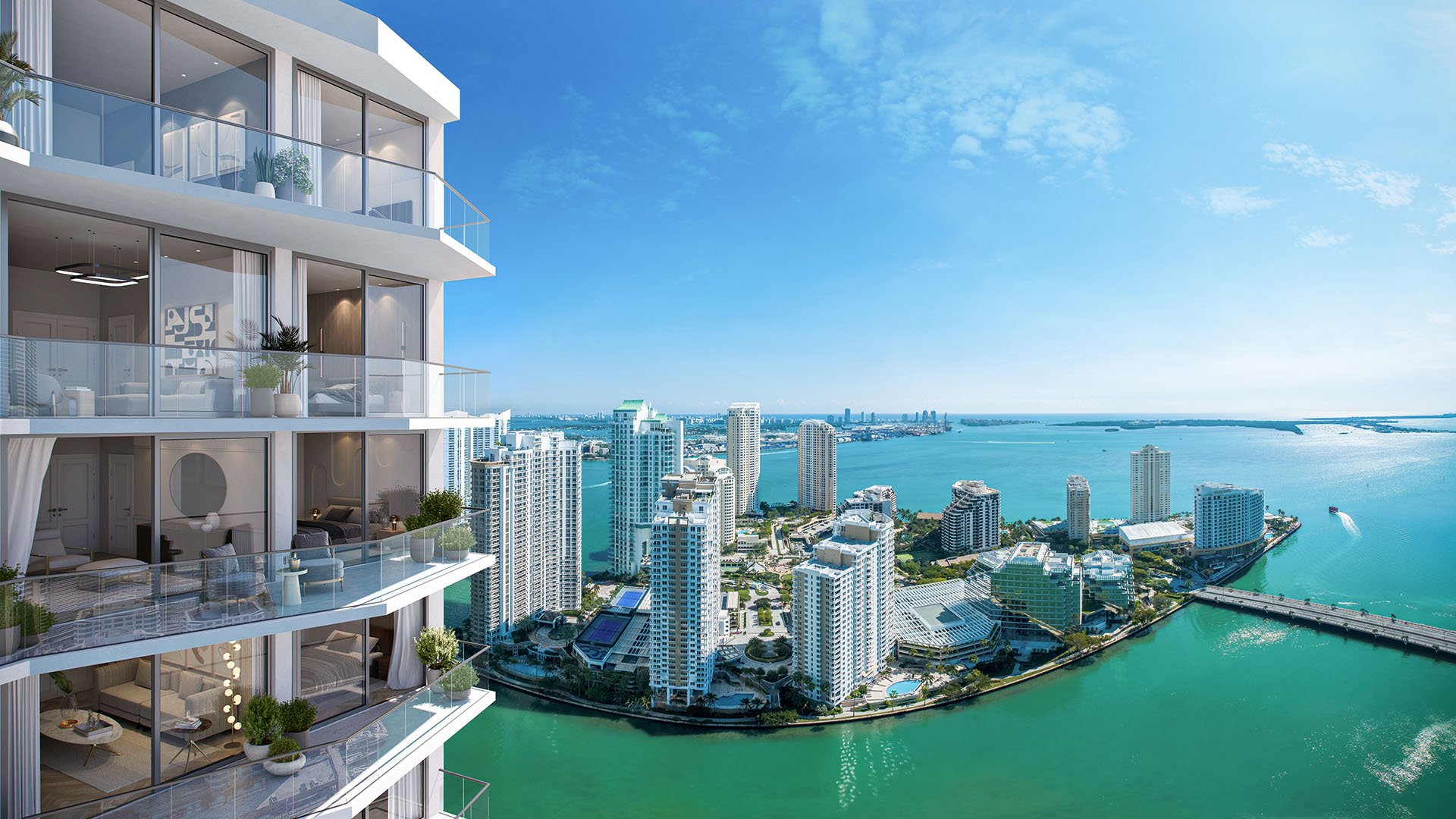
In Miami, the view has long been the seduction. A wide bay exposure, a clean ocean horizon, a sunset line over the skyline, or a high-floor perspective that makes the city feel private can still move a buyer before a spreadsheet ever opens. Yet the most disciplined condo search today often begins with a quieter question: what is the building asking new owners to contribute beyond the purchase price?
Working-capital contributions are not glamorous. They do not photograph well, and they rarely define the first impression of a residence. But for a buyer considering a Miami condo as a primary home, seasonal retreat, or investment, they can reveal how a condominium community thinks about liquidity, future obligations, and the shared cost of maintaining a premium living environment.
That is why more sophisticated buyers are weighing a building’s financial structure against the allure of a particular view. The water may be timeless, but the ownership experience is shaped every month by the association behind the glass.
A working-capital contribution is typically a payment made by a buyer to a condominium association at closing. Its purpose is usually to help fund the association’s operating needs, reserves, or general financial position. The exact structure can vary by building, governing documents, and transaction type, so buyers should review the specific language rather than rely on assumptions.
For luxury buyers, the important point is not merely the amount. It is what the contribution signals. A well-explained contribution can indicate that a community is intentional about cash flow and continuity. A vague or unexpectedly high requirement can invite further questions about budget pressure, deferred maintenance, or future assessments.
In other words, working capital is not simply a closing-cost line item. It is part of the building’s financial architecture. Just as a buyer evaluates ceiling heights, service culture, parking, staff, amenities, and privacy, the association’s funding posture belongs in the same conversation.
Views create emotional momentum. A buyer can step onto a terrace and feel the search is over. That instinct is understandable, especially in Miami Beach, Sunny Isles, and along the bayfront corridors where light, water, and skyline become a daily ritual.
But a view is only one dimension of value. The stronger question is whether the residence sits inside a building prepared to support its physical and operational standard over time. A spectacular outlook inside a financially strained association may not feel as elegant after repeated special discussions, rising monthly obligations, or uncertainty about future projects.
This does not mean buyers should dismiss the view. In Miami, exposure, floor height, and orientation remain meaningful elements of desire. The point is balance. A slightly less dramatic view in a better-capitalized building may offer a more stable ownership experience than the trophy line in a community where the financial picture requires closer scrutiny.
The ultra-premium buyer has always looked beyond finishes. Today, that diligence is more pronounced. The best searches now examine the condominium as a small private institution, not just a collection of residences. Buyers want to understand how the association collects, allocates, and anticipates money.
This is especially relevant in resale opportunities, where the building’s history, board culture, maintenance rhythm, and financial documentation can carry as much weight as the interior renovation. It is also relevant in new construction, where buyers may compare projected association costs, initial funding mechanics, and the long-term responsibilities that begin after delivery.
In practical search notes, Brickell, Miami Beach, and Sunny Isles each attract buyers who may be comparing very different ownership profiles, even when the views appear similarly compelling. A waterfront setting, a branded amenity program, and a dramatic tower presence all matter, but none should substitute for reading the financial documents.
A working-capital contribution is not automatically a warning sign. In some cases, it can be a prudent mechanism that strengthens the association when ownership changes hands. A well-managed building may use these contributions to support smooth operations and preserve standards without leaning too heavily on existing owners.
The better approach is to place the contribution in context. How is it calculated? Is it a fixed amount, a number tied to monthly assessments, or another formula? Is it refundable or nonrefundable? Does the association apply it to operating funds, reserves, or another account? Is the requirement consistent with the building’s governing documents?
Buyers should also compare the contribution with the larger financial picture. A modest contribution in a building with unclear planning may deserve more attention than a larger contribution in a community with transparent documents and a coherent funding philosophy. The number matters, but the explanation matters more.
Luxury real estate often prices what can be seen. In Miami condos, that can mean open water, unobstructed skyline, sunrise orientation, sunset color, or a protected perspective that feels difficult to replicate. Those premiums are real because buyers assign emotional and practical value to them.
Working capital belongs to a different category. It is part of the ownership premium: the cost and structure behind living well in a shared vertical environment. Elevators, lobbies, staff, pools, mechanical systems, landscaping, security, and common areas all rely on financial planning. The more ambitious the building, the more important that planning becomes.
A buyer deciding between two residences may find that the view premium is easy to understand, while the ownership premium requires deeper review. That is precisely why it is often overlooked. The balcony creates desire in minutes. The budget creates confidence over years.
Before a buyer commits to the most visually impressive unit, several questions should come first. What is the working-capital contribution, and when is it due? Has it changed recently? Does it apply equally to every buyer? How does it interact with regular assessments, transfer fees, reserve funding, or other association requirements?
Buyers should also ask whether there are pending discussions that may affect future costs. A building does not need to be perfect to be compelling, but surprises are rarely luxurious. The goal is to understand the path of ownership clearly enough that the view feels like a reward, not a distraction.
For international and seasonal buyers, this diligence is especially important because the property may be used part time while obligations continue year-round. In that context, the association’s financial discipline becomes a form of service. It protects not only the physical asset, but also the owner’s peace of mind.
The most refined Miami condo purchase is not anti-romantic. It still honors the emotional power of arrival, light, water, architecture, and privacy. But it also recognizes that the finest residences are supported by institutions that function well.
Working-capital contributions deserve attention because they reveal how a building prepares for continuity. They can help buyers distinguish between a beautiful apartment and a durable ownership proposition. In a city where views are abundant but building quality varies, that distinction can be decisive.
The ideal result is not to choose finance over beauty. It is to insist that both be present. The right Miami condo should make the buyer pause at the window and feel equally composed when reviewing the closing statement.
What is a working-capital contribution in a condo purchase? It is generally a payment made by a buyer to the condominium association at closing to support the building’s financial needs. The specific terms depend on the building’s documents.
Is a working-capital contribution the same as a special assessment? Not necessarily. A contribution is often tied to a transfer or purchase, while a special assessment is usually a separate charge approved for a defined association need.
Should a high contribution make me avoid a building? Not automatically. The key is understanding why it exists, how it is calculated, and whether the building’s broader finances appear coherent.
Can a better view justify weaker association finances? A buyer may decide that it does, but it increases the importance of diligence. The best decision considers both emotional value and ownership stability.
Do working-capital contributions affect resale value? They can influence buyer perception because they shape the total cost of acquisition. A transparent, well-managed structure may support confidence.
Where should buyers look for the contribution requirement? Buyers should review the condominium documents, budget materials, estoppel information, and closing disclosures with qualified advisors.
Are these contributions more relevant in older buildings? They can matter in any building. Resale properties and new-construction communities may both use funding mechanisms that deserve careful review.
How should seasonal buyers think about this cost? Seasonal buyers should consider it part of the total ownership framework, especially because association obligations continue even when the residence is not in use.
Can the contribution be negotiated? Sometimes transaction economics can be negotiated between buyer and seller, but association requirements themselves are usually governed by building documents.
What should come first, the view or the financial review? The view may start the conversation, but the financial review should guide the final decision. A disciplined buyer gives both equal respect.
When you're ready to tour or underwrite the options, connect with MILLION.
If branded residences are on your mind — as a home or as an allocation — we would be glad to share what we are seeing, privately.
Begin a quiet conversation