A refined, buyer-focused comparison of Surfside and Bal Harbour across beach lifestyle, bay orientation, school planning, privacy, and luxury condominium fit.
For the luxury buyer comparing Surfside and Bal Harbour, the question is not which address is more prestigious. Both can satisfy an oceanfront brief. Both can support a seasonal residence, a full-time family base, or a discreet lock-and-leave condominium. The distinction is more nuanced: how one wants to arrive, move, entertain, educate children, and retreat at the end of the day.
Surfside tends to appeal to buyers who want the beach to feel residential, calm, and integrated into ordinary life. Bal Harbour often attracts those who want a more formal arrival, a polished hospitality tone, and a residence closely aligned with luxury service culture. Neither is universally superior. The stronger choice is the one that matches the household’s tolerance for visibility, desire for convenience, and definition of privacy.
In a search brief, Bal Harbour may appear as shorthand, but the decision should be more precise than a label. A buyer who begins with oceanfront and beach-access criteria will quickly discover that fit depends on building scale, lobby choreography, valet protocol, terrace exposure, and how often the residence will be used.
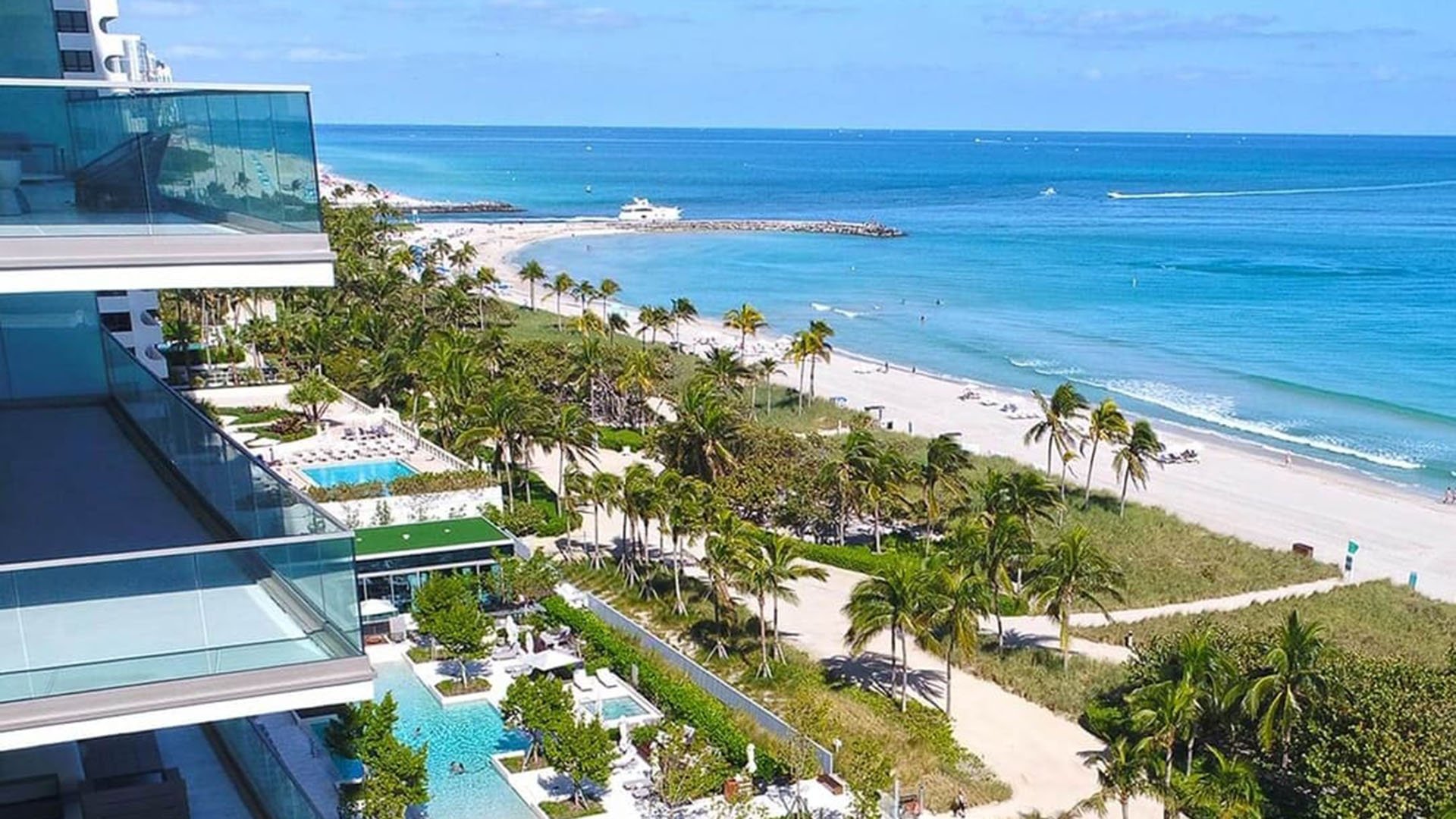
The beach comparison begins with temperament. Surfside’s strongest appeal is the feeling of being connected to the shoreline without needing the address to perform. Buyers often respond to the idea of a quieter beach routine, where the morning walk, the swim, and the return home feel unforced. The best Surfside searches are not merely about proximity to sand. They are about whether the building’s relationship to the beach supports a private, low-friction day.
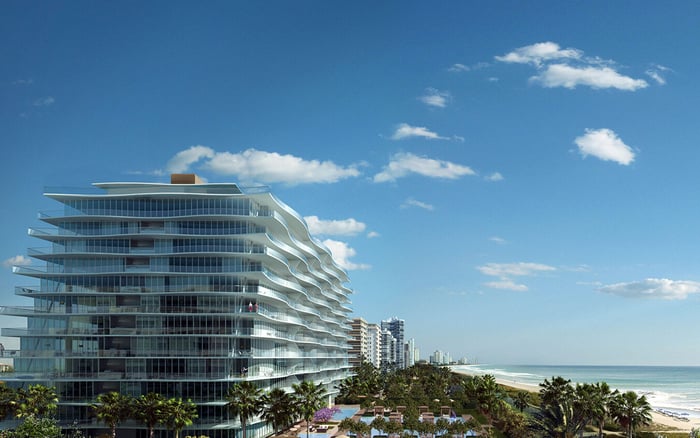
That is why a residence such as The Delmore Surfside belongs naturally in the conversation for buyers studying new-generation Surfside living. It provides a useful reference point for comparing how contemporary oceanfront residences frame discretion, service, and daily access to the water.
Bal Harbour’s beach proposition is different. It often feels more composed, with a stronger sense of ceremony in how residents and guests experience the address. For some buyers, that is the attraction. A Bal Harbour home can feel like a private residence with a resort-level perimeter, especially for those who want the ocean nearby while also valuing a more curated arrival sequence.
A tour that includes Rivage Bal Harbour can help buyers determine whether that more polished version of oceanfront living suits their routine. The question is not only how the beach looks from the terrace. It is whether the building’s service culture, entry experience, and circulation patterns feel natural to the owner.
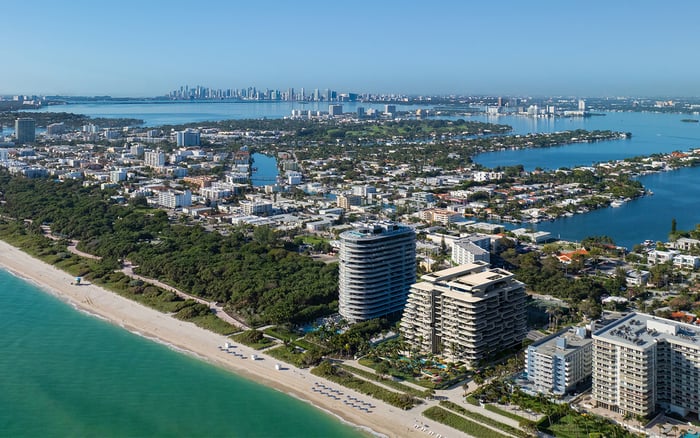
Many buyers enter the Surfside versus Bal Harbour discussion focused on the Atlantic, then realize that bay orientation may matter just as much. The bay can introduce a softer mood: sunset color, calmer water, and a different sense of depth. For households that entertain in the evening, or that prefer less direct beach exposure, the bay side can carry emotional value beyond square footage.
The mistake is treating bay and beach as interchangeable. They serve different patterns of use. Oceanfront living is immediate, elemental, and often dramatic. Bay-facing living can feel quieter, more reflective, and more connected to evening life. A buyer should ask when the home will be occupied most often. Morning swimmers and sunrise-oriented owners may prioritize the beach. Evening hosts and privacy-minded residents may give more weight to the bay.
In Surfside, a buyer might study Ocean House Surfside as part of a broader comparison of how smaller-scale luxury can feel against the shoreline. In Bal Harbour, Oceana Bal Harbour offers another reference point for evaluating how a residence’s setting, exposure, and arrival language shape the owner experience.
The key is to avoid buying a view in isolation. Better analysis includes sun path, terrace usability, neighboring exposure, elevator experience, and how guests move from arrival to living room. A spectacular view can lose force if the approach to the residence feels public or inefficient.
For families, schools are often discussed too late. The address may be beautiful, the residence may be rare, and the building may suit the parents perfectly, but the child’s commute and admissions path can reshape the entire decision. In this comparison, no buyer should assume that a municipal boundary alone resolves the school question.
The more intelligent approach is to build a family calendar before choosing between Surfside and Bal Harbour. Where will children attend school now, and where might they attend in three years? What is the tolerance for morning traffic, afternoon activities, sports, tutoring, and weekend social plans? A private-school strategy can make either community workable, but it should be verified before a contract becomes emotionally inevitable.
Families also need to examine how the building supports school-day life. Is the valet sequence efficient at peak hours? Is there a comfortable waiting area for drivers or caregivers? Can children move from residence to car without crossing heavily trafficked public spaces? Are elevators, storage, and service areas designed for real family logistics rather than only seasonal use?
Surfside may appeal to families who prefer a calmer residential rhythm. Bal Harbour may appeal to families who value a more polished, service-led environment. The right answer depends less on the name of the town and more on how the household actually operates from Monday to Friday.
Privacy is often described too broadly. In practice, it is built from small design decisions. A private residence begins before the front door: curb cut, lobby depth, staff discretion, elevator access, garage movement, package handling, and visitor reception. A boutique building may feel more intimate, but it can also feel more exposed if circulation is not well choreographed. A larger building may feel less personal, yet offer more layers between the street and the residence.
Surfside’s privacy advantage, for the right buyer, is psychological. It can feel less performative, especially for owners who do not want every return home to feel like a public arrival. This is one reason The Surf Club Four Seasons Surfside remains a meaningful reference in conversations about discretion, service, and oceanfront identity in Surfside.
Bal Harbour’s privacy advantage is often tied to polish. Buyers who appreciate a strong service envelope may prefer the sense that the building, staff, and arrival sequence are designed to manage visibility with precision. The tradeoff is that a more formal environment may feel less relaxed to buyers who want a quieter, less staged daily life.
The privacy audit should include three questions. Who sees you arrive? Who shares the elevator path? What does the residence expose when the doors open? A name address is not enough. The true luxury is the ability to live beautifully without feeling observed.
Surfside is a compelling fit for the buyer who wants oceanfront living with a softer residential mood. It suits those who value calm over ceremony, who want the beach to function as an extension of home, and who prefer an atmosphere that feels less destination-driven. It can be especially attractive to buyers who want architectural quality without constant social visibility.
Bal Harbour is a stronger fit for the buyer who wants refinement, service, and a more formal residential experience. It suits owners who appreciate polished common areas, highly managed arrivals, and a setting that feels intentionally curated. For some, that formality is comfort. For others, it may feel too visible.
The best decision is made after touring both through the lens of a single day. Arrive as you would after travel. Walk the beach at the hour you will actually use it. Sit on the terrace long enough to understand sound, light, and exposure. Then test the school run, the dinner plan, the guest arrival, and the late-night return. The address that feels easiest during those ordinary moments is usually the right one.
Is Surfside more private than Bal Harbour? It can feel more private for buyers who prefer a quieter residential rhythm, but true privacy depends on the building, floor plan, staff protocol, and arrival sequence.
Is Bal Harbour more formal than Surfside? Bal Harbour often reads as more polished and service-oriented, while Surfside may feel softer and more residential in daily use.
Which is better for beach access? The better choice depends on how the building connects residents to the beach, not just whether it is near the water.
Should bay views be considered alongside ocean views? Yes. Bay views can offer sunset light, a calmer mood, and a more discreet atmosphere for evening living.
Are schools a deciding factor between the two areas? They can be, but families should verify admissions, commute patterns, and daily logistics before relying on an address alone.
Is Surfside better for families? Surfside may suit families seeking a calmer routine, but the right fit depends on school plans, building function, and household schedule.
Is Bal Harbour better for a lock-and-leave residence? It may suit buyers who value a highly managed service environment, though each building should be evaluated individually.
What should privacy-focused buyers inspect first? They should study the curb arrival, lobby exposure, elevator access, staff discretion, and terrace sightlines.
Can a boutique building be more private? Sometimes, but smaller scale alone does not guarantee privacy if circulation and service areas are poorly organized.
Should buyers tour Surfside and Bal Harbour on the same day? Yes. Seeing both in one sequence helps clarify which rhythm, beach experience, and arrival style feels more natural.
For a confidential assessment and a building-by-building shortlist, connect with MILLION.
If branded residences are on your mind — as a home or as an allocation — we would be glad to share what we are seeing, privately.
Begin a quiet conversation