Full-service hospitality in branded residences can feel effortless, but it is never free. This buyer-oriented guide breaks down where the costs live, how they show up over time, and what to ask before you sign.
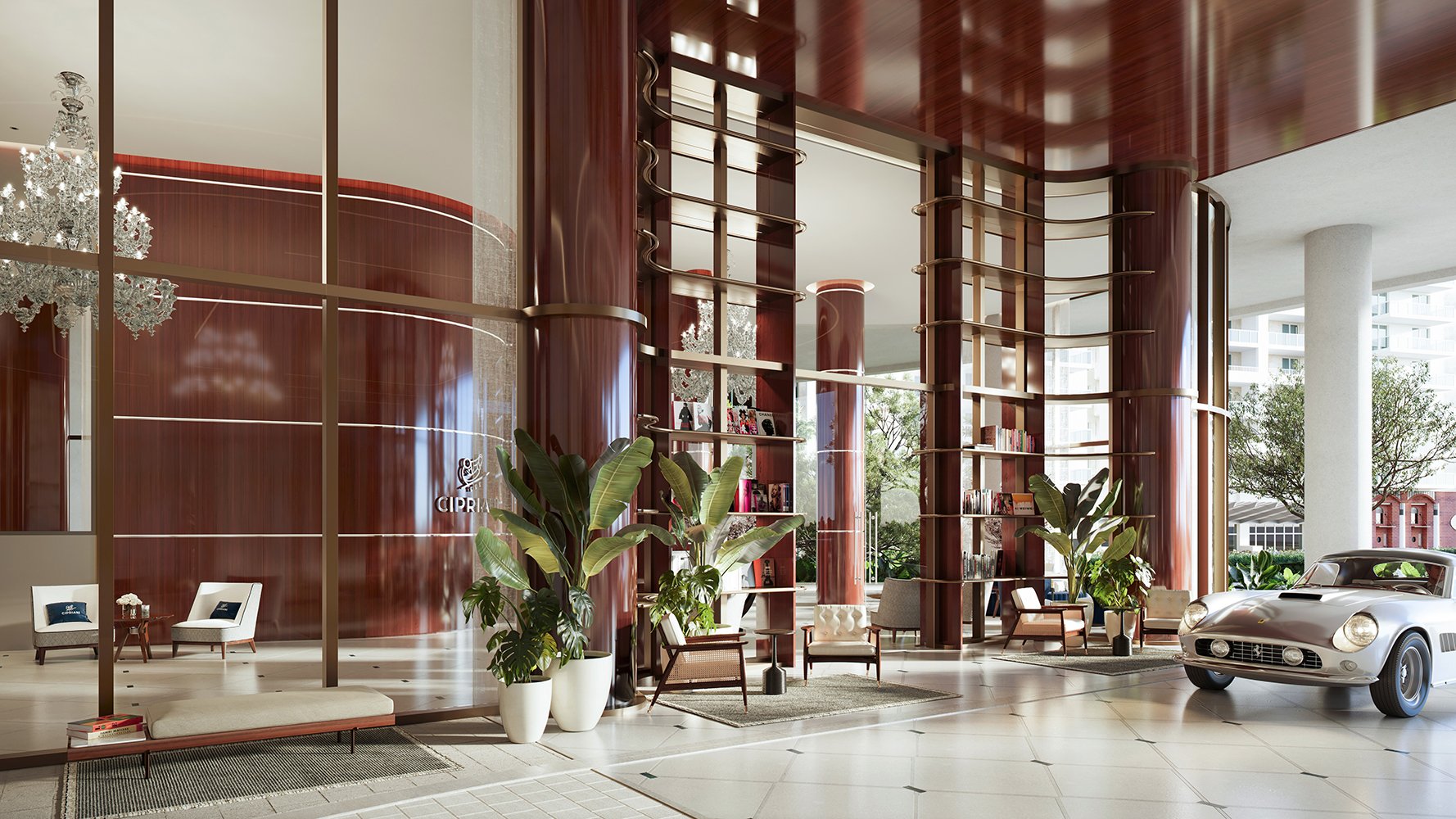
In South Florida, branded residences have shifted from a marketing flourish to a highly specific operating promise: someone answers, someone arranges, someone delivers. The experience can feel exceptionally seamless, especially for second-home owners and frequent travelers. Yet sophisticated buyers share a simple understanding: full-service hospitality is not an object you purchase once-it’s an ongoing service you fund every day.
What makes the numbers difficult to track is that the true cost rarely lives in a single line item. It’s distributed across building operations, brand standards, staffing, technology, and the soft-but-real work of maintaining a consistent tone at every resident touchpoint. If hotel-caliber service at home is the goal, the right next move is to underwrite it like any long-term obligation.
In neighborhoods like Brickell, the brand narrative can be as compelling as the architecture. It’s also why buyers comparing 888 Brickell by Dolce & Gabbana to a non-branded luxury tower should treat “service” as its own asset class-with its own carrying costs.
Full-service hospitality amenities typically show up as a mix of predictable monthly costs and variable, usage-based charges. The goal isn’t to avoid them-it’s to see them clearly.
Concierge, door staff, valet coordination, package management, security integration, housekeeping coordination, pool attendants, spa personnel, engineering, and an on-site management team are labor-intensive. Labor is also inflation-sensitive. Even if your personal use of services is light, the building’s promise is funded collectively.
A practical way to frame it: even a “quiet” lobby requires coverage, training, supervision, and consistent standards. The more a building leans into hospitality, the more it functions like a small hotel-even when it is legally a residential condominium.
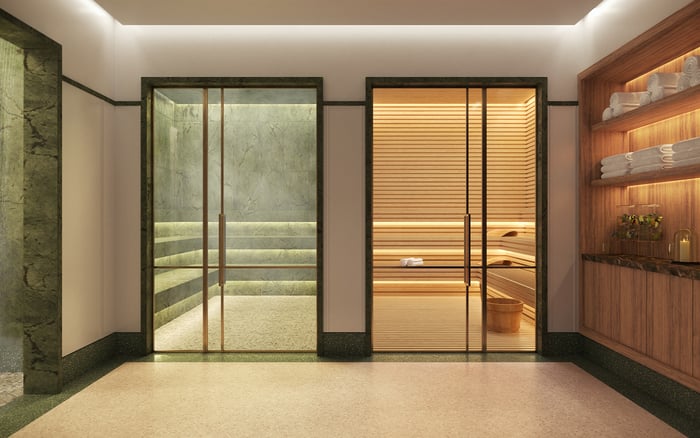
Amenity decks, spa suites, treatment rooms, wellness studios, lounges, screening rooms, and private dining spaces may be stunning, but they’re also mechanically complex and finish-heavy. Waterproofing, HVAC loads, filtration systems, elevators, access controls, and high-end surfaces all require ongoing care. These aren’t one-time capital expenses-they’re recurring commitments.
Oceanfront buildings add another layer: salt air, wind exposure, and continuous exterior maintenance. When you’re underwriting an ocean-facing lifestyle, the carrying cost of that exposure is part of the deal. A project like 57 Ocean Miami Beach underscores why buyers should look beyond the brochure and ask how the property plans, budgets, and reserves for long-term coastal wear.
Branded residences may involve fees tied to brand standards, licensing, and specialized management. The value can be meaningful, particularly when standards translate into consistent service and resale recognition. The cost is equally real-and it can surface as ongoing fees, mandated programs, and required vendors.
Buyers should separate “branding” as design sensibility from “branding” as an operating platform. The latter is where monthly obligations often live.
Access control, resident apps, package systems, surveillance, smart elevator controls, and building-wide connectivity are now part of the hospitality playbook. They elevate the experience, but they also require licenses, replacements, cybersecurity policies, and periodic upgrades. Many buildings underestimate how quickly “current” technology becomes dated.
Even when a residence isn’t operating as a transient hotel, high-touch services introduce operational risk. Deliveries, staff access, vendor traffic, valet flow, and amenity activation all influence insurance requirements and operational policies. Those costs are shared.
Most buyers expect an HOA. Fewer anticipate how layered the overall cost stack can be in a hospitality-forward building.
Typically cover common area operations, staffing, and baseline services.
Can arise when reserves are insufficient for major repairs, upgrades, or deferred maintenance.
Sometimes separate from the core HOA, especially when amenities are structured as a membership model.
Paid when used, such as housekeeping, in-residence dining coordination, dog walking, or certain transport arrangements.
Not “hospitality,” but often part of premium building governance.
The buyer advantage is clarity. Ask for the current budget, reserve posture, and any known planned upgrades. Then confirm which services are included, which are à la carte, and which may change over time.
At the ultra-premium level, buyers aren’t paying for a bigger gym. They’re paying for a different mode of living.
When service is executed well, it reduces friction: arrivals are handled, guests are managed, deliveries are controlled, and requests are routed without drama. In high-visibility neighborhoods, discretion is part of the amenity.
The real luxury isn’t a treatment room-it’s not thinking about logistics. That’s why hospitality-forward buildings appeal to busy principals, frequent fliers, and owners who want the home to operate reliably when they’re away.
If you’re in and out of South Florida, the ability to activate a residence quickly matters. That’s part of why buyers consider properties that lean into service culture, whether in Brickell at Cipriani Residences Brickell or in a coastal setting like 2000 Ocean Hallandale Beach.
Hospitality is only as strong as the governance behind it. Before you buy, prioritize control-not just offerings.
A building can advertise “concierge” while limiting what the desk can legally do, which hours are covered, and what is outsourced. Ask for the service scope in writing.
A spa feels serene until it becomes overcrowded. A private dining room feels exclusive until it’s perpetually booked. The experience depends on access rules, reservation systems, guest policies, and enforcement. These are governance choices, not design choices.
Hospitality-branded environments often mandate specific vendors or standards. That can protect quality. It can also limit cost competition. Buyers should understand the procurement model and how vendor decisions are overseen.
Branded residences can command a premium when the market believes the service is real, consistent, and durable. But the premium isn’t guaranteed, and it can compress if costs rise faster than perceived value.
Three practical resale questions:
In South Florida, the answer often depends on neighborhood and buyer profile.
Clean budgets and clear inclusions support confidence.
A brand can open the door, but operations sustain the reputation.
If you plan to rent, be especially careful. Some luxury buildings restrict or prohibit short-term rentals, and hospitality services may not extend to tenant use the way an owner expects. Underwrite the building’s rules first, then your projections.
Think like an operator for an hour. It can save you years of surprise.
Look for realism in staffing, maintenance, and long-term planning.
Included services vs. à la carte, hours, and any limitations.
Any ongoing fees, standards, or required vendors.
Guests, deliveries, pets, move-ins, renovations, and contractor access.
Visit at peak times. Observe the lobby, valet flow, and amenity usage.
For many buyers, the “true cost” is acceptable when the building protects the promise: consistent staffing, disciplined governance, and amenity spaces that feel as calm in year five as they did in the sales gallery.
What makes a residence “full-service” in practice? It typically means staffed daily operations and a defined concierge-style service scope-not just a large amenity deck.
Are hospitality amenities always included in the HOA? Not always. Some services are funded through the HOA, while others are billed per use or through separate dues.
Do branded residences always have higher monthly costs? Often, yes-because brand standards and staffing intensity can increase operating requirements.
Is the brand fee the main cost driver? Usually not. Labor, maintenance, and insurance can be larger long-term drivers than a single licensing line item.
How do I compare a branded building to a non-branded luxury condo? Compare service scope, staffing, reserves, and house rules, then decide whether the lifestyle gain is worth the cost.
Can these buildings impose special assessments? Yes. Like any condominium, unexpected capital needs or underfunded reserves can lead to special assessments.
Do I pay for services I do not use? Many baseline services are shared through common charges, even if you personally use them minimally.
Will hospitality amenities help resale value? They can, when service quality is consistent and costs feel justified to the next buyer.
How do guest policies affect the value of amenities? Guest rules shape crowding and privacy, which directly affects how “luxury” the amenity experience feels.
What should I ask for before signing a contract? Request budgets, house rules, a service/inclusions outline, and clarity on any brand or amenity-related fees.
For a discreet conversation and a curated building-by-building shortlist, connect with MILLION Luxury.
If branded residences are on your mind — as a home or as an allocation — we would be glad to share what we are seeing, privately.
Begin a quiet conversation