A buyer-focused comparison of two ultra-prime South Florida residential cultures, examining how service, governance, scarcity, carrying costs, and future demand influence trophy condominium ownership.
At the top of South Florida’s condominium market, buyers are no longer comparing only floor plans, views, and finishes. They are underwriting culture. The invisible habits of a building-service rhythm, privacy norms, board temperament, amenity etiquette, guest protocols, and the way residents use the property-can determine whether an address feels rare in practice or merely expensive on paper.
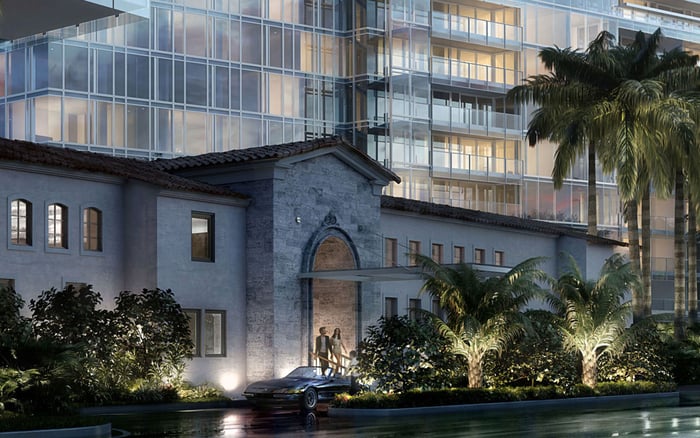
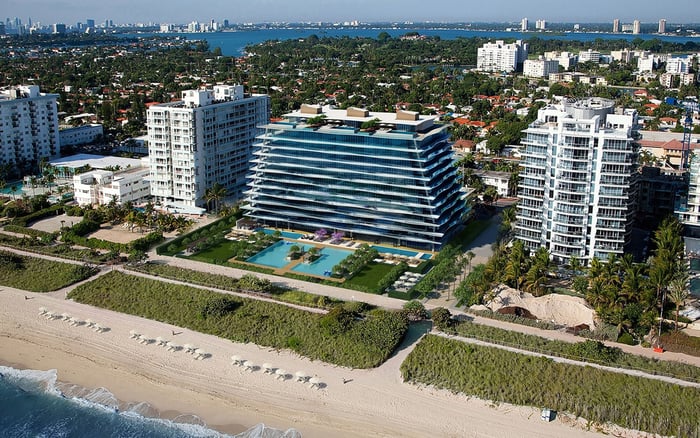
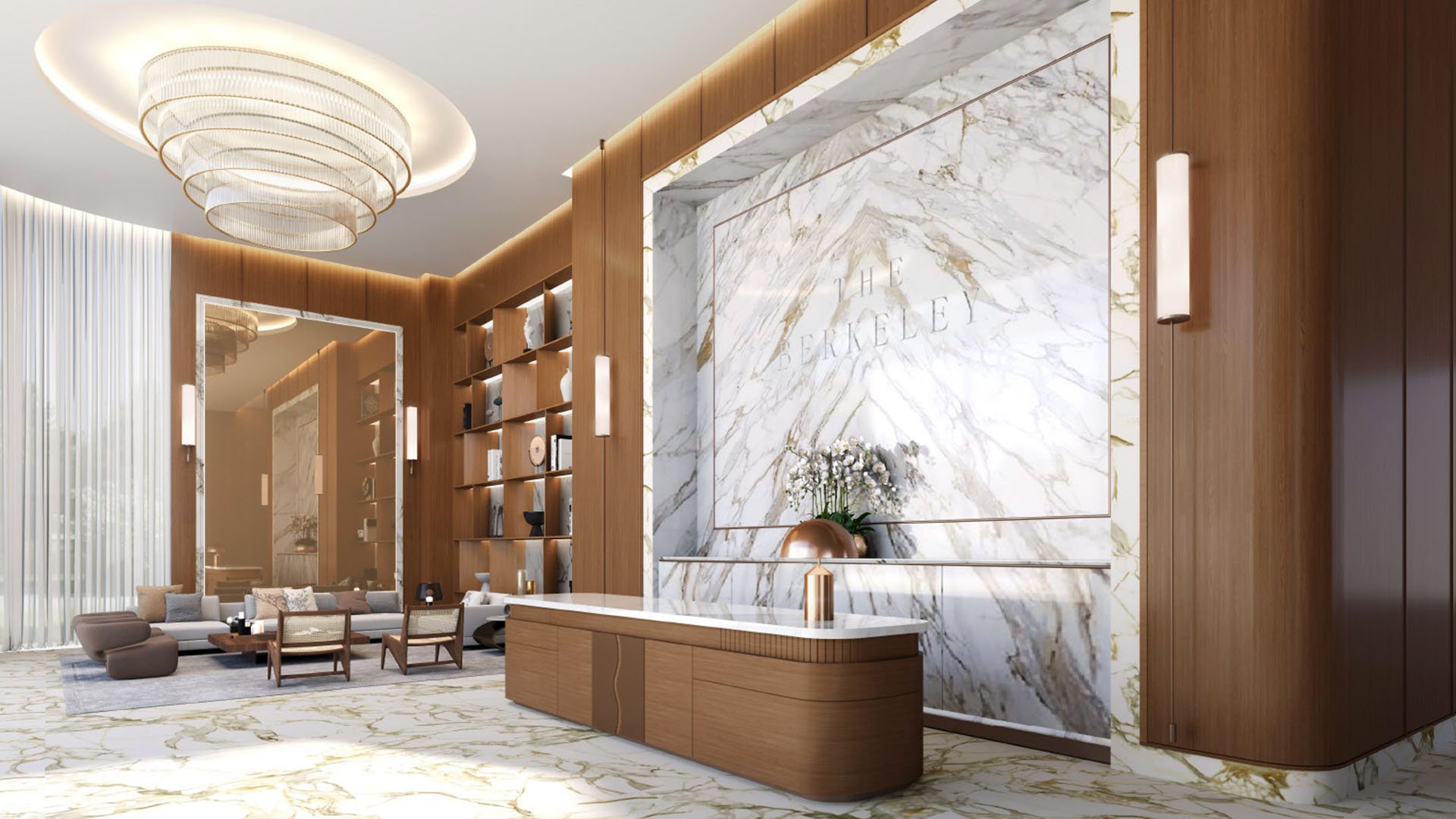
That is why The Surf Club Four Seasons Surfside and The Berkeley Palm Beach invite a more refined comparison. Each speaks to a different expression of prestige. One is tied to Surfside’s oceanfront resort sensibility and the expectations that come with a Four Seasons identity. The other sits firmly within the Palm Beach frame, where discretion, proportion, and social fit can matter as much as the residence itself.
For a buyer, the question is not which building is louder in the market. It is which culture is more durable for the way the owner intends to live. Trophy scarcity is strongest when architecture, operations, resident behavior, and location reinforce one another.
Scarcity in ultra-prime property is often reduced to limited inventory. That is only the first layer. The deeper layer is social and operational. A building becomes genuinely scarce when the right buyer pool believes ownership there signals something difficult to replicate.
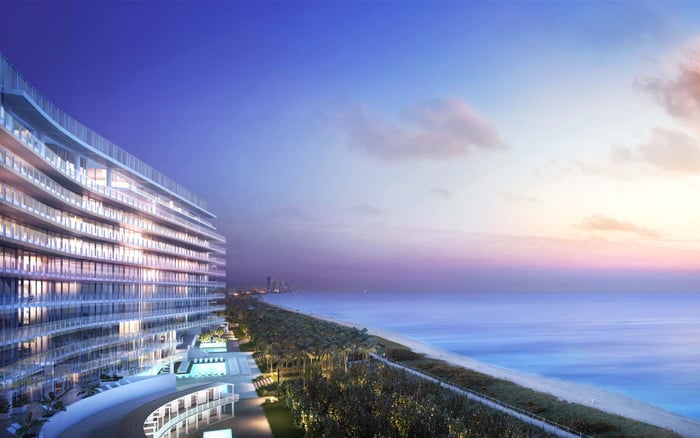
In Surfside, scarcity is sharpened by oceanfront geography, a low tolerance for compromise, and the value buyers place on a polished daily environment. The Surf Club Four Seasons Surfside benefits from a name that implies hotel-caliber expectations, but the more important point is cultural: buyers expect consistency. They expect arrival, service, privacy, and maintenance to feel composed every day, not only during peak season.
The Berkeley Palm Beach speaks to another version of scarcity. Palm Beach buyers often respond to restraint. They may prefer buildings that do not over-explain themselves, especially when the living experience supports a refined seasonal or year-round routine. In that context, a boutique atmosphere can be a feature rather than a limitation, provided the governance and operating model support long-term ease.
This is where trophy buyers become exacting. They are not asking only how many residences exist. They are asking who will want them in five, ten, or fifteen years, and whether the next buyer will recognize the same cultural value.
Operating costs are frequently misunderstood as a simple line item. In the luxury market, they are a translation of ambition. A building that promises elevated service, strong security, careful staffing, polished amenities, and rigorous maintenance needs the budget to support that promise. The issue is not whether costs are high or low. The issue is whether they are coherent.
A service-intensive property can justify meaningful carrying costs when the owner uses and values the operating platform. A seasonal owner may see value in lock-and-leave confidence, staff continuity, and the knowledge that the residence is supported while away. A full-time owner may prioritize daily precision, from arrivals to amenity access to the general calm of the common areas.
By contrast, a buyer who wants minimal intervention may find a highly serviced culture excessive. That mismatch can create frustration even in a beautiful residence. The better question is: what does the monthly cost buy in lived experience, and does that experience align with the buyer’s routine?
Investment discipline matters here. The most resilient buildings tend to make operating costs feel purposeful. They avoid the impression of decorative spending and instead convert assessments, staffing, and reserves into confidence. In prime South Florida, that confidence can become part of the resale story.
Future buyer depth is strongest when a building has a clear identity the market can understand quickly. A residence may be rare, but if the building’s culture is confusing, the resale audience narrows. Clarity creates liquidity at the high end.
The Surf Club Four Seasons Surfside is easy to frame around service, oceanfront living, and a recognized hospitality language. That does not mean every buyer will want that model. It means the buyer who does want it can grasp the proposition quickly.
The Berkeley Palm Beach can be framed differently: a Palm Beach-oriented choice for buyers who may value discretion, setting, and a more composed residential cadence. The key is whether the lived culture supports that promise consistently. When it does, future buyers do not need to be persuaded by adjectives. They sense the order of the building.
Resale performance at this tier often follows emotional certainty. Buyers move faster when a building feels internally resolved. They pause when the service model, resident expectations, or maintenance posture feels unsettled.
Second-home ownership places special pressure on building culture. Owners who are away for weeks or months need more than beauty. They need trust. They need a residence that can be entered after an absence and still feel as though it has been quietly watched over.
That is one reason service culture can be so powerful in South Florida. The best buildings reduce the mental load of ownership. They make arrivals smoother, departures simpler, and routine concerns less visible. For a buyer who splits time among several homes, this can be decisive.
At the same time, second-home buyers should be honest about how often they will use the amenities and services that drive costs. A building with a strong hospitality structure may be ideal for owners who want staff, presence, and ease. A more residentially reserved culture may be better for owners who value privacy above constant service.
Neither approach is universally superior. The right answer depends on how the owner defines comfort.
The most important questions are not always the most glamorous. How does the building handle guests? How does it feel in peak season? Are common areas calm or performative? Does the service style feel warm, formal, invisible, or highly present? Are operating costs predictable in relation to the promise being made?
Buyers should also study the emotional texture of the lobby, elevators, amenity areas, and arrival sequence. These spaces reveal the social contract of a building. In one property, formality may feel elegant. In another, the same formality may feel stiff. In one property, a relaxed atmosphere may feel gracious. In another, it may suggest loose standards.
For The Surf Club Four Seasons Surfside and The Berkeley Palm Beach, the strategic comparison is less about declaring a winner and more about defining fit. Trophy scarcity is personal before it is financial. The most valuable building is the one where the owner’s daily life, social instincts, and long-term resale thesis point in the same direction.
Why does building culture matter in luxury real estate? It shapes daily experience, privacy, service expectations, and how future buyers understand the building’s value.
Is trophy scarcity only about the number of residences? No. Scarcity also comes from reputation, resident behavior, service consistency, location, and long-term desirability.
How should buyers evaluate operating costs? They should ask whether the costs support a service model they will actually use and value.
Can higher carrying costs be a positive signal? Yes, when they fund disciplined staffing, maintenance, reserves, and a living experience that feels coherent.
What makes Surfside appealing to ultra-prime buyers? Surfside offers a quieter coastal setting with strong appeal for buyers who prioritize oceanfront living and discretion.
What makes Palm Beach culture distinct? Palm Beach often rewards restraint, social fit, privacy, and a residential atmosphere that does not need to announce itself.
How does service culture affect resale? A clear and consistent service culture can make the building easier for future buyers to understand and trust.
Should seasonal owners prioritize different features? Yes. Seasonal owners often place greater value on security, maintenance confidence, and ease of arrival after time away.
Is a boutique building always more private? Not always. Privacy depends on design, staffing, resident habits, guest policies, and how the property is managed.
What is the best way to choose between these two ownership styles? Buyers should match the building’s culture to their lifestyle, service expectations, and long-term ownership goals.
To compare the best-fit options with clarity, connect with MILLION.
If branded residences are on your mind — as a home or as an allocation — we would be glad to share what we are seeing, privately.
Begin a quiet conversation