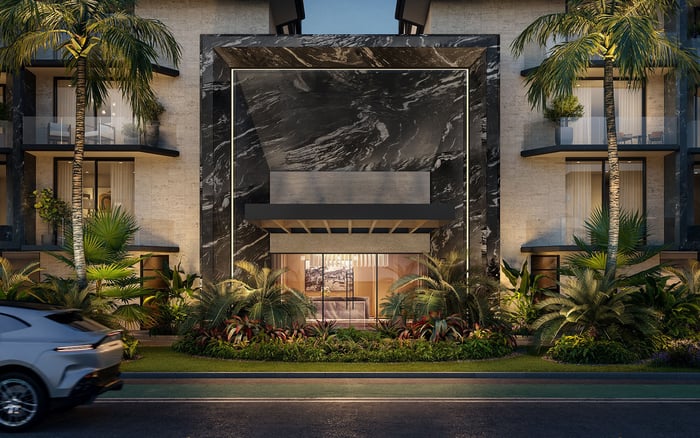
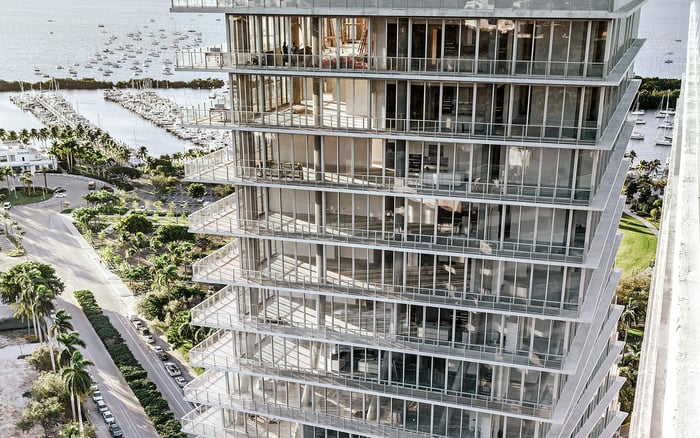
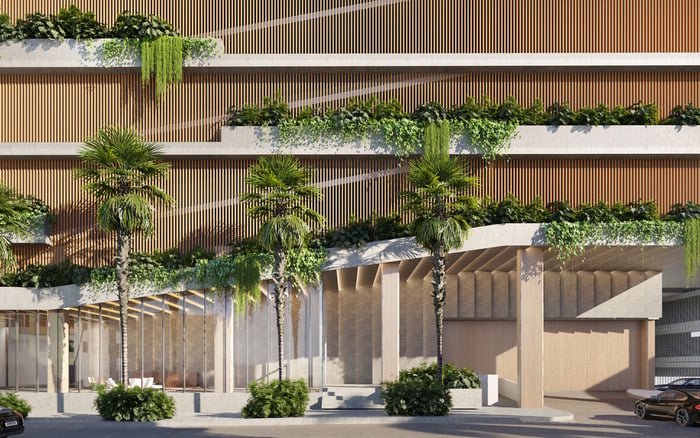
A buyer-oriented look at why irreplaceable waterfront positioning can outweigh another amenity level in South Florida luxury real estate.
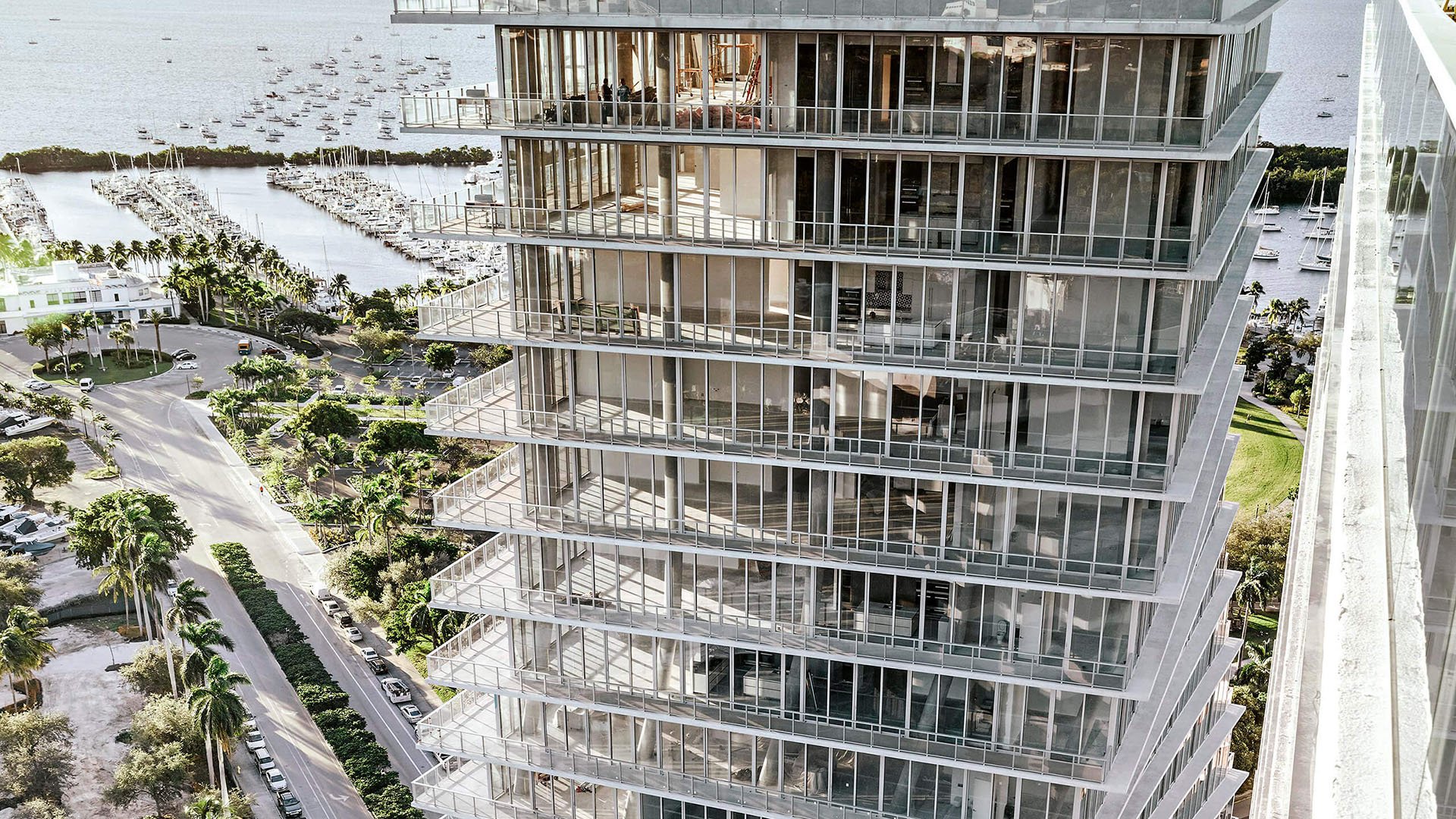
In South Florida luxury real estate, amenities often dominate the conversation. Private dining rooms, wellness suites, screening rooms, lounges, spas, coworking salons, and resort-style pools can make a building feel complete before a buyer has even studied the residence itself. Yet the more sophisticated question is quieter: what part of this purchase cannot be recreated?
Waterfront scarcity sits at the top of that hierarchy. A thoughtful amenity program can be designed, renovated, expanded, or reimagined. A true waterfront position cannot be manufactured after the fact. The distinction between a good luxury residence and an enduring one often begins with the relationship among the home, the water, the horizon, and the privacy that surrounds it.
For South Florida buyers, this is not a rejection of amenities. It is a matter of sequence. The water comes first. Service, wellness, social, and leisure components should support the site, not compete with it.
Amenity trends move quickly. What felt exceptional a decade ago may now feel expected. A cold plunge, a treatment room, a private lounge, or a fitness studio can elevate daily life, but these features belong to a category that developers and associations can continue to reinterpret. Waterfront exposure belongs to a different category.
Scarcity has a simple discipline: there is only so much edge. South Florida’s most compelling waterfront addresses are shaped by fixed geography, established neighborhoods, view corridors, boating access, beach orientation, and the natural limits of developable land. A buyer who secures the right position is buying a form of permanence that does not depend on design fashion.
This is why a residence with fewer shared amenities but a stronger water presence can sometimes feel more valuable than a building with a larger amenity inventory and a less compelling site. The buyer is not simply choosing features. The buyer is choosing what remains difficult to copy.
A useful exercise is to separate every part of a property into two columns: replicable and irreplaceable. Replicable items include finishes, furniture, lighting, smart-home systems, gym equipment, lobby styling, and many amenity concepts. Irreplaceable elements include the parcel, the water orientation, the depth of the view, the approach to the property, and the feeling of separation from surrounding density.
That does not mean interior quality is secondary. In the ultra-premium segment, execution matters. But buyers who already have access to excellent design should ask a sharper question: if another project delivered similar interiors and amenities, would this residence still hold my attention because of where it sits?
The answer often reveals the real investment thesis. In practical search terms, criteria such as oceanfront setting, water views, marina access, Miami Beach positioning, Fort Lauderdale boating access, and broader South Florida investment appeal become less about labels and more about irreproducible position.
The best amenity programs do not try to overpower the site. They frame it. A pool deck that preserves quiet sightlines, a spa connected to light and air, a residents’ lounge oriented toward the horizon, and arrival spaces that slow the transition from city to residence all contribute to a more cohesive experience.
Problems arise when amenity volume becomes a substitute for land quality. A buyer may be impressed by a long list of offerings during a first tour, then gradually realize that the actual daily experience is shaped more by elevator flow, terrace usability, privacy, light, noise, and view protection. A grand amenity floor can feel less meaningful if the residence itself lacks calm.
A well-chosen waterfront home reverses that dynamic. The amenity floor becomes a complement to the private residence, not the reason to accept a compromised setting. The building’s shared spaces should extend the lifestyle already promised by the water.
Luxury buyers often speak in practical terms: square footage, parking, storage, service, security, and building pedigree. Yet the final decision is frequently emotional. The view at breakfast, the changing light over water, the quiet of a terrace, and the sense of arrival after travel can become the daily rituals that make a residence feel worth owning.
This emotional premium is not sentimental. It has real importance because it influences how long an owner wants to stay, how often a second-home owner returns, and how confidently a buyer can compare alternatives. A compelling water view gives the residence an identity that cannot be reduced to a checklist.
The best properties create a sense of inevitability. Once the buyer stands in the right room and sees the water at the right angle, the discussion shifts. The question is no longer whether there is one more amenity on another floor. The question becomes whether any other residence can offer the same feeling with the same restraint.
A disciplined buyer should begin with orientation. Morning light, afternoon glare, skyline framing, open water, canal frontage, inlet proximity, and beach relationship all create different living experiences. Not every water view has the same value, and not every waterfront setting has the same privacy.
Next comes usability. A terrace that is too exposed, too narrow, or poorly aligned may photograph well but live poorly. A residence should allow the water to become part of daily life, not merely a backdrop for marketing. Sightlines from the primary suite, living room, kitchen, and outdoor areas matter because they determine how often the site is actually experienced.
Then consider permanence. Are views likely to feel protected by the surrounding context? Does the building’s position create distance from visual intrusion? Is the arrival sequence calm? Does the residence feel private even when the market around it is active? These questions often matter more than whether the amenity menu contains one additional room.
Finally, test the amenity program for relevance. A smaller, better-managed collection of spaces can outperform a larger list if it aligns with how the owner truly lives. For some buyers, boating access, a serene pool, and discreet service may be far more valuable than multiple social rooms they will rarely use.
Resale conversations in luxury real estate often return to distinction. A buyer of tomorrow may have different taste in interiors or amenities, but the appetite for rare water positioning is likely to remain central to South Florida’s appeal. The more a residence depends on trend-based features, the more it may need reinvention. The more it depends on irreplaceable location, the more durable its core argument becomes.
This is where restraint can be powerful. A waterfront property does not need to announce itself through excess if the site already carries authority. The strongest residences allow architecture, service, and amenities to support a central fact: the home occupies a position that very few others can share.
For ultra-premium buyers, that is the essential distinction. Amenities may enhance the lifestyle, but scarcity protects the story.
Should waterfront always come before amenities? Not always, but in South Florida’s ultra-premium segment, irreplaceable waterfront position should usually be evaluated before amenity volume.
Can a strong amenity program make up for a weaker site? It can improve daily convenience, but it rarely replaces the long-term value of a rare water-oriented location.
What is the biggest mistake buyers make with amenity floors? They sometimes count amenities instead of asking which ones they will actually use and whether the residence itself feels exceptional.
Is every water view equally valuable? No. Orientation, privacy, depth of view, terrace usability, and surrounding context all influence the quality of the experience.
Do boutique waterfront buildings compete with larger amenity-rich towers? They can, especially when privacy, quiet, and site quality matter more to the buyer than a broad shared amenity menu.
How should second-home buyers think about scarcity? They should focus on what will make them want to return often: view, ease, privacy, service, and a setting that feels difficult to duplicate.
Are amenity trends risky for long-term ownership? Trends can change, so buyers should prioritize features that support daily life rather than spaces designed mainly for first impressions.
What makes a waterfront residence feel more private? Distance from neighboring sightlines, thoughtful orientation, controlled arrival, and usable outdoor space can all contribute to privacy.
Should investors prioritize waterfront scarcity? For high-end investment decisions, scarcity can be a central part of the thesis, provided the residence also lives well.
What is the best way to shortlist comparable options for touring? Start with location fit, delivery status, and daily lifestyle priorities, then compare stacks and elevations to validate views and privacy.
When you're ready to tour or underwrite the options, connect with MILLION.
If branded residences are on your mind — as a home or as an allocation — we would be glad to share what we are seeing, privately.
Begin a quiet conversation