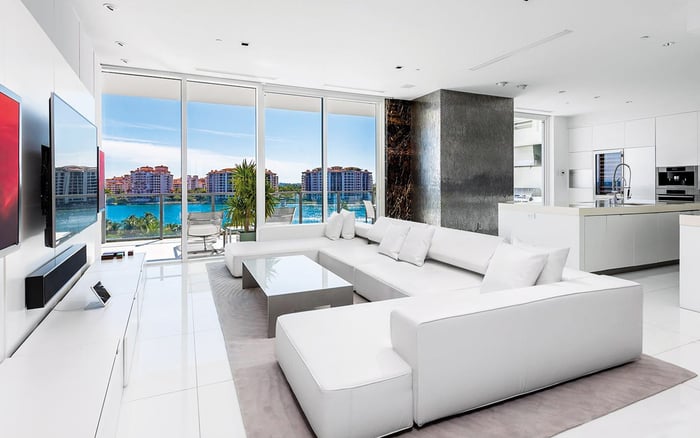
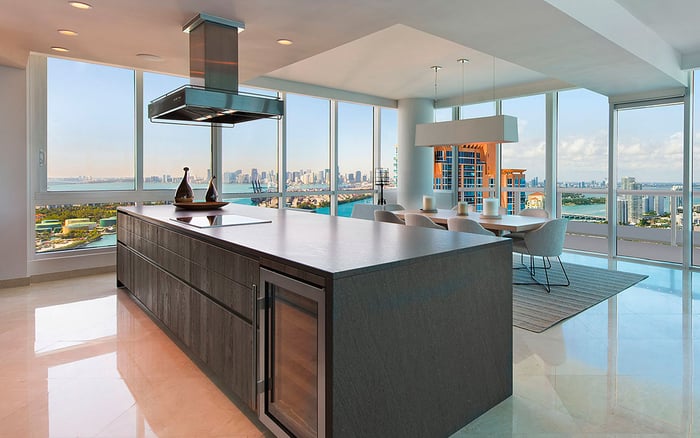
A discreet, practical guide for seasonal South of Fifth buyers evaluating turnkey management, building services, board rules, ownership logistics, and resale flexibility.

South of Fifth is a compelling address for buyers who want Miami Beach without unnecessary complexity. The seasonal owner is not simply buying a view, a floor plan, or a recognizable lobby. The true acquisition is time. A residence must be ready when the owner lands, quiet when the owner leaves, and professionally watched in between.
That is why turnkey management should be evaluated as part of the purchase itself, not deferred until after closing. In this neighborhood, the most elegant ownership experience is often the least visible one: a clean arrival, stocked essentials, functioning systems, familiar staff protocols, and a manager who resolves small issues before they become expensive disruptions.
A buyer comparing established South Beach addresses such as Apogee South Beach or Continuum on South Beach should look beyond marketing language and ask how the building actually performs when an owner is away. The best residence for seasonal use is the one whose daily governance matches the owner’s standards for privacy, predictability, and discretion.
Turnkey is often used loosely. For a seasonal owner, it should mean the apartment can move from closed residence to personal retreat without friction. Air conditioning, lighting, shades, plumbing checks, appliance readiness, terraces, housekeeping, pantry coordination, floral arrangements, wardrobe preparation, car service, dog walking, and mail handling may all belong within the operating plan.
The key is accountability. A buyer should know who holds keys, who is authorized to enter, who documents maintenance, who responds after hours, and who approves expenses. A beautiful residence can still be difficult to own if access is fragmented among assistants, housekeepers, contractors, and front desk personnel without one clear point of control.
Before contract deadlines, ask for the building’s rules on access, deliveries, vendor insurance, renovation hours, move-in procedures, guest registration, package storage, service elevators, parking access, and domestic staff protocols. None of these details is glamorous, but together they determine whether a second home feels effortless or demanding.
Seasonal buyers often assume a luxury condominium’s staff can handle everything. In practice, building services and private residence management are usually distinct. The building may manage common areas, security, front desk functions, elevators, valet, and general resident procedures. The private manager handles the interior life of the home.
That distinction matters. If a leak sensor alerts, a refrigerator fails, a terrace drain needs attention, or a closet system must be repaired, the owner needs someone empowered to enter, document, coordinate, and follow through. A strong private manager should work respectfully with the building, not around it.
For buyers considering newer or hospitality-adjacent ownership models, residences such as The Ritz-Carlton Residences® South Beach may warrant closer attention to the boundary between branded service, association rules, and private owner preferences. The question is not whether service exists. The question is whether it aligns with the way the owner actually lives.
A serious seasonal buyer should conduct a management audit before closing. Start with the board documents and house rules. Then interview the building manager or appropriate building representative to understand how absentee ownership is handled in practice. Ask what the building permits, what it discourages, and what creates delays for owners who are not local.
The audit should also include the physical residence. Review mechanical systems, water shutoff access, terrace exposure, window and door condition, appliance age, smart-home reliability, humidity control, storage, parking logistics, and elevator access. A residence that shows beautifully for thirty minutes may reveal management complexity only when evaluated through the lens of absence.
In a private search file, useful criteria may include South of Fifth, Sofi, Miami Beach, Second-home, Resale, and Pets. Those labels are not decorative. They remind the buyer that the right property is not only emotionally appealing; it must function across seasons, guests, service providers, and future marketability.
Turnkey management also depends on how the home is furnished. Finishes and fabrics should reflect the owner’s taste, while accounting for maintenance, humidity, sun exposure, and replacement logistics. The more custom the residence, the more important it becomes to maintain a digital inventory of finishes, paint colors, appliance models, linens, tableware, art placement, and vendor contacts.
Arrival rituals should be written down. Temperature settings, preferred lighting scenes, bathroom amenities, bedding, groceries, flowers, wine storage, closet preparation, children’s items, pet supplies, and terrace furniture placement can all be standardized. When the owner arrives, the home should feel personal, not staged.
Departure rituals matter just as much. Refrigerators should be cleared as directed, trash removed, laundry handled, terraces secured, water points checked, shades positioned, thermostats adjusted, and access logs reviewed. In coastal ownership, neglect is rarely dramatic at first. It starts with small omissions.
Many seasonal buyers expect the residence to accommodate family, friends, staff, and pets. The management plan should reflect that reality. Confirm pet policies, guest registration procedures, domestic employee access, parking rules, and any restrictions on deliveries or outside service providers. If the residence will host extended family, make sure guest protocols are simple enough to follow without repeated owner intervention.
Privacy is another dimension of turnkey ownership. A residence with frequent vendor access needs clear rules for photography, social media, personal items, art, wardrobe areas, and confidential information. Discretion should be written into the service agreement, not merely assumed.
Buildings with strong reputations can still differ meaningfully in their approach to access and resident expectations. A buyer comparing a South Beach option with nearby Miami Beach alternatives such as Setai Residences Miami Beach should focus on the specific operating culture of each address.
For seasonal buyers, resale is not only about design or timing. It is also about how easily the next owner can imagine living there without burden. Clean records, organized improvements, documented maintenance, thoughtful furnishings, and a calm ownership history can support confidence when it is time to sell.
A difficult-to-manage residence narrows the audience. A residence with clear systems, compliant improvements, reliable vendors, and a graceful arrival experience feels more transferable. This is especially important for buyers who may use the property intensely during winter or select holidays, then leave it dormant for long stretches.
The most valuable question is simple: if you were out of the country for six months, would the residence still be protected, presentable, and ready within twenty-four hours of your return? If the answer requires too many exceptions, the management plan is not turnkey yet.
What should a seasonal buyer review first in South of Fifth? Start with building rules, access procedures, vendor requirements, guest policies, and the residence’s mechanical condition.
Is building staff the same as a private home manager? No. Building staff generally handles common-area operations, while a private manager oversees the interior residence and owner-specific needs.
Why does turnkey management matter before closing? It reveals whether the property can operate smoothly while the owner is away, which affects daily enjoyment and future resale confidence.
Should a buyer ask about vendor access? Yes. Housekeepers, contractors, florists, drivers, and pet caregivers may all require approval, insurance, or registration.
Are pets an important part of the review? Yes. Pet rules, walking logistics, elevator protocols, and service access should be understood before selecting a residence.
What makes a residence easier to manage seasonally? Simple access, reliable systems, organized records, responsive vendors, and clear building procedures make ownership easier.
Should furnishings be chosen differently for seasonal use? Yes. Buyers should balance beauty with durability, sun exposure, humidity, cleaning needs, and replacement practicality.
How often should an absent residence be checked? The schedule should reflect the property’s systems, season, building rules, and owner preferences, with documentation after each visit.
Can turnkey management influence resale? Yes. A well-documented, easily operated residence can feel more reassuring to future buyers who also value seasonal use.
What is the best first step for an out-of-town buyer? Define the ownership routine before shopping, then evaluate each building and residence against that operating plan.
For a discreet conversation and a curated building-by-building shortlist, connect with MILLION.
If branded residences are on your mind — as a home or as an allocation — we would be glad to share what we are seeing, privately.
Begin a quiet conversation