A practical South Beach buyer’s guide for evaluating a Florida base through lifestyle fit, carry costs, tax-residency discipline, building quality, and exit logic without overbuying.
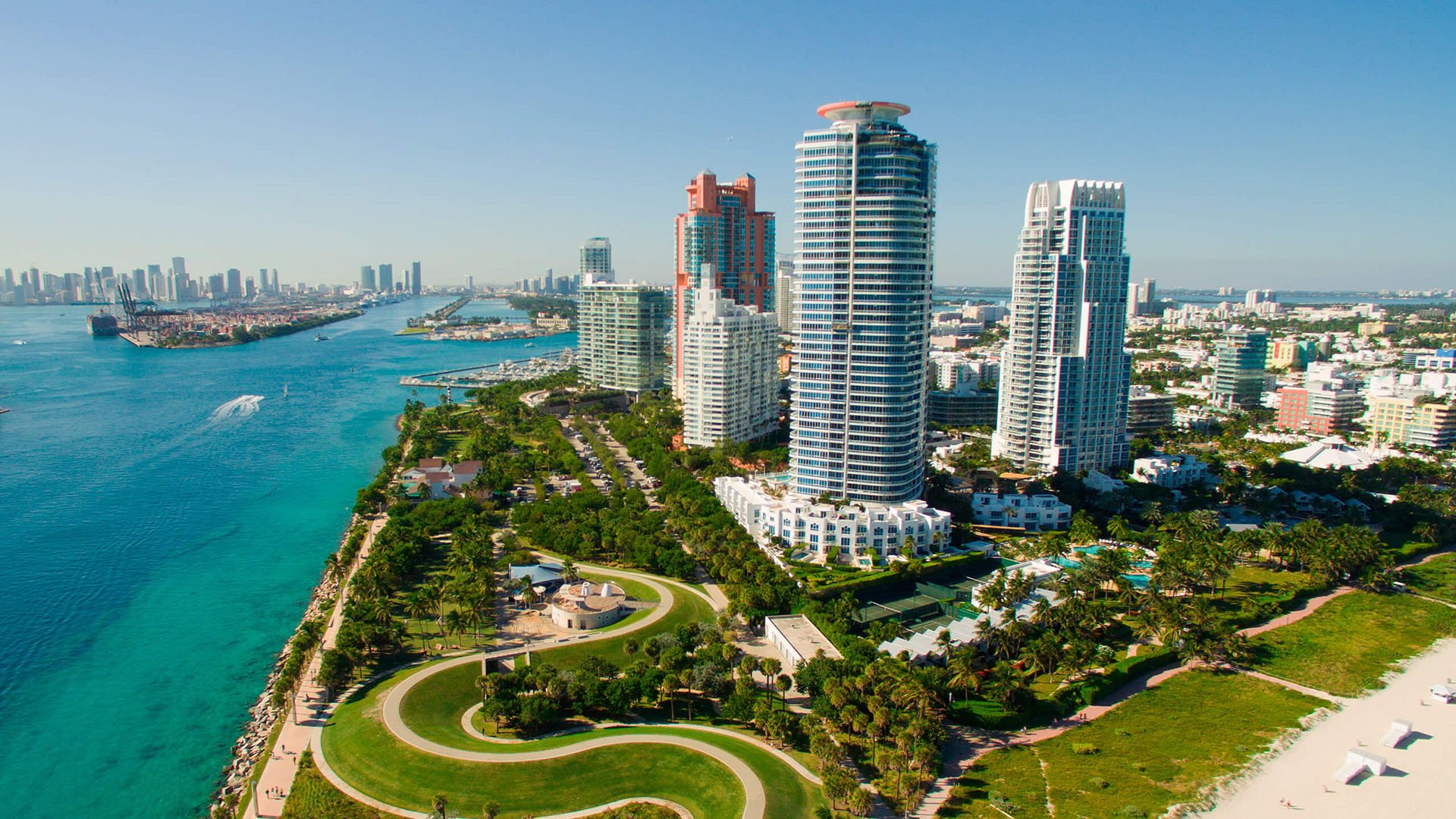
South Beach is rarely bought for one reason. It is purchased as a climate strategy, a lifestyle upgrade, a family gathering point, a capital parking place, a work-from-anywhere base, and, for many buyers, part of a broader tax-aware move toward Florida. The mistake is treating those motives as permission to buy the biggest, newest, highest, or most visible residence available.
A better approach begins with a quieter test: what must this home actually do? A South Beach base can be elegant without being excessive, flexible without feeling temporary, and strategic without becoming a tax narrative the rest of life does not support. The goal is not to underbuy. It is to avoid buying for a version of life that may never arrive.
Before comparing oceanfront towers, boutique buildings, or South of Fifth addresses, define the ownership pattern. Will the residence be used for long winter stays, monthly escapes, school holidays, business travel, or eventual full-time relocation? The answer changes the ideal floor plan, parking requirement, building culture, storage needs, and tolerance for service intensity.
A buyer who spends ten weeks a year in Miami Beach needs a different asset than one building a primary Florida life. A lock-and-leave pied-a-terre can be exceptionally satisfying when it is easy to enter, easy to maintain, and close to the restaurants, beach access, wellness routines, and private-club orbit the owner actually uses. A larger residence may be right, but only when guests, staff, pets, entertaining, or a transition to primary use justify the added carry.
This is where overbuying often begins. Buyers fall in love with entertaining square footage, then discover they prefer intimate dinners out. They pay for a spectacular amenity stack, then use the beach and a trainer off-site. They prioritize a view corridor, then spend much of the season traveling. The South Beach ownership test is personal, not performative.
Florida can be attractive to buyers thinking carefully about personal taxation, estate planning, business mobility, and the location of their everyday life. Yet a residence alone does not make a tax strategy. A credible Florida base is supported by conduct, records, timing, professional guidance, and a life pattern that matches the position being taken.
That means buyers should think beyond the closing. Where will important mail go? Where will physicians, clubs, charitable ties, vehicles, advisers, business routines, and family calendars be centered? How will travel be tracked? Will the South Beach property be used in a way that supports the intended planning, or will it sit mostly empty while life remains anchored elsewhere?
The most successful buyers treat residency planning as a disciplined household project. They involve tax counsel before contract, align the home search with expected use, and avoid letting a glamorous purchase create a weak factual story. A tax-aware Florida base should feel like a natural extension of life, not a prop.
In South Beach, the headline price is only the opening number. The ongoing ownership picture can include association dues, insurance allocations, reserves, property taxes, maintenance, utilities, staffing, parking, assessments, and periodic capital work. In older buildings, financial health can matter as much as the apartment’s finishes. In newer buildings, the question may be whether the service model matches the owner’s actual use.
A prudent buyer asks for the monthly and annual cost stack early. What is included in the dues? How are reserves handled? Are there known or anticipated projects? Is the building pursuing compliance, restoration, mechanical upgrades, or amenity refreshes? How does the association communicate with owners? A magnificent lobby cannot compensate for unclear governance.
This is especially important for a second-home buyer. If the property will be occupied seasonally, every fixed cost should be tested against actual use. A beautiful residence that costs like a primary home but functions like a hotel suite can still be right for some families, but the decision should be conscious.
South Beach is not a single ownership experience. The energy around Lincoln Road is not the same as the calm of South of Fifth, and a buyer focused on walkability may define value differently from one focused on privacy, marina access, or a quieter residential rhythm. Sofi, as many buyers shorthand the southern tip, often appeals to those who want beach proximity with a more contained daily routine.
A buyer may file the search internally as Miami Beach, South of Fifth, Sofi, second home, investment, or resale, but the real decision is subtler. The best location is the one that makes the desired Florida life frictionless. If the owner wants a morning ocean walk, a building several blocks inland may be less compelling even if the unit is larger. If the owner values restaurant access and minimal car use, a quieter stretch may feel inconvenient.
Risk control in South Beach is not just about price protection. It is about buying where habits will remain consistent. Properties that fit real behavior tend to be used more, maintained better, and sold with a clearer story.
Interiors can be transformed. Building fundamentals are harder to change. Buyers should study arrival experience, elevator performance, staffing, security, parking logistics, guest policies, pet rules, rental restrictions, financial statements, reserves, insurance posture, and the tone of association governance. The best South Beach purchases often feel calm before the apartment door opens.
For condominium buyers, due diligence should include a careful review of the building’s physical condition and upcoming obligations. A renovated kitchen is not a substitute for understanding concrete work, waterproofing, mechanical systems, reserves, or insurance. In a coastal market, the building is the asset wrapper. If the wrapper is uncertain, the residence carries that uncertainty.
This does not mean avoiding character buildings or older addresses. It means pricing them intelligently and understanding what ownership will require. Some buyers prefer established buildings precisely because their culture, scale, and location are known. Others want newness, service, and fewer near-term unknowns. Both can be intelligent if the buyer understands the trade.
Overbuying often hides inside lifestyle optimism. A buyer imagines family visits, extended stays, working days with a view, and effortless entertaining. Those uses may be real, but they should be tested. How often will adult children come? Is a third bedroom essential, or is a den more useful? Will staff need separate circulation? Is outdoor space worth more than interior volume? Is a larger terrace usable at the times of day the owner is home?
The right South Beach residence should feel generous without turning into a management project. For some, that is a two-bedroom with a strong view and excellent building services. For others, it is a larger residence that can absorb family, art, wellness, and work. The key is to buy for durable patterns, not one spectacular holiday week.
Even buyers with long horizons should purchase with resale in mind. South Beach is emotional, but future buyers will still evaluate light, layout, ceiling height, outdoor space, parking, building reputation, association health, and location. Highly personalized renovations, awkward combinations, or unusual layouts can narrow the buyer pool unless the discount is meaningful.
A disciplined offer considers not only today’s desire but tomorrow’s audience. Who is the next buyer: a relocating executive, a seasonal couple, an international family, a downsizer from a larger Miami Beach home, or an investor seeking flexibility? The broader the future audience, the more resilient the ownership position.
For a tax-aware buyer, exit logic has another benefit. It prevents the property from becoming an expensive symbol. The home should serve the plan, not trap the owner into defending a purchase that no longer matches life.
Before bidding, the buyer should be able to answer five questions with confidence. First, does this residence support the intended Florida use pattern? Second, does the carry feel acceptable even in a year of limited use? Third, do the building’s governance and condition reduce anxiety rather than create it? Fourth, does the location match daily habits, not vacation fantasies? Fifth, would the property make sense to a future buyer if sold in a less emotional market?
If the answers are clear, South Beach can be one of the most satisfying bases in the country. If the answers are vague, pause. In this market, patience is often a luxury advantage.
Is buying in South Beach enough to establish Florida residency? No. A residence can support a broader plan, but residency depends on facts, conduct, records, and professional tax guidance.
Should a tax-aware buyer choose a condo or a single-family home? The right choice depends on use, privacy needs, maintenance tolerance, staffing, security, and how consistently the property will be occupied.
What is the biggest overbuying risk in South Beach? Buying for imagined entertaining or guest use instead of the owner’s actual seasonal routine is a common risk.
Are association dues more important than purchase price? They are not more important, but they are central to the true ownership cost and should be reviewed early.
Does South of Fifth suit every luxury buyer? No. It can be excellent for buyers who value a more residential rhythm, but fit depends on personal habits and preferred access.
Should buyers worry about assessments? Buyers should understand current and potential building obligations before contract, especially in coastal condominium ownership.
Is a newer building always safer? Not always. Newness can be appealing, but governance, service quality, reserves, location, and long-term fit still matter.
Can a smaller residence be the better luxury choice? Yes. A smaller home with the right location, view, services, and low-friction use can outperform excess space.
How should buyers think about resale? Favor layouts, buildings, and locations that a future buyer can understand quickly and value without extensive explanation.
When should tax advisers be involved? Before contract is ideal, so the property search supports the buyer’s broader residency and planning goals.
When you're ready to tour or underwrite the options, connect with MILLION.
If branded residences are on your mind — as a home or as an allocation — we would be glad to share what we are seeing, privately.
Begin a quiet conversation