At Continuum on South Beach, the most consequential choice may be the vertical line itself. Buyers should test views, light, privacy, planning efficiency and future resilience at the level of the actual residence.
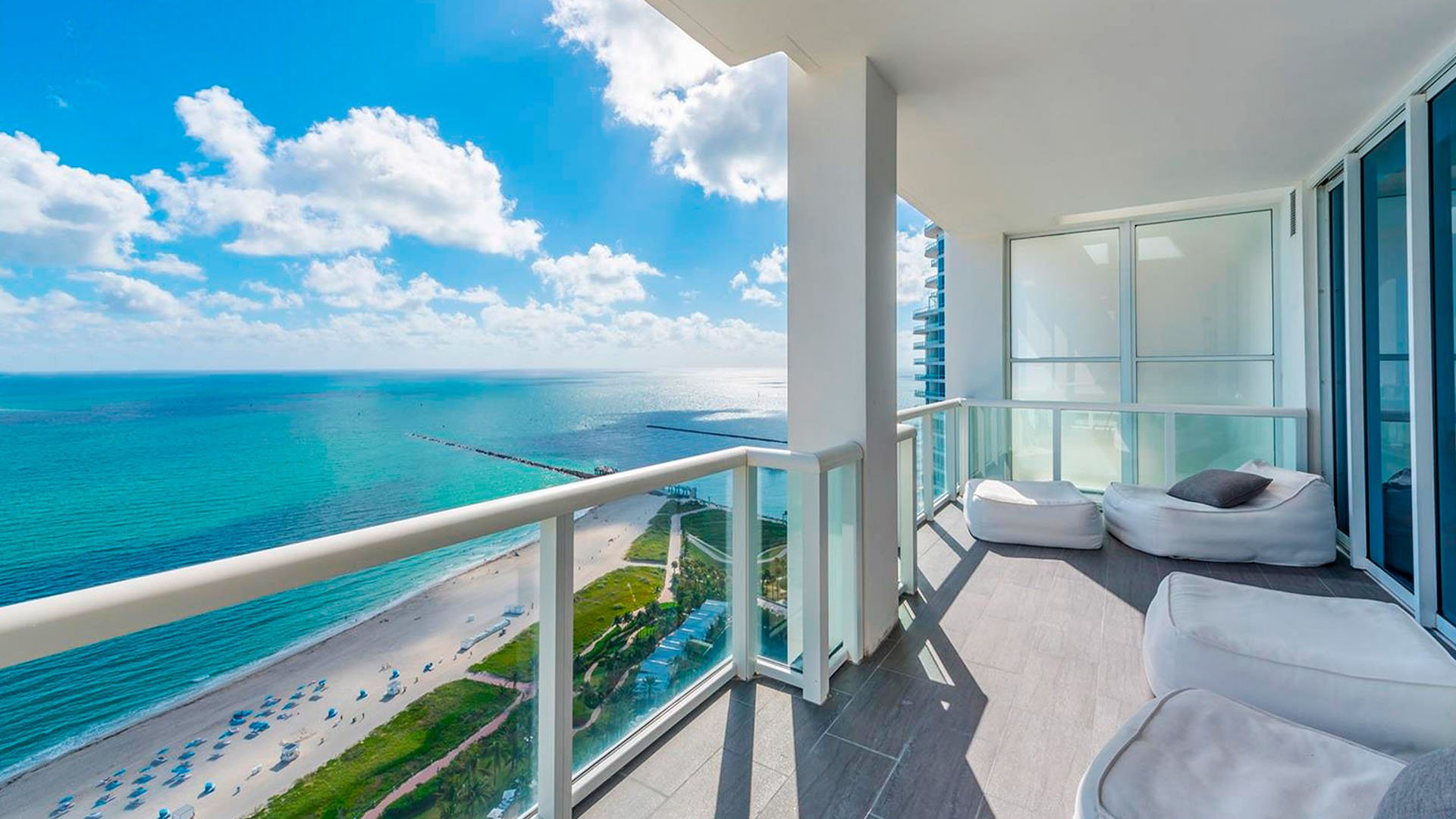
At Continuum on South Beach, an oceanfront condominium complex at the southern tip of Miami Beach, the sales-gallery conversation can easily begin with broad attractions: setting, finishes and resort-style amenities. Yet a buyer's daily experience is ultimately shaped by something more specific: the line, or the vertical stack of residences sharing a broadly similar position and orientation within the building.
Bedroom count, stated area and floor number establish only part of the proposition. Two residences that appear comparable on paper may experience daylight, outlook, exposure and privacy quite differently. The disciplined approach is to identify the exact line first, then assess the particular floor within it. This buyer's guide perspective is especially relevant in South of Fifth, where the quality of a residence should be understood from the rooms themselves, not inferred from a generalized building presentation.
Start with a simple request: show the outlook from the living room, primary bedroom, secondary bedrooms and kitchen, as well as from each terrace. A dramatic terrace panorama may not be visible from a seated position indoors. Conversely, a room can frame a compelling view even when the terrace angle is less expansive.
Ask how the same line changes as it rises. Landscaping, neighboring structures and other obstructions can alter sightlines from one floor to another. Do not assume that every residence in a vertical stack delivers an identical visual experience. Whenever possible, visit the actual home, stand and sit in the likely furniture positions, and look outward from multiple points rather than relying on promotional imagery.
For context, buyers comparing established Miami Beach choices such as Apogee South Beach should apply the same room-by-room test. The meaningful comparison is not a generic view label, but what is visible from the places where life actually unfolds.
Orientation affects more than whether a residence feels bright. Ask when direct light enters the principal rooms, where afternoon sun lands, and whether glare is likely to affect television screens, artwork, dining or home-office use. Interior heat should be considered alongside light, particularly if the residence will be occupied during the brightest hours.
A brief visit cannot reveal a full day. If access permits, view the residence at more than one time, or request line-specific material that helps explain changing exposure. Window treatments and furnishings may moderate conditions, but they do not change the underlying orientation. Buyers considering Five Park Miami Beach or another nearby option can use the same framework to distinguish a beautiful first impression from an exposure that suits their routines.
A higher floor does not automatically guarantee seclusion, and a lower floor is not inherently compromised. Privacy depends on angles. Look for direct or diagonal exposure to neighboring residences and terraces, and consider whether amenity areas or public spaces are visible from within the home.
Conduct this review from the primary suite, bathrooms, living spaces and outdoor areas. Ask what can be seen inside the residence after dark when interior lights are on. Consider sound and activity patterns as practical questions for an inspection and in-person visit, without assuming that elevation alone resolves them.
The distinction between high floors and lower positions should therefore be treated as experiential rather than categorical. In a luxury purchase, the preferable floor is the one whose view, light and privacy work together for the buyer's intended use.
Stated square footage does not explain how elegantly a residence functions. Request the floor plan for the exact home under consideration, then examine room proportions, circulation paths, terrace configuration and furniture placement. Note how one moves from the entry to the principal entertaining area, whether bedroom approaches feel discreet, and whether doors or corridors interrupt usable walls.
Map the pieces that matter: a full dining table, substantial seating, art, desks and storage. Terrace depth and shape deserve the same scrutiny as interior dimensions, because outdoor space may be less useful if circulation consumes it or furniture blocks the principal outlook.
This exercise is equally valuable when comparing a distinct, hospitality-oriented proposition such as The Ritz-Carlton Residences® South Beach. Keep the comparison residence-specific. Amenities may influence preference, but they should not substitute for analysis of the plan itself.
The best line is not necessarily the one with the most immediately theatrical view. It is the one that balances enjoyment, privacy, manageable exposure and a plan that remains persuasive over time. For a second home, morning light and an effortless terrace may dominate. For full-time living, storage, circulation and heat exposure may carry greater weight.
Ask whether future construction or changes around the property could affect the defining view or privacy characteristics. The answer may require further diligence, but the question belongs in the decision process. Resale appeal also merits discussion: a highly personal trade-off may be entirely appropriate, provided the buyer understands how another purchaser might evaluate it.
Attorneys, wealth managers and real estate advisers can make the analysis more rigorous by comparing candidate residences line by line. Floor plans, condominium documents, inspection findings, transaction records and in-person observations should inform distinct parts of the review. The result should be a concise matrix of view, light, privacy, usability and long-term considerations-not a collection of gallery impressions.
Before discussing finishes, ask for the exact line designation and the floor plan of the specific residence. Request clarity on the outlook from each principal room and terrace, how that outlook changes by floor, and when direct sun reaches the glass. Ask which nearby terraces, residences, amenities or public areas may create visual exposure.
Then test the plan against real furniture and daily movement. Finally, distinguish what is inherent to the line from what can be changed through interiors. Finishes can be revised. Orientation, core circulation, terrace geometry and the fundamental angle of the view generally define the lasting experience.
What does a condominium line mean? A line is a vertical stack of residences with a similar position and orientation within the building.
Should buyers choose a line before choosing a floor? Buyers should identify both together, since the line establishes the general exposure while landscaping and structures can change views by floor.
Is the highest available floor automatically the best choice? No. The preferred floor depends on its particular balance of view, privacy, light, glare and interior heat.
Which views should a buyer inspect? Inspect the outlook from every principal room and terrace, including seated positions and likely furniture locations.
Why visit at different times of day? Morning light, afternoon sun, glare and heat can change materially as the day progresses.
How should terrace privacy be evaluated? Check direct and diagonal sightlines from neighboring residences, terraces, amenity areas and public spaces.
Does stated square footage reveal how well a residence lives? Not fully. Room proportions, circulation, terrace configuration and furniture placement determine how usable the area feels.
What line-specific documents should buyers request? Request the floor plan and information tied to the actual residence, then review relevant condominium documents and inspection findings with advisers.
How should future construction enter the decision? Ask whether surrounding changes could affect the line's defining outlook or privacy, and investigate that risk before committing.
Can advisers help compare two lines? Yes. Legal, financial and real estate advisers can organize line-level differences around lifestyle objectives, diligence and long-term value.
For a tailored shortlist and next-step guidance, connect with MILLION.
If branded residences are on your mind — as a home or as an allocation — we would be glad to share what we are seeing, privately.
Begin a quiet conversation