A refined look at why change-order allowances matter in South Florida luxury residential projects, from client experience and design flexibility to code, permitting, and long-term value protection.
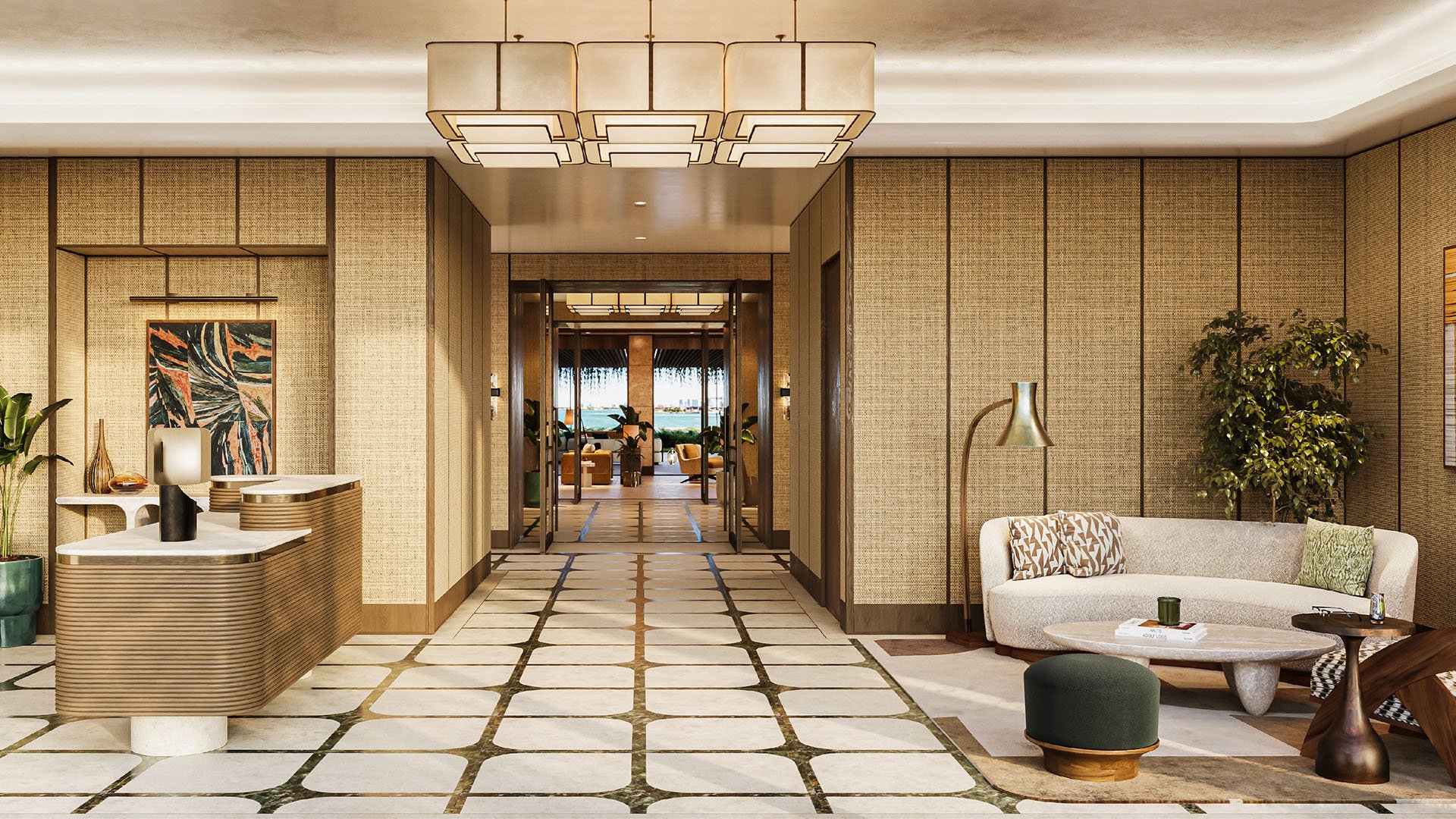
In South Florida luxury real estate, the most sophisticated buyers often spend as much time refining a residence as they do selecting it. A floor plan may be excellent, yet the lived experience depends on layered choices: stone, millwork, lighting, appliance packages, smart-home systems, terrace detailing, spa baths, outdoor kitchens, and the quiet technical decisions behind them. Change-order allowances are where those choices become financially and operationally disciplined.
A change order is a post-contract modification to scope, cost, or schedule. It may arise because an owner wants a higher-grade material, because a design detail evolves, or because a field condition requires a different solution. In an ordinary project, change orders can feel like friction. In a luxury project, they are often inevitable. The question is not whether refinement will happen. The question is whether it has been anticipated with enough discipline to preserve momentum, trust, and design quality.
That is the practical luxury case for better change-order allowances. They are not perks. They are risk-management tools, client-experience tools, and, in many cases, value-protection tools.
Luxury buyers should be precise about three terms that are sometimes blurred in casual conversation. Base scope is the work actually contracted: the agreed plans, specifications, materials, labor, and deliverables. Contingency is a reserve for unknown risks, such as conditions that were not fully visible at the time of pricing. An allowance is different. It is a budget placeholder for an item that has not yet been fully selected, finalized, or priced.
This distinction matters because each category carries a different responsibility. If an owner upgrades from one finish level to another, that is not the same as discovering an unforeseen condition inside a wall. If a developer or contractor budgets an allowance for tile, plumbing fixtures, or lighting, the number should be realistic for the quality level implied by the property. A thin allowance can make a proposal appear controlled at first, only to create pressure later when the owner selects products appropriate to the residence.
For new-construction and pre-construction buyers, the allowance conversation should begin before the romance of personalization takes over. A beautiful selection meeting can become stressful if the financial architecture beneath it is too thin.
South Florida luxury housing is unusually sensitive to the relationship between aesthetics and performance. In Brickell, Miami Beach, and Fort Lauderdale, even seemingly simple revisions can interact with high-rise systems, coastal exposure, flood-zone considerations, structural coordination, hurricane requirements, waterproofing, and permitting. A heavier stone selection may affect substrate planning. A reworked kitchen may touch ventilation, electrical loads, plumbing routes, cabinetry lead times, and inspection sequencing. A terrace feature may involve drainage, wind exposure, building rules, and waterproofing details.
This is why a better allowance is not simply a larger number. It is a more realistic framework. It should recognize that high-end choices are rarely isolated. The cost of a revision may include material, labor, design coordination, engineering review, schedule impact, storage, freight, and sometimes re-permitting. Luxury owners do not want surprises delivered one invoice at a time. They want a composed process that makes the implications clear before decisions are locked.
A disciplined allowance also supports the people executing the work. Architects, interior designers, builders, consultants, and owner representatives can make better recommendations when the budget has room for the actual caliber of the residence.
The best luxury real estate experiences feel effortless, but they are rarely accidental. They are built on advance planning. Change-order allowances belong in that planning because they reduce the emotional charge of decision-making. Instead of treating every refinement as a disruption, the team has a defined path for evaluating cost, schedule, and feasibility.
This is especially important for buyers who are relocating, maintaining multiple homes, or managing a second residence from outside South Florida. The allowance structure becomes a form of communication. It tells the owner what has been assumed, what remains open, and where choice may meaningfully affect budget or delivery.
For an investment-minded buyer, the same discipline protects exit value. Over-personalization can narrow appeal, while under-specification can diminish the sense of quality expected at the top of the market. A smart allowance gives room for elevated decisions without losing sight of long-term marketability.
Allowances are most valuable in categories where personal preference and technical complexity meet. Finish materials are the obvious example. Natural stone, large-format porcelain, specialty wood flooring, plaster, metalwork, and custom cabinetry can vary widely in price and installation requirements. A nominal placeholder may be insufficient for the level of craft expected in a trophy residence.
Lighting is another key category. Decorative fixtures may receive attention, but architectural lighting, controls, dimming systems, and integration with shades or smart-home platforms can materially change the experience of a home. The same is true for audio-visual infrastructure, climate control zones, wellness features, water filtration, and outdoor living components.
In condominiums, owner changes may also need to align with building rules, association approvals, elevator scheduling, noise restrictions, and protection of common areas. In single-family homes, modifications may intersect with site conditions, pool systems, landscaping, gates, seawalls, or exterior envelope details. The luxury buyer should assume that the visible selection is only part of the change.
A strong allowance conversation is specific, calm, and early. It asks what level of quality is actually intended, which selections remain open, what decision deadlines protect the schedule, and how changes will be priced. It also clarifies whether contractor overhead, design fees, engineering review, taxes, freight, storage, and schedule impacts are included in the allowance or treated separately.
The owner should understand the approval process before the first change arises. Who prepares the pricing? Who reviews the design impact? How long does approval take? What happens if the decision affects permitting? Can the schedule absorb the revision, or does it shift delivery?
In a refined project, this conversation is not adversarial. It is part of stewardship. Better allowances help owners make decisions with poise, not urgency.
Luxury is often described through finishes and amenities, but the deeper luxury is control. Not rigidity, but informed flexibility. A residence can evolve during design and construction without losing coherence if the contract structure is prepared for evolution.
Better change-order allowances do not encourage careless spending. They encourage honest budgeting. They reduce the gap between the dream presented at the beginning and the reality priced during the work. In South Florida, where design ambition often meets coastal engineering, building codes, and demanding timelines, that honesty is not merely practical. It is elegant.
For buyers, the takeaway is simple: ask about allowances with the same seriousness you bring to views, floor plans, and finishes. The most beautiful homes are not only well designed. They are well governed.
What is a change-order allowance? It is a budget placeholder for a selection or scope item that may change after the contract is signed.
How is an allowance different from a contingency? A contingency covers unknown risks, while an allowance covers choices that are not yet fully finalized.
Why do luxury projects need larger or better allowances? High-end selections often carry broader impacts on labor, coordination, lead times, and technical systems.
Are change orders always a bad sign? No. In luxury work, they can reflect thoughtful refinement if the process is transparent and controlled.
What categories most often need realistic allowances? Finishes, lighting, cabinetry, smart-home systems, plumbing fixtures, and outdoor living features are common areas.
Can a small design change affect permitting? Yes. Some changes may touch code, structural, MEP, waterproofing, or inspection requirements.
Should buyers discuss allowances before contract signing? Yes. Early clarity reduces surprise and helps align the budget with the intended quality level.
Do allowances matter in condominiums? Yes. Condo changes may also involve building rules, approvals, scheduling limits, and common-area protections.
Can better allowances protect resale value? They can help owners make elevated choices while avoiding revisions that are costly but too personal.
What is the main luxury benefit of better allowances? They turn customization into a calmer, more predictable, and better-managed experience.
If you'd like a private walkthrough and a curated shortlist, connect with MILLION.
If branded residences are on your mind — as a home or as an allocation — we would be glad to share what we are seeing, privately.
Begin a quiet conversation