
For affluent families, the most important South Florida decision is often not simply where to buy, but which ownership structure best supports privacy, routine, governance, and long-term value.
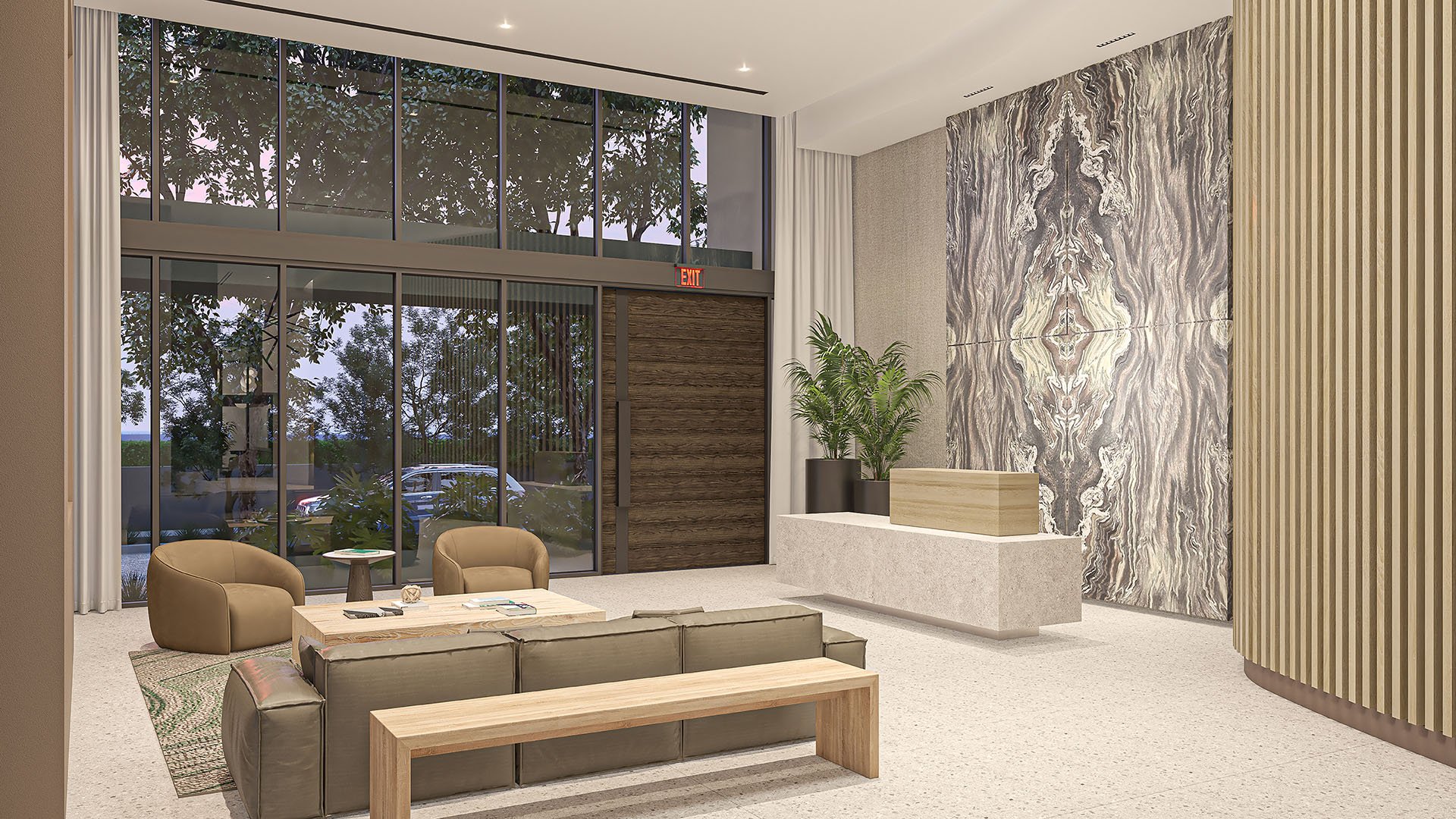
In South Florida, family-focused real estate is often framed around neighborhood names, school conversations, beach proximity, and club access. Those elements matter, but they are only the visible layer. For sophisticated buyers, the deeper question is ownership: what structure will govern daily life after closing, and how gracefully will it support a family’s routines over time?
A gated estate, a boutique condominium, a branded tower, and a master-planned community can each serve a family beautifully. They can also impose very different rules, costs, rhythms, and constraints. The best address is not simply the one with the most impressive arrival sequence. It is the one whose governance, maintenance model, privacy standards, and household flexibility align with how the family actually lives.
This is where South Florida’s luxury market becomes more nuanced. A buyer may love Brickell for its energy, choose Aventura for a more suburban cadence, or gravitate toward Coral Gables, Coconut Grove, Boca Raton, Bay Harbor Islands, or the beaches for a different sense of enclosure. Yet the ownership framework can be just as consequential as the map pin.
Family buyers tend to scrutinize floor plans, bedrooms, storage, outdoor space, and security. They should be equally attentive to the documents and culture that govern the property. Association rules can affect guests, renovations, pets, deliveries, leasing, parking, service access, children’s equipment, and the way amenities are used.
This is not merely legal housekeeping. It is lifestyle architecture. A residence with strong management can make daily life feel frictionless, especially for households with school calendars, caregivers, visiting grandparents, drivers, tutors, trainers, and domestic staff. A poorly matched governance structure can turn even a beautiful home into a recurring negotiation.
The most discerning families treat board minutes, budgets, reserve practices, insurance discussions, and use restrictions as part of the property tour. The question is not whether rules exist. In prime buildings and private communities, they always do. The question is whether those rules preserve the environment the buyer is seeking.
South Florida’s family-oriented luxury now extends well beyond the traditional single-family estate. Some buyers still want a private driveway, pool, garden, and the feeling of a complete compound. Others prefer the lock-and-leave security of a condominium, especially when they divide time among multiple homes.
In Coconut Grove, a project such as Arbor Coconut Grove can enter the conversation for buyers who want a more residential setting without giving up the convenience of condominium ownership. In Coral Gables, Ponce Park Coral Gables reflects the appeal of a neighborhood identity where daily life can feel measured and established.
For families considering Boca Raton, Alina Residences Boca Raton may be part of a broader comparison between vertical luxury, town-center convenience, and the larger estate market. In Bay Harbor Islands, Bay Harbor Towers speaks to buyers who want a quieter island context near the water while remaining connected to Miami’s wider social and school networks.
The point is not that one model is superior. It is that each model answers a different family question.
A family-focused neighborhood is not defined only by where children study. It is defined by whether the home supports the entire weekly choreography. Morning departures, afternoon pickups, sports equipment, weekend hosting, language lessons, music practice, sleepovers, and visiting relatives all test a property in ways glossy photography cannot.
For some households, the decisive factor is a short and predictable school run. For others, it is the ability to maintain privacy while hosting often. Some families prioritize a pool and garden over building amenities. Others prefer on-site fitness, concierge support, and security that allow parents to travel with less friction.
This is why a residence in Brickell can work for one family and not another, even at the same price point. A buyer looking at 2200 Brickell may be weighing a more urban family pattern, where access, services, and efficiency carry particular value. The ownership question becomes practical: does the building’s daily operation complement the household’s schedule, or complicate it?
Luxury family ownership often turns on privacy. In a single-family home, privacy is shaped by lot configuration, landscaping, staffing, gates, and the relationship to neighbors. In a condominium or managed community, it is shaped by elevator access, amenity design, lobby protocol, visitor registration, service routes, package handling, and staff discretion.
Guest rules deserve particular attention. Families frequently host relatives, friends, classmates, and seasonal visitors. The ownership structure should be reviewed through that lens. Are there limits that affect extended stays? How are service providers registered? What is the process for contractors, tutors, private chefs, or medical support? These questions may feel operational, but in a luxury household they define comfort.
The same applies to pets, vehicles, storage, bicycles, beach equipment, strollers, paddleboards, golf clubs, and the quiet accumulation of family life. A perfectly designed residence can feel undersized if the ownership structure does not account for the objects and people moving through it.
Family buyers often purchase emotionally, and understandably so. A home is where children grow, traditions form, and guests are received. Still, South Florida’s premium market rewards discipline. The future buyer will ask many of the same questions: How well is the property governed? Are the rules clear? Is the building or community maintained with consistency? Does the residence serve multiple life stages?
Flexibility is especially valuable. A nursery becomes a study. A media room becomes a homework room. A guest suite becomes space for grandparents. A terrace becomes the evening room. The more gracefully a property adapts, the broader its long-term appeal.
Resale strength also depends on restraint. Overly personal renovations, impractical layouts, or ownership rules that narrow the buyer pool can limit future options. The most enduring family residences tend to balance emotion with structure: beautiful enough to love, practical enough to live in, and governed well enough to protect value.
The strongest buyers begin with a lifestyle audit before they begin negotiating. They ask who uses the home, how often, and in what sequence. They consider school calendars, travel patterns, seasonal guests, work-from-home needs, wellness routines, staff circulation, and the level of community interaction they want.
Then they compare ownership models. A private estate offers autonomy, but it also requires direct oversight. A condominium offers services, but introduces shared governance. A boutique building may feel intimate, while a larger building may deliver more infrastructure. A master-planned environment may provide continuity, but with a more defined rule set.
The right answer is rarely universal. It is personal, strategic, and often revealed in the details. For South Florida families, the true luxury is not only space or view. It is the feeling that the home’s ownership structure quietly supports the life unfolding inside it.
What is the ownership question in a family-focused neighborhood? It is the question of how rules, governance, maintenance, privacy, and services will affect daily family life after the purchase.
Is a single-family home always better for families? Not always. Some families value autonomy, while others prefer the security, services, and lock-and-leave convenience of a condominium.
Why do association rules matter so much? They can influence guests, renovations, pets, leasing, deliveries, staff access, and amenity use, all of which shape household comfort.
How should buyers evaluate a family-oriented condo? They should review documents, budgets, rules, management quality, storage, parking, service access, and the building’s daily operating culture.
Can Brickell work for a family buyer? Yes, for the right household. The key is whether the urban setting, services, and building operations align with school, work, and family routines.
What makes Aventura appealing to some families? Aventura can appeal to buyers comparing a more residential cadence with access to condominium living, services, and broader regional connectivity.
How important is proximity to school? It can be central, but the larger issue is predictability. A home should support the full weekly rhythm, not just the morning commute.
Should buyers worry about resale when purchasing for family life? Yes. The best family homes combine emotional appeal with adaptable layouts, sound governance, and features that future buyers can understand.
What role does privacy play in luxury family ownership? Privacy defines how comfortably a household hosts, works, rests, and moves through the property without unnecessary exposure or friction.
What is the best first step before choosing a neighborhood? Begin with a lifestyle audit, then compare ownership structures to see which model best supports the family’s routines and long-term plans.
For a tailored shortlist and next-step guidance, connect with MILLION.
If branded residences are on your mind — as a home or as an allocation — we would be glad to share what we are seeing, privately.
Begin a quiet conversation

.jpg&width=700&height=438&fit=cover)