For a growing segment of South Florida luxury buyers, the question is not whether a tower makes a statement. It is whether it makes daily life easier. Shorter and mid-rise residences can offer a calmer rhythm for residents who value speed, privacy, manageable shared spaces, and simpler building operations over maximum height.
.jpg)
In South Florida’s luxury condominium market, height still carries undeniable force. A dramatic skyline address can signal arrival, deliver expansive views, and satisfy the appetite for architectural spectacle. Yet for a growing group of buyers, especially those planning to live in the residence full time, the daily experience of moving through a building has become as important as the view from the terrace.
This is not an anti-supertall movement. It is a pro-convenience calculation. Some buyers continue to prize height, branding, and trophy-level amenities. Others are asking a quieter, more practical question: how many steps, waits, handoffs, and shared spaces stand between the front door and the rest of life?
That question has become sharper as more owners use South Florida residences as primary homes rather than occasional escapes. A buyer evaluating 2200 Brickell, for instance, may be thinking not only about design and neighborhood access, but also about the repeated choreography of valet, elevators, guests, deliveries, service appointments, and morning departures.
The clearest distinction between shorter towers and supertalls is vertical distance. Fewer floors and fewer residents generally mean simpler lobby-to-residence circulation. That can translate into less perceived friction during school runs, dinner reservations, airport departures, and impromptu returns from the beach or office.
Elevator convenience is rarely glamorous in a sales conversation, but it is central to lived luxury. The issue is not only wait time. It is predictability. Full-time residents notice patterns: which hours feel congested, how guest access is handled, whether service elevators are easy to schedule, and whether moving furniture or receiving large deliveries becomes an event.
Low-floor residences can also appeal to buyers who want a shorter physical and psychological distance from the street, the pool deck, the garage, or the waterfront. For residents who value a calmer routine, a shorter ride can feel more luxurious than a longer ride to a higher perch.
Investors and occasional-use owners often judge a residence through a different lens. They may prioritize prestige, resale narrative, rental potential, or the emotional impact of a view. Primary residents are more likely to test the property against repetition.
Repetition changes everything. A valet line that feels charming on a weekend can become irritating by the third Monday morning. A crowded lobby that feels energetic during season can feel less private when guests, contractors, delivery drivers, and residents converge. A sprawling amenity program can impress at first glance, then raise questions about fees, staffing, maintenance, and management complexity.
That is why shorter luxury towers can present a more residential feel. Fewer households may mean fewer people sharing elevators, lobbies, pools, gyms, valet areas, and service corridors. In places such as Bay Harbor Islands, a buyer looking at Bay Harbor Towers may be drawn to a more intimate daily rhythm rather than the theater of a vast vertical community.
As residential towers become taller and more amenity-rich, their operations can become more complex. Larger staffing models, intensive mechanical systems, specialized maintenance, and layered service protocols all contribute to the ownership experience. They can also influence monthly assessments, association dues, reserve planning, and insurance-related costs.
Florida condo buyers are increasingly attentive to those long-term obligations. The conversation has moved beyond finishes and views into reserves, building maintenance, and the durability of operating budgets. For sophisticated buyers, the elegance of a property now includes the elegance of its management model.
This does not mean smaller is automatically less expensive or better run. A boutique building can still carry significant costs, especially with high-touch service and premium amenities. But a shorter or mid-rise tower can offer a more understandable operating profile, which matters to buyers who want fewer unknowns and clearer ownership expectations.
Amenity-rich towers remain compelling. Private dining rooms, wellness suites, resort pools, lounges, and branded services can transform a residence into a self-contained world. For some buyers, that breadth is the point.
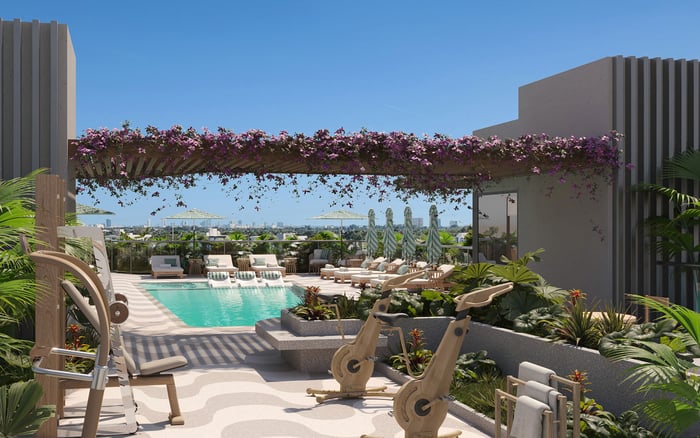
Others are beginning to separate useful amenities from impressive but underused ones. They may prefer a focused suite of spaces that supports daily life rather than an expansive menu that requires larger staff, more scheduling, and higher management oversight. A gym that is easy to reach, a pool that feels uncrowded, and guest parking that works smoothly can matter more than a long list of rarely used offerings.
On Miami Beach, a residence such as 57 Ocean Miami Beach may enter the conversation for buyers thinking about beachfront life in human terms: arrival, privacy, movement, service, and the comfort of returning home without excess ceremony.
The shorter-tower preference also intersects with aging-in-place decisions. Some buyers want simpler circulation, shorter corridors, faster access to exits, and less complicated emergency-response logistics. For downsizers leaving large single-family homes, the goal is often not to trade one form of complexity for another. It is to simplify without sacrificing beauty, service, or location.
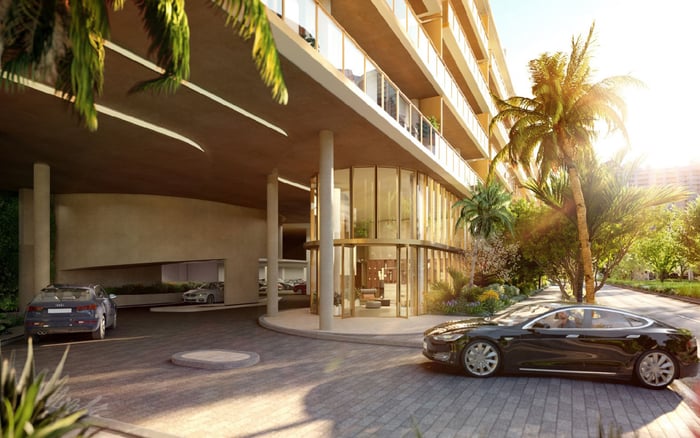
This segment may be especially sensitive to how a building feels at ground level. Is the entrance intuitive? Is the valet process calm? Are elevators easy to access from parking and lobby areas? Can family members visit without friction? Can contractors and service providers reach the residence without turning a minor appointment into a scheduling puzzle?
In Boca Raton, Alina Residences Boca Raton fits naturally into the broader regional conversation about buyers who want refinement with everyday practicality. The point is not simply height. It is whether the property supports a graceful daily routine.
South Florida’s luxury market is not moving in one direction. It is dividing by lifestyle priority. One buyer wants the tallest statement possible, with panoramic drama and a recognizable skyline identity. Another wants privacy, service efficiency, fewer shared touchpoints, and a building that feels closer to a private residence than a vertical resort.
Both choices can be rational. The important distinction is tolerance for operational complexity. Buyers who travel frequently, entertain occasionally, or use a condo seasonally may be less affected by everyday friction. Buyers who work from home, host family often, receive frequent deliveries, or rely on daily valet and service access may weigh every layer of circulation more heavily.
The best purchase decision begins with an honest inventory of routine. How often will the residence be used? How many guests will come and go? How important is immediate garage access? How often will staff, contractors, or wellness providers need entry? How much shared amenity space is truly desirable?
Before selecting a tower, buyers should walk through an ordinary day rather than an idealized showing. Start at the curb. Continue through valet, lobby, elevator, corridor, residence entry, package handling, guest arrival, pet logistics, and service access. Then repeat the exercise at peak times.
Ask how moves are handled, how deliveries are staged, how many households share key circulation points, and how building staff separate resident, guest, and service flows. Ask about reserves, insurance pressures, maintenance planning, and amenity operations. A beautiful residence can still disappoint if the daily route feels congested or unpredictable.
For some, the answer will still be a supertall. For others, the more persuasive luxury will be a shorter tower that makes daily life feel private, efficient, and composed. In a mature market, ease is no longer a secondary feature. It is part of the value proposition.
Are shorter towers always better than supertalls? No. The better choice depends on whether a buyer prioritizes views and prestige or daily ease, privacy, and simpler operations.
Why do primary residents care more about building height? Full-time owners experience elevator waits, valet flow, deliveries, and guest access repeatedly, so small frictions become more important.
Can supertalls still be practical for everyday living? Yes. A well-managed supertall can offer excellent service, but it may require more complex staffing, systems, and coordination.
What makes elevator access such a major issue? Elevators shape the daily path between residence, lobby, parking, amenities, guests, and service providers.
Do shorter buildings always have lower fees? Not necessarily. Fees depend on services, amenities, reserves, insurance, staffing, and overall building operations.
Why are amenities part of this decision? Large amenity programs can be appealing, but they may also create higher management complexity and shared-space congestion.
Who is most likely to prefer shorter towers? Primary residents, downsizers, aging-in-place buyers, and work-from-home households may place higher value on simpler circulation.
Is low-floor preference mainly about price? Not always. Some buyers prefer low-floor residences for faster access, easier exits, and a stronger connection to the building entrance.
Does Brickell attract both height-focused and convenience-focused buyers? Yes. Brickell includes buyers who want skyline presence and others who focus on daily movement, parking, and service efficiency.
What should buyers test during a showing? They should test arrival, valet, elevator access, guest flow, delivery handling, and the feel of shared spaces at busy times.
To compare the best-fit options with clarity, connect with MILLION.
If branded residences are on your mind — as a home or as an allocation — we would be glad to share what we are seeing, privately.
Begin a quiet conversation