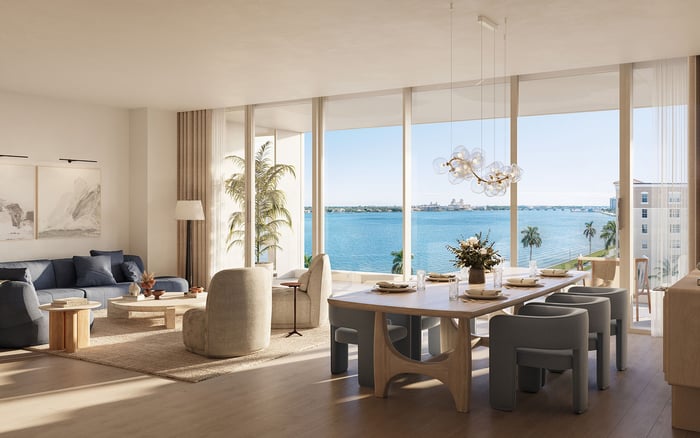
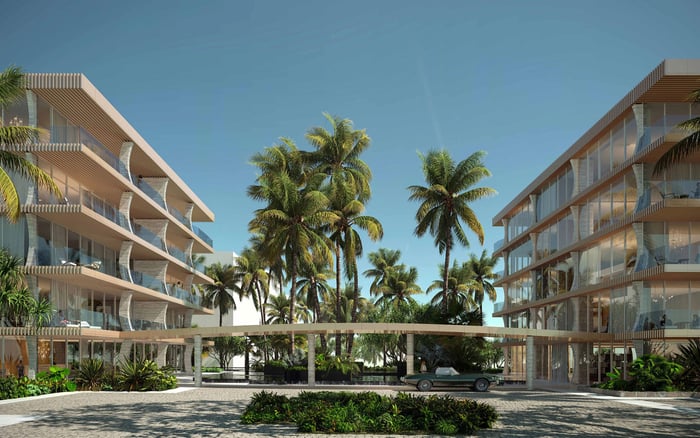
In South Florida luxury real estate, prestige can frame a search, but social fit determines whether a neighborhood truly supports daily life, family priorities, civic expectations, and long-term value.
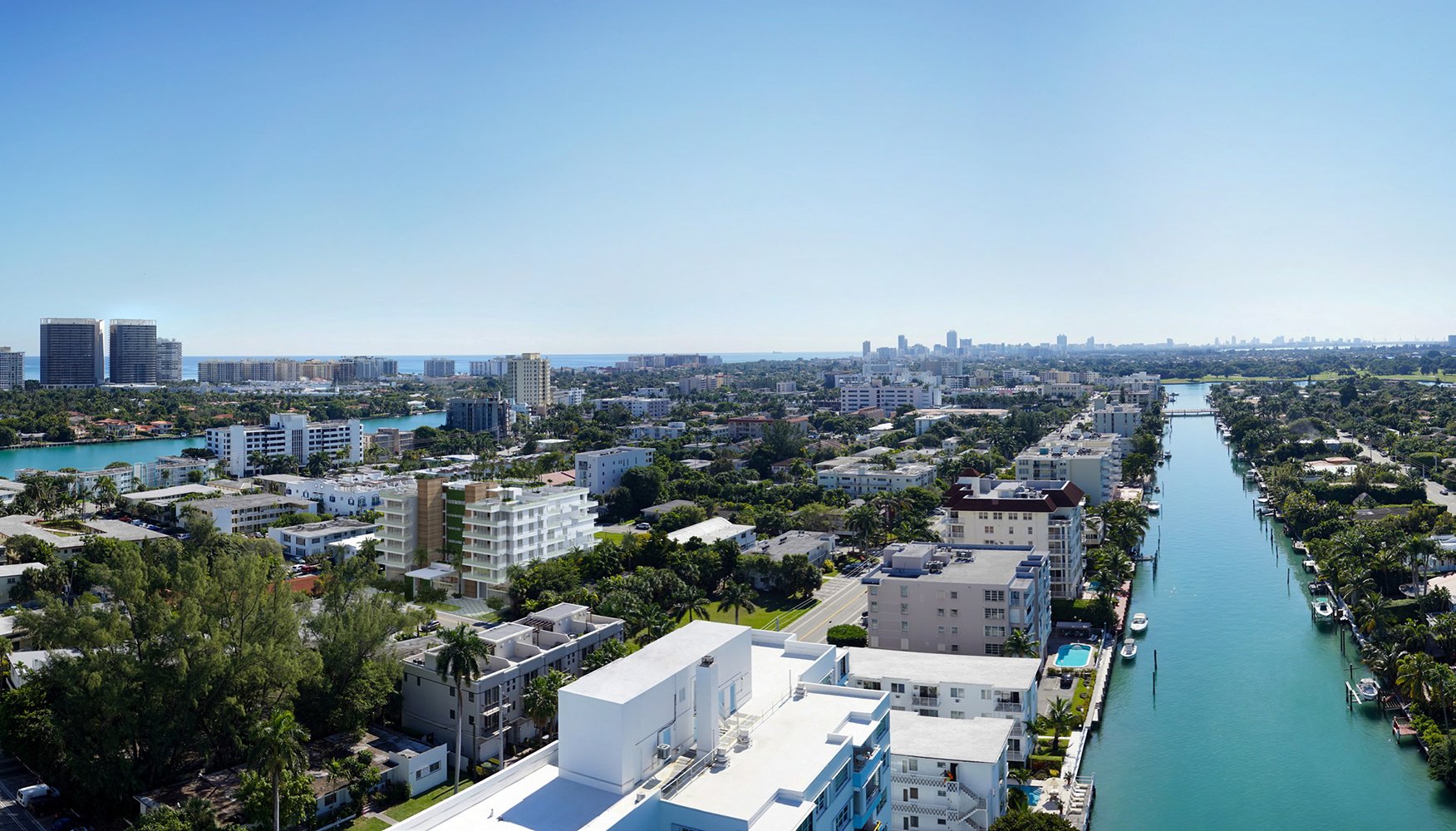
In South Florida, a neighborhood name can travel faster than the experience of living there. A famous enclave may signal taste, privacy, beach proximity, or long-standing wealth. Yet for a buyer who intends to live with the decision, social fit is not a soft preference. It is a due-diligence category.
Prestige answers one question: how is this address perceived? Social fit answers several more useful ones: how does the place function, who is it built around, what rules shape daily life, how do families form community, and does the neighborhood’s rhythm support the buyer’s actual routine? For a primary residence, that second set of questions often matters more.
The strongest South Florida searches treat status as context, not proof. A buyer may admire Coral Gables, prefer the waterfront scale of Bay Harbor Islands, or feel drawn to the convenience of Brickell. The sharper question is whether the civic environment, property fundamentals, schools, parks, safety perceptions, rental rules, and peer community all reinforce the life being purchased.
In luxury real estate, municipal character is often underestimated. Two equally prestigious addresses can deliver very different daily experiences because services, local rules, resident programs, parks, and code enforcement vary by jurisdiction. An incorporated city is not simply a point on a map. It is a governing ecosystem.
Coral Gables is a useful example because it should be evaluated as its own civic environment, not merely as part of greater Miami. A buyer considering Cora Merrick Park is also considering the city’s approach to public services, rules, community resources, and neighborhood character. Those civic details influence whether an address feels composed, predictable, and residential.
The same discipline applies in Boca Raton. The appeal is not only the name, the retail, or the coastal polish. It is also how the city’s parks, services, resident programs, and local government structure align with a buyer’s preferred lifestyle. For someone considering Alina Residences Boca Raton, the fit question includes how daily civic life feels beyond the residence itself.
A prestigious neighborhood can command a premium, but the premium should still be tested at the property level. Public property records are a primary tool for checking ownership, assessed values, parcel details, and ownership history. They do not replace private advisory work, but they help prevent a buyer from paying for a name without understanding the asset beneath it.
This matters in Miami-Dade, where a branded neighborhood can create momentum around an address. Parcel details, assessed value, and ownership history can reveal whether the fundamentals match the asking posture. A beautiful building in a famous location still requires the same disciplined verification as a quieter property in a less celebrated area.
Market reputation should also be measured against current housing conditions. A neighborhood’s legacy may assist resale marketing, but it does not automatically make every purchase rational. Buyers should compare pricing momentum, inventory, affordability, and product type across multiple areas before assuming a famous zip code deserves the premium.
The most elegant neighborhood is not always the best one for the way a buyer actually lives. Commute patterns, school logistics, parks, grocery routes, clubs, waterfront access, and the tone of the streets at different hours all create the lived hierarchy of a place.
For some buyers, Brickell’s energy is the point. It can suit a household that values walkability, dining, office proximity, and a vertical urban rhythm. For others, that same intensity may feel less residential than expected. A residence such as The Well Coconut Grove may appeal to a different buyer precisely because the surrounding routine suggests a more village-like cadence.
The key is to test the week, not the brochure. Where does the buyer go on a Monday morning? How often do children or guests visit? Is the priority nightlife, schools, boating, wellness, privacy, or an easy airport pattern? Prestige may impress at dinner. Social fit determines whether Tuesday feels effortless.
For family buyers, school-system fit can outweigh name recognition. Calendars, assignments, programs, district resources, and commute patterns shape not only education but also social networks. A prestigious neighborhood can still be the wrong choice if school logistics are strained or if the family’s peer community forms elsewhere.
This is especially important when comparing Broward County neighborhoods such as Weston, Fort Lauderdale, and nearby luxury suburbs. School information should be verified directly through official district channels rather than assumed from neighborhood reputation. A Fort Lauderdale buyer evaluating Andare Residences Fort Lauderdale may love the address, but a family decision should still account for school assignments, calendars, programs, and practical routes.
Peer fit is more subtle. Some neighborhoods are anchored by year-round families, some by second-home owners, some by seasonal residents, and others by highly mobile renters. None is universally better. The right answer depends on whether the buyer wants privacy, social density, family continuity, or a polished lock-and-leave lifestyle.
A wealthy address is not automatically a stable one. Local rental rules, code enforcement, and municipal regulations can affect whether a neighborhood feels residential or transient. Buyers who value quiet continuity should understand how short-term rental activity, enforcement culture, and building or community rules may shape day-to-day life.
This is where social fit becomes tangible. One buyer may want an animated waterfront setting, while another may want evening calm and familiar neighbors. Bay Harbor Islands, for example, can attract buyers who prefer a more measured residential scale while remaining connected to the wider Miami luxury map. For someone considering Bay Harbor Towers, the evaluation should include not only the residence but also the neighborhood’s rules, walkability, and sense of continuity.
Safety perception should also be approached carefully. Anecdotes are not enough, and prestige can distort assumptions. Standardized crime reporting can provide a baseline for comparison, but it should be interpreted with nuance, neighborhood context, and property-specific awareness.
South Florida’s luxury market offers many forms of status: oceanfront privacy, historic civic polish, tower living, marina adjacency, golf culture, and family-oriented suburbia. The mistake is to treat them as rungs on a single ladder. They are different social ecosystems.
The strongest purchase is often the one where the buyer’s identity and the neighborhood’s operating system align. That may be a renowned enclave, but it may also be a less famous area with stronger value, better inventory, more compatible schools, or a more natural daily rhythm. Prestige can open the conversation. Social fit should close it.
Why can social fit matter more than neighborhood prestige? Prestige reflects outside perception, while social fit determines whether daily routines, rules, schools, services, and community actually support the buyer’s life.
Should buyers ignore prestigious South Florida neighborhoods? No. Prestige can help with identity and resale positioning, but it should be weighed against property fundamentals and lived experience.
What should luxury buyers verify before choosing a neighborhood? Buyers should review property records, municipal rules, school information, safety context, services, parks, commute patterns, and local rental regulations.
How do property records help in a luxury purchase? They can clarify ownership, assessed values, parcel details, and ownership history before a buyer pays a premium for a famous address.
Why are city rules important in South Florida? Local rules shape code enforcement, rental activity, public services, and the residential feel of a neighborhood.
Does school fit matter for buyers without children? It can. School patterns often influence traffic, neighborhood stability, family networks, and future resale appeal.
How should buyers think about safety perception? Safety should be evaluated through standardized data, local context, and property-level awareness rather than reputation alone.
Can a less famous neighborhood be the better luxury choice? Yes. A less famous area may offer stronger value, more suitable inventory, or a lifestyle rhythm that better matches the buyer.
Is Brickell right for every luxury buyer? No. Brickell can suit buyers who want urban energy and convenience, but others may prefer quieter civic or residential environments.
What is the simplest test of social fit? Imagine a normal week in the neighborhood, including commute, schools, errands, evenings, guests, and downtime.
For a tailored shortlist and next-step guidance, connect with MILLION.
If branded residences are on your mind — as a home or as an allocation — we would be glad to share what we are seeing, privately.
Begin a quiet conversation