For collectors buying in South Florida, art installation is not only an aesthetic decision. It is a coordination exercise involving building rules, engineering judgment, timing, insurance, and the social language of each market.
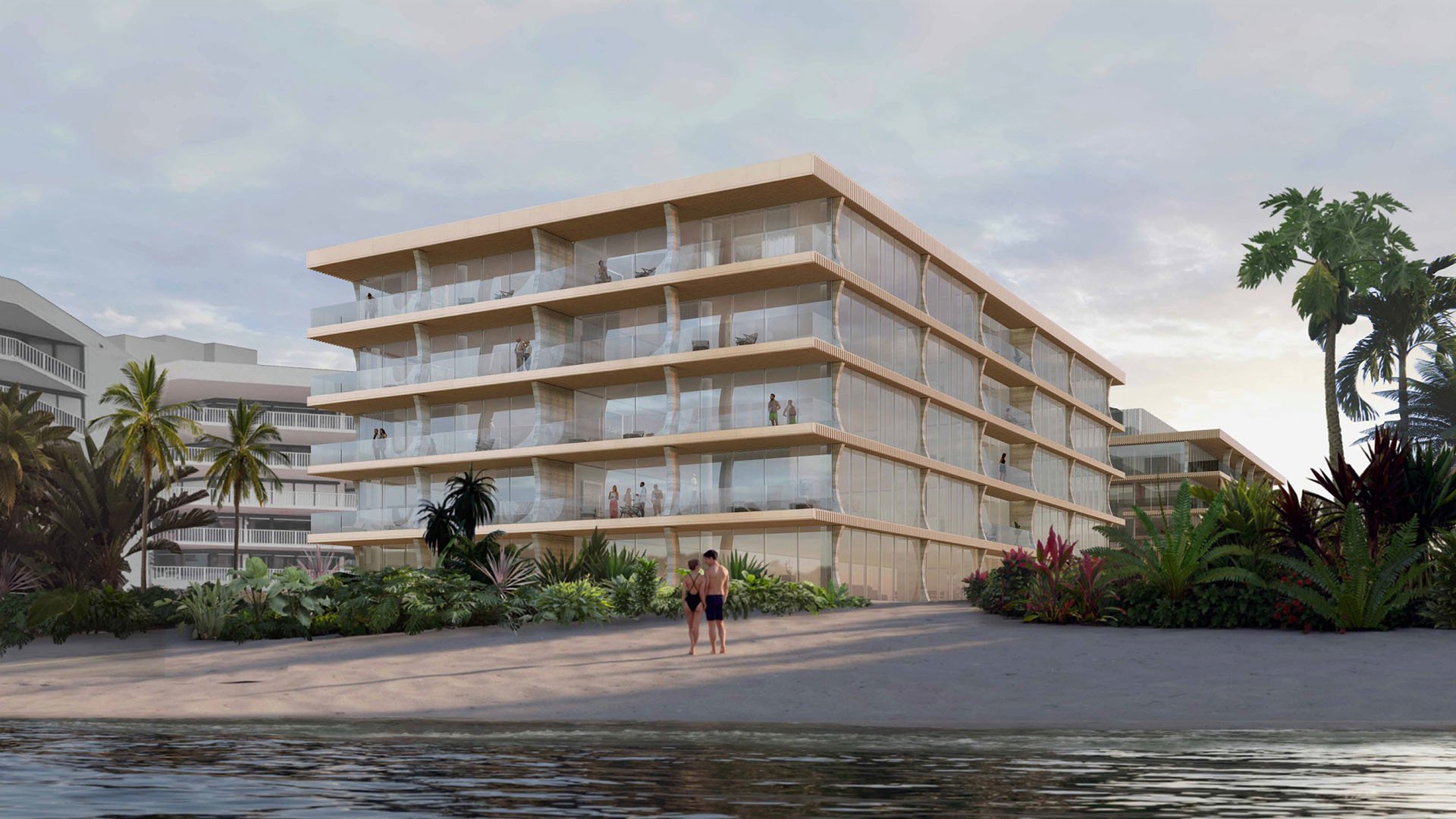
For serious collectors, art is rarely an afterthought. A sculpture, a light work, a large-format canvas, or a site-specific commission can define the experience of an entire residence. In South Florida, however, the question is not simply where the work looks best. It is whether the residence, the building, and, in some cases, the municipality can accommodate it discreetly.
Across Miami, Fort Lauderdale, and Palm Beach, approvals tend to turn less on taste than on impact. A framed work inside a private residence is usually a different conversation from a suspended installation, an exterior piece visible from neighboring properties, a water feature, an illuminated work, or anything requiring structural attachment. The more a piece touches structure, power, plumbing, waterproofing, façade conditions, common areas, or neighboring sightlines, the earlier the approval process should begin.
The most successful buyers treat installation as part of acquisition due diligence. Before closing, they request association documents, alteration rules, contractor requirements, insurance expectations, elevator dimensions, loading access, slab information where available, and any limits on exterior or balcony placement. That discipline is especially important in new-construction residences, where design flexibility may exist early but can narrow as delivery approaches.
Miami’s luxury residential market often places art within highly designed vertical environments. In Brickell, Edgewater, Downtown, Coconut Grove, and Miami Beach, buyers are frequently navigating condominium procedures, design review expectations, elevator logistics, and the choreography of moving major works through staffed buildings.
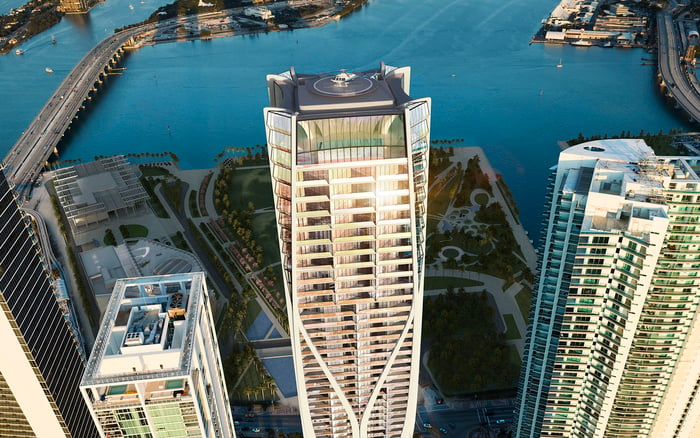
In a tower such as Baccarat Residences Brickell, the collector’s first question should be practical: how does the piece arrive, where is it staged, and who signs off before it touches the residence? Large art can implicate freight elevator reservations, protective coverings, certificate of insurance requirements, working-hour restrictions, and, in some cases, engineering review. The more refined the building, the more formal the process is likely to feel.
Miami also rewards careful thinking about visibility. Works placed near glass lines, terraces, double-height spaces, or entry foyers may be experienced by more than the owner. That is part of the appeal, but also part of the approval sensitivity. A luminous work, a kinetic piece, or anything placed outdoors can raise different questions than a conventional interior installation. A collector who approaches the building manager with drawings, weights, attachment details, electrical requirements, and installer credentials will usually have a cleaner path than one who arrives with only a concept.
Miami Beach adds another layer of nuance because the best residences often balance art, architecture, hospitality, and oceanfront restraint. In a setting such as Shore Club Private Collections Miami Beach, the residence may be conceived as part of a larger design experience. The art must feel personal, but it should also coexist with architectural finishes, terrace conditions, sea air, and the building’s operating standards.
Collectors should be especially careful with exterior-facing works. A terrace sculpture may seem private, yet it can affect wind exposure, drainage, waterproofing, weight distribution, and visual harmony. Outdoor works also require materials that can tolerate salt air, humidity, and strong sun. Approval conversations should therefore address not only aesthetics, but maintenance protocols, anchoring methods, and the owner’s responsibility if the work needs to be removed before a storm event or building repair.
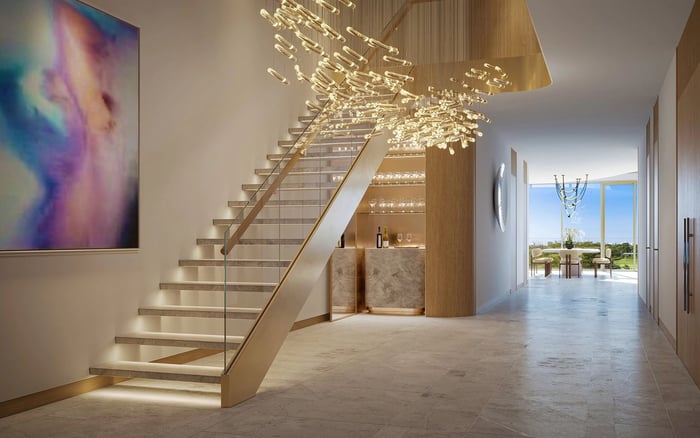
Inside the residence, the most elegant approvals tend to be invisible. Blocking, lighting, niche dimensions, art wall preparation, and specialty power should be coordinated before final finishes wherever possible. Retrofitting after occupancy can be expensive and disruptive, particularly in buildings that require licensed trades, advance scheduling, and protection of common corridors.
Fort Lauderdale’s luxury context is often more horizontal and water-oriented, but approvals remain disciplined. Waterfront condominiums, branded residences, and private homes all require a careful distinction between decorative installation and alteration. A work that sits freely in an interior may be simple. A work that attaches to structural elements, modifies lighting, occupies a balcony, or changes an exterior view should be treated as a formal approval matter.
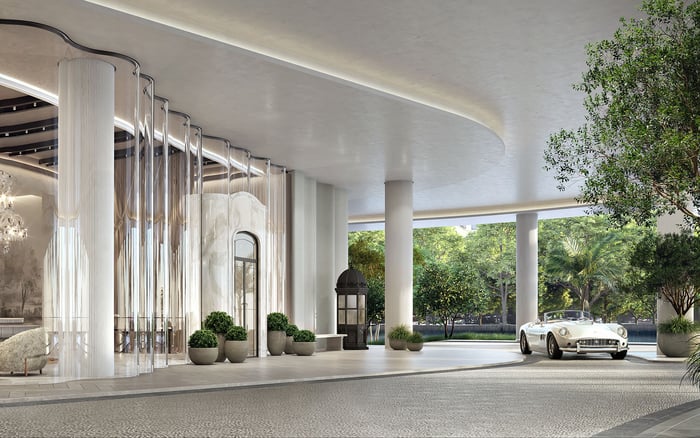
At St. Regis® Residences Bahia Mar Fort Lauderdale, buyers considering statement art should evaluate the entire path from delivery to placement. That means loading access, security procedures, installer credentials, insurance, and any limits on work hours. For collectors accustomed to private estates, condominium protocol can feel detailed, but it exists to protect finishes, residents, and the value of the building.
Broward buyers should also account for waterfront conditions. Moisture, reflective light, and storm planning can influence placement. A collector may love the idea of an outdoor work near water, but the approval question should include materials, anchoring, liability, and whether the piece can be safely managed during severe-weather preparations. A well-prepared proposal makes clear that the owner has considered those operational realities.
Palm Beach and West Palm Beach often invite a quieter approval philosophy. The question is not only whether a work can be installed, but whether it feels compatible with the residence, the neighborhood, and the cadence of ownership. In some properties, the most valuable decision is restraint: placing a major work where it enriches the home without creating exterior controversy or maintenance complexity.
For buyers considering The Ritz-Carlton Residences® West Palm Beach, the practical checklist remains familiar: association rules, alteration applications, contractor documentation, freight access, insurance, and building manager coordination. What may differ is the tone. Palm Beach-area ownership often values discretion, so proposals should be polished, complete, and respectful of the property’s architectural character.
Palm Beach buyers with significant collections should also consider conservation. Strong light, humidity, and seasonal occupancy patterns can affect how works are displayed and monitored. Climate control, UV protection, specialty lighting, and security integration should be discussed before installation, particularly for fragile works or pieces with lender, insurer, or estate-planning considerations.
Begin with the object. Document dimensions, weight, medium, value range for insurance purposes, installation method, power needs, and whether the work is freestanding, wall-mounted, suspended, illuminated, kinetic, water-based, or exterior-facing. Then map those details onto the building’s rules.
Next, identify the approval authority. In a condominium, that may include management, an association, an architectural review process, and building engineers. In a single-family home, the relevant path may involve architects, engineers, contractors, insurers, and, when exterior or structural work is involved, municipal review. The owner does not need to become an expert in every rule, but should assemble the right team early.
Finally, sequence the process. The best order is concept, feasibility, documentation, approval, scheduling, installation, and post-installation recordkeeping. Keep drawings, insurance certificates, invoices, engineering notes, and maintenance instructions. If the residence is later sold, a clean record can reassure the next buyer that a dramatic installation was not improvised.
Do all art installations require approval? No. Many interior decorative works are straightforward, but anything structural, electrical, exterior, oversized, or common-area adjacent should be reviewed early.
When should a buyer raise art installation plans? Ideally before closing, especially if the work is large, heavy, suspended, illuminated, or intended for a terrace or double-height space.
Is Miami more complicated than Fort Lauderdale or Palm Beach? Not necessarily. Complexity depends on the building, the artwork, the installation method, and how visible or operationally sensitive the piece is.
Can a condominium board reject an artwork? A board or review body may object if the installation conflicts with building rules, safety standards, exterior appearance, or common-area protections.
Are terrace sculptures usually simple to approve? They can be sensitive because terraces involve wind, drainage, waterproofing, weight, visibility, and storm preparation.
Should collectors involve an engineer? Yes, when a work is heavy, suspended, attached to structure, or dependent on specialized anchoring or power.
What should an approval package include? Include dimensions, weight, renderings, attachment details, installer credentials, insurance certificates, schedule, and maintenance notes.
Does art insurance affect approvals? It can. Buildings may require contractor insurance, while the owner’s insurer may have separate conditions for handling, security, or display.
Is new construction easier for art planning? Often it is easier to plan blocking, lighting, power, and wall preparation before finishes are complete, but approvals still matter.
How should international buyers approach the process? They should coordinate the designer, art adviser, installer, building manager, and local representative before shipping major works.
For a discreet conversation and a curated building-by-building shortlist, connect with MILLION.
If branded residences are on your mind — as a home or as an allocation — we would be glad to share what we are seeing, privately.
Begin a quiet conversation