A buyer-focused guide to why steam-room ventilation deserves serious attention before closing on a luxury South Florida residence, from inspection strategy to negotiation leverage.
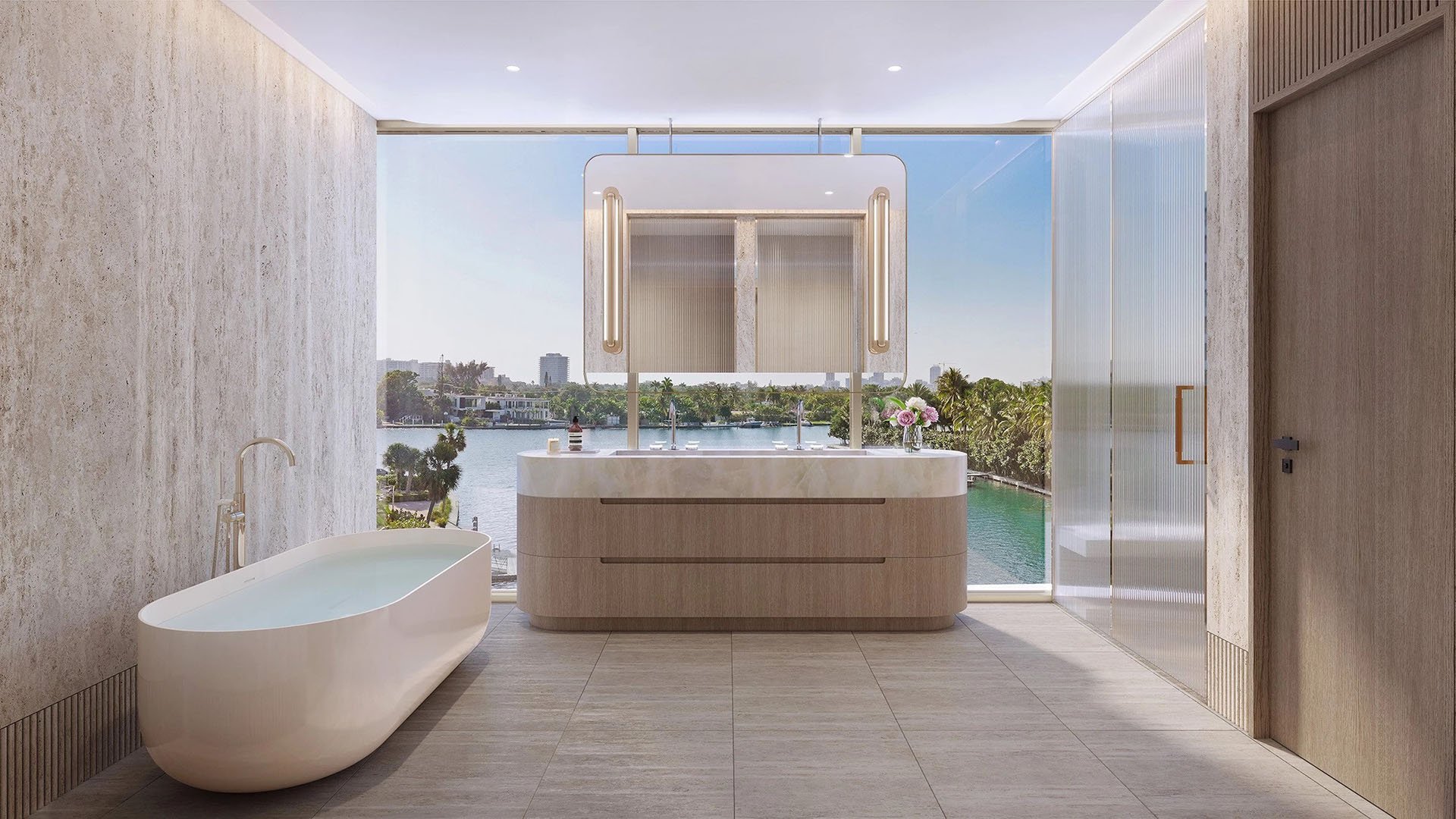
A private steam room can be one of the quiet luxuries that sells a residence before a buyer has finished the tour. It signals privacy, ritual, and resort-level daily living. Yet behind the stone, glass, lighting, and spa vocabulary is a mechanical environment that must manage heat, vapor, drainage, air movement, and finish protection with unusual discipline.
For South Florida buyers, especially those comparing oceanfront condominiums, wellness-forward towers, and newly renovated estates, the question is not whether a steam room feels beautiful on the day of a showing. The question is whether it has been ventilated, maintained, and integrated well enough to remain beautiful after closing.
That diligence is especially relevant in residences where amenities carry emotional value. In a beachfront setting such as 57 Ocean Miami Beach, the wellness narrative is inseparable from the larger experience of light, water, and recovery. In a private home or condominium with a steam enclosure, that experience deserves the same scrutiny given to views, elevators, parking, and service access.
When ventilation is treated as an afterthought, the remedy may extend well beyond replacing an exhaust component. The true cost can involve opening finished surfaces, coordinating specialty trades, retesting controls, correcting slopes or seals, and repairing adjacent materials affected by repeated vapor exposure.
In a luxury residence, the financial issue is often compounded by disruption. Stone may need to be matched, glass may need to be removed, millwork may need protection, and access may require building coordination. A small mechanical concern can become a post-closing project with schedule friction, aesthetic risk, and lifestyle inconvenience.
This is why buyers should resist evaluating a steam room only through the lens of design. A handsome bench, a seamless glass door, and a calm lighting scene are not substitutes for a complete pre-closing review. The room should be considered a wet, heated, enclosed environment that needs a clear strategy for air exchange, condensation control, and serviceability.
The first inspection is visual. Look for staining near ceilings, softened paint outside the enclosure, swollen trim, persistent odor, cloudy glass that seems excessive, or discoloration around grilles and thresholds. None of these clues should be treated as a verdict. They are prompts for deeper inquiry.
The second inspection is operational. The steam generator, ventilation, controls, lighting, and door hardware should be observed as a system, not as isolated features. A buyer should consider whether the ventilation response feels intentional, whether the space clears appropriately after use, and whether mechanical access is practical without damaging finishes.
The third inspection is documentary. Plans, service records, product manuals, warranties, maintenance notes, and association requirements can all help clarify whether the installation was conceived as a permanent luxury feature or added as a decorative amenity. In buildings where wellness is central to the brand, such as The Well Bay Harbor Islands, buyers should still distinguish between the building’s amenity story and the specific condition of the private residence they are purchasing.
South Florida living already asks homes to negotiate humidity, salt air, strong sun, and frequent transitions between cooled interiors and warm outdoor spaces. A steam room adds a concentrated moisture event inside that broader climate context. That does not make steam rooms problematic. It makes execution important.
The most sophisticated residences anticipate this balance. They pair indulgence with systems thinking. A spa suite should feel serene, but serenity is often the result of hidden coordination among waterproofing, ventilation, drainage, controls, and maintainable access.
In Brickell, for example, buyers may be comparing full-service towers where private wellness features sit alongside building-level amenities. A residence at St. Regis® Residences Brickell belongs to a market where expectations are exacting. If a private steam room is part of the offering, it should not be waved through simply because the building is prestigious. Prestige raises the standard of diligence, not the tolerance for uncertainty.
Steam-room ventilation concerns are best addressed before closing because leverage is clearer. If issues are identified early, a buyer can request further evaluation, repairs, credits, escrow arrangements, or written clarification, depending on the transaction structure and the advice of counsel and inspectors.
After closing, the same concern becomes a personal project. The buyer owns the inconvenience, the coordination, and the uncertainty of opening a finished wellness space. Even when the repair is straightforward, the luxury owner is still managing access, noise, dust, and possible interruption of daily routines.
The point is not to turn every steam room into a deal obstacle. The point is to price and structure the decision intelligently. A buyer who understands the condition of the ventilation system can decide whether the residence still supports the intended lifestyle, whether improvements are acceptable, or whether the issue changes the economics of the offer.
From an investment perspective, this matters because wellness amenities can strengthen a property’s appeal only when they feel effortless. A steam room that appears neglected, smells stale, or raises questions during a future showing may weaken the very premium it was meant to support.
New development can reduce certain unknowns, but it does not eliminate the need for verification. A newly completed steam room may look pristine because it has not yet been used extensively. That makes functional testing and documentation even more important.
Buyers should confirm how the steam area is intended to operate, who services it, what maintenance is expected, and whether the room has been commissioned properly. If a residence is delivered with a spa suite, the owner should understand the handoff. A beautiful wellness room should not come with vague instructions.
This is particularly true in projects where wellness is part of the lifestyle promise. At The Well Coconut Grove, the buyer mindset naturally includes restoration, quiet design, and health-oriented living. That mindset should extend to the unseen parts of the residence. The more refined the amenity, the more carefully its systems should be understood before acceptance.
A prudent buyer should assemble a small, targeted checklist. Confirm that the steam room can be operated during inspection. Request available installation and maintenance documents. Ask whether any repairs, leaks, odors, or moisture concerns have been disclosed. Review how ventilation is controlled and how quickly the enclosure and adjacent areas return to normal after use.
Access is equally important. A steam generator or ventilation component hidden behind elaborate finishes may create future expense if service requires demolition-level intrusion. The best luxury details are not merely concealed. They are concealed intelligently, with a plan for maintenance.
Finally, consider the room within the larger residence. Does the steam room connect to a primary bath, gym, pool area, terrace, or dressing suite? Are adjacent materials suited to periodic moisture exposure? Does the surrounding space feel fresh, or does it carry signs of trapped humidity? These observations help a buyer see beyond the feature and into the way the home will live.
Should I inspect a private steam room before closing? Yes. It should be reviewed as both a design feature and a mechanical environment before the transaction is finalized.
Is ventilation the only issue that matters? No. Ventilation works alongside waterproofing, drainage, controls, seals, finishes, and service access.
Can a beautiful steam room still have hidden concerns? Yes. Luxury finishes can conceal mechanical or moisture issues that are not obvious during a brief showing.
Should new-construction buyers still test the steam room? Yes. New-construction residences can look perfect while still requiring commissioning, documentation, or adjustment.
What visible clues should raise questions? Staining, swelling, persistent odor, unusual condensation, cloudy glass, or damaged adjacent finishes merit further review.
Who should evaluate the system? A qualified inspector or relevant specialist should assess operation, ventilation, access, and surrounding conditions.
Can steam-room concerns affect negotiation? They can. Early diligence may support repair requests, credits, escrow discussions, or more informed pricing decisions.
Is this relevant in condominium purchases? Yes. Private steam rooms in condominiums still require review, even when the building has extensive shared amenities.
Does a steam room add value? It can enhance lifestyle appeal when it is well designed, properly maintained, and easy to service.
What is the most important buyer takeaway? Treat the steam room as a serious system before closing, not as a decorative upgrade to be evaluated later.
To compare the best-fit options with clarity, connect with MILLION.
If branded residences are on your mind — as a home or as an allocation — we would be glad to share what we are seeing, privately.
Begin a quiet conversation