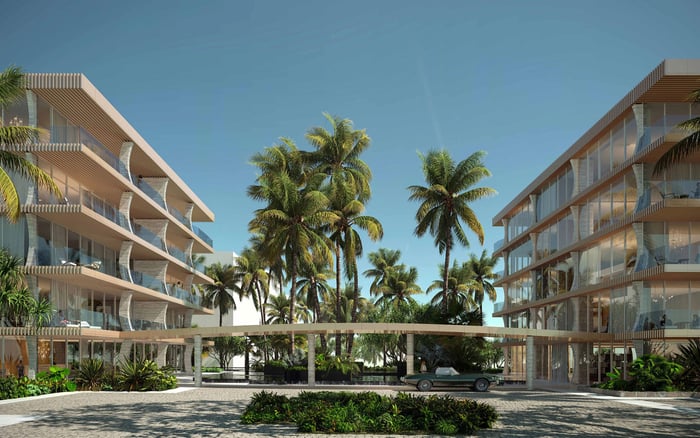
A buyer-focused guide to evaluating reserve exposure, insurance structure, and completed-building certainty when considering Ritz-Carlton branded residences in West Palm Beach and Fort Lauderdale for full-time South Florida living.
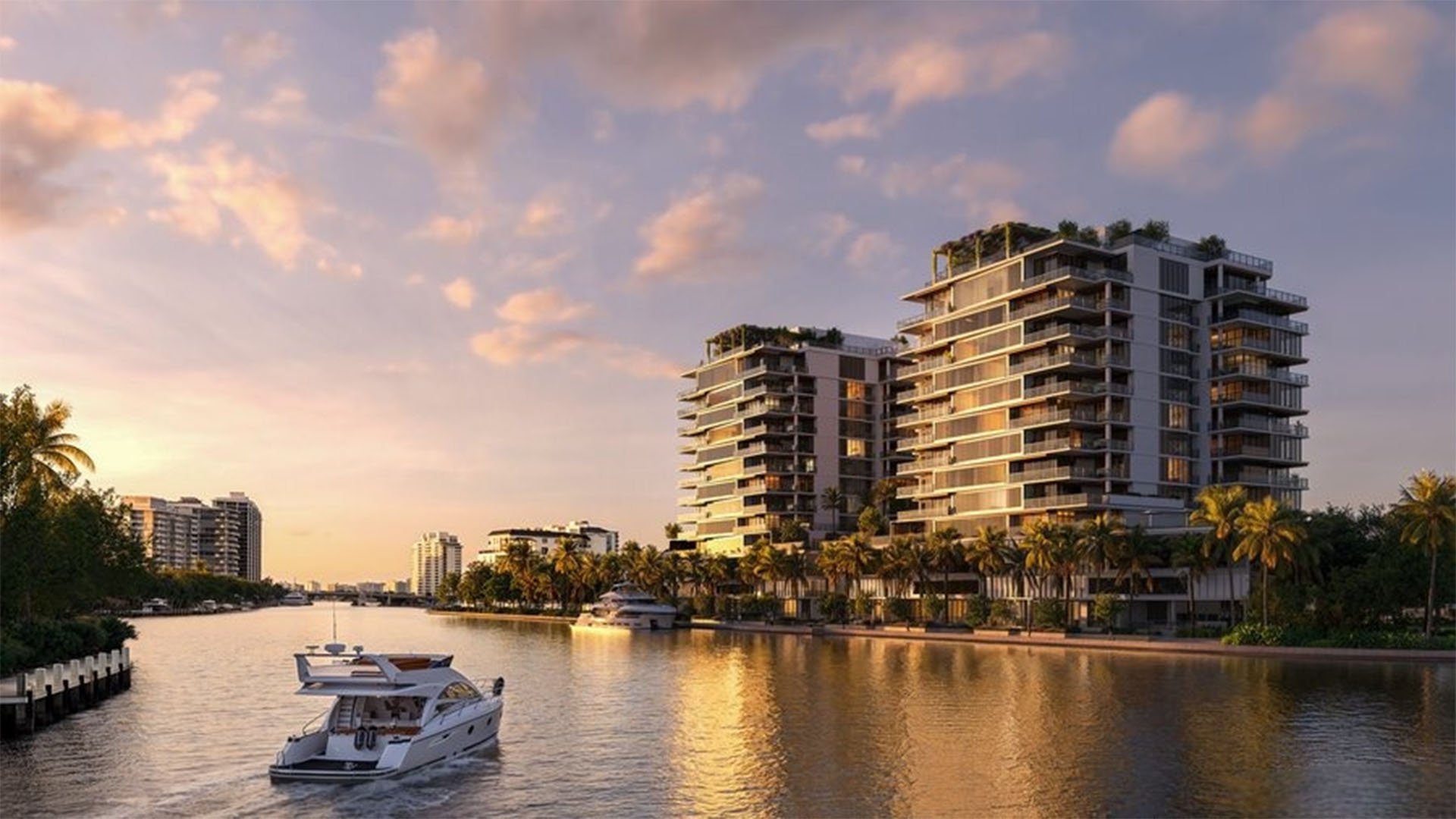
For seasonal owners, a branded residence may be judged first by service, privacy, views, and ease of arrival. For full-time owners, the lens is sharper. The home is not only a South Florida address; it is a daily operating environment, a long-term financial commitment, and a shared building enterprise whose obligations can evolve.
That is why buyers evaluating The Ritz-Carlton Residences® West Palm Beach, and those considering The Ritz-Carlton Residences® Fort Lauderdale, should look beyond architecture, hospitality language, and amenity programming. The decisive questions often sit in the association documents, budgets, insurance summaries, reserve schedules, and construction or turnover materials.
This is not caution at the expense of aspiration. It is the opposite. In the upper tier of the market, confidence comes from precision. A full-time owner should understand how capital repairs are funded, how insurance costs are allocated, how deductibles could affect owners, and what evidence supports a building’s operational readiness.
Reserve exposure is the owner’s relationship to future building needs. It may involve roof systems, exterior restoration, elevators, life-safety equipment, mechanical systems, waterproofing, pool decks, garage areas, and other shared components. In a luxury condominium, those systems are often more complex, not less, because the service standard is higher and the amenity package is broader.
The monthly assessment is only the surface number. A sophisticated buyer asks whether reserves are being funded with discipline, whether any statutory or board-approved reserve requirements apply, whether any components are excluded, and whether recent engineering or capital planning work supports the budget. The most elegant lobby cannot answer those questions.
For a full-time owner, underfunded or uncertain reserves can become a lifestyle issue as well as a financial one. Special assessments, delayed repairs, or recurring capital calls may affect liquidity, resale perception, and the daily experience of living in the building. The question is not whether a residence is beautiful. It is whether the building’s financial architecture is as carefully considered as its interior architecture.
In South Florida, insurance is not a footnote. It is one of the central elements of ownership, especially for waterfront, high-rise, or amenity-rich buildings. A buyer should understand the association’s master coverage, deductibles, exclusions, windstorm treatment, flood considerations, and the relationship between association coverage and the owner’s individual policy.
The premium alone is rarely enough. Two buildings with similar annual insurance costs may have very different deductible structures, owner responsibilities, claims histories, or risk-transfer arrangements. For a full-time resident, the practical issue is how the building would respond after a major insured event and what portion of that risk could ultimately reach owners through assessments or out-of-pocket obligations.
Buyers should also study whether association documents allow certain insurance shortfalls or deductibles to be allocated to owners, and whether lenders or personal insurers may require additional coverage. Luxury buyers often focus on asset protection at the estate-planning level. The same discipline should apply to condominium insurance architecture.
Completed-building certainty means the owner can evaluate a living building rather than a promise. In a completed building, buyers can observe staff execution, building systems, access control, valet flow, elevator performance, acoustic separation, garage circulation, package handling, amenity maintenance, and the lived quality of common areas. These details matter most to those who intend to reside there throughout the year.
For a building still progressing through delivery, the diligence changes. Buyers should examine the contract framework, deposit protections, construction milestones, closing conditions, turnover expectations, warranty language, and what remains subject to final completion or board control. None of these items diminishes the appeal of a new residence. They clarify the difference between evaluating the finished environment and evaluating the path to it.
New-construction buyers should be especially attentive to what is fixed, what is estimated, and what remains subject to association budgeting after delivery. A highly serviced brand can elevate the residential experience, but the owner still inherits the legal and financial structure of a condominium association.
The Ritz-Carlton Residences® West Palm Beach sits within a market where full-time luxury living is increasingly measured by walkability, privacy, cultural access, and service consistency. For buyers using the shorthand West-palm-beach or Palm-beach in their search, the reserve and insurance review should be treated as part of the same conversation as view corridors and interior finish levels.
Fort Lauderdale presents its own ownership lens. Buyers who search Fort-lauderdale or Broward are often weighing waterfront convenience, boating culture, airport access, beach proximity, and the appeal of a more residential daily rhythm. In that setting, insurance structure, association governance, and long-term capital planning can be just as important as floor height or terrace depth.
The common thread is not geography, but permanence. Full-time owners are more exposed to building operations because they experience them every day. Staff depth, maintenance culture, response time, and board discipline become part of the home itself.
A buyer should request the current budget, reserve schedule, meeting minutes, insurance summary, declaration, bylaws, rules, pending litigation disclosures, assessment history, engineering summaries where available, and any turnover or construction-status materials relevant to the purchase. The goal is not to create friction. It is to determine whether the building’s operating profile matches the buyer’s tolerance for risk, cost movement, and governance complexity.
Legal counsel, insurance advisors, and property specialists should review the materials before a buyer treats the residence as fully understood. In the ultra-premium tier, the strongest buyers do not rely on impressions. They use discretion, speed, and expert review to reach certainty.
The best outcome is a purchase that feels both emotional and intellectually secure. The residence should inspire, but the documents should reassure. When both are true, full-time ownership has the strongest foundation.
Why do reserves matter so much for full-time owners? Reserves influence how future repairs and replacements are funded. Full-time owners feel the effect of capital planning more directly because the building is their primary environment.
Should I focus more on monthly dues or reserve funding? Both matter, but monthly dues alone can be misleading. A lower assessment may not be attractive if future capital needs are not adequately addressed.
What insurance documents should a buyer request? Buyers should request the association’s insurance summary, master policy information, deductible details, and any guidance on owner policy responsibilities.
Can insurance deductibles become an owner expense? They can, depending on the association documents and the nature of a claim. Buyers should have counsel review how deductibles may be allocated.
What does completed-building certainty mean? It means a buyer can evaluate the operating building rather than only plans, renderings, or projected service standards.
Is a new building automatically lower risk? Not necessarily. New buildings may reduce some near-term repair concerns, but buyers still need to understand budgets, warranties, insurance, and turnover obligations.
How should I compare West Palm Beach and Fort Lauderdale? Compare lifestyle first, then examine each building’s documents with the same rigor. Market appeal does not replace association-level diligence.
What professional help is appropriate before closing? Luxury condominium buyers commonly involve real estate counsel, insurance advisors, and building or property specialists when reviewing complex materials.
Are branded residences exempt from ordinary condominium risks? No. Branding can shape service and experience, but owners still share responsibility through the association’s legal and financial structure.
What is the best way to shortlist comparable options for touring? Start with location fit, delivery status, and daily lifestyle priorities, then compare stacks and elevations to validate views and privacy.
For a discreet conversation and a curated building-by-building shortlist, connect with MILLION.
If branded residences are on your mind — as a home or as an allocation — we would be glad to share what we are seeing, privately.
Begin a quiet conversation