A discreet buyer’s guide to winter ownership at Miami Tropic Residences, with emphasis on peak-season operations, dining access, guest rules, valet planning, and privacy protection.
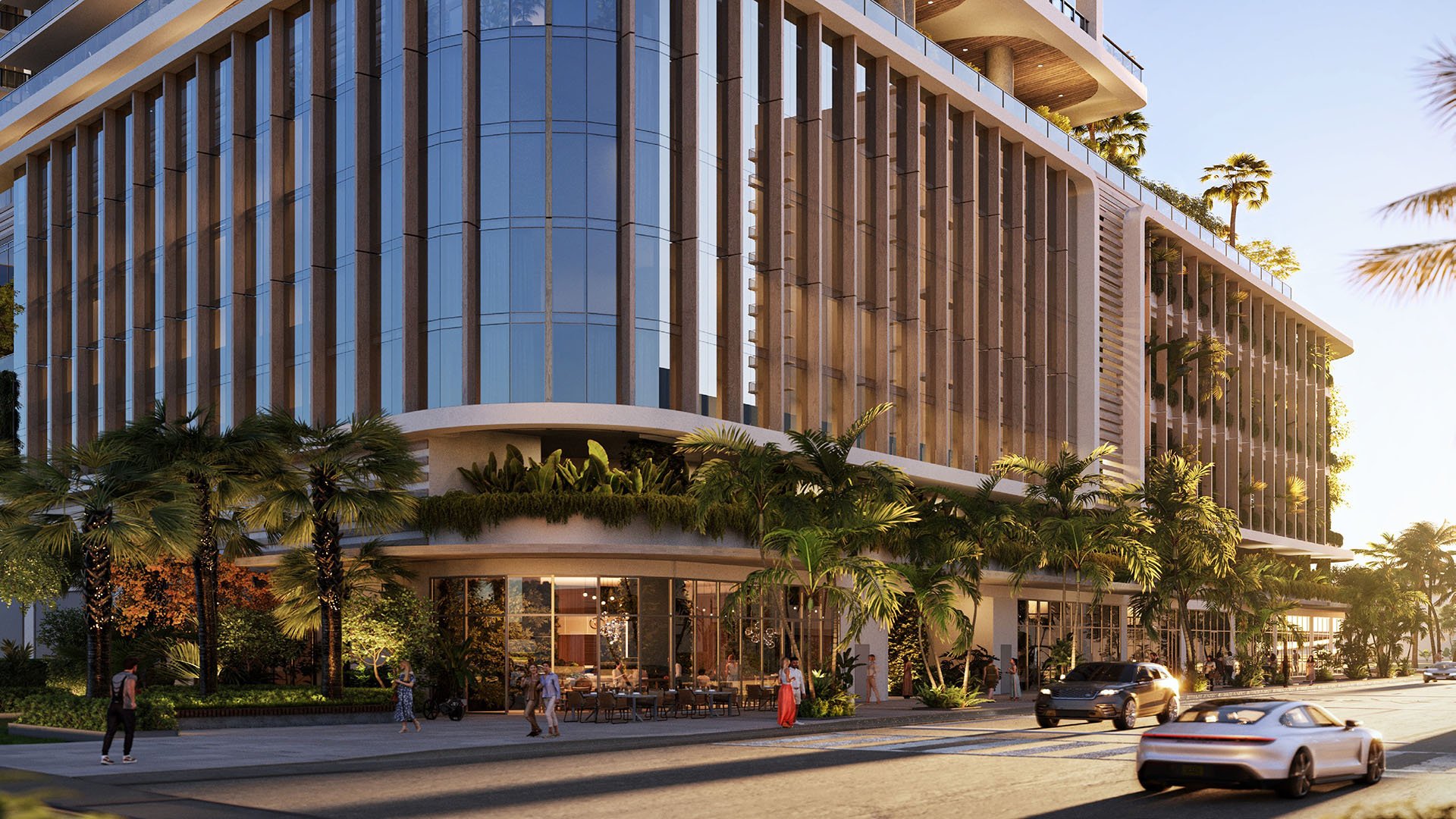
Winter ownership in Miami is rarely about weather alone. At Miami Tropic Residences, the more revealing question is operational: what happens when seasonal demand is strongest, arrivals cluster, reservations tighten, and owners expect the calm of a private residence inside a city operating at full social volume.
For a South Florida buyer, winter is the practical stress test. Holiday weeks, major event periods, family visits, and school-break travel can concentrate arrivals, guests, dining requests, amenity use, valet activity, and security decisions into a compressed span.
The practical issue is not whether winter demand exists. It is how Miami Tropic Residences protects the owner experience when the property is most desired.
In a peak-season building, service is not defined by a brochure. It is defined by response times, staffing depth, and the ability to preserve discretion when many owners and guests need support at once. Buyers should ask specific questions about winter staffing for concierge, housekeeping, valet, engineering, security, and amenity attendants.
This is especially important if the property includes a mix of full-time residents, seasonal owners, visiting family, renters, or hospitality-style users. Higher occupancy can change the rhythm of a building. Elevators feel different. Arrival courts feel different. Pool decks, lounges, and fitness areas feel different. The best-managed residences anticipate that pressure rather than apologizing for it after the fact.
For buyers comparing service expectations across Miami, projects such as The Residences at Mandarin Oriental, Miami and 888 Brickell by Dolce & Gabbana offer useful context for the operational precision ultra-premium purchasers increasingly expect in the market.
Dining is one of the most underestimated winter ownership issues. During the strongest weeks of the season, desirable reservation windows can narrow quickly. For an owner, the question is whether the residence offers meaningful priority, protected tables, in-residence dining, or another system that distinguishes owners from general demand.
A buyer should not simply ask whether dining exists. The sharper diligence is how it functions during peak periods. Are owners prioritized? Is there a dedicated reservation channel? Can family members access the same privileges? Are there limits during holidays, major events, or private buyouts? If in-residence dining is available, how does it scale during peak arrival nights?
In Miami Beach, where seasonal dining and event energy can become part of the ownership appeal, the same principle applies to nearby luxury contexts such as Shore Club Private Collections Miami Beach. The point is not simply proximity to restaurants. It is protected access when demand becomes selective.
Guest access becomes more consequential in winter because high occupancy changes the building’s social texture. Owners should confirm whether guests must be pre-registered and whether different rules apply to family, friends, renters, and hotel-style guests. A policy that feels flexible in a quiet period may feel porous when the building is busiest.
The most important questions are practical. How many guests can accompany an owner to the pool? Are renters treated differently from personal guests? Are amenity reservations tied to the residence, the owner, or the individual guest? Does security distinguish among invited guests, delivery personnel, service providers, and short-stay users?
Privacy is not created by exclusivity language. It is created by procedures. A building that clearly manages arrivals, elevator access, amenity entry, and guest identity will usually feel more residential during winter than a building that relies on informal judgment at the front desk.
Valet can become the first visible sign of operational strain. Winter traffic, event schedules, simultaneous family arrivals, and airport transfer timing can all converge at the entrance. Buyers should ask how the property manages peak arrival windows, overflow vehicles, ride-share activity, luggage handling, and private drivers.
The question is not only whether valet service is available. It is whether the arrival sequence remains elegant under pressure. Is there a plan for holidays? Are owner vehicles prioritized? How are guests staged? Are deliveries separated from resident arrivals? Can security maintain composure without making the entry feel rigid?
This level of choreography matters across the top of the market, whether the comparison set includes urban branded residences, waterfront towers, or beach-oriented ownership such as The Ritz-Carlton Residences® South Beach. In winter, the driveway becomes part of the lifestyle promise.
Buyers should clarify whether Miami Tropic Residences operates as pure residential, Branded Residences, Condo-hotel, or another mixed-use model. That distinction can influence everything from guest flow to service culture, owner access, rental participation, and the building’s winter atmosphere.
If rental participation is available, winter may be a valuable revenue period, but it may also conflict with personal-use preferences. A Second-home buyer who wants priority access during holiday and peak-demand weeks should understand whether any blackout dates, minimum-stay rules, rental restrictions, or reservation hierarchies apply.
The Investment conversation should be separated from the lifestyle conversation. Strong winter demand can support income potential where rental use is permitted, but it can also increase occupancy in common areas. Short-term-rentals, if allowed in any form, should be evaluated through the lens of privacy, service load, and owner priority, not just potential revenue.
The most revealing answers will be in the ownership documents and operating rules. Buyers should review provisions related to blackout dates, minimum stays, rental restrictions, guest limits, amenity fees, and peak-season reservation policies. They should also ask how policies are enforced during the highest-demand weeks.
Amenities require particular attention. Pools, cabanas, spa facilities, fitness areas, and lounges may need owner-priority access or reservation systems during winter. Without clear rules, the owner experience can depend too heavily on timing and staff discretion.
A well-run winter property should make owners feel that the building has anticipated the season. The residence should remain hospitable without becoming public, active without becoming crowded, and profitable, if rental use is part of the model, without diluting privacy.
At Miami Tropic Residences, winter ownership should be evaluated less as a calendar privilege and more as operating performance. Peak demand is valuable, but value is fully realized only when service, dining, valet, amenities, and guest access remain composed.
For the discerning buyer, the best question is simple: when many people want to be there at once, what does ownership still protect?
Why does winter ownership require extra diligence at Miami Tropic Residences? Winter can concentrate owner use, guest visits, dining requests, amenity demand, and arrival pressure, making operations more visible.
What is the most important service question for buyers? Buyers should ask how staffing, response times, and resident priority are handled during the busiest weeks of the season.
Should buyers ask about the ownership model? Yes. Clarify whether the property is pure residential, Branded Residences, Condo-hotel, or another mixed-use structure.
Can rental participation affect personal use? If rental participation is available, peak-season revenue potential may conflict with a buyer’s preferred personal-use dates.
How should dining access be evaluated? Buyers should confirm whether owners receive priority reservations, protected access, or in-residence dining support during peak periods.
Why are guest rules important in winter? Guest policies affect privacy, amenity crowding, elevator use, and the overall sense of residential control.
What valet questions should buyers ask? Ask how the property manages simultaneous arrivals, owner vehicles, guests, ride-share activity, luggage, deliveries, and private drivers.
What documents should buyers review? Review rules for blackout dates, minimum stays, rentals, guest limits, amenity fees, and seasonal reservation systems.
How can amenities stay residential during peak demand? Clear reservation procedures, owner-priority access, and consistent enforcement can help amenities remain composed.
What is the core winter ownership test? The key test is how well the property protects the owner experience when demand is at its highest.
If you'd like a private walkthrough and a curated shortlist, connect with MILLION.
If branded residences are on your mind — as a home or as an allocation — we would be glad to share what we are seeing, privately.
Begin a quiet conversation