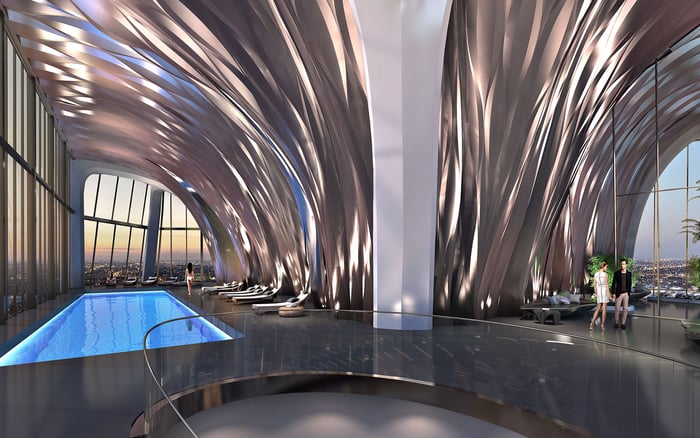
A discreet due diligence guide for buyers evaluating how One Thousand Museum performs after move-in, from its Zaha Hadid exoskeleton to staffing, reserves, privacy, and governance.
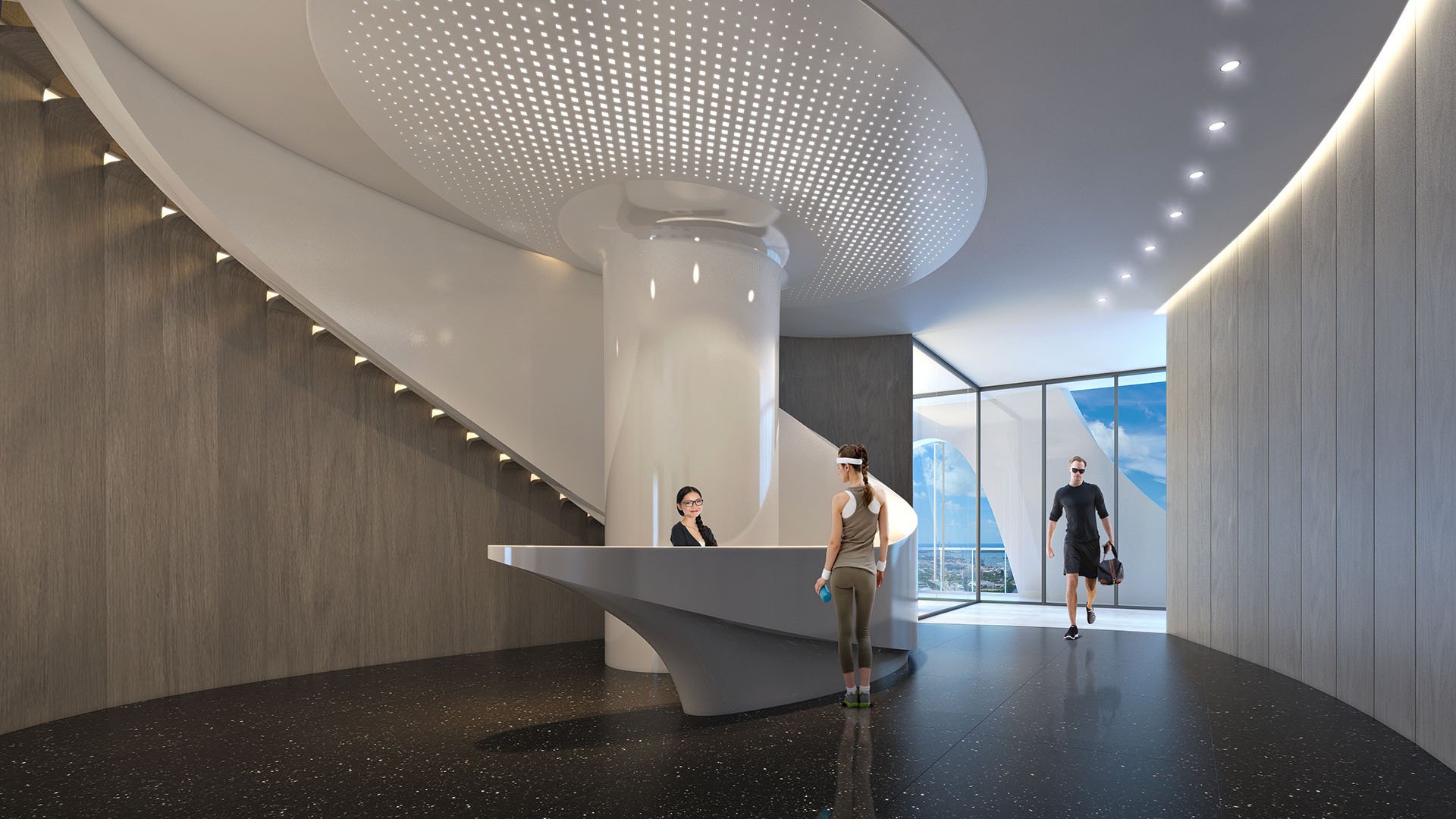
A private tour of One Thousand Museum Downtown Miami is inevitably architectural. The Zaha Hadid Architects tower is defined by its sculptural, curvilinear concrete exoskeleton, a form that gives the building a presence unlike conventional glass luxury towers along Biscayne Boulevard. For a sophisticated buyer, however, the most important conversation often begins after the elevator doors close and the view has been absorbed.
This is not a building to evaluate only by finishes, ceiling heights, amenity photography, or skyline drama. Its position in Downtown Miami, facing Maurice A. Ferré Park and near cultural anchors such as Pérez Art Museum Miami and the Frost Museum of Science, places it in a highly visible urban setting. Its amenity program and architectural identity put it firmly in the ultra-prime condominium category. That combination makes operations central to value.
The strongest buyer due diligence for trophy condominiums focuses on performance after move-in. At this level, buyers are not simply purchasing a residence. They are underwriting a building culture, a maintenance discipline, a governance framework, and a service model.
The exoskeleton is One Thousand Museum’s signature, but it is also an ongoing operational subject. Buyers should ask how the association approaches inspection protocols, specialized maintenance, insurance considerations, contractor access, and long-term capital planning related to the structure. The point is not to assume a problem. The point is to determine whether the building’s defining feature is supported by an equally sophisticated maintenance plan.
In conventional towers, exterior systems may be easier for buyers to compare across the market. Here, the architecture is more singular. That distinction can be part of the appeal, especially for collectors, design patrons, and global buyers accustomed to landmark residences. It also means the buyer’s review should go beyond cosmetic condition. Ask who advises the association on building-envelope issues, how major maintenance decisions are documented, and how future capital needs are discussed with owners.
This is where design and architecture become financial due diligence. The more iconic the building, the more important it is to understand how the icon is cared for.
One Thousand Museum is known for highly designed, museum-quality amenity spaces intended to support a hospitality-style residential experience. The buyer question is what kind of hospitality the building actually practices. Does it feel like a luxury hotel, a private club, or a discreet boutique residential tower? Each model carries different implications for staffing, privacy, cost control, and daily rhythm.
A hotel-like service culture can appeal to owners who want immediacy, recognition, and concierge responsiveness. A private-club model can feel more curated and relationship-driven. A boutique residential approach may prioritize discretion and quiet over constant activity. None is inherently better. The issue is alignment with the owner’s life.
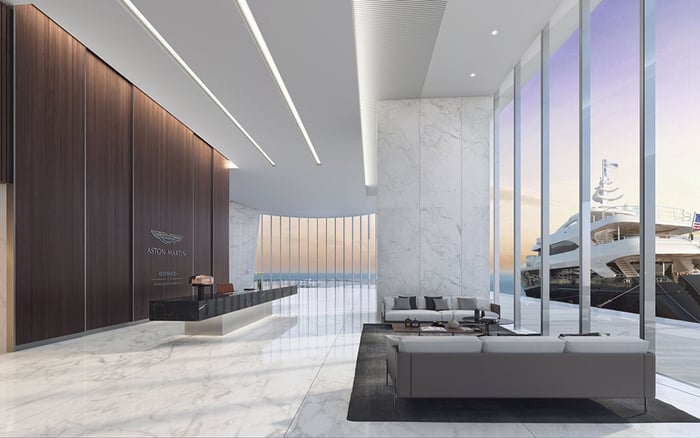
Buyers comparing Downtown Miami peers such as Aston Martin Residences Downtown Miami or Waldorf Astoria Residences Downtown Miami should look past brand language and ask how each building plans to deliver service every day. In a completed trophy tower, the questions can be direct: who is on site, how requests are escalated, how service consistency is measured, and how management handles owner feedback.
For many ultra-prime buyers, Downtown Miami is not the only home base. The second-home use case changes the questions. If an owner is abroad for weeks or months, the building’s access control, package handling, guest authorization, vendor management, and concierge discretion become part of the ownership experience.
Privacy is not just a lobby atmosphere. It is a system. Buyers should ask how visitors are identified, how staff handle recurring guests, how contractors gain access, and how management protects the normal patterns of residents who may be public-facing, international, or simply private. In a building with a high-profile architectural identity, discretion becomes especially important because the tower itself attracts attention.
Security should also be evaluated in relation to location. One Thousand Museum sits along the Biscayne Boulevard cultural corridor, with parks, museums, events, waterfront activity, and downtown traffic patterns nearby. A sophisticated buyer should understand how the building coordinates valet operations, pedestrian flow, entry control, and resident arrival during busy periods.
The helipad is one of the rarest features associated with One Thousand Museum, and rarity demands diligence. Buyers should ask how access is governed, what approvals or procedures apply, how scheduling is handled, and how insurance and regulatory compliance are addressed. The presence of a helipad may enhance the building’s trophy status, but it should be understood operationally, not treated as a brochure detail.
Valet logistics deserve equal attention. Downtown Miami’s event calendar, cultural venues, and waterfront-adjacent setting can affect arrivals and departures. Ask how the building manages peak periods, how it communicates disruptions, and whether staffing levels adjust when the neighborhood is active. For owners who entertain, travel frequently, or maintain household staff, these details shape daily convenience.
Noise management is another practical subject. The goal is not to eliminate the energy of Downtown. Buyers choose this location in part for proximity to culture and skyline vitality. The relevant question is how the building’s operations help preserve a residential experience within that urban context.
In any luxury condominium, governance quality eventually becomes part of the asset. In a trophy tower, it is even more important because decisions may involve specialized systems, high service expectations, and a smaller pool of comparable buildings. Buyers should request and review association documents, meeting materials where available, reserve information, insurance disclosures, maintenance policies, and rules governing amenities and access.
The purpose is not to second-guess management from the outside. It is to understand transparency, planning, and financial discipline. How are major projects evaluated? How are reserve priorities communicated? How are service expectations balanced against operating costs? Are owners given enough information to understand not only current expenses, but future obligations?
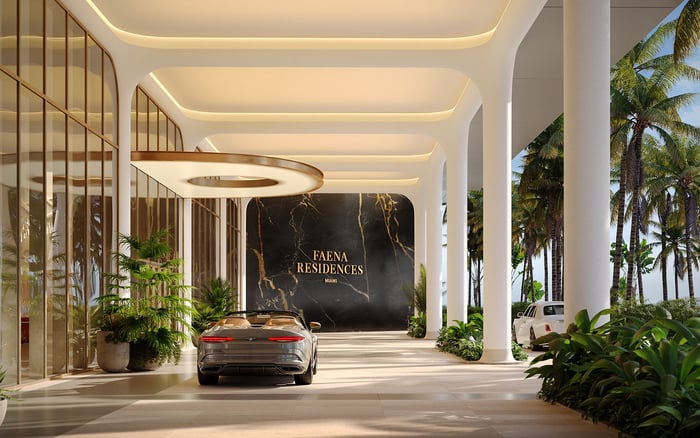
Buyers considering other design-forward Downtown residences, including Casa Bella by B&B Italia Downtown Miami and Faena Residences Miami Downtown Miami, should apply the same standard. Finishes may persuade on tour, but governance determines how a building ages.
For One Thousand Museum Downtown Miami, the central question is not whether the tower is iconic. It is whether the ownership experience is supported by the systems an iconic building requires. That means aligning service culture, privacy protocols, maintenance planning, insurance awareness, capital reserves, and association governance with the expectations of a global buyer.
A well-run ultra-prime building should feel effortless to residents because significant effort is happening behind the scenes. The lobby should be calm. The arrival sequence should be smooth. Staff should recognize patterns without becoming intrusive. Maintenance should be proactive. Governance should be legible. Capital planning should be sober rather than reactive.
For a buyer, that is the real luxury: confidence that the building performs when the tour is over.
What should buyers ask first after touring One Thousand Museum? Ask how the building is operated day to day, including staffing, maintenance planning, access control, insurance, reserves, and governance communication.
Why does the exoskeleton matter for due diligence? Its sculptural concrete form is central to the building’s identity, so buyers should understand related maintenance, inspection, insurance, and capital planning practices.
Is the helipad only an amenity consideration? No. It is also an operational and regulatory subject, including access rules, scheduling, procedures, insurance, and compliance questions.
How should buyers evaluate service quality? Determine whether the building functions more like a luxury hotel, private club, or discreet residential tower, then decide which model suits your life.
Why is privacy especially important here? Many residents may use the property as a secondary or international base, making access control, guest handling, and concierge discretion essential.
What Downtown factors affect operations? Event traffic, cultural venues, park activity, and waterfront-adjacent movement can influence valet flow, security coordination, noise, and arrival planning.
What documents should a buyer review? Review association materials, rules, reserve information, insurance disclosures, maintenance policies, financial controls, and available governance records.
Should buyers compare One Thousand Museum with branded towers? Yes, but compare operational discipline as much as views, finishes, amenities, or brand identity.
What makes long-term capital planning important? Ultra-prime architecture may require specialized care, so buyers should understand how future maintenance priorities are anticipated and funded.
What is the ultimate post-tour question? Ask whether the building’s service, maintenance, governance, and privacy systems support the way you intend to live there.
To compare the best-fit options with clarity, connect with MILLION.
If branded residences are on your mind — as a home or as an allocation — we would be glad to share what we are seeing, privately.
Begin a quiet conversation