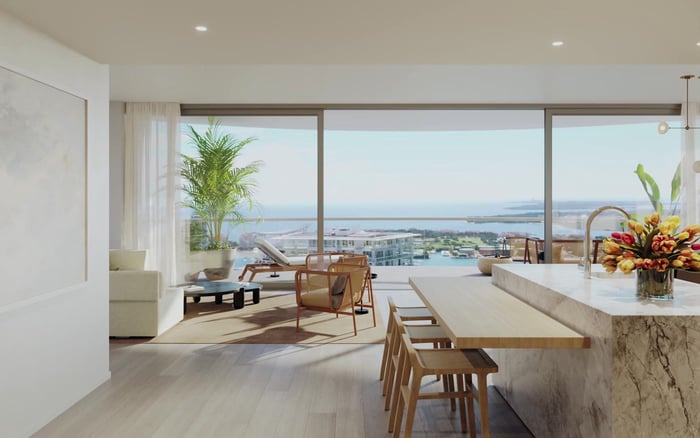
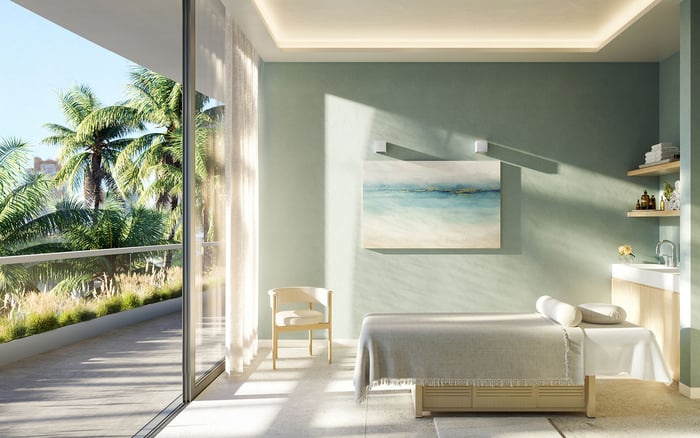
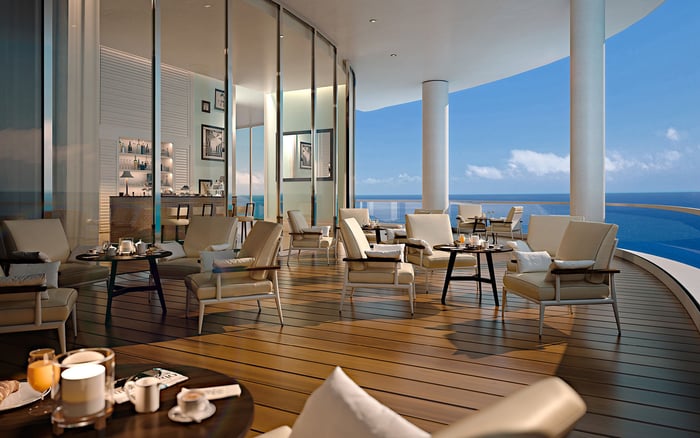
A buyer-focused comparison of The Ritz-Carlton Residences® Sunny Isles and Five Park Miami Beach through arrival sequence, privacy, lobby scale, and valet flow.
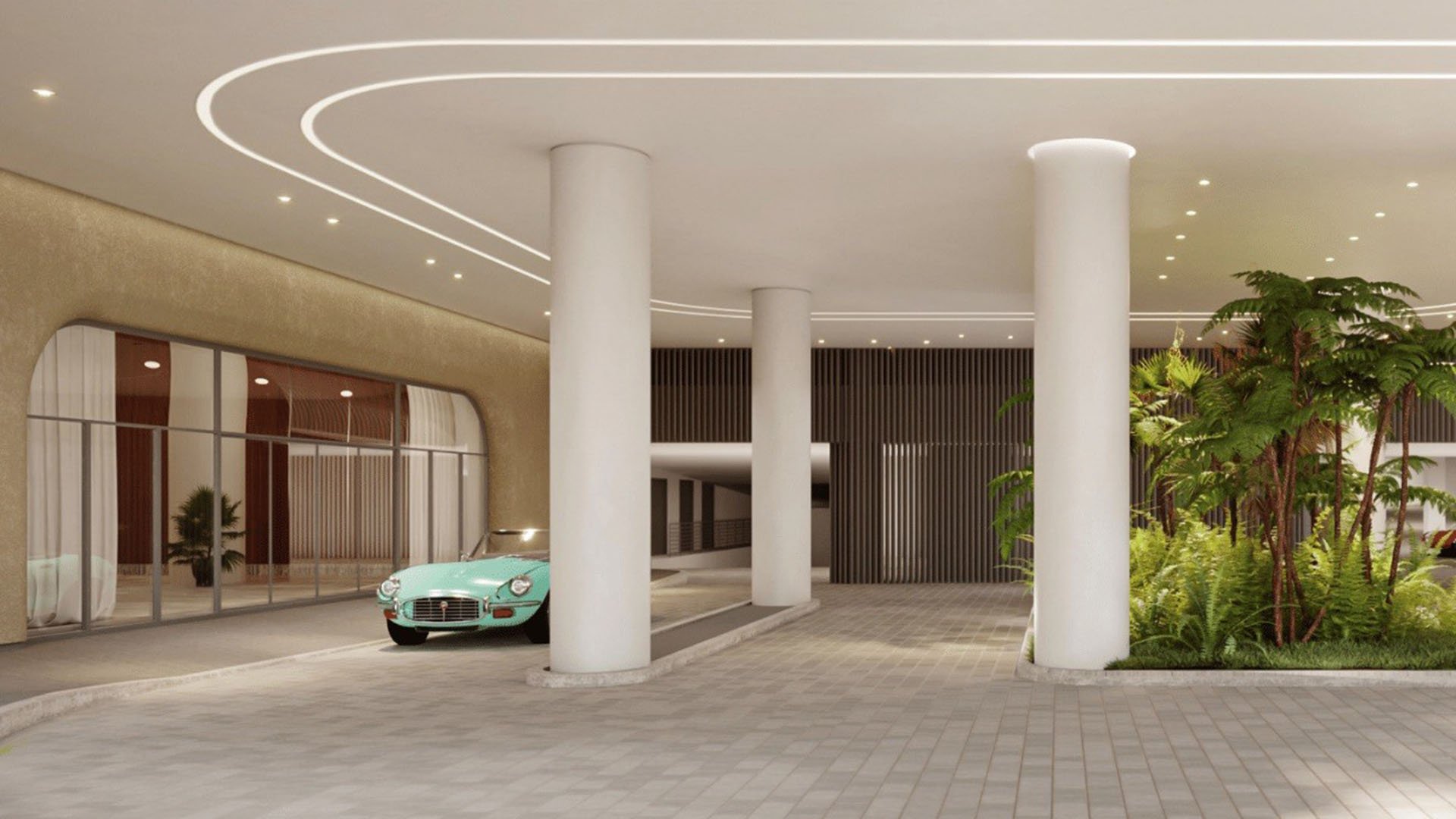
At the top of South Florida’s residential market, the comparison between The Ritz-Carlton Residences® Sunny Isles and Five Park Miami Beach is not simply about finishes, views, or brand preference. It is about choreography: curb approach, valet handoff, lobby transition, and the way those moments either soften or intensify daily ownership.
For readers tracking the broader branded-residence category, The Ritz-Carlton Residences® Miami Beach can serve as related internal context. This comparison, however, stays focused on the ownership feel created by lobby volume, porte-cochère privacy, and valet flow at The Ritz-Carlton Residences® Sunny Isles and Five Park Miami Beach.
For ultra-premium buyers, that distinction matters. A residence can be architecturally impressive and still feel operationally tense if the drop-off is too exposed, the valet sequence feels compressed, or the lobby cannot absorb peak arrivals with grace. Real luxury is not only what one sees; it is how little friction one feels.
The Ritz-Carlton Residences® Sunny Isles is best understood through the lens of decompression. The buyer expectation is a managed arrival, a composed handoff, and a transition from vehicle to residence that feels calm rather than rushed.
In this model, the porte-cochère is more than a covered convenience. It becomes a threshold between public movement and private ownership. Road visibility, covered space, procession, and the separation between arrival and residence all influence how private the building feels in daily use.
That is why lobby scale matters. A generous arrival area does not only photograph well; it gives residents a buffer between the outside world and the elevator ride home. Buyers who want the building to lower the volume of the day before they reach their residence may find this ownership mood especially compelling.
Five Park Miami Beach answers a different brief. Its experience is tied to a Miami Beach setting where arrival may feel more visible and more connected to the energy around it. For some buyers, that is exactly the appeal: the residence feels engaged with the city rather than fully withdrawn from it.
The tradeoff is not quality. It is temperament. In a more active setting, access choreography becomes especially important because the building must convert exterior movement into private residential order.
If the valet operation feels smooth, the lobby feels balanced, and the transition from public edge to private interior is handled well, a city-facing tower can still feel composed. If those systems feel strained, the same visibility that creates energy can begin to feel like exposure.
A dramatic lobby often sells the dream, but its deeper value is functional. Lobby volume affects perceived exclusivity, absorbs arrival surges, and gives residents a psychological reset before they move deeper into the building.
That reset can matter during routine moments: arriving with guests, returning after dinner, coordinating luggage, handling pets, or managing a driver handoff. The lobby is not only a design statement. It is a pressure valve.
For The Ritz-Carlton Residences® Sunny Isles, the ownership expectation leans toward a serviced, processional rhythm. For Five Park Miami Beach, the lobby must work harder as a transition between city-facing energy and private calm. In both cases, the question is whether the arrival feels effortless at the times an owner will actually use it.
The porte-cochère is where visible luxury and operational luxury either align or separate. Covered drop-off, sightlines, vehicle stacking, guest handling, and resident priority all influence whether an arrival feels discreet or exposed.
Valet choreography is equally important. Peak-hour movement, dinner-party arrivals, guest screening, service vehicles, and driver timing all shape the daily perception of ease. A luxury tower can have exceptional design and still lose its calm if the valet experience feels congested.
This is the quiet lens through which many serious buyers should compare The Ritz-Carlton Residences® Sunny Isles and Five Park Miami Beach. Search shorthand can make the decision sound like location versus location or brand versus architecture. The more revealing question is operational: which building’s arrival rhythm matches how you actually live?
The Ritz-Carlton Residences® Sunny Isles is likely to resonate with buyers who place a premium on calm, hospitality cues, and a more shielded-feeling transition from road to residence. It is the stronger emotional fit for owners who want arrival to feel composed and service-led.
Five Park Miami Beach is likely to appeal to buyers who prefer a more visible Miami Beach identity and are comfortable with an arrival sequence that engages more directly with the surrounding energy. Its appeal lies in the discipline required to convert that visibility into private residential order.
Neither is simply better. The right choice depends on privacy expectations, tolerance for traffic, security comfort, and whether the owner wants the building to feel like a retreat from the city or a refined expression of it. At this level, the ownership experience begins before the front door.
Is The Ritz-Carlton Residences® Sunny Isles more service-led in feel than Five Park Miami Beach? It can be framed that way for buyers who prioritize a calmer, more composed arrival sequence. The key is how the building manages the transition from vehicle to lobby.
Is Five Park Miami Beach more city-facing in feel? Yes, the comparison frames Five Park Miami Beach as the more visible Miami Beach option. Buyers who like energy around the arrival sequence may find that appealing.
Why does lobby volume matter to luxury buyers? Lobby volume helps absorb arrivals, create a sense of exclusivity, and shift the mood from exterior movement to interior calm. It is both visual and practical.
What makes a porte-cochère important in daily ownership? It affects privacy, weather protection, sightlines, vehicle stacking, and the ease of resident and guest drop-offs. A beautiful canopy still needs a well-managed flow.
Is valet service mainly a convenience feature? No. Valet timing, queuing, and screening can determine whether an arrival feels effortless or congested.
Which property is better for buyers seeking decompression? The Ritz-Carlton Residences® Sunny Isles is the stronger fit for buyers who want a calmer-feeling transition from road to residence. Buyers should still test the sequence in person.
Which property suits buyers who enjoy urban energy? Five Park Miami Beach may suit buyers who are comfortable with a more visible, city-facing ownership mood. The deciding factor is whether that energy feels exciting or exposed.
Should buyers focus only on interiors when comparing these residences? No. The first moments of ownership, including curb approach, lobby, valet, and elevator transition, are equally revealing.
Does a branded residence change the arrival expectation? Yes. Branded-residence ownership often carries an expectation of service ritual, hospitality-style handling, and a composed handoff.
What is the best way to shortlist comparable options for touring? Start with location fit, delivery status, and daily lifestyle priorities, then compare stacks and elevations to validate views and privacy.
For a tailored shortlist and next-step guidance, connect with MILLION.
If branded residences are on your mind — as a home or as an allocation — we would be glad to share what we are seeing, privately.
Begin a quiet conversation