A buyer-focused guide to reviewing battery-backup, generator coverage, elevator continuity, EV charging and in-residence resiliency before signing at The Ritz-Carlton Residences® Sunny Isles.
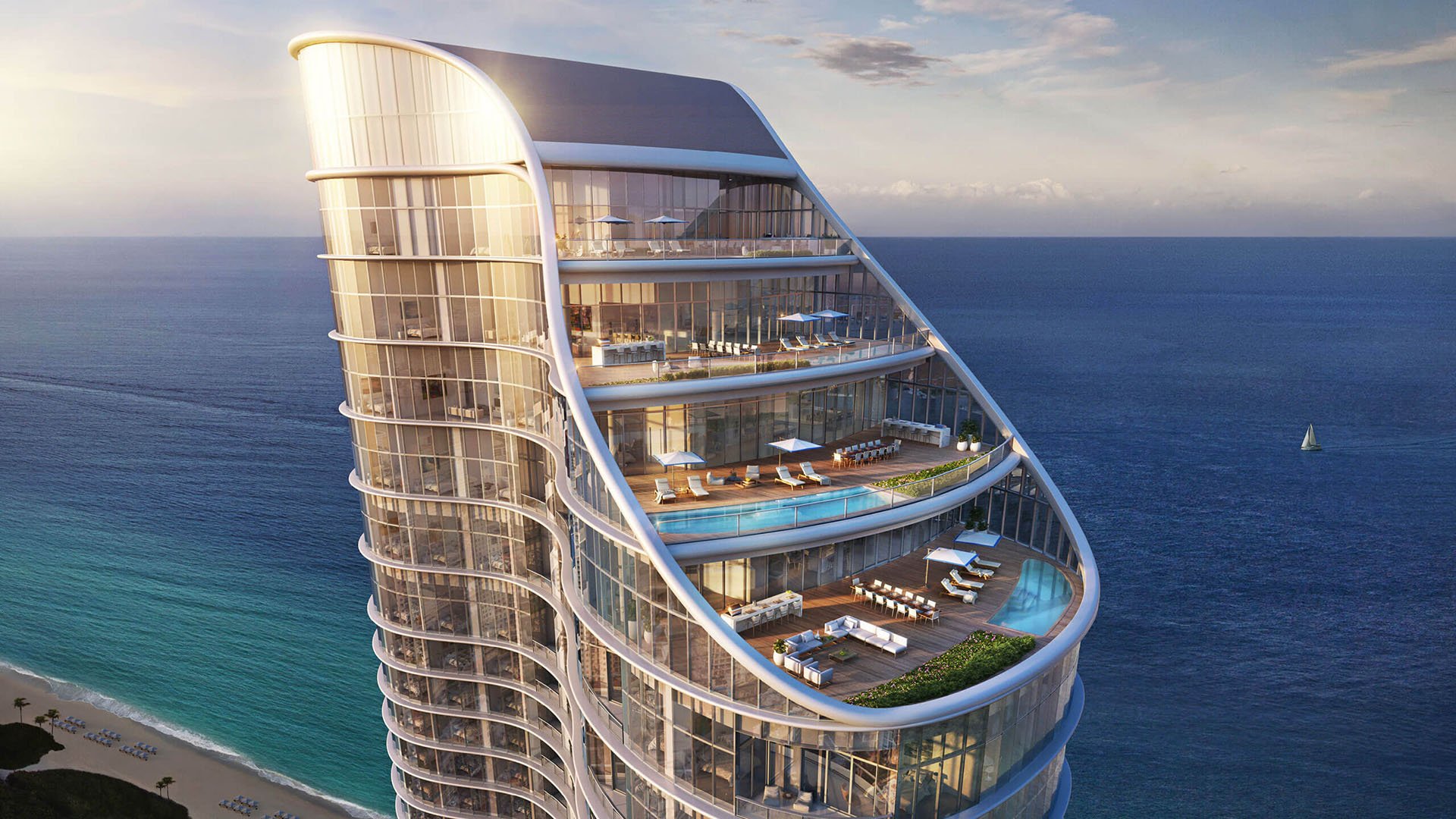
At The Ritz-Carlton Residences® Sunny Isles, battery backup should not be treated as a decorative technology upgrade to revisit after closing. In an oceanfront high-rise setting, it belongs in the pre-contract due-diligence file alongside views, parking, association rules, mechanical systems and closing economics.
The reason is practical. In Sunny Isles Beach, storm-related disruptions can affect far more than lighting. Access, elevators, water pressure, security systems, garage movement and basic habitability may all depend on how the building is designed to operate when utility power is interrupted. For a buyer evaluating The Ritz-Carlton Residences® Sunny Isles, the central question is not simply whether backup power exists. The real question is which loads are supported, for how long, at what capacity and under which operating assumptions.
That distinction is especially important for pre-construction, new-construction and resale buyers who hear polished language such as “full emergency power” or “resilient infrastructure.” Those phrases may be reassuring in a sales conversation, but they should be translated into written specifications before a contract becomes binding.
High-rise condominium buyers should distinguish between systems intended for emergency building operation and systems intended to preserve private residential comfort. Emergency-oriented systems may address alarms, emergency lighting, pumps, access or selected vertical transportation, but that does not automatically mean an individual residence will remain fully powered during an outage.
A luxury buyer should separate two categories. The first is life-safety and building-operational backup power. The second is lifestyle-continuity backup power, which may include refrigeration, select lighting, Wi-Fi equipment, security devices, medical equipment, convenience outlets and perhaps a dedicated air-conditioning zone. One supports emergency operation. The other supports day-to-day comfort and household continuity.
For second-home owners who may be away during part of hurricane season, the distinction can affect food storage, monitoring systems, access control and the ability for property managers to service the residence. For full-time residents, it can determine whether the home is merely safe or genuinely usable.
A well-advised buyer should request the documents that convert marketing language into engineering reality. The appropriate package may include electrical single-line diagrams, emergency-load schedules, generator sizing information, fuel-storage assumptions, any battery specifications and written clarification of whether individual residences receive any backup capability.
The inquiry should also move beyond the unit itself. Ask whether backup power supports domestic water booster pumps, sewage systems, access control, lobby lighting, garage gates, security systems and selected amenity operations. If a building has backup power but does not support water pressure or practical access, the resident experience may be materially different from what the phrase suggests.
A Sunny Isles purchase file should also identify the buyer’s personal priority loads. If medical equipment, refrigeration, internet equipment, lighting, security or a dedicated air-conditioning zone matters, those loads should be named in writing. General comfort language is less useful than a clear schedule of circuits, equipment and expectations.
In a tall oceanfront tower context, elevator backup is not a minor operational detail. For many residents, stair use during an outage is impractical. That makes elevator continuity a central usability issue, not simply a technical footnote.
Buyers should ask exactly what “emergency elevator service” means. It may refer to one service elevator, selected passenger elevators, or a broader level of elevator continuity for residents. Each answer carries a different practical impact on mobility, staff access, deliveries, pets, medical needs and the ability to shelter in place with confidence.
High-floor buyers should be particularly precise. A spectacular elevation can be one of the defining pleasures of a residence, but it also makes vertical-transportation assumptions more consequential. In this context, written elevator-backup clarification belongs within the luxury specification.
An in-residence battery system should be evaluated separately from a building-level generator. A generator that supports emergency building systems may not power unit outlets, appliances, HVAC equipment or lighting circuits. Assuming otherwise can create a gap between the buyer’s expectations and the building’s actual design.
If a buyer wants battery storage inside the residence, the review should address electrical capacity, location, ventilation, fire-safety requirements, insurance implications and association approval. High-rise condominium buildings are not detached homes, and not every technology that works in a single-family setting can be installed freely in a tower residence.
The buyer should also ask whether the building’s design supports future battery retrofits. Riser limitations, metering configurations, electrical-room constraints, structural requirements and condominium rules may make later installation more difficult than expected. The cleanest moment to resolve those questions is before contract, not after closing.
EV charging should not be folded casually into the same conversation as emergency power. Backup capacity for life-safety systems does not imply backup charging capability for private vehicles. A buyer who expects to maintain vehicle mobility during an outage should ask how the garage, charging equipment and electrical infrastructure are treated under emergency operating conditions.
The same principle applies to garage access. If gates, elevators, lighting or access systems have limited backup coverage, the ability to use a parked vehicle may depend on more than the charger itself. In a coastal luxury tower, mobility planning is part of resiliency planning.
Verbal assurances in a sales setting may be useful as a starting point, but contract documents, condominium declarations, purchase agreements, offering materials and association rules will usually carry more weight. Buyers should ask for clarifications in writing and align expectations before deposits become nonrefundable or difficult to renegotiate.
The best posture is to treat backup power like any other luxury mechanical specification. Verify it with documents. Define the desired performance. Separate life-safety from lifestyle continuity. Ask what happens under realistic operating conditions. If the answer matters to the household, it should appear in the file before the buyer signs.
Does emergency power mean my residence will stay fully powered? No. Emergency power often prioritizes building operation and may not cover in-unit outlets, appliances, lighting or air conditioning.
What is the first document a buyer should request? Ask for written backup-power specifications, including emergency-load schedules and clarification of any in-residence backup capability.
Should I evaluate batteries separately from generators? Yes. A building generator may support common or emergency systems without powering the private residence.
Why are elevators so important in this review? In a tall oceanfront tower, elevator service can determine whether the residence remains practically usable during an outage.
Can I assume I may install a battery after closing? No. Fire-safety, ventilation, insurance, electrical design and association rules should be reviewed before assuming installation is possible.
What private loads should be identified before contract? Common priorities include medical equipment, refrigeration, internet equipment, lighting, security and a dedicated air-conditioning zone.
Does backup power usually include EV charging? Not necessarily. EV charging should be evaluated as its own resiliency question, separate from life-safety or building backup systems.
Should water pressure be part of the conversation? Yes. Buyers should ask whether domestic water booster pumps and related systems are supported during an outage.
Are sales-gallery statements enough? No. Important backup-power representations should be reflected in written documents before contract signing.
What is the best way to shortlist comparable options for touring? Start with location fit, delivery status, and daily lifestyle priorities, then compare stacks and elevations to validate views and privacy.
For a tailored shortlist and next-step guidance, connect with MILLION.
If branded residences are on your mind — as a home or as an allocation — we would be glad to share what we are seeing, privately.
Begin a quiet conversation