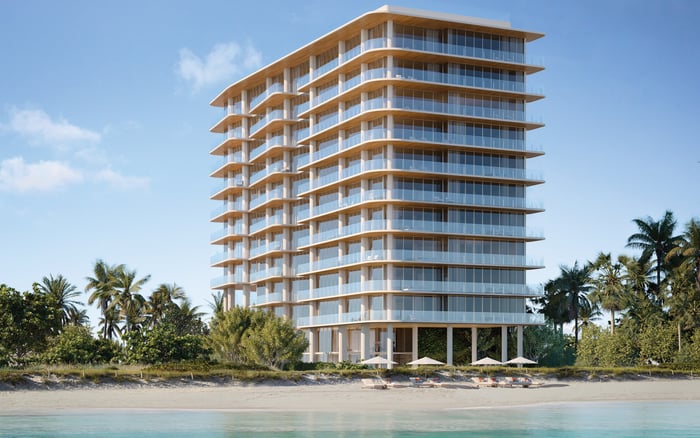
A buyer-oriented comparison of The Delmore Surfside and Oceana Key Biscayne through the lens of privacy, neighborhood energy, daily convenience, and long-term ownership style.
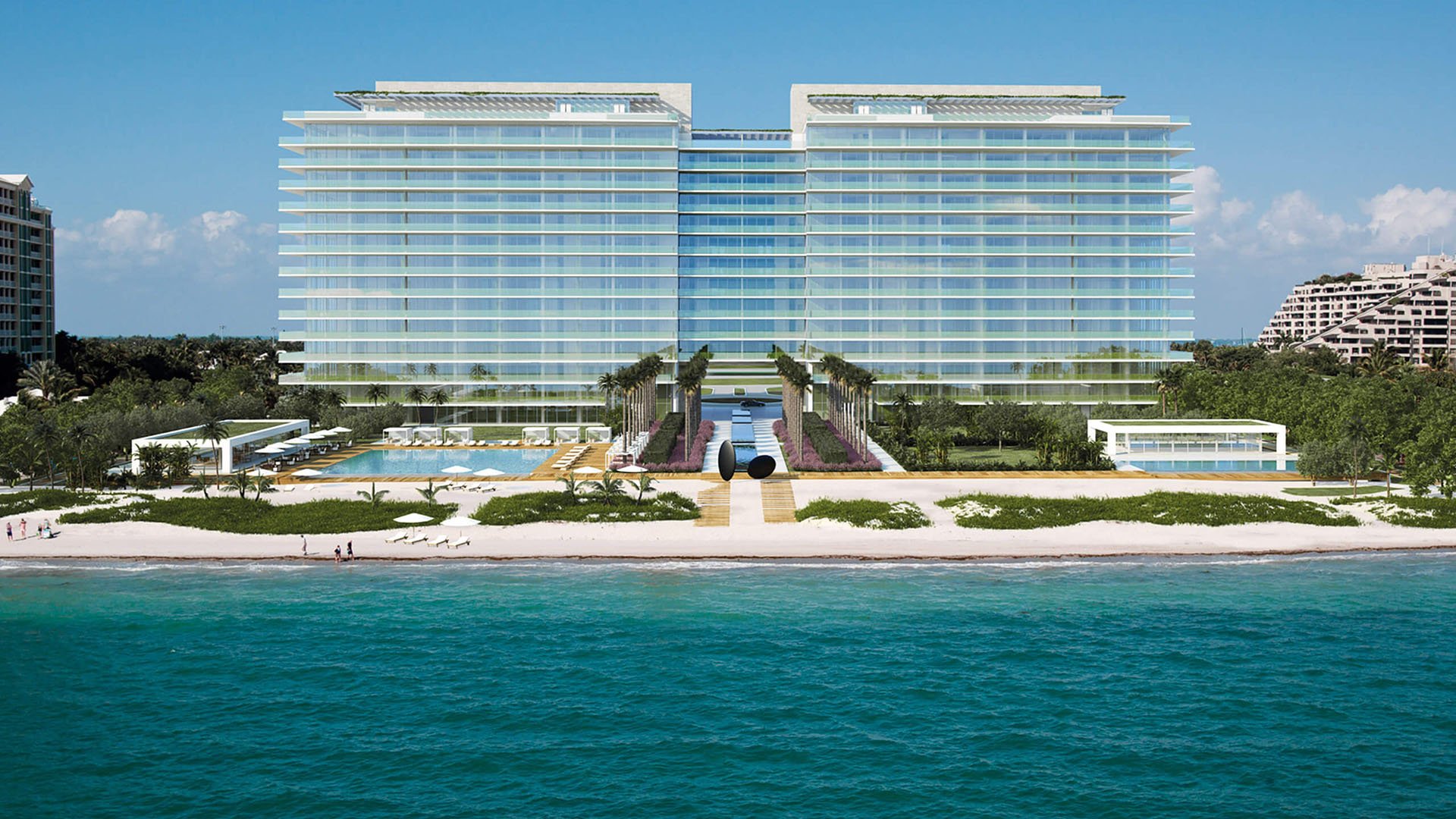
For many South Florida buyers, the choice between The Delmore Surfside and Oceana Key Biscayne is not simply a question of architecture, coastline, or prestige. It is a question of atmosphere: what surrounds the residence from morning to night, how public the setting feels, how easily daily errands are handled, and how gracefully the building protects privacy.
That is why this comparison belongs less to simple preference and more to ownership experience. The Delmore Surfside speaks to buyers drawn to Surfside, a compact coastal setting with a polished village sensibility and proximity to the broader energy of Miami Beach and Bal Harbour. Oceana Key Biscayne speaks to buyers who value the psychological separation of an island address, where returning home can feel like crossing a threshold from public life into personal retreat.
Neither proposition is universally superior. The sharper question is how each setting changes daily life when the residence is used frequently, shared with family, opened to guests, or held as a second home.
Surfside carries a particular kind of coastal confidence. It feels intimate, walkable, and closely connected to some of South Florida’s most recognized luxury corridors. For an oceanfront buyer, that combination can be compelling: beach proximity, a quieter residential identity, and access to restaurants, retail, services, and social life without the full density of South Beach or the vertical pace of Brickell.
The Delmore Surfside fits this profile as a choice for buyers who want calm without isolation. Context matters. A residence here can feel sheltered while still allowing quick movement into a more public world. That matters for owners who entertain, maintain local routines, or expect visiting family and friends to enjoy the neighborhood without planning every outing in advance.
Public-facing energy in Surfside is generally not nightlife intensity. It is the presence of people, restaurants, nearby hotel-adjacent activity, retail convenience, and the steady motion of a desirable beach town. For some owners, that energy adds confidence and liveliness. For others, it becomes a point to examine carefully: arrival sequence, lobby privacy, beach approach, valet flow, and the way the building buffers residents from the public realm.
Oceana Key Biscayne occupies a different emotional category. Key Biscayne is often chosen by buyers who want separation from the mainland without abandoning access to Miami. The appeal is not only quieter streets or a more residential cadence. It is the sense that the island itself participates in the home’s privacy.
For owners who are highly visible professionally or socially, that feeling can be invaluable. The day may include downtown meetings, school obligations, airport departures, or cultural events across the bay, but the return to Key Biscayne can feel distinctly edited. The transition creates a mental reset. In luxury ownership, that reset is not incidental. It is part of what turns a residence into a refuge.
Daily convenience on Key Biscayne is best understood through sufficiency rather than abundance. The island offers a self-contained rhythm for many needs, while the broader city remains part of the equation. Buyers should be honest about how often they want to leave the island, how much they rely on spontaneous restaurant variety, and whether their household prefers a quieter routine over immediate adjacency to a larger luxury retail and hospitality network.
Public-facing energy is one of the most under-discussed variables in ultra-premium condominium ownership. It includes what residents see and feel before they enter the private areas of a building: neighborhood traffic, pedestrian presence, nearby hotel or restaurant gravity, beach activity, service vehicles, guests, deliveries, and the choreography of arrivals.
In Surfside, that energy can support a more connected lifestyle. A buyer may value the ability to move between home, dining, beach, and nearby services with minimal planning. The tradeoff is that privacy must be evaluated more carefully at the edges of the residence. How does one arrive? How visible is the entry? Does the building create compression or calm as one moves from the street to the private domain?
In Key Biscayne, the public realm often feels less insistent. That can make Oceana Key Biscayne especially attractive for owners who want the building and island to operate together as a privacy system. The tradeoff is that convenience may feel more curated and less expansive. The ownership experience may be calmer, but it may also require a more intentional relationship with the rest of Miami.
Convenience in luxury real estate is often reduced to drive time. That is too narrow. True convenience is the ability of a household to solve ordinary needs without disrupting the tone of the day. Groceries, wellness appointments, school runs, dog walks, dinner reservations, marina plans, airport transfers, staff access, and guest arrivals all shape the lived experience.
For The Delmore Surfside, the convenience thesis is tied to coastal village access and proximity to a broader north beach luxury ecosystem. Owners who like choice, movement, and occasional public energy may find this setting efficient. It can support a residence that is used actively rather than ceremonially.
For Oceana Key Biscayne, convenience is more about the grace of a contained environment. The island favors routine, familiarity, and a slower release from the day’s obligations. Owners who prioritize tennis, beach time, family rhythm, and quiet evenings may find that distance from the city’s constant motion is precisely the point.
The practical test is simple: if an owner returns from travel late in the evening, hosts guests for a long weekend, or manages a weekday schedule from the residence, which setting reduces friction more consistently?
At this level, the building threshold is critical. The passage from public space to private residence should feel seamless, protected, and composed. Buyers comparing The Delmore Surfside and Oceana Key Biscayne should evaluate not only the residence itself, but the full sequence of ownership: approach, drop-off, lobby, elevator, amenity level, corridor, and arrival at the home.
This is where questions around pool culture, beach circulation, staff movement, deliveries, and guest management become more than operational details. They determine whether the building feels like a private club, a vertical resort, a family compound, or a coastal pied-à-terre. The same amenity can feel serene or social depending on design, density, programming, and resident culture.
Resale considerations belong here as well. A future buyer will not only assess finishes and views. They will evaluate whether the address has a clear lifestyle identity. Surfside may appeal to buyers who want refined access and a stronger connection to surrounding luxury districts. Key Biscayne may appeal to buyers who place a premium on island calm, family orientation, and separation from the mainland pace.
The Delmore Surfside is likely to resonate with the owner who wants discretion without retreating too far from activity. This buyer values a polished beach setting, appreciates nearby dining and services, and wants the residence to be easy for guests and family to enjoy. The lifestyle is calm, but it remains connected.
Oceana Key Biscayne is likely to resonate with the owner who places emotional value on arrival and withdrawal. This buyer wants the home to feel like a restorative island base, not simply a beautiful place near the water. The lifestyle is quieter, more contained, and often more dependent on the rhythms of the household than on the surrounding public scene.
Both choices can be intelligent. The distinction is personal, not hierarchical. A buyer who wants spontaneous access may find Key Biscayne too insulated. A buyer who wants a stronger sense of retreat may find Surfside too connected. The best answer comes from mapping the property against actual days, not imagined weekends.
Is The Delmore Surfside better for buyers who want convenience? It may suit buyers who value coastal access with proximity to nearby dining, services, and luxury districts. The key is whether that added energy feels useful or distracting.
Is Oceana Key Biscayne better for privacy? It may appeal to buyers who prefer an island setting and a more retreat-like daily rhythm. Privacy still depends on the building’s design, operations, and resident culture.
Which option feels calmer for full-time living? Oceana Key Biscayne may feel calmer for owners who like contained routines. The Delmore Surfside may feel calm while still keeping more of the surrounding city within easy reach.
Does Surfside feel more public-facing than Key Biscayne? Generally, Surfside can feel more connected to nearby hospitality, retail, and beach-town activity. Key Biscayne tends to emphasize separation and residential quiet.
Should buyers prioritize the residence or the neighborhood first? Both matter, but the neighborhood often determines how the residence feels over time. Daily arrival, errands, guests, and routines can become decisive.
How should a buyer compare amenities between the two? Focus on how amenities are used, not simply what is offered. A pool, fitness area, beach access point, or lounge can feel very different depending on resident density and programming.
Is one choice better for a second home? A second-home buyer should decide whether visits should feel connected and social or quiet and restorative. Surfside and Key Biscayne can serve different versions of that goal.
What matters most for resale? Resale strength often depends on clarity of lifestyle identity, condition, views, building operations, and buyer demand at the time of sale. A coherent ownership experience helps.
Should families look more closely at Key Biscayne? Families often appreciate Key Biscayne for its quieter island rhythm and outdoor-oriented lifestyle. The right choice still depends on schools, commute patterns, and household routines.
Can The Delmore Surfside still feel private? Yes, if the building’s arrival sequence, staffing, circulation, and residence design create a strong buffer from the public realm. Buyers should evaluate those details in person.
For a confidential assessment and a building-by-building shortlist, connect with MILLION.
If branded residences are on your mind — as a home or as an allocation — we would be glad to share what we are seeing, privately.
Begin a quiet conversation