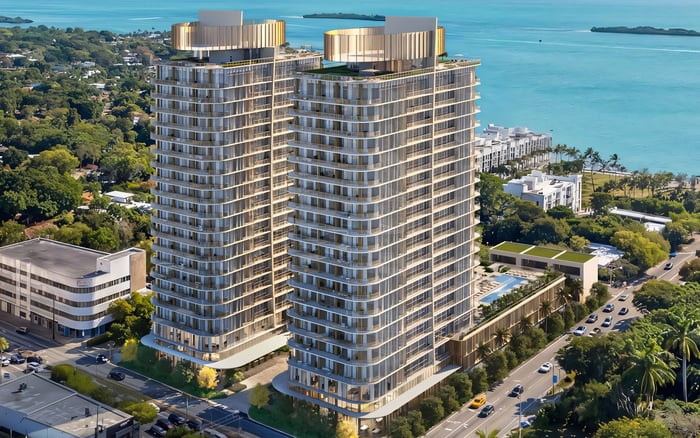
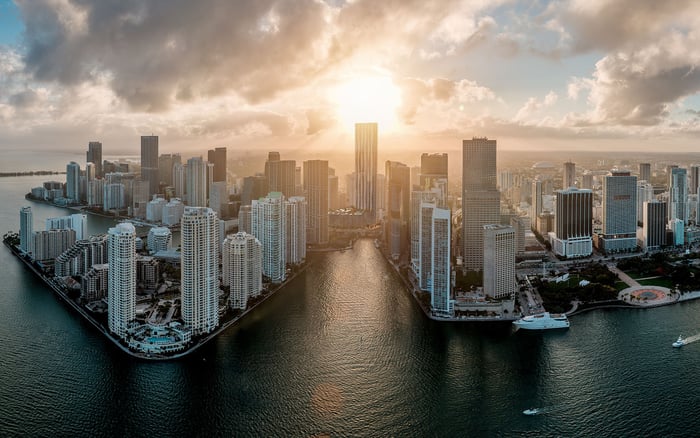
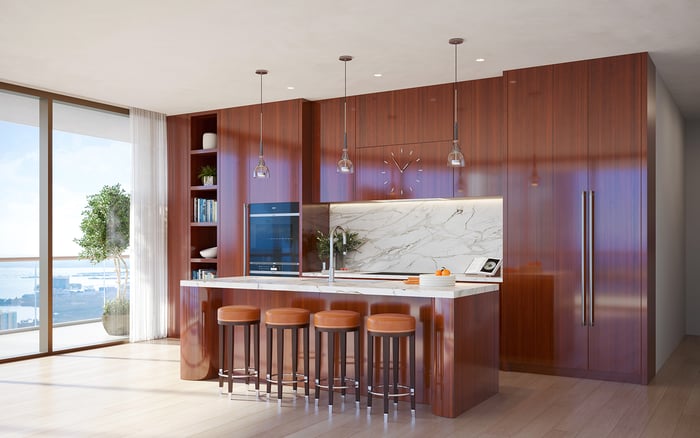
A buyer-focused examination of how technology, service protocols, privacy, and resilience shape the lock-and-leave value proposition at The Ritz-Carlton Residences® South Beach.
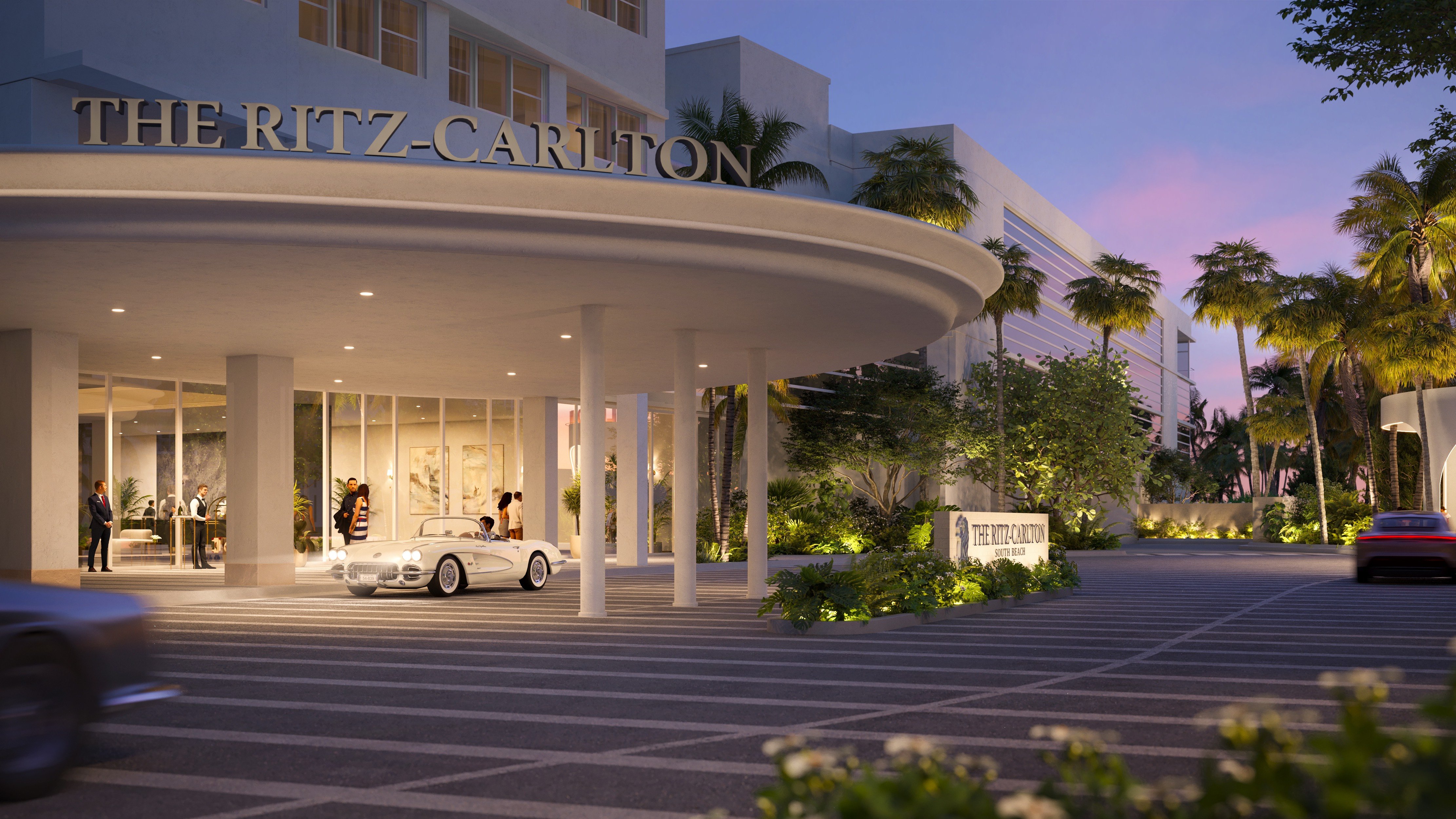
At The Ritz-Carlton Residences® South Beach, the technology conversation is not simply about elegant controls, intuitive lighting scenes, or a polished mobile interface. For the ultra-premium buyer, the more consequential question is whether the building can be trusted when the owner is not there.
That distinction matters in South Beach, where many owners use residences seasonally, maintain multiple homes, or arrive for compressed stays. A true lock-and-leave experience asks the property to do more than impress at arrival. It asks the building, its systems, and its service team to reduce risk during absence, then restore ease the moment the owner returns.
For a Miami Beach buyer evaluating a second-home purchase, technology has become part of the core value stack, alongside location, architecture, finishes, hospitality, and privacy. It is no longer a novelty layer. It is the invisible infrastructure that determines whether ownership feels effortless or merely well appointed.
The most common mistake in evaluating lock-and-leave readiness is focusing on gadgets. In-residence controls are useful, especially when they simplify lighting, temperature, shading, and access. But individual features do not create confidence on their own.
The deeper issue is integration. A residence can be beautiful and still require too much owner intervention if alerts, maintenance workflows, access permissions, and staff response are not aligned. The best version of lock-and-leave ownership is not a screen full of controls. It is an operating environment in which systems quietly escalate the right information to the right people at the right time.
For new-construction branded residences, buyers should look beyond visible finish quality and ask how the building is designed to behave while homes are unoccupied. Does the staff know how to respond to an alert? Is there a documented process for access? Are service visits logged and coordinated? Can the owner receive meaningful updates without becoming the project manager of the residence?
A practical due-diligence framework begins with six layers: in-residence controls, building management systems, security systems, digital owner platforms, service workflows, and emergency protocols. Each layer matters, but the relationship among them matters more.
In-residence controls should reduce friction, not add complexity. Building management systems should support climate, access, and operational oversight in a way that feels discreet. Security systems should be treated as core infrastructure, particularly for high-wealth owners whose schedules, absences, and visitors require careful handling. Digital owner platforms should make requests and updates clear, not turn hospitality into ticketing.
The service workflow is where technology either becomes valuable or decorative. Alerts only matter if a trained team can interpret them, act on them, and communicate with judgment. If a leak, HVAC issue, delivery, or access request arises while the owner is away, the difference between convenience and anxiety is usually not the sensor itself. It is the protocol around the sensor.
For ultra-luxury owners, privacy is not a lifestyle amenity. It is part of the building’s technology brief. The more often an owner is absent, the more carefully the building must manage keys, vendors, visitors, deliveries, and household staff coordination.
This is where hospitality-grade service becomes inseparable from digital infrastructure. The Ritz-Carlton name naturally raises expectations around discretion and operational calm, but buyers should still ask how that promise is translated into the daily mechanics of access and response. Who can authorize entry? How are time-sensitive events handled? How does the building distinguish between routine convenience and a true security matter?
For an investment-minded buyer, privacy and operational reliability can also influence long-term desirability. Residences that feel easy to own tend to remain compelling to globally mobile households, especially when ownership depends on trust rather than constant supervision.
In South Florida, lock-and-leave ownership cannot be separated from weather. A residence may be unoccupied when a storm forms, when heavy rain arrives, or when a systems issue appears during a humid summer week. The question is not whether a building can eliminate risk. It is whether the building has coherent protocols before, during, and after disruption.
That makes resilience part of the technology discussion. Buyers should ask how the residence handles storm preparation, post-event inspection, water intrusion concerns, HVAC interruptions, and communication during periods when owners are traveling. A polished lobby and a refined residence are important, but the true test of a top project is often what happens when the owner is elsewhere and the building must perform without drama.
South Beach sits inside a market where luxury is increasingly measured by ease. Buyers still care deeply about design, address, views, arrival sequence, wellness, and service culture. Yet the ownership experience is being redefined by what happens out of sight.
That is the central lock-and-leave question: do the systems, people, and protocols work together before, during, and after owner absence? If they do, technology becomes a trust engine. If they do not, even sophisticated features can feel like a burden.
For developers across South Florida, the implication is clear. The next generation of branded-residence value will be built as much on invisible infrastructure as visible amenity. For buyers, the opportunity is to ask sharper questions before purchase, not after the first extended trip away.
What does lock-and-leave mean for a South Beach residence? It means an owner can leave for extended periods while the building, systems, and service team help manage routine and urgent issues.
Is lock-and-leave the same as having smart-home features? No. Smart-home controls are only one layer; true lock-and-leave depends on integrated systems, staff response, and clear protocols.
What should buyers ask about The Ritz-Carlton Residences® South Beach? Buyers should ask how alerts, maintenance, access, deliveries, HVAC events, leaks, storms, and security issues are handled while they are away.
Why does service matter as much as technology? A digital alert has limited value unless a trained team can interpret it, respond promptly, and communicate clearly with the owner.
How important is privacy in this discussion? Privacy is central, especially for high-wealth owners who may be absent often and require careful management of visitors, vendors, and access.
Should resilience be part of lock-and-leave due diligence? Yes. In South Florida, storm preparation, post-event checks, humidity management, and water-risk protocols are essential ownership questions.
What is the biggest risk of relying only on in-residence technology? The owner may still be responsible for coordinating problems if building-wide systems and staff workflows are not integrated.
Why is this topic especially relevant to second-home buyers? Second-home owners often travel frequently, so the residence must remain manageable even when it is unoccupied for long periods.
Can technology influence resale desirability? It can, because future buyers may value residences that combine design, service, privacy, and low-friction ownership.
What is the best buyer takeaway? Evaluate the operating model, not just the interface, because lock-and-leave confidence comes from systems and people working together.
For a discreet conversation and a curated building-by-building shortlist, connect with MILLION.
If branded residences are on your mind — as a home or as an allocation — we would be glad to share what we are seeing, privately.
Begin a quiet conversation