A discreet, buyer-focused comparison of two branded-residence paths in Miami, centered on service expectations, cultural fit, governance, and long-term ownership discipline.
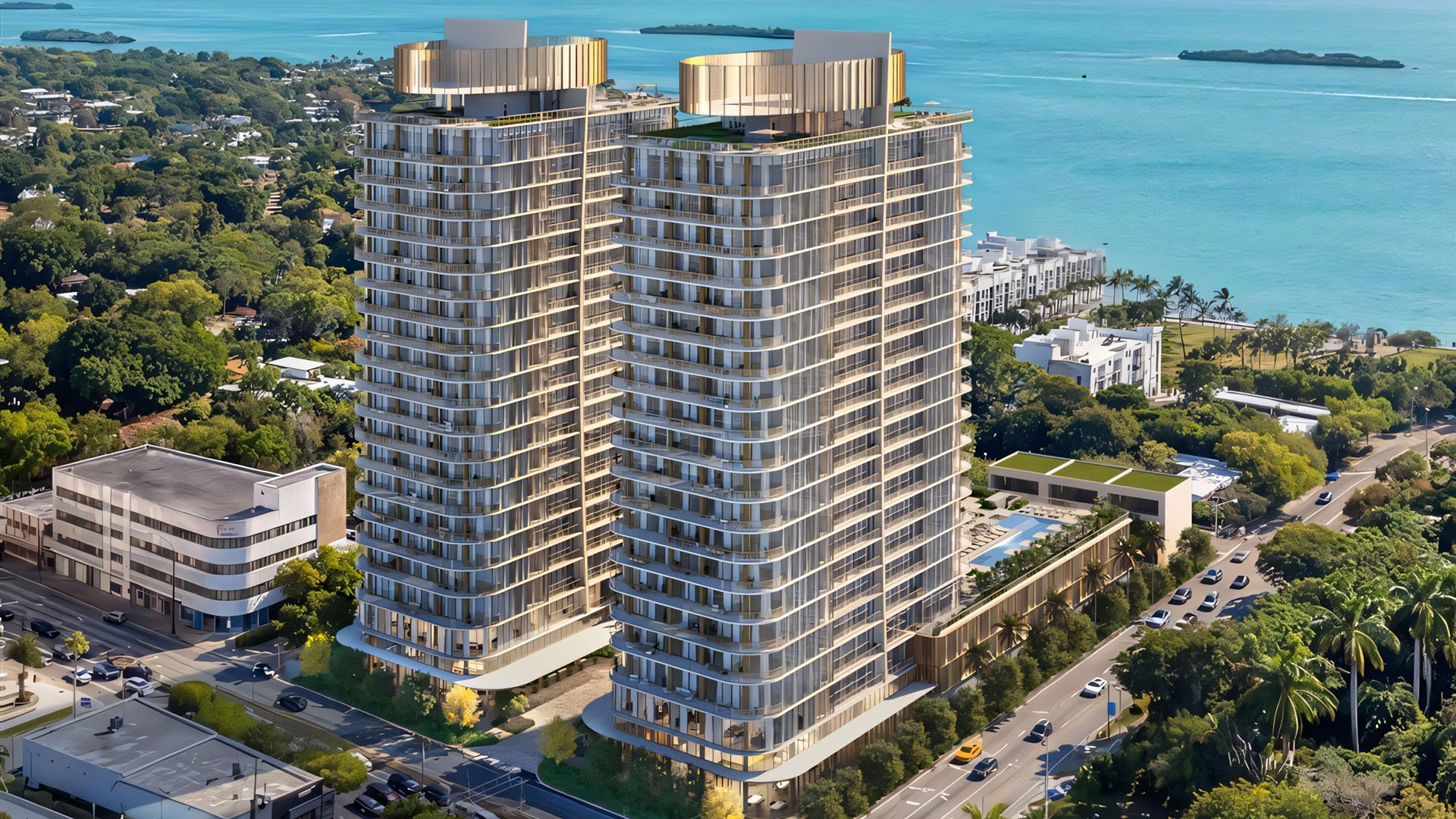
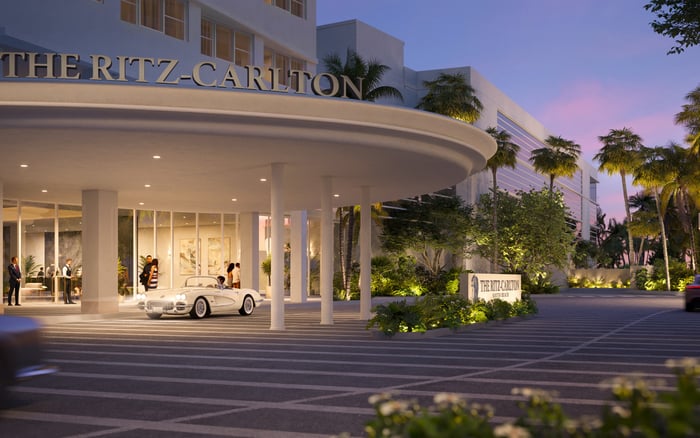
For South Florida’s most selective buyers, branded residences are no longer judged by name recognition alone. The more sophisticated question is quieter: what kind of private life does the building make possible? In that sense, The Ritz-Carlton Residences® South Beach and Kempinski Residences Miami Design District frame two distinct ways to consider ownership, service, and daily atmosphere.
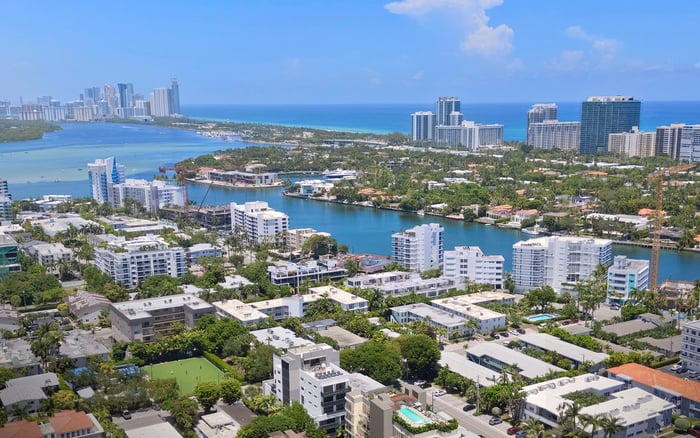
The comparison is useful because each name points to a different Miami ownership lens. One is tied to South Beach and the expectations buyers often associate with refined hospitality. The other invites consideration through the Miami Design District, where culture, design, and an urban rhythm become part of the residential decision. Buyers comparing the broader Miami Beach branded landscape may also review The Ritz-Carlton Residences® Miami Beach, while keeping this analysis focused on the South Beach and Design District question.
That distinction should not be stretched into assumptions about pricing, unit mix, amenities, delivery timing, rental policy, or operating rules. Those details belong in the project documents, disclosures, budgets, and private due diligence. Quiet luxury in Miami is increasingly defined by restraint: how a building protects privacy, how confidently service is delivered, and how calmly the owner can live when the surrounding market is energetic.
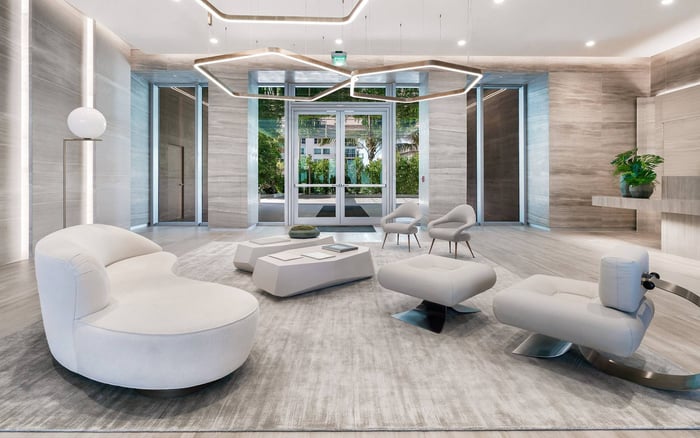
The South Beach side of this comparison begins with an important ownership idea: service should feel natural, not theatrical. In a high-profile Miami Beach setting, the best residential experience is not simply about access to activity. It is about returning to a building that feels composed, private, and capable of absorbing seasonal intensity without making daily life feel exposed.
For buyers considering a primary residence, a pied-à-terre, or a family retreat, the operating framework matters as much as the finishes. How does the building handle arrivals? How are guests received? What happens after hours? Which services are included, and which are handled separately? These are not decorative questions. They shape whether the residence feels easy to own.
The most durable branded residences tend to have a clear service identity. A buyer should be able to understand who manages the residential experience, how requests are handled, and how the building preserves continuity over time. A name may create confidence, but ownership satisfaction depends on the daily mechanics behind it.
Kempinski Residences Miami Design District introduces a different kind of consideration. The Design District suggests a city-centered lifestyle in which art, fashion, dining, and design-led retail may influence the emotional appeal of the address. For some buyers, that cultural proximity is the point. For others, it creates a sharper need to understand how the residence separates private life from neighborhood energy.
A buyer should not assume that every branded residence operates alike. Concierge scope, guest procedures, rental rules, food and beverage access, security protocols, owner privileges, and association responsibilities can vary materially from one project to another. The right due diligence begins with documents and direct confirmation rather than brand inference.
Building culture becomes decisive here. Some owners want a residence that feels like a private club without announcing itself as one. Others want an urban base that supports appointments, dinners, shopping, and cultural events while still delivering a calm lobby, disciplined circulation, and residential-first service. The better choice depends on whether quiet is desired as a retreat from the neighborhood or as an interior discipline within it.
Concierge depth should be read with precision. It is not merely a desk, a gracious greeting, or a menu of possible services. Depth means consistency, authority, memory, and judgment. It means the building understands what can be solved immediately, what should be escalated, and what should never become visible to the owner.
For a South Beach buyer, that may mean seasonal coordination, guest handling, travel-related support, and a frictionless return to the residence. For a Design District buyer, it may mean controlled access, appointment coordination, package handling, and a service culture that supports an active urban schedule without compromising privacy. In both cases, the test is the same: does the brand translate into operational confidence?
Before committing, buyers should request clarity on staffing, after-hours procedures, service inclusions, management structure, association responsibilities, and any owner-use restrictions. A residence can be beautifully designed and still fall short if the service model is vague. Conversely, a quieter building with disciplined operations can deliver an ownership experience that becomes more valuable with time.
In luxury real estate, governance is often less glamorous than architecture, but it may matter more after closing. The rules of the building determine how peaceful ownership feels in practice. They influence guest access, leasing flexibility, amenity usage, maintenance standards, renovation approvals, and the balance between owner privacy and brand programming.
This is especially important when comparing branded residences. A hospitality name can create a strong expectation, but buyers still need to know where brand involvement begins and where the condominium association or residential management structure takes over. That line can shape service consistency, budget expectations, and the way future buyers perceive the address.
Quiet luxury also depends on restraint. The best residential environments do not over-program every moment. They allow owners to live privately, host selectively, and move through the property without unnecessary performance. Whether the buyer is considering South Beach or the Miami Design District, the question should remain simple: does the building make life easier without making ownership feel managed?
Many South Florida buyers are not choosing only for immediate use. They are also thinking about family flexibility, future liquidity, and the emotional durability of the address. A branded residence can support that strategy when the building’s identity is clear and the ownership rules match the buyer’s intended use.
For a second-home buyer, predictability is paramount. The residence may be used intensely for certain weeks and then left in the care of the building for longer stretches. In that case, service reliability, access control, maintenance coordination, and owner communication become central to the value proposition.
For a long-term hold, the issue is cultural endurance. Will the building still feel relevant because its service model is disciplined and its identity is coherent? Or is the appeal too dependent on launch energy? Buyers considering The Ritz-Carlton Residences® South Beach and Kempinski Residences Miami Design District should look past first impressions and test how each model might perform through changing personal needs and market conditions.
The most disciplined approach is to separate brand expectation from verified building terms. Start with the name, but do not stop there. Ask for the condominium documents, service descriptions, budget framework, ownership restrictions, and management disclosures. Review them with the same seriousness you would bring to the floor plan, exposure, or view corridor.
Then evaluate the emotional fit. South Beach offers one kind of Miami ownership psychology: proximity to a globally known lifestyle setting and a residential experience that must remain composed within a highly visible environment. The Design District suggests another: urban culture, design adjacency, and a more city-centered rhythm. Neither is universally better. The stronger choice is the one that feels calmest to the specific buyer.
For many ultra-premium owners, the winning residence is the one that reduces decisions. It knows when to be present and when to disappear. It supports entertaining without requiring spectacle. It delivers service without making the owner feel observed. That is the true measure of quiet luxury.
Is The Ritz-Carlton Residences® South Beach part of this comparison? Yes. It is the South Beach branded-residence reference point used for this buyer-focused comparison.
Can buyers assume the two projects have the same ownership structure? No. Branded residences can differ materially in governance, service scope, association rules, and owner privileges.
What should a buyer verify before choosing either model? Buyers should review building documents, service descriptions, management structure, fees, use restrictions, and operating procedures.
Why does concierge depth matter so much? Concierge depth determines whether service feels consistent, discreet, and capable beyond basic front-desk assistance.
Is quiet luxury mainly about design? No. Design matters, but quiet luxury also depends on privacy, governance, staffing, circulation, and restraint.
How should a second-home buyer evaluate these residences? A second-home buyer should focus on property care, communication, arrival experience, access control, and ease of seasonal use.
Does a strong brand automatically ensure strong resale value? Not automatically. Long-term value depends on location, execution, governance, service quality, and market conditions.
What is the main lifestyle distinction in this comparison? South Beach suggests a beach-oriented ownership lens, while the Design District suggests a more urban, culture-led lens.
Should buyers rely on amenities first when comparing branded residences? Amenities are important, but the operating model and residential culture often shape daily satisfaction more deeply.
What is the best next step for a serious buyer? The best next step is a private review of documents, availability, service structure, and neighborhood fit.
For a confidential assessment and a building-by-building shortlist, connect with MILLION.
If branded residences are on your mind — as a home or as an allocation — we would be glad to share what we are seeing, privately.
Begin a quiet conversation