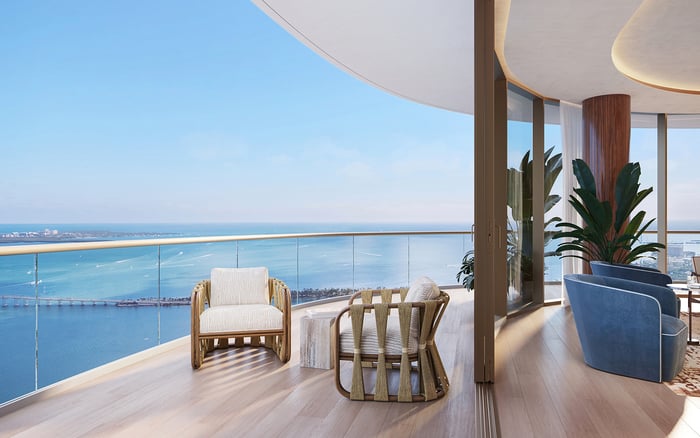
A buyer-focused guide to reviewing trainer booking rules at ORA by Casa Tua Brickell before contract, from eligibility and peak-hour access to pricing, liability, and rule changes.

At the ultra-premium end of Brickell, wellness is no longer a secondary amenity. It is part of the residential experience, part of the daily operating rhythm, and often part of the emotional reason a buyer chooses one tower over another. That is why trainer booking rules at ORA by Casa Tua Brickell deserve review before contract, not after move-in.
For a buyer who expects a highly managed lifestyle, the question is not simply whether a fitness area exists. A pool, lap pool, spa, recovery space, or training room may look compelling in presentation materials, but its practical value depends on access. Who can book? When can they book? Which rules control the relationship? Can those rules change? These are contract-stage questions.
The first diligence point is authority. Trainer access may be governed by condominium documents, club rules, amenity rules, a separate trainer agreement, app terms, or several of those at once. A polished verbal description is not enough if the written documents reserve broad discretion to management, the association, or an amenity operator.
Ask for the current written trainer policy and read it alongside the purchase documents. If there is an inconsistency, identify which document prevails. If access to training is important to your household, ask whether a clarification can be written into the transaction record before execution. In a new-construction or pre-construction purchase, buyers should be especially careful about relying on concepts that may later be refined into formal operating rules.
The next question is eligibility. Owners, renters, family members, guests, corporate users, and short-term occupants, if applicable, may not all have the same rights. A household that expects visiting relatives, adult children, seasonal guests, or staff to use the wellness program should understand exactly who may book trainer sessions and under what conditions.
Priority is equally important. Premium slots in Brickell tend to mean early mornings, evenings, and high-season winter dates, precisely when a busy resident may need consistency most. Ask whether owners receive priority over tenants, guests, or any outside membership category. If the project uses a booking app or concierge system, confirm whether priority is visible in the booking interface or handled behind the scenes.
This is where comparisons can be useful. Buyers evaluating 2200 Brickell or Baccarat Residences Brickell may already be weighing wellness as part of the broader Brickell lifestyle. The same discipline should apply at ORA by Casa Tua Brickell: the real question is how the promise performs on a weekday at 7 a.m.
Trainer access is only valuable if it fits the resident’s schedule. Review how far in advance sessions may be booked, whether same-day appointments are permitted, and whether recurring reservations are available. A resident who trains three mornings a week will experience the amenity differently from someone who books occasional sessions during seasonal visits.
Trainer selection also matters. Confirm whether residents may choose a specific trainer or whether sessions are assigned based on availability, specialty, or management discretion. If you have a preferred modality, such as strength training, mobility, post-travel recovery, or corrective exercise, ask how specialties are matched. The best policy is not necessarily the loosest one; it is the one that is clear, predictable, and aligned with how you actually live.
Many luxury buyers arrive with existing wellness teams. If that applies, ask whether outside personal trainers are permitted. If they are, confirm whether they must be approved, insured, credentialed, or accompanied by the resident. If they are not, determine whether the in-house offering is broad enough for your needs.
Pricing should also be clarified before contract. Review per-session rates, package discounts, initiation fees, amenity charges, gratuity expectations, taxes, and any automatic renewal language. Just as important, verify who bills the sessions: the building, a club operator, a service provider, or an independent contractor. Billing structure can affect dispute handling, refunds, and accountability.
Cancellation rules deserve the same attention as pricing. Ask about cancellation windows, late-cancel charges, no-show fees, and whether travel, illness, or emergency exceptions are recognized. If you plan to purchase packages, confirm whether they expire, can be paused, can be transferred to family members, or can be used intensively during a seasonal stay.
Trainer policies often include liability waivers, injury disclaimers, insurance provisions, and dispute-resolution terms. These should be reviewed before the first session, but the more strategic moment is before contract, when the buyer still has leverage. If a waiver is broad, ask what protection exists if an injury arises from negligent instruction, equipment condition, or operational failure.
Also ask whether trainer booking rules can be changed unilaterally after purchase or membership execution. A rule that works today may be less attractive if management can later alter booking windows, restrict outside trainers, modify pricing, or adjust priority categories without meaningful consent. In a luxury purchase, stability is part of value.
ORA by Casa Tua Brickell should be assessed as a lifestyle proposition, and trainer access belongs within that larger frame. If wellness programming includes spa, nutrition, recovery, bodywork, or concierge wellness services, ask how training integrates with those offerings. A thoughtful ecosystem can make a residence feel effortless. A fragmented policy can turn an amenity into an administrative task.
Buyers looking across Brickell may compare ORA by Casa Tua Brickell with St. Regis® Residences Brickell or Una Residences Brickell, each part of a broader conversation about service, discretion, and daily convenience. The point is not to assume identical policies. It is to ask the same precise questions wherever wellness is central to the decision.
Before signing, request the current written trainer policy, the amenity or club rules, any app terms that govern booking, sample waiver language, current pricing information, and the process for rule changes. If trainer access is material to your purchase decision, consider requesting written clarification or a contingency that addresses the specific issue.
The strongest position is simple: convert lifestyle expectations into written terms. In Brickell, where time is a form of luxury, predictable trainer access can be as meaningful as the view, the lobby, or the restaurant reservation.
Should trainer access be reviewed before signing a contract at ORA by Casa Tua Brickell? Yes. If wellness is part of your purchase rationale, trainer booking rules should be reviewed before contract execution.
Is trainer access just a gym amenity? Not for many luxury buyers. It should be treated as part of the broader residence and wellness value proposition.
Which documents may control trainer booking rules? Condo documents, club rules, amenity policies, trainer agreements, app terms, or a combination of them may apply.
Should owners ask who is eligible to book trainers? Yes. Confirm whether owners, renters, family, guests, corporate users, or short-term occupants may book sessions.
Why do peak-hour rules matter? Early mornings, evenings, and winter-season slots are often the most valuable times for busy Brickell residents.
Can residents usually choose a specific trainer? Do not assume so. Ask whether selection is resident-driven or based on availability, specialty, or management discretion.
What should buyers ask about outside trainers? Ask whether they are permitted and whether approval, insurance, credentials, or resident accompaniment is required.
What pricing details should be clarified? Review session rates, packages, fees, gratuity expectations, taxes, automatic renewals, and the billing entity.
Can trainer rules change after purchase? They may, depending on the governing documents. Ask whether management, the association, or an operator can revise them.
What if trainer access is essential to the purchase decision? Consider negotiating written clarifications or contingencies before signing, rather than relying on verbal assurances.
To compare the best-fit options with clarity, connect with MILLION.
If branded residences are on your mind — as a home or as an allocation — we would be glad to share what we are seeing, privately.
Begin a quiet conversation