A buyer-focused look at how branded marina culture, waterfront rights, dockmaster operations, and insurance clarity shape ultra-luxury ownership in Palm Beach Gardens and Palm Beach.
In Palm Beach Gardens and Palm Beach, waterfront ownership has evolved beyond a simple question of view, frontage, or proximity to open water. For today’s ultra-prime buyer, the more consequential issue is how a building defines, manages, and communicates the rights attached to the water. The difference can feel subtle during a showing and decisive after closing.
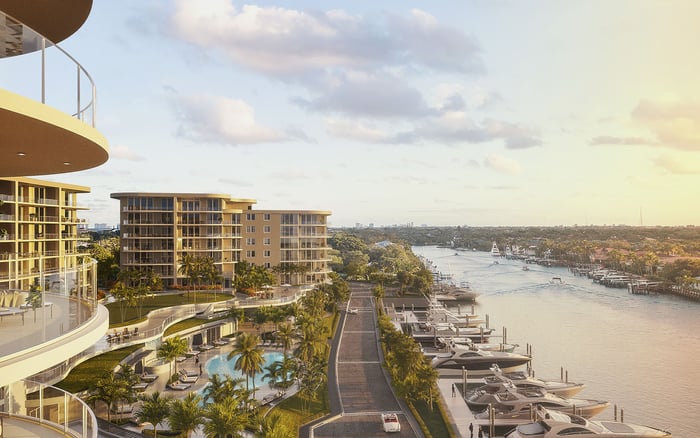
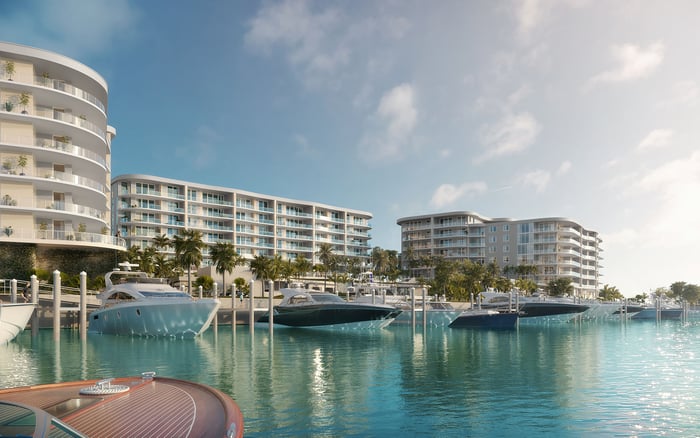
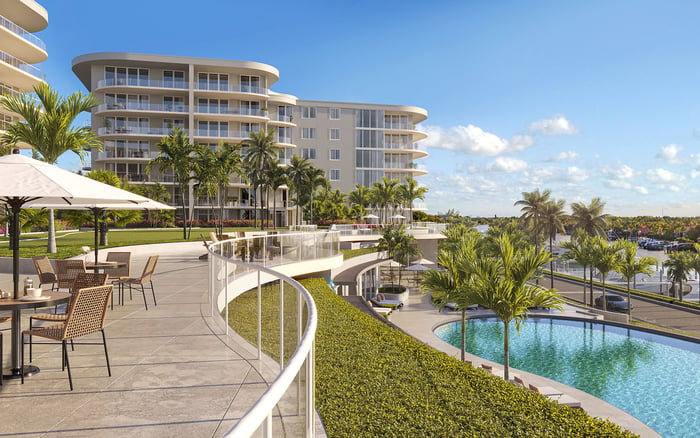
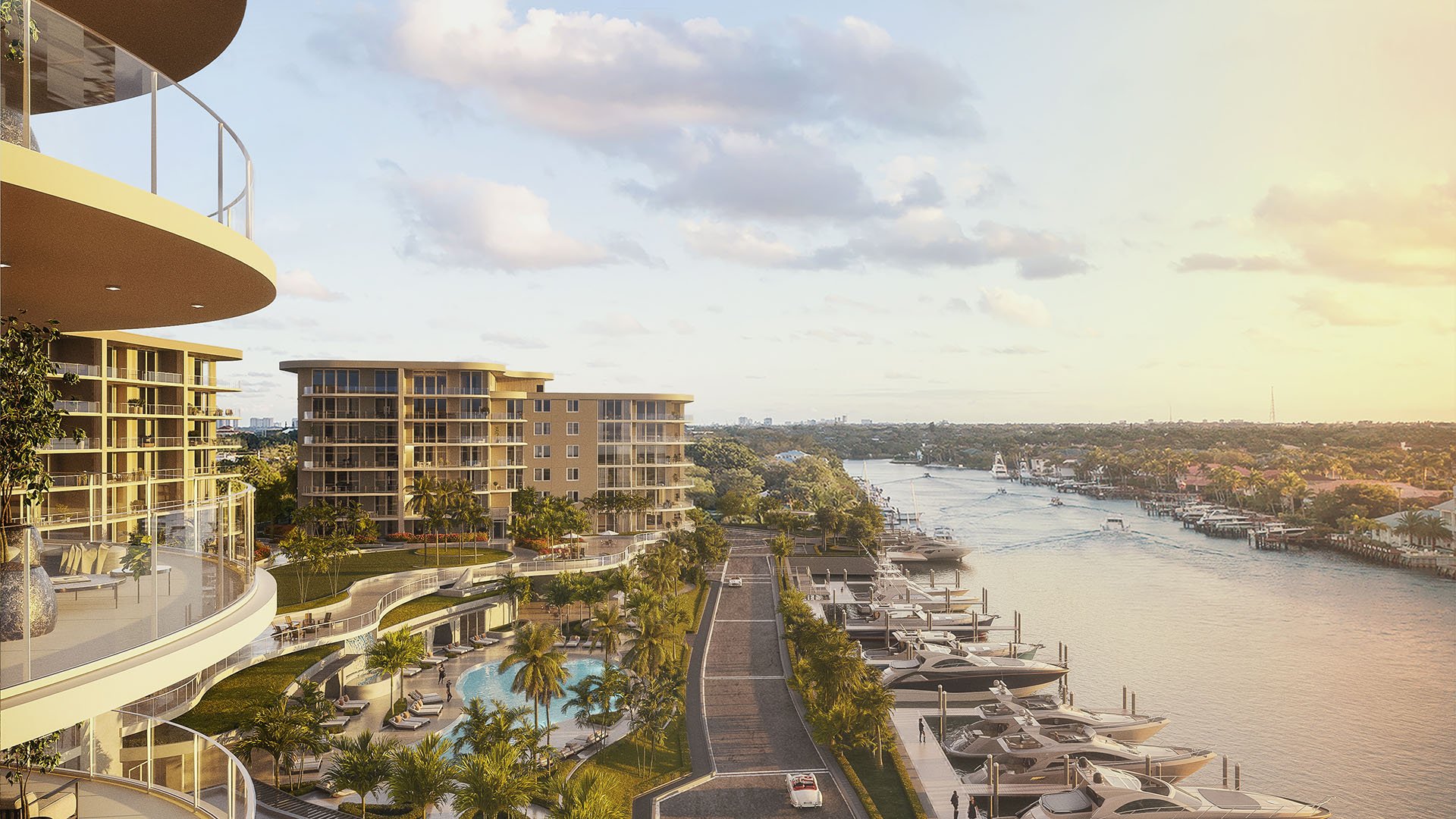
The Ritz-Carlton Residences® Palm Beach Gardens offers a useful lens because it is framed as a branded residential marina community on the Intracoastal Waterway. In that setting, marina access and dock operations are not ornamental amenities. They are central to the ownership proposition, shaping daily use, guest expectations, resale confidence, and the tone of life around the water.
The broader Palm Beach Residences market offers a different kind of appeal: established prestige, varied waterfront conditions, and a wide spectrum of building histories, governing documents, and service norms. That heterogeneity is part of Palm Beach’s charm, but it also makes diligence more nuanced. A buyer may describe the wish list in simple terms: Palm Beach access, marina discipline, boat-slip clarity, waterview quality, exclusive-area discretion, and the service expectations associated with The Ritz-Carlton Residences® Palm Beach Gardens.
In luxury real estate, architecture is visible. Culture is experienced. Building culture is the blend of rules, service standards, management practices, disclosure habits, and resident expectations that determines how a property actually lives. Two waterfront residences may appear comparable from a terrace, yet feel entirely different when questions arise about dock use, guest boarding, repairs, storms, insurance, or association responsibilities.
At a hospitality-branded community, the buyer often expects a more orchestrated experience. That does not mean every detail is identical from one branded residence to another, nor should buyers assume terms without reviewing documents. It means the culture is generally expected to emphasize consistency, protocol, and service delivery. In a marina setting, that consistency can matter as much as the dock itself.
Across Palm Beach residences, culture may be more building-specific. Older and newer properties can vary in documentation, waterfront practices, management style, and owner communication. For some buyers, that individuality is appealing. For others, especially those who boat frequently or divide time among multiple homes, predictability becomes a luxury feature.
Waterfront rights may sound legalistic, but they become practical almost immediately. Who may use a dock? How is access assigned or limited? What is controlled by the association, what is attached to a residence, and what is governed separately? How are repairs, restrictions, guest use, and transfers handled? These questions affect convenience, cost, and resale clarity.
At The Ritz-Carlton Residences® Palm Beach Gardens, the marina context places those questions near the center of value. A buyer is not merely buying a residence near the Intracoastal Waterway. The buyer is evaluating a lifestyle in which the water is meant to function as part of the home’s daily rhythm. That makes definitions important. Ambiguity can erode confidence, while clear governance can support a more refined ownership experience.
Palm Beach waterfront residences require the same discipline, though the answers may vary more widely from property to property. A residence with an extraordinary view may still call for careful review of waterfront permissions, association rules, maintenance obligations, and transferability. Sophisticated buyers increasingly ask not only what the property faces, but what the property allows.
A dock without operating culture is simply infrastructure. Dockmaster service, when part of the building’s operating model, turns that infrastructure into a usable residential amenity. The difference is felt in coordination, communication, scheduling expectations, owner confidence, and the sense that boating life is integrated rather than improvised.
This is where branded marina living can distinguish itself. The physical presence of water and docks is one layer. The service protocol around them is another. A well-run waterfront environment helps residents feel that procedures are clear, responsibilities are understood, and the marina is part of the property’s hospitality language rather than a loosely attached convenience.
Buyers should avoid assuming details that are not documented. Instead, they should ask how dock operations are described, how resident communications are handled, and how the building addresses routine and exceptional waterfront issues. The luxury is not only access. It is the absence of confusion.
For waterfront buyers, insurance is not a side conversation. Flood, wind, marina-related exposures, association coverage, and owner-level responsibilities can materially affect ownership cost and risk. The premium itself is only one part of the story. The more important question is whether the buyer understands what is covered, what is excluded, who pays for what, and how responsibilities are allocated after an event.
Insurance clarity is especially important in buildings where waterfront infrastructure and residential ownership intersect. A buyer should understand the relationship among the residence, the association, common elements, marina areas, and any owner-specific obligations. The most elegant purchase can become unnecessarily stressful if these matters are vague.
In the Palm Beach Residences context, variation among properties makes this review even more important. Different building ages, documents, and waterfront practices can produce different insurance questions. In a branded marina community, buyers may expect stronger communication, but expectation is not a substitute for documentation. The best diligence combines legal review, insurance review, and a practical conversation about how the building communicates risk to residents.
The comparison between The Ritz-Carlton Residences® Palm Beach Gardens and the broader Palm Beach waterfront market is not simply branded versus unbranded, or new versus established. It is a comparison between different forms of clarity.
A branded marina community places service culture, operating standards, and waterfront usability at the center of the residential promise. A Palm Beach residence may offer distinctive address value, architectural character, and a highly individualized waterfront experience. Neither is automatically superior. The right choice depends on how the buyer lives.
A frequent boater may prioritize dock operations, service protocol, and clearly expressed waterfront rights. A seasonal owner may value predictable communication and fewer operational surprises. A collector of rare Palm Beach residences may accept more variation in exchange for the individuality of a particular building or location. The common thread is that serious buyers should look beyond the view line and into the governing culture.
In South Florida’s most refined waterfront market, discretion increasingly means clarity. The strongest properties do not merely present the water beautifully. They explain how the water is owned, accessed, serviced, insured, and protected over time.
Why does building culture matter in waterfront real estate? It determines how rules, service standards, management practices, and disclosures shape daily ownership beyond the physical residence.
What makes The Ritz-Carlton Residences® Palm Beach Gardens relevant to this discussion? It is positioned as a branded residential marina community on the Intracoastal Waterway, making waterfront use and service culture central to value.
Are marina access and dock operations just amenities? No. In a marina-focused residence, they can be core components of usability, resident expectations, and resale clarity.
What should buyers ask about waterfront rights? Buyers should ask how dock use, access, transferability, maintenance duties, and association responsibilities are defined in the governing documents.
Why is dockmaster service important? Dockmaster service can translate waterfront infrastructure into a coordinated daily experience for residents and boat owners.
Is Palm Beach’s waterfront market more varied than a branded marina community? Yes. Palm Beach residences can differ widely in building age, documents, management norms, and waterfront practices.
How does insurance affect waterfront ownership? Flood, wind, marina, association, and owner-level responsibilities can materially affect cost, risk, and post-closing confidence.
Should buyers rely on branding alone for clarity? No. Branding may signal a service culture, but buyers should still review documents, insurance responsibilities, and operating procedures.
What is the main diligence issue for a boating buyer? The key issue is whether waterfront rights and dock operations are clearly defined, consistently managed, and practically usable.
What is the best way to compare Palm Beach Gardens and Palm Beach waterfront options? Compare not only views and location, but also governance, service protocols, disclosure quality, and insurance clarity.
For a discreet conversation and a curated building-by-building shortlist, connect with MILLION.
If branded residences are on your mind — as a home or as an allocation — we would be glad to share what we are seeing, privately.
Begin a quiet conversation