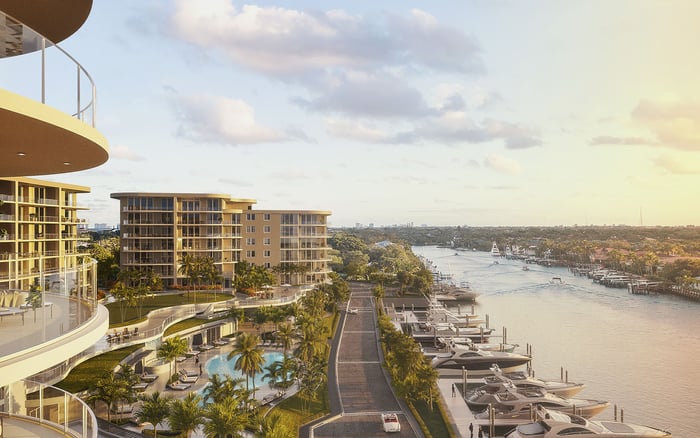
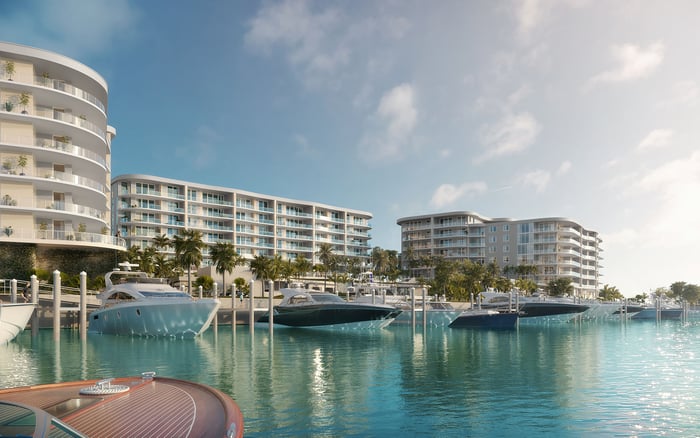
A discreet due-diligence guide for out-of-state purchasers considering The Ritz-Carlton Residences® Palm Beach Gardens, with emphasis on branded-residence structure, waterfront use, fees, insurance, title planning, and lifestyle fit.
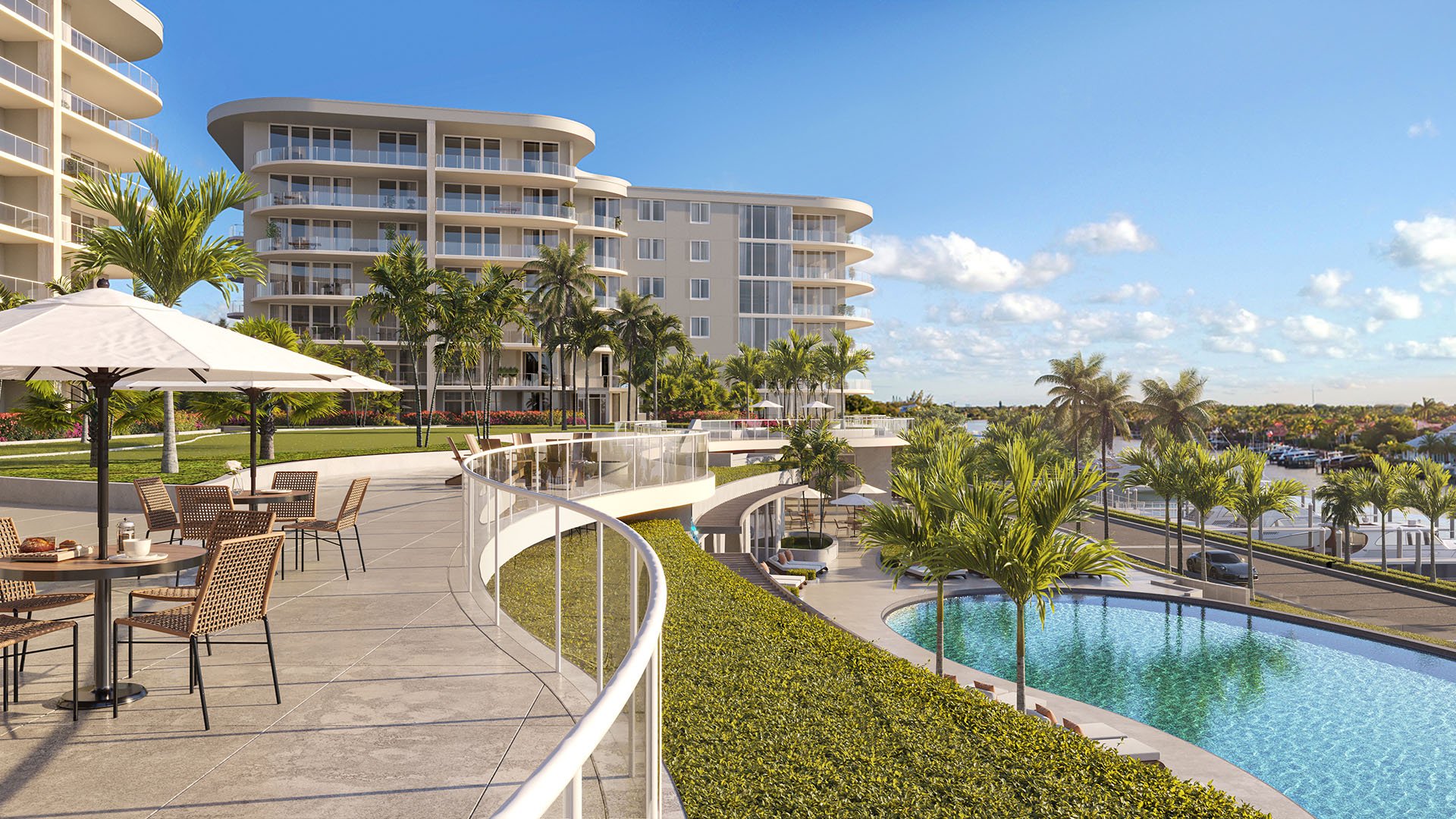
The Ritz-Carlton Residences® Palm Beach Gardens occupies a category that many out-of-state buyers find especially compelling: an ultra-luxury branded residential condominium in a waterfront setting in northern Palm Beach County. For buyers arriving from New York, Chicago, California, Connecticut, or overseas, the appeal is clear. Palm Beach Gardens offers proximity to Palm Beach County amenities while avoiding the denser feel of Miami, Fort Lauderdale, or Palm Beach Island.
Yet the qualities that make the project attractive also make due diligence more nuanced. A branded residence is not simply a condominium with a famous name. Buyers should understand how the brand relationship works, how services are delivered, what costs attach to those services, and what obligations owners accept when they purchase. The essential question is not whether the residence feels luxurious. It is whether the governing documents, fee structure, waterfront rules, and lifestyle model align with the way you intend to live.
For many purchasers, The Ritz-Carlton Residences® Palm Beach Gardens will be evaluated alongside other branded or waterfront South Florida options. That comparison should be elegant, but also forensic.
The Ritz-Carlton name is central to the project’s positioning, but out-of-state buyers should not assume that all Ritz-Carlton Residences® properties operate identically. Service models, management agreements, fee structures, guest policies, owner obligations, and brand-related costs can vary by project.
Before wiring a deposit or moving toward closing, request the documents that explain how the branding, management, and service standards are implemented. Review whether services are provided through the condominium association, a branded-management structure, third-party operators, or a combination. Ask which services are included in regular assessments, which may be charged separately, and whether certain offerings are optional or mandatory.
This is where the distinction between brand promise and legal obligation matters. The residence may be marketed with a high-touch service identity, but an owner’s actual rights and responsibilities live in the condominium documents, association budgets, management agreements, rules, and purchase contract.
The project’s value proposition centers on waterfront living in northern Palm Beach County. That is materially different from buying a conventional urban-core condominium, and it is also different from choosing direct oceanfront living. Buyers should examine whether the setting aligns with their preference for Intracoastal-style boating access, calmer waterfront views, and a more residential rhythm, rather than the immediate beach orientation of an oceanfront tower.
Boating-oriented purchasers should be especially precise. Marina access, dockage, water depth, vessel-size limitations, assignment rights, guest-vessel rules, waiting lists, transferability, and any boat-slip restrictions should be confirmed in writing. A residence can be exceptional while still being imperfect for a particular yacht, tender, captain schedule, or cruising pattern.
If you are comparing the Palm Beach Gardens waterfront lifestyle with oceanfront branded projects farther south, The Ritz-Carlton Residences® Pompano Beach may help frame the distinction between boating-oriented waterfront living and beach-driven coastal living. The point is not that one is superior. The point is that they serve different daily rituals.
Luxury-branded condominium ownership often includes cost categories that require careful reading. Buyers should review HOA or condominium fees, service charges, brand-related management costs, reserve contributions, insurance allocations, and any special assessment exposure. The headline purchase price is only one part of the ownership profile.
Request the current or projected association budget, line-item operating expenses, reserve schedules, insurance assumptions, and any agreements tied to brand standards or services. Ask whether staff, concierge, valet, amenity operations, maintenance, security, waterfront facilities, and branded service requirements are included in recurring assessments or billed separately.
Out-of-state buyers should also review payment timing. Deposits, construction-stage payments if applicable, closing costs, prepaid assessments, capital contributions, and reserve funding can affect liquidity planning. A buyer purchasing through an entity or trust should confirm wiring instructions, authority documents, beneficial ownership requirements, and signing protocols well before any deadline.
For those comparing Palm Beach County alternatives, projects such as The Ritz-Carlton Residences® West Palm Beach or Alba West Palm Beach may offer useful context on how location, brand, and waterfront positioning can translate into different ownership structures.
A second-home buyer may care less about daily operations than about flexibility. That makes use restrictions especially important. Review leasing policies, minimum lease terms, guest-access rules, pet policies, service standards, move-in procedures, renovation approvals, package handling, parking rights, and access for household staff.
If you intend to let adult children, guests, assistants, private chefs, nurses, captains, or security personnel use the residence, confirm how access is approved and documented. If you plan to lease the property during certain seasons, confirm whether leasing is permitted and under what conditions. If you travel with pets, review the rules instead of relying on informal assurances.
One useful exercise is to write a plain-language ownership brief for yourself: Palm Beach lifestyle, second-home use, water-view expectations, marina needs, boat-slip requirements, and new-construction comfort level. Then test each assumption against the governing documents. If an expectation is not supported by the documents, it should not drive the purchase decision.
Waterfront luxury ownership in South Florida requires disciplined review of hurricane, flood, windstorm, insurance, and building-resilience considerations. Buyers coming from non-coastal markets should not treat insurance as an afterthought. It affects both cost and risk management.
Review what the association insures versus what an individual owner must insure. Ask about windstorm coverage, flood coverage, deductibles, exclusions, casualty procedures, reserve planning, and the process for repairing common elements after a storm. Confirm whether lenders, trust structures, or family offices require additional coverage.
Building resilience should also be part of the conversation. While specific construction and engineering details should be verified in the offering documents, buyers should ask how waterfront exposure, storm preparation, emergency power, access, elevators, garages, mechanical systems, and post-storm operations are addressed.
Out-of-state purchasers should coordinate Florida legal, tax, insurance, and estate-planning advice before taking title. This is especially important when buying through an LLC, limited partnership, revocable trust, irrevocable trust, or family office structure.
Key questions include who will own the residence, who has authority to sign, how Florida homestead considerations may or may not apply, how estate planning should be coordinated with the buyer’s home state, and whether the ownership vehicle affects financing or insurance. The best structure is rarely chosen at the closing table. It should be designed before contract deadlines become urgent.
For buyers weighing Palm Beach Gardens against more established Palm Beach County luxury addresses, Forté on Flagler West Palm Beach provides another lens on waterfront condominium living within the broader county market.
The Ritz-Carlton Residences® Palm Beach Gardens may appeal to buyers seeking branded service, waterfront living, and a northern Palm Beach County setting distinct from South Florida’s denser urban cores. The opportunity is refined, but it should be reviewed with the same care one would bring to a private aircraft, yacht, or art acquisition.
For an out-of-state buyer, the smartest path is straightforward: confirm the brand structure, read the condominium documents, understand the service costs, scrutinize waterfront rights, evaluate insurance exposure, and coordinate Florida-specific advice before deposits become nonrefundable or closing pressure builds.
Is The Ritz-Carlton Residences® Palm Beach Gardens a hotel ownership product? It is described as a waterfront condominium community rather than a conventional hotel ownership product. Buyers should confirm the exact ownership and service structure in the project documents.
Should buyers assume all Ritz-Carlton Residences® projects have the same rules? No. Service models, fees, owner obligations, and use restrictions can vary by property and should be reviewed project by project.
What documents should an out-of-state buyer request first? Start with the condominium documents, association budget, service-fee obligations, branded-management agreements, rules, and purchase contract materials.
Why is waterfront due diligence especially important here? The project’s appeal is tied to waterfront living, so buyers should verify dockage, marina access, water depth, vessel-size limits, and assignment rules before purchasing.
Is this the same lifestyle as direct oceanfront living? Not necessarily. Buyers should decide whether they prefer Intracoastal-style boating access and waterfront views or a direct oceanfront setting.
What fee categories deserve special attention? Review condominium assessments, service charges, brand-related management costs, insurance allocations, reserves, and any required capital contributions.
Can owners lease their residences freely? Buyers should not assume flexibility. Leasing policies, guest rules, access procedures, and minimum-use requirements should be confirmed in the governing documents.
What insurance issues should buyers evaluate? Focus on hurricane, flood, windstorm, deductible exposure, association coverage, owner coverage, and how casualty repairs are handled.
Should a buyer use an LLC or trust? That depends on legal, tax, estate, financing, and privacy goals. Florida counsel and tax advisors should review the structure before contract or closing.
Why does Palm Beach Gardens appeal to some luxury buyers? It offers a northern Palm Beach County setting that may feel more residential and less urban-core than Miami, Fort Lauderdale, or Palm Beach Island.
For a discreet conversation and a curated building-by-building shortlist, connect with MILLION.
If branded residences are on your mind — as a home or as an allocation — we would be glad to share what we are seeing, privately.
Begin a quiet conversation