A discreet buyer’s guide to the dock, access and infrastructure questions that matter before pairing a Palm Beach waterfront residence with a serious yacht.
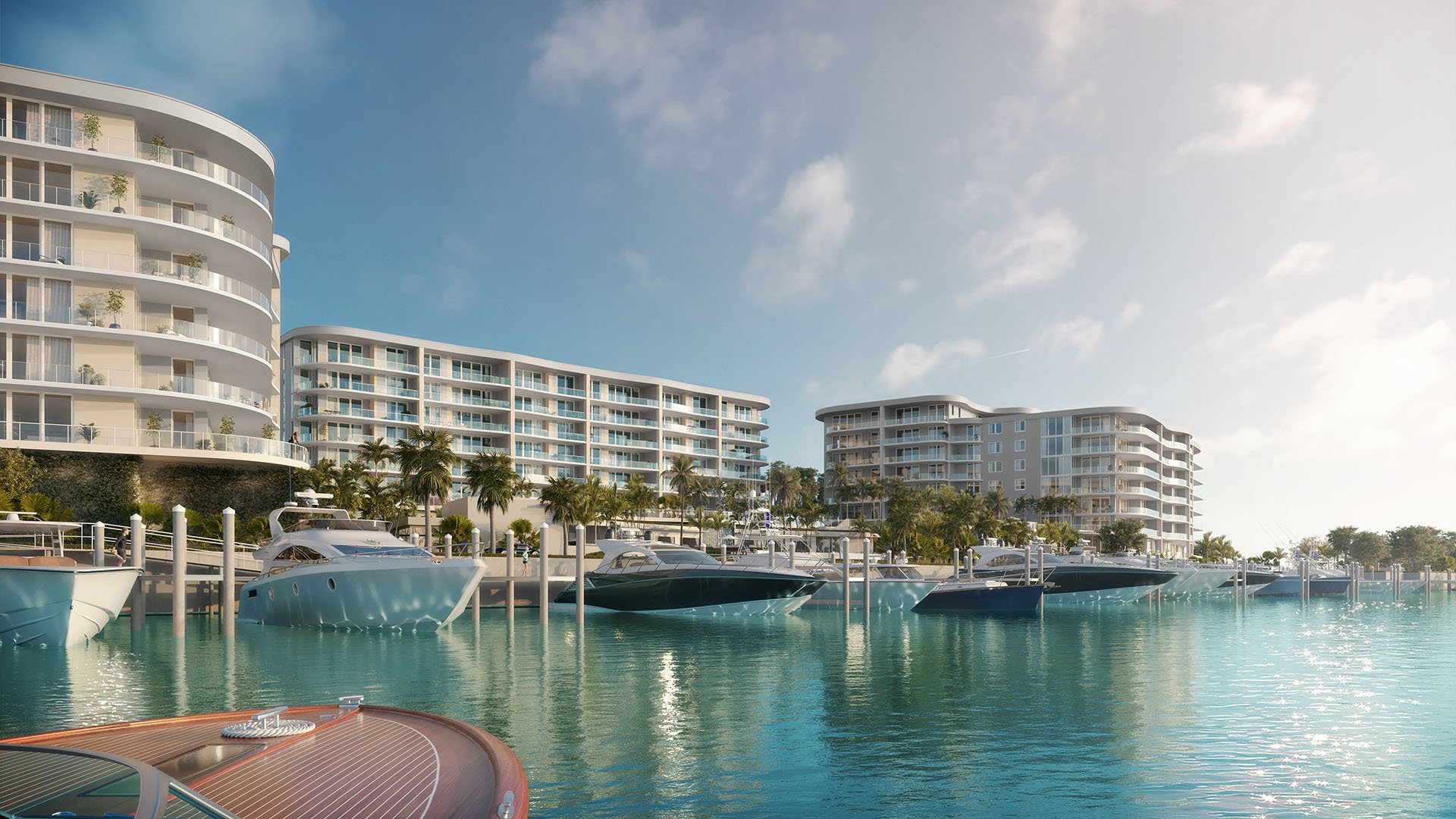
For a superyacht owner, a waterfront address is only as valuable as the water it can genuinely serve. Palm Beach buyers often fall in love with elevation, privacy, gardens, architecture and sunset exposure, only to discover late in diligence that the dock cannot support the yacht they intend to keep there. The more disciplined sequence is clear: vessel first, dock second, residence third.
That does not make the home less emotional. It makes the acquisition more intelligent. Deep-water utility is a technical question inside a lifestyle purchase, and the answers are rarely contained in a single marketing line. A private search note might read: Palm-beach waterfront, West-palm-beach convenience, Marina access, Boat-slip feasibility, Waterview quality and branded service. Each phrase is shorthand for a distinct risk.
Buyers considering residential options such as Palm Beach Residences or Alba West Palm Beach should separate the residence decision from the berthing decision. A beautiful home may be ideal for living, entertaining and collecting, while the yacht may still require a separate marina strategy.
Before evaluating any dock, define the yacht in precise operating terms. Length overall, beam, draft, air draft, displacement, tender arrangement and boarding requirements should all be treated as purchase inputs. A dock that appears generous in photographs may be unsuitable once fenders, tide, current, passerelles, crew movement and neighboring structures are considered.
The most important measurement is not always length. Draft determines whether the yacht can arrive and depart without drama. Beam affects the usable berth and clearance from pilings or adjacent vessels. Air draft determines bridge limitations along the approach. Displacement matters because heavier vessels place different demands on pilings, cleats, dolphins and mooring hardware.
A serious buyer should have the dock evaluated against the exact yacht, not an approximate category. “Can it fit a yacht?” is a lifestyle question. “Can it safely berth this yacht under normal operating conditions?” is the question that protects capital.
Deep water should be verified at the berth, along the approach and at any turning area. A stated depth at the seawall is useful, but it does not answer the full navigational question. The controlling depth is the limiting point along the practical route, and that point may not be directly behind the house.
Depth should also be considered in relation to tide, bottom condition and maintenance obligations. A yacht with little margin beneath the keel may technically arrive, yet remain impractical for regular use. Owners who cruise frequently need a different tolerance than owners who view the yacht as a seasonal extension of the estate.
Dredging, if contemplated, should never be assumed. It can involve permissions, timing, environmental review and cost. Treat any future improvement as uncertain until reviewed by the appropriate specialists.
The berth itself must be read in three dimensions. Superyacht owners should verify side clearance, fendering space, piling alignment, boarding access and the impact of neighboring docks. A narrow canal, tight fairway or awkward turning condition can make an otherwise elegant dock stressful to use.
Turning room is especially important for larger yachts and for captains who prefer conservative maneuvering. Wind, current and visibility can all affect the experience. The question is not whether a skilled captain could make it work once. The question is whether the approach is repeatable, safe and appropriate for the vessel’s value.
This is where residential comparison becomes nuanced. A buyer may prefer the architecture and services of South Flagler House West Palm Beach, while also choosing to keep the yacht elsewhere for easier operations. Luxury does not require every function to sit on the same parcel. It requires each function to be solved well.
The dock must support the yacht’s daily operation, not merely its physical presence. Shore power capacity, water service, lighting, security, waste handling, Wi-Fi reach, storage and access for technicians should be reviewed before closing. For a large yacht, weak infrastructure can become a recurring inconvenience.
Crew logistics matter as well. Consider how crew, vendors, provisions, luggage and guests move between the residence, the dock and service access. A glamorous waterside arrival loses polish if provisioning is awkward or if maintenance crews compromise the privacy of the home.
Owners looking farther north may also evaluate branded residential settings such as The Ritz-Carlton Residences® Palm Beach Gardens while studying how boating, club access and transportation fit their broader lifestyle. The lesson remains constant: service quality on land does not replace technical diligence at the waterline.
A dock is only as dependable as its underlying structure. Seawalls, caps, tiebacks, pilings, cleats, ladders, lifts, electrical systems and decking should be inspected by qualified professionals. Cosmetic freshness is not the same as structural readiness.
Superyacht owners should pay particular attention to load paths. The forces created by a large vessel differ from those created by a small runabout. Mooring points, fender systems and piling placement should match the intended use. If upgrades are needed, timing and feasibility should be understood before the purchase contract becomes firm.
Insurance expectations may also influence the review. Carriers can care about maintenance condition, storm preparation and safe mooring practices. A dock that looks acceptable to a buyer may still require documentation, repair or operational limits.
The legal status of the dock matters as much as its physical condition. Buyers should confirm permits, drawings, approvals, submerged land considerations, riparian rights and any limits on dock expansion or vessel size. A prior owner’s use does not automatically establish future flexibility.
If the purchase thesis depends on extending a dock, adding pilings, installing a lift or modifying utilities, verify the pathway before assigning value to that idea. Waterfront enhancements can be rewarding, but they belong in a diligence file, not in a casual assumption.
The same caution applies to shared waterfront settings. Understand association rules, guest vessel policies, maintenance responsibility and any restrictions that could affect a yacht owner’s routine.
Palm Beach waterfront ownership should include a storm plan from the beginning. The plan should address whether the yacht remains in place, moves to another berth or follows a captain’s prearranged protocol. Dock strength, line angles, fendering, surge exposure and access after severe weather should all be part of the conversation.
A polished estate team will also think about continuity: who secures the property, who coordinates with the captain, who checks utilities and who documents condition before and after an event. The most elegant ownership experience feels calm because the unglamorous details were handled early.
What is the first dock specification a superyacht owner should verify? Start with the vessel’s full profile: length overall, beam, draft, air draft and displacement.
Is advertised deep water enough to rely on? No. Depth should be verified at the berth, along the approach and at practical turning points.
Why does beam matter as much as length? Beam affects side clearance, fender placement, boarding comfort and safe distance from neighboring structures.
Should I assume a dock can be expanded after closing? No. Future expansion should be reviewed for permits, rights, physical feasibility and timing before value is assigned to it.
What dock utilities should be reviewed? Shore power, water, lighting, security, waste handling, communications and service access should all be checked.
Can a beautiful waterfront home still be wrong for my yacht? Yes. The residence may be exceptional while the approach, depth or berth geometry is unsuitable for a specific vessel.
Who should inspect the dock structure? Use qualified marine, structural and permitting specialists familiar with waterfront property and vessel requirements.
How important is turning room? It is critical for repeatable, low-stress maneuvering, especially with larger yachts and changing wind or current.
Should storm planning affect the purchase decision? Yes. Mooring strategy, line setup, surge exposure and relocation options should be understood before closing.
Is a private dock always better than a marina berth? Not always. Some owners prefer the privacy of a home dock, while others value the operational ease of a dedicated marina.
To compare the best-fit options with clarity, connect with MILLION.
If branded residences are on your mind — as a home or as an allocation — we would be glad to share what we are seeing, privately.
Begin a quiet conversation