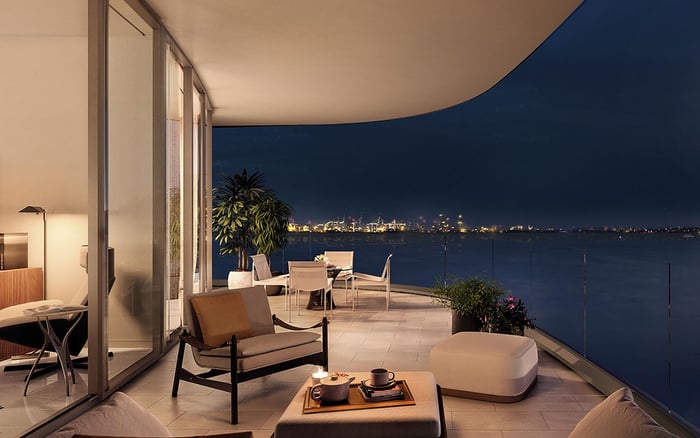
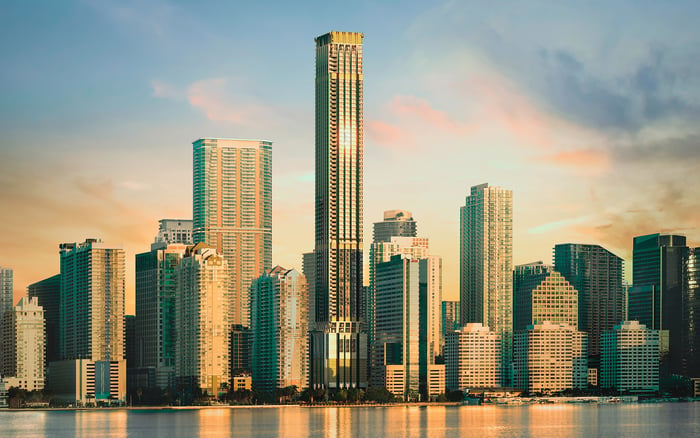
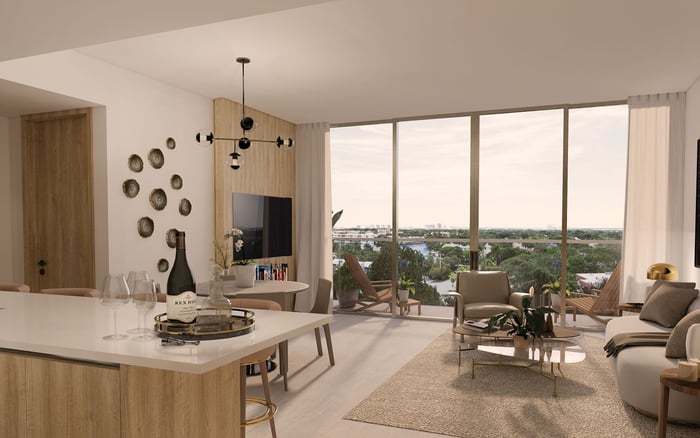
In South Florida, the true divide between a waterfront estate and a full-service luxury condo is not just purchase price. It is the structure of maintenance itself: direct, variable, owner-managed exposure on one side, and pooled, more predictable monthly carrying costs on the other.
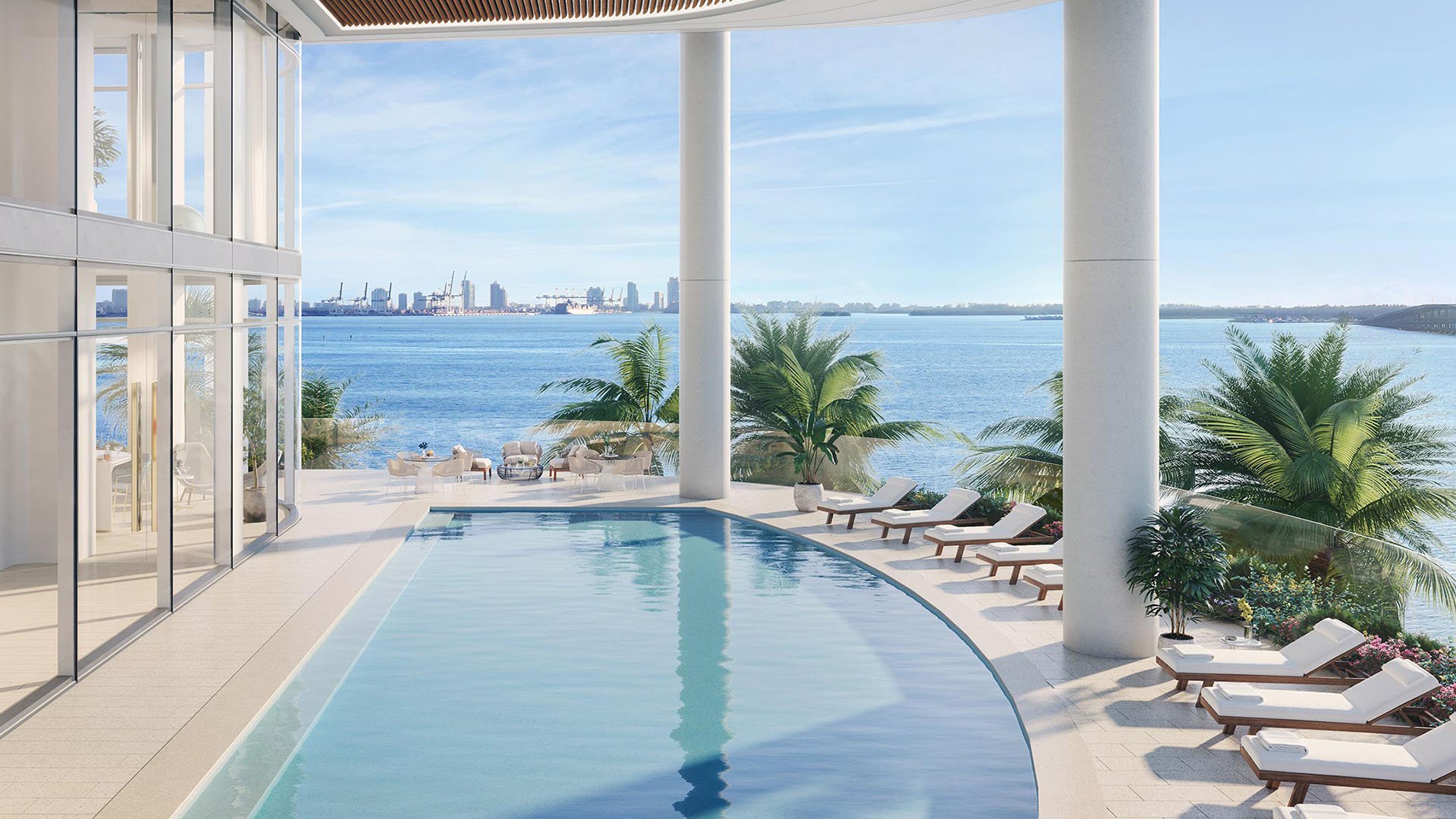
In South Florida, the romantic contrast between a bayfront estate and a full-service tower often starts with lifestyle. One offers a private dock, direct water access, and the autonomy of single-family ownership. The other offers lock-and-leave ease, staffing, and a highly managed environment. Yet for many sophisticated buyers, the more consequential distinction is less visible: the structure of maintenance itself.
A waterfront estate concentrates responsibility. The owner is not simply caring for a residence, but also for marine infrastructure, storm preparation, insurance exposure, corrosion control, and the vendor network required to keep it all functioning. A full-service luxury condo, by contrast, converts much of that responsibility into a recurring monthly charge. The cost is more visible, but the burden is often less personal.
That is the practical tradeoff. Waterfront ownership can deliver unmatched privacy and control, but it also introduces variable costs and a meaningful management load. Condo ownership can feel less bespoke, yet it typically offers more predictable carrying costs and far less day-to-day coordination.
The first misconception about a South Florida waterfront home is that maintenance simply means landscaping, pool service, and occasional painting. In reality, the coastal setting creates a very different operating profile. Salt air accelerates wear on exterior finishes, metal components, mechanical systems, and exposed hardware. Humidity increases the importance of dehumidification, mold prevention, and regular HVAC service. Even well-built homes near the water generally require more frequent preventative attention than inland properties.
Then there is the marine layer of ownership. Docks, lifts, pilings, lighting, pumps, and seawalls are not ornamental luxuries. They are functional assets that age, corrode, and occasionally fail. A single seawall repair or replacement can run roughly $25,000 to $75,000, and that cost falls directly on the homeowner. Annual specialized upkeep for marine systems and waterfront structures can add another $15,000 to $40,000 or more beyond ordinary home maintenance.
The time cost is equally important. A waterfront owner may spend 50 to 150 or more hours each year coordinating contractors, inspections, and permits. In South Florida, repairs to certain docks, seawalls, and exterior waterfront structures may also involve coastal permitting, which can slow timelines and complicate otherwise routine projects. For owners who do not live in residence full time, that often leads to hiring on-call or dedicated property oversight, which can add roughly $3,000 to $8,000 per month.
This is why many ultra-prime buyers of single-family homes are not merely purchasing real estate. They are also assuming a small operating enterprise.
Storm exposure is where the maintenance tradeoff becomes especially clear. Waterfront estates in high-risk coastal flood zones can face annual flood insurance premiums of roughly $3,000 to $12,000 or more. Hardening a house for hurricane season with impact glass, shutters, and roof reinforcement can require another $50,000 to $150,000 or more before any storm-related repair is even considered.
After a storm, the estate owner is typically responsible for activating the full response chain: inspection, water-intrusion review, temporary mitigation, documentation, vendor dispatch, and often difficult conversations with carriers. South Florida owners also face insurance volatility, including underwriting delays and selective non-renewals after active storm periods. That does not make waterfront ownership unwise, but it does make it operationally intensive.
For some buyers, that intensity is part of the appeal. Absolute control over materials, timelines, vendors, and dock infrastructure can be worth the burden. For others, the idea of being personally accountable for every post-storm decision quickly loses its appeal.
A full-service luxury condo is often discussed in terms of amenities, but the more compelling value may be administrative relief. In South Florida, luxury condo dues commonly run about $1,500 to $4,000 or more per month. Those dues often fund building staff, engineering oversight, housekeeping support, insurance structures, and reserve planning for common elements.
That changes the ownership experience in a fundamental way. Instead of one owner absorbing the entire cost of exterior restoration, roofing, shared HVAC infrastructure, or waterfront edge work, those items are typically planned across the association. The owner is still paying, of course, but through pooled reserves and recurring assessments rather than through a single concentrated invoice.
Condo ownership also removes several categories of direct responsibility. The individual owner generally does not maintain a private seawall or dock, does not independently coordinate building-wide storm preparation, and does not personally source engineers for façade or roof issues. In a well-run building, hurricane preparation and post-storm inspections are handled through established protocols. That is a different form of luxury: not extravagance, but reduced friction.
This is part of the appeal of residences such as St. Regis® Residences Brickell, The Residences at 1428 Brickell, Rivage Bal Harbour, and The Ritz-Carlton Residences® Sunny Isles, where the value proposition extends beyond design and service into ownership convenience.
The strongest argument for the condo model is not lower cost. It is cost structure. Monthly dues can feel expensive, but they are often more predictable than the cash-flow profile of a waterfront estate. Instead of sporadic five-figure surprises related to marine infrastructure, corrosion, staffing, or storm hardening, the owner typically sees a steadier monthly carrying number.
That said, predictability has limits. Major capital projects can still produce special assessments, often in the range of roughly $5,000 to $20,000 per unit for items such as roofs, façades, or seawalls. The most important diligence question is therefore not simply, What are the dues? It is, How healthy are the reserves, and how realistically is the building budgeting for future work?
This is especially relevant in coastal product, where exposure remains real even if responsibility is shared. Buyers are often evaluating not just finish level and services, but the long-term credibility of the operating structure behind them.
The waterfront estate tends to suit the buyer who values autonomy above convenience. If private dockage, complete design freedom, staff discretion, and family-scale living are essential, the maintenance load may simply be the price of admission. For this buyer, variable cost is acceptable because control is the priority.
The full-service condo tends to suit the buyer who places a premium on time, predictability, and lower operational involvement. This owner may still want a premier address, polished service, and water views, but does not want to manage marine contractors, seasonal hardening, or post-storm logistics in a personal capacity.
Neither route is universally superior. The sharper distinction is psychological. One ownership model asks, How much control do you want? The other asks, How much responsibility do you want to outsource?
In South Florida, that distinction matters more than many first assume. The true luxury is not merely where you live on the water. It is choosing the maintenance structure that best fits the way you intend to live.
Is a waterfront estate always more expensive to maintain than a luxury condo? Not always in every year, but it usually carries more variable and owner-managed expenses, especially for marine systems, storm hardening, and insurance.
What extra maintenance is unique to a waterfront house? Seawalls, docks, lifts, corrosion control, moisture management, and coastal permitting are common waterfront-specific responsibilities.
Are condo dues effectively replacing maintenance costs? In many cases, yes. They often consolidate staffing, reserves, insurance structures, and common-element upkeep into a more predictable monthly obligation.
Can luxury condos still face big surprise costs? Yes. Special assessments can still occur, particularly when reserves are weak or major repairs arise.
Why does salt air matter so much in South Florida? Salt exposure can shorten the life of exterior finishes and mechanical components, increasing the frequency of preventative maintenance and replacement.
How much time does a waterfront owner typically spend on upkeep decisions? It can be substantial, often ranging from routine vendor coordination to permits, inspections, and storm preparation throughout the year.
Is flood insurance simpler in a condo? Generally, yes. Flood-related building coverage is often handled through the association’s master insurance structure rather than solely by one owner.
Do condo owners handle hurricane preparation themselves? Usually far less directly. Full-service buildings often coordinate preparation, inspections, and immediate post-storm response through management.
Who is best suited to a full-service condo? Buyers who value lock-and-leave convenience, staffing, and more predictable carrying costs are often better matched to the condo model.
Who is best suited to a waterfront estate? Buyers who prioritize privacy, dockage, design control, and direct ownership autonomy may find the added maintenance burden worthwhile.
If you'd like a private walkthrough and a curated shortlist, connect with MILLION Luxury.
If branded residences are on your mind — as a home or as an allocation — we would be glad to share what we are seeing, privately.
Begin a quiet conversation