In South Florida’s luxury condo market, property-manager access is becoming a discreet but important diligence question, shaping privacy, liability, vendor control, and long-term ownership confidence.
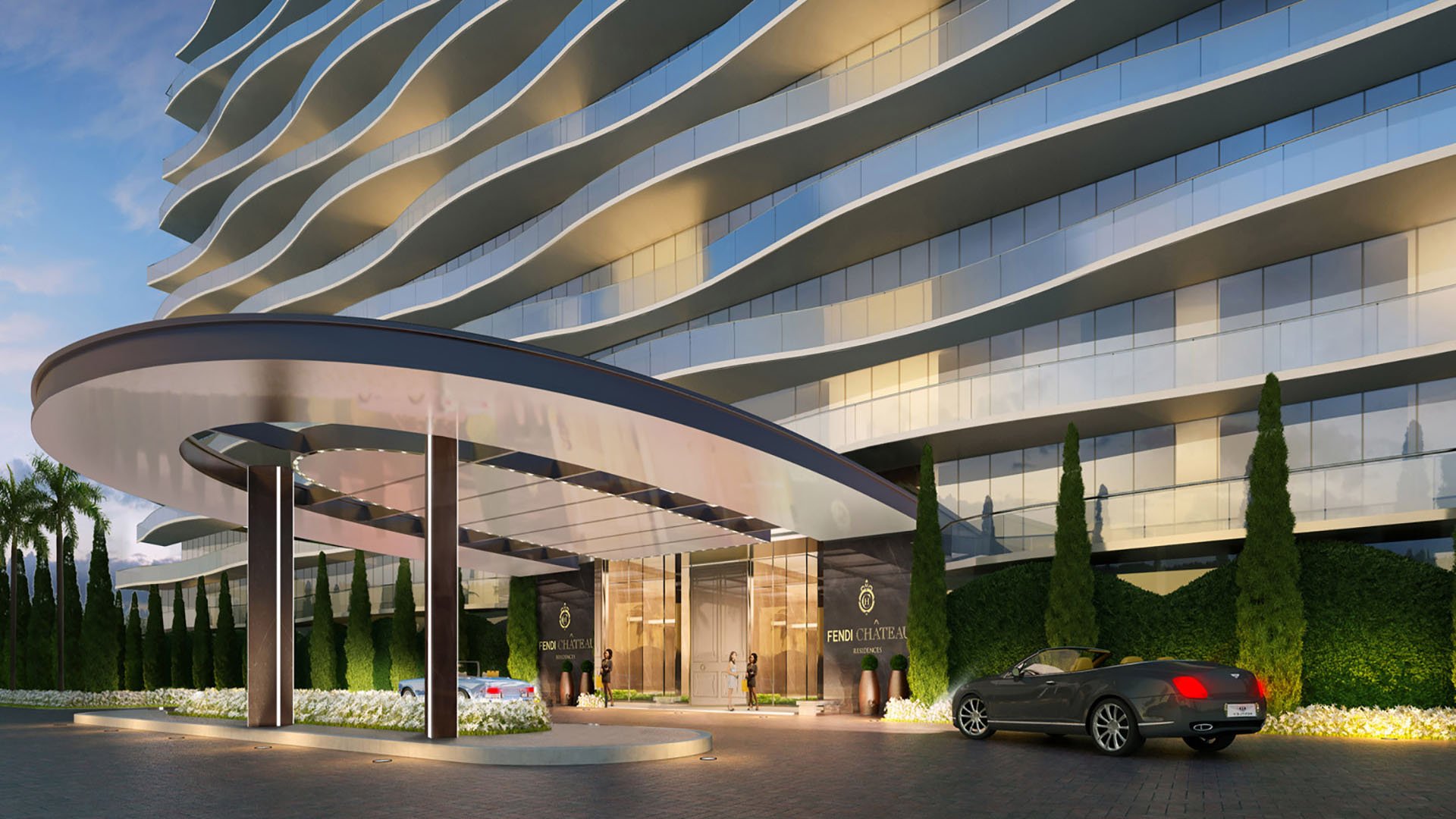
In South Florida’s most refined condominium buildings, privacy is no longer defined only by elevator configuration, setback, glazing, or the hush of a private arrival. It is also defined by a less visible question: who may enter the residence, under what authority, and how that access is recorded.
For many buyers, property-manager access sounds administrative. In practice, it touches the core promises of luxury ownership. A residence may serve as a primary home, a seasonal retreat, an art-filled pied-à-terre, or a family office in the sky. Each use case requires a different threshold for consent, speed, documentation, and discretion.
The best buildings do not treat access as an informal courtesy. They treat it as a governance system, with clear expectations for owners, managers, engineers, house staff, vendors, and security teams. In markets such as Brickell and Surfside, where service levels and resident expectations are especially high, that distinction can shape the lived experience as much as the amenities themselves.
Luxury buildings are operationally complex. Residences may include sophisticated climate systems, smart-home infrastructure, leak detection, private elevators, expansive glazing, terraces, and finishes that demand specialized care. When something goes wrong, fast access can prevent damage. When access is too loose, it can create privacy concerns and uncertainty.
That tension is the quiet risk. A manager needs enough authority to protect the building, but not so much that the owner feels the home is porous. The issue is not whether management is trustworthy. It is whether the building has designed a system that does not depend solely on trust.
A buyer should understand whether access is based on standing authorization, case-by-case consent, emergency protocol, or a combination of all three. The difference matters. A building with elegant service but unclear boundaries may feel effortless until there is a dispute, a leak, a vendor complaint, or a missing personal item.
The first channel is emergency access. Fire, water intrusion, life safety, and urgent mechanical concerns require rapid response. A serious building will define what qualifies as an emergency and who may authorize entry when the owner is unreachable.
The second channel is routine maintenance. Filter changes, inspections, repairs, and warranty items can become frequent in high-service residences. Owners should know whether appointments require written approval, whether staff may enter when the owner is absent, and whether third-party vendors are escorted.
The third channel is owner-directed service. This includes housekeepers, dog walkers, private chefs, stylists, art handlers, and family office representatives. Buildings that accommodate elevated lifestyles still need precise credentialing, visitor logs, and limits on where non-resident personnel may circulate.
The fourth channel is management discretion. This is the most sensitive. If a manager holds keys, fobs, or digital credentials, the building should have rules governing storage, duplication, revocation, and audit trails. A beautiful lobby cannot compensate for casual key control.
The access conversation should begin before closing, not after the first inconvenience. Buyers should ask how physical keys are stored, who can retrieve them, whether access events are logged, and how long records are retained. They should also ask whether the building distinguishes between staff entry, vendor entry, and management entry.
The answer does not need to sound bureaucratic. In a luxury environment, the best protocol is often simple, quiet, and exact. A resident should be able to grant temporary access for a repair, revoke access after a service window, and receive confirmation that the residence was secured when work concluded.
Buyers should also ask about digital systems. Smart locks, elevator permissions, app-based visitor approval, and remote entry tools can enhance convenience, but they can also expand the number of people with potential access. The technology is only as strong as the governance behind it.
For an investment buyer, the access policy can affect rental readiness, staff coordination, insurance comfort, and resale perception. For an owner focused on balcony living, pets, or proximity to the pool, the same policy still matters because lifestyle convenience often brings more service visits, more vendors, and more points of entry.
Ultra-premium owners often have layered privacy needs. They may travel frequently, hold valuable collections, host high-profile guests, or maintain multiple residences. The risk is rarely dramatic. More often, it is procedural drift: a familiar vendor admitted without current approval, a staff member using an old credential, or a manager entering for a minor issue that did not meet the owner’s expectations.
The highest standard is not secrecy. It is controlled discretion. Staff should know what to do, residents should know what to expect, and exceptions should be rare, documented, and explainable.
This is especially important in buildings with private elevators or semi-private vestibules. Buyers sometimes assume that a private elevator automatically equals total residential control. It may improve privacy, but the real control point is how credentials, overrides, service access, and emergency permissions are managed behind the scenes.
Access protocol is not usually the first line of a listing description, yet it can become meaningful during serious diligence. A well-run building gives a purchaser confidence that privacy, maintenance, and emergency response can coexist. That confidence is part of the premium.
In competitive coastal and urban markets, buyers often compare amenities, finishes, views, and association strength. Access discipline belongs in that same conversation. A building that can explain its process clearly may feel more mature than one that relies on personality, habit, or vague assurances.
The issue is not limited to older buildings. New residences may have more connected systems, more amenity programming, and more operational complexity. A newer tower can be technically advanced and still require careful rules around who holds authority to open a private door.
Owners should separate access into three categories: always prohibited without consent, permitted with advance approval, and permitted under true emergency conditions. This framework helps avoid emotional decision-making when an issue arises.
They should also review recurring permissions. A dog walker, housekeeper, assistant, or contractor may need access for a defined period, not indefinitely. Access should expire when the relationship changes, the project ends, or the owner’s use pattern shifts.
Finally, owners should designate a single decision-maker when they are away. In families with multiple residences, staff, and advisers, unclear authority can delay urgent repairs or create conflicting instructions. A discreet, written protocol protects both the resident and the building team.
Should a property manager have a key to a private condo residence? It can be appropriate if the owner consents and the building has strict storage, use, and logging procedures. The important point is controlled access, not informal availability.
What counts as emergency access? Emergency access generally involves immediate risk to life, property, or building systems. Owners should ask how the building defines that threshold.
Is digital access safer than a physical key? Digital access can be safer when permissions are limited, trackable, and revocable. Without disciplined oversight, it can simply create a different form of exposure.
Should vendors be allowed to enter without the owner present? That depends on owner preference and building policy. In premium buildings, escorted access and written approval are often the cleaner standard.
Can access policy affect resale value? It can influence buyer confidence, especially for purchasers focused on privacy and operational quality. Clear procedures are a mark of a serious building.
What should seasonal owners prioritize? Seasonal owners should focus on emergency authorization, recurring vendor permissions, and confirmation after any entry. Distance makes documentation more important.
Do private elevators eliminate access risk? No. Private elevators can improve privacy, but access risk still depends on credentials, overrides, service protocols, and emergency rules.
How often should owners review access permissions? Owners should review permissions whenever staff, vendors, tenants, or family use patterns change. An annual review is also a sensible baseline.
What is the most overlooked access issue? The most overlooked issue is old authorization that remains active after it is no longer needed. Expiring access is as important as granting it.
What is the right tone for this conversation with management? The tone should be calm, specific, and collaborative. Strong access rules protect owners, staff, and the building itself.
When you're ready to tour or underwrite the options, connect with MILLION.
If branded residences are on your mind — as a home or as an allocation — we would be glad to share what we are seeing, privately.
Begin a quiet conversation